Three weeks. That’s the answer most arts educators arrive at when asked how long meaningful creative development actually takes. Not because it’s convenient, but because it’s the minimum duration that allows for genuine skill building, artistic completion, and the social bonds that make the experience transformative.
Your child wants to go deep. The question is whether their summer program gives them enough time to get there.
What One Week Actually Allows
One-week programs aren’t bad. They’re just limited by math. Consider what a week actually contains: arrival and orientation consume the first day. The final day focuses on packing, goodbyes, and perhaps a brief showcase. That leaves five days of real programming.
In five days, a camper can sample activities and get a taste of different disciplines. They can learn basic techniques and participate in introductory workshops. What they cannot do is complete a meaningful artistic arc.
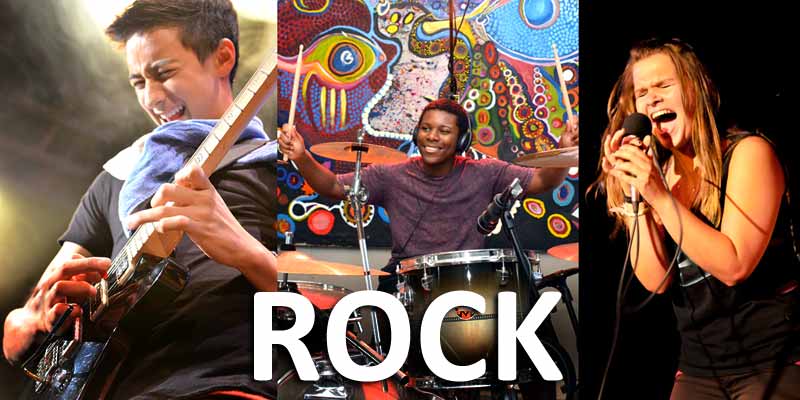
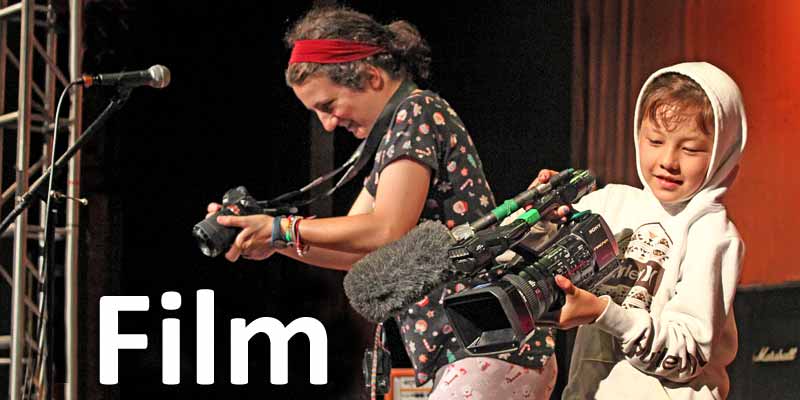
A Musical Theater production requires learning music, blocking scenes, developing character, rehearsing with an ensemble, and integrating technical elements. A Film project requires scripting, shooting, and editing. A Rock Bands performance requires learning material, arranging parts, and developing stage presence. None of these processes can be compressed into five working days without sacrificing depth.
The social experience suffers equally. Friendships that form in a week rarely survive the return home. Children are just beginning to find their people when the session ends.
Wondering what three weeks at Long Lake looks like in practice? Start a conversation with our team.
Why Three Weeks Hits the Sweet Spot
Three weeks provides something one week cannot: a complete creative cycle. There’s time to learn, struggle, improve, and ultimately succeed. The experience has a narrative arc that mirrors real artistic work.
The first week allows for genuine exploration. Campers can try different activities, discover unexpected interests, and begin building foundational skills without the pressure of an imminent performance. A child who thought they wanted only Musical Theater might discover a passion for Technical Theater or Circus. The schedule flexibility means they can adjust as they learn more about themselves.
The second week is where depth happens. Skills that were introduced in week one get refined through practice. Ensemble relationships develop. The creative work moves from “learning how” to “making something.” This middle period is where the real growth occurs, and it simply doesn’t exist in shorter programs.
The third week brings integration and completion. Productions come together. Technical elements are added. Performances happen not as rushed showcases but as genuine artistic statements that the campers have ownership over. The ending feels earned because it is.
The Depth That Duration Enables
Consider what becomes possible when time isn’t the limiting factor.
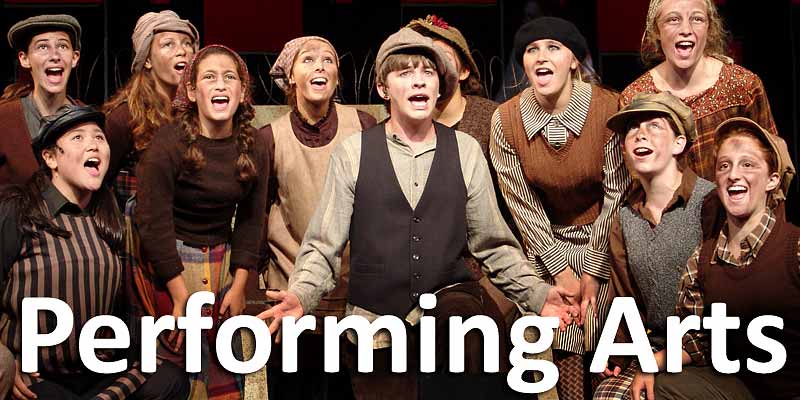
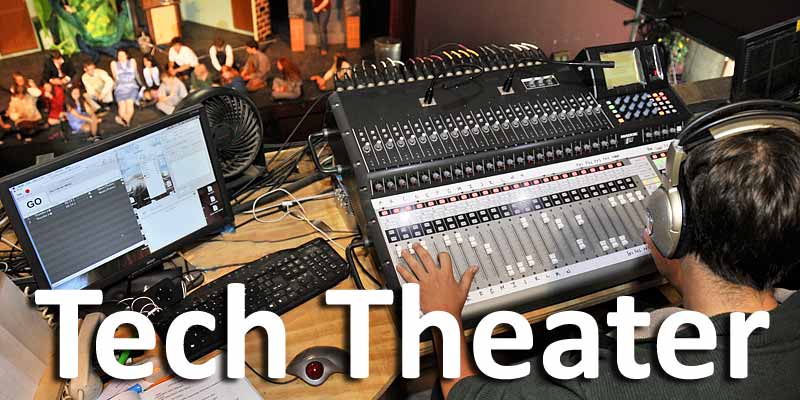
A Musical Theater production can be fully staged with complete choreography, harmonies, and Technical Theater elements including lighting design and set pieces. Campers experience what it actually feels like to build a show from first read-through to final bow. They understand how all the elements work together because they’ve lived through the entire process.
A Film project can move through proper pre-production, multiple shooting days, and thoughtful editing. The result is something campers are genuinely proud to show, not a rushed assembly of footage captured in a single afternoon.
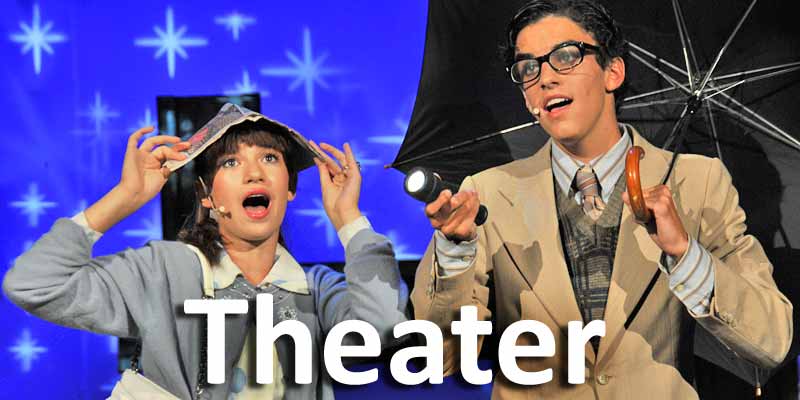
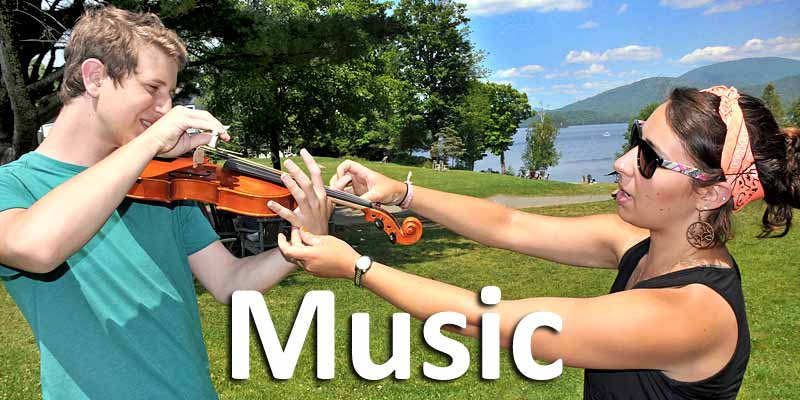
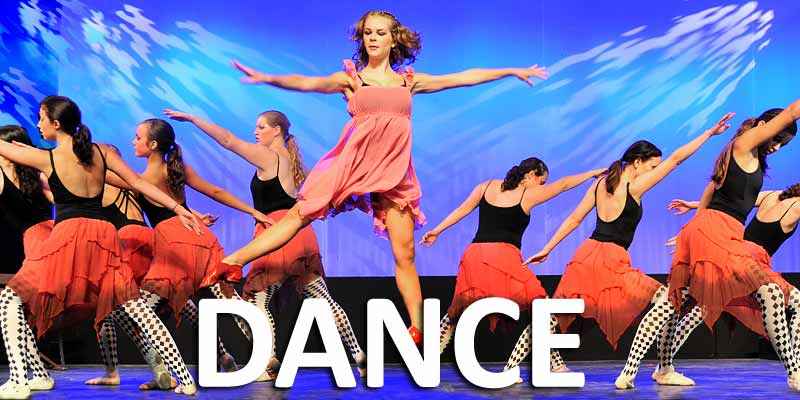
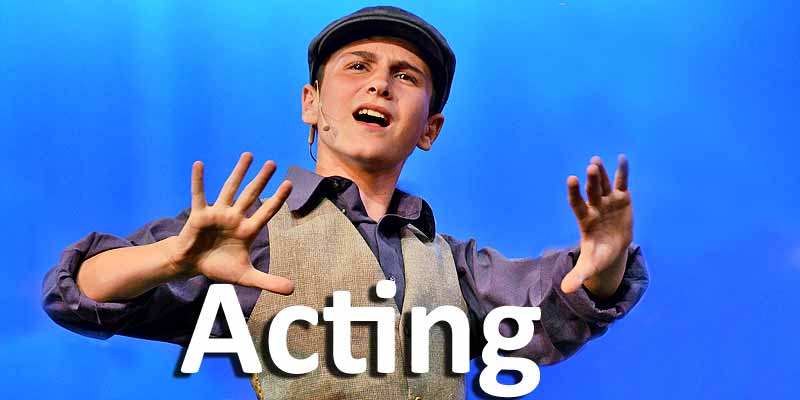
Dance pieces can be choreographed, refined, and polished. Theater scenes can be rehearsed enough times that actors move beyond memorization into genuine performance. Music ensembles can develop the tight interplay that only comes from extended time playing together.
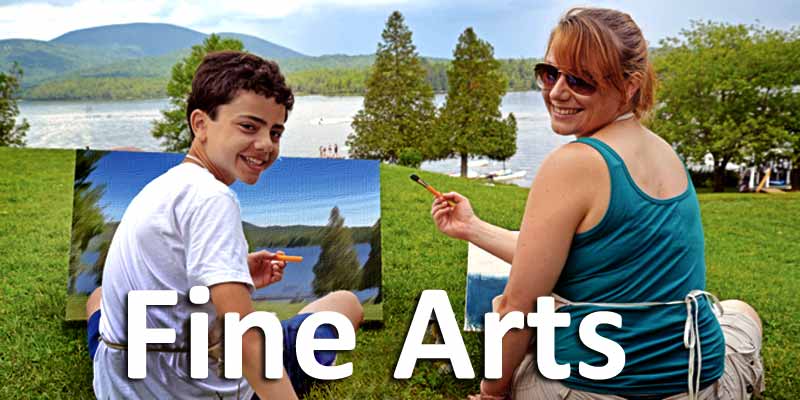
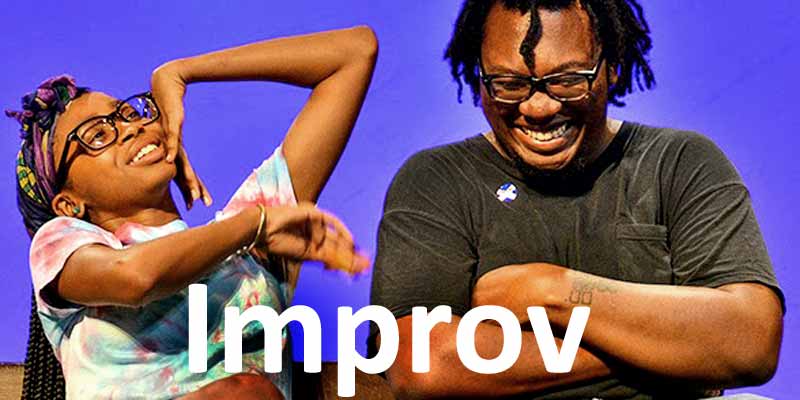
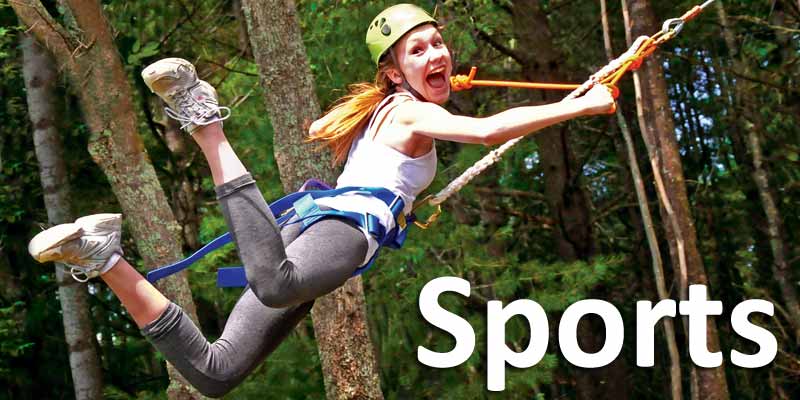
Even activities that seem simpler benefit from duration. Fine Arts projects can be ambitious when there’s no rush. Circus skills can progress from basic technique to performance-ready acts. Improv ensembles can develop the trust and shorthand that makes scenes genuinely surprising.
Mastering the Freedom of Choice
Long Lake’s customizable schedule is one of its greatest strengths. But learning to use that freedom well takes time.
In the first week, campers often experiment broadly, trying activities they’ve been curious about and confirming interests they arrived with. By the second week, patterns emerge. They begin making intentional choices about where to invest their energy. By the third week, they’ve genuinely curated their own experience.
This progression matters. A child who spends three weeks actively choosing their path develops self-knowledge and decision-making skills that extend far beyond camp. They learn what it feels like to commit to something and see it through. They discover that saying yes to one opportunity means saying no to another, and that’s okay.
One-week programs don’t allow time for this learning curve. Campers barely figure out the system before they’re heading home.
Community That Actually Forms
The friendships formed at camp are legendary for good reason. But those bonds require time to develop.
In the first week, campers are still figuring out the social landscape. They’re meeting many people, having surface-level conversations, and beginning to identify potential connections. Real friendship hasn’t formed yet.
The second week is when things shift. Campers have moved past initial impressions. They’ve seen each other struggle in rehearsal, supported each other through homesickness, laughed together at inside jokes. The relationships have texture now.
By week three, these connections feel solid. Campers have history together. They’ve created things together. The goodbyes at the end are difficult precisely because something real has formed.
These are the friendships that lead to year-round video calls, reunion visits, and lifelong connections with people who truly understand each other. They don’t happen in a week.
Why Residential Makes the Difference
Duration matters more when it’s immersive. A three-week day camp still interrupts the experience every afternoon. Campers return to their regular lives, their regular screens, their regular social dynamics. The creative container keeps getting punctured.
A residential experience maintains continuity. The child wakes up in the creative community and goes to sleep in it. Conversations that start at lunch continue at dinner. Collaborations that begin in an afternoon activity extend into evening free time. The boundaries between “camp” and “regular life” dissolve completely.
This immersion accelerates everything. Skills develop faster when practice isn’t interrupted by daily transitions. Friendships deepen more quickly when time together isn’t fragmented. Artistic work benefits from the sustained focus that residential life provides.
For creative children especially, there’s something powerful about being surrounded entirely by peers who share their interests. The experience of being “the artsy one” in their regular life transforms into being one of many, each pursuing their own creative path with equal intensity.
The Investment Calculation
Three weeks is a significant commitment of summer time. But the return on that investment looks different than three separate one-week experiences.
A single extended session provides depth that multiple short sessions cannot match. The child who attends three different one-week camps has three introductory experiences. The child who attends one three-week session has one transformative experience.
The skills retained are different. The memories formed are different. The friendships maintained are different. The self-knowledge gained is different.
For families seeking genuine artistic development rather than activity sampling, duration is the variable that matters most. Three weeks is where the real work becomes possible.
Ready to see what a three-week session includes? Request more information and we’ll be in touch.