Musical Theater camps generally fall into two categories: those built around staging a production and those focused on skills workshops without a performance goal. Both have value. But they deliver fundamentally different experiences, and understanding the distinction helps families choose the right fit.
For most young performers, production-focused programs offer something workshops cannot: the experience of building something real with other people and sharing it with an audience.
The Workshop Model Explained
Workshop-based camps structure their time around classes, master sessions, and technique development. A typical day might include a voice lesson in the morning, a dance technique class midday, an acting scene study in the afternoon, and perhaps an audition preparation seminar before dinner.
The focus is skill isolation. Campers work on specific techniques with expert instructors, often receiving individualized feedback. The goal is improvement in discrete areas: extending vocal range, refining dance technique, deepening acting choices.
This model works well for performers preparing for specific auditions or addressing identified weaknesses. A child who needs intensive work on their belt voice or wants to master a particular dance style can benefit from concentrated workshop training.
The limitation is context. Skills learned in isolation don’t automatically transfer to performance. A camper might nail a sixteen-bar cut in voice class but struggle to deliver the same material while hitting blocking, connecting with scene partners, and managing performance nerves. The workshop model teaches components. It doesn’t teach integration.
There’s also the collaboration gap. Musical Theater is fundamentally an ensemble art. Workshop programs, by their individual-focused nature, can’t replicate the experience of building something together over time.
Curious how Long Lake’s production model works? Start a conversation with our team.
The Production Model Explained
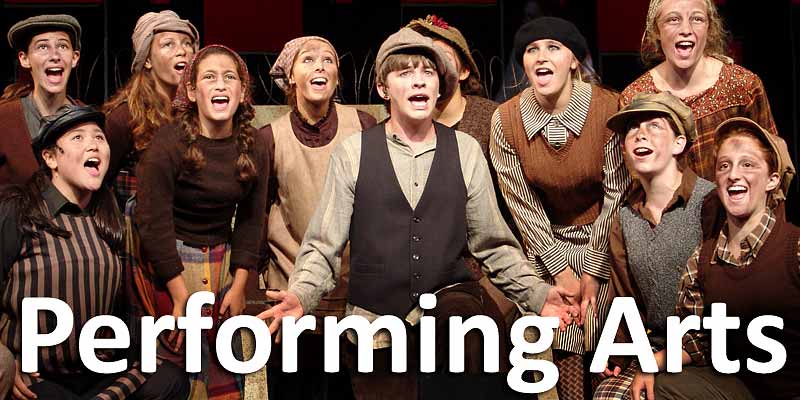
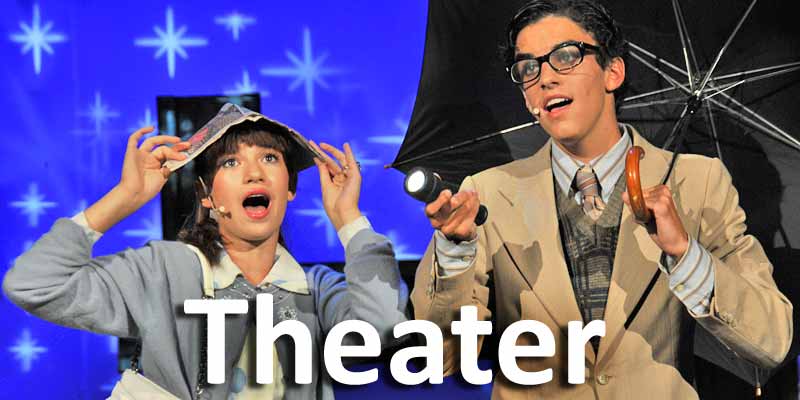
Production-focused camps organize the summer around staging an actual show. Campers audition, rehearse, build, and ultimately perform a complete or substantial Musical Theater piece for a real audience.
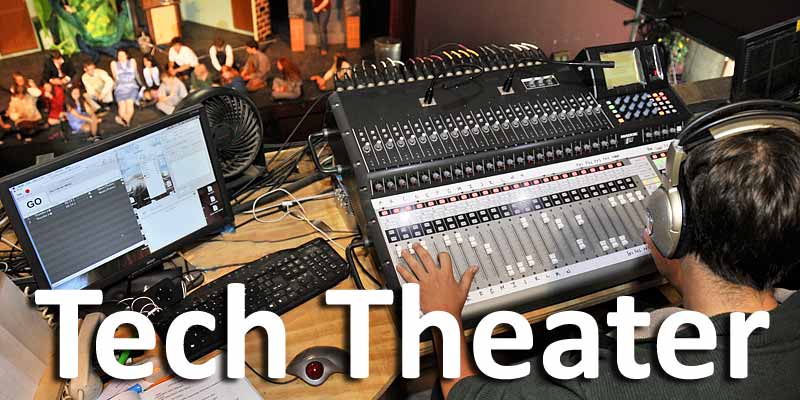
The structure mirrors professional theater. There’s a rehearsal process with a director. There’s collaboration with Technical Theater on sets, lights, and sound. There’s the pressure of a deadline and the satisfaction of opening night. The entire experience has a shape and a destination.
This model teaches skills that workshops cannot. Deadline management becomes real when there’s an actual performance date. Collaboration becomes necessary when your scene depends on a partner’s choices. Ensemble support matters when the show’s success requires everyone to show up fully.
The production model also provides natural integration. Campers don’t just learn vocal technique; they learn how to deliver a song while acting a scene while hitting choreography while responding to what other performers are giving them. The skills connect because the work demands connection.
Perhaps most importantly, the production model gives campers something tangible at the end. They’ve made something real. They can point to it and say “I was part of that.” The experience becomes a reference point for what they’re capable of achieving.
The Competition Concern
Some families hesitate around production programs because they associate casting with competition. They worry their child might not get a meaningful role, or that the experience will recreate the rejection dynamics of school theater.
This concern makes sense given how many programs operate. But it reflects a specific approach to production, not an inherent feature of the model.
At Long Lake, involvement is the goal. Every camper who wants to participate in Musical Theater receives a meaningful role. The productions are designed and cast to ensure that each performer has genuine stage time and material that matters to the show. No child spends weeks rehearsing only to stand in the back during performances.
This isn’t about lowering standards. The productions are ambitious and the quality is high. It’s about rejecting the scarcity model that assumes meaningful roles are limited resources to be competed for. With thoughtful show selection and creative casting, every participating camper can have an experience that challenges them and showcases their growth.
Flexibility Within the Production Structure
Another concern families sometimes raise is time commitment. Will pursuing a production lock their child out of other camp experiences? Will Musical Theater consume the entire summer?
The answer depends entirely on the program’s structure. Some intensive production camps do require full-day, every-day commitment. That’s the trade-off for their model.
Long Lake’s approach is different. The customizable schedule means campers can pursue Musical Theater as their primary focus while still exploring other interests. A child might spend mornings in production rehearsal and afternoons in Fine Arts, Film, or Land Sports. They might balance their Acting and Dance commitments with time at Watersports.
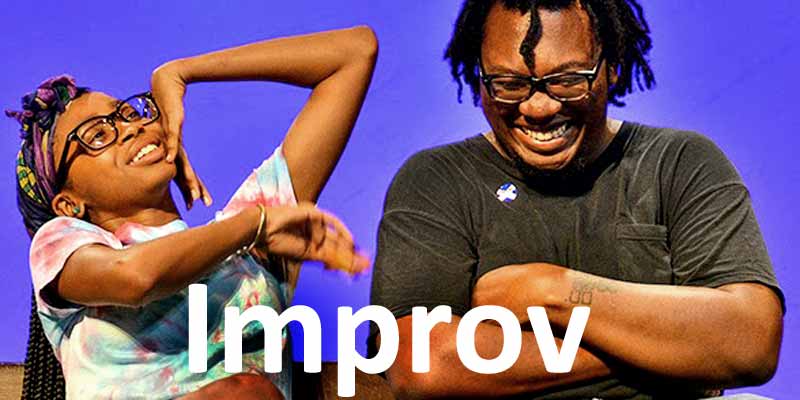
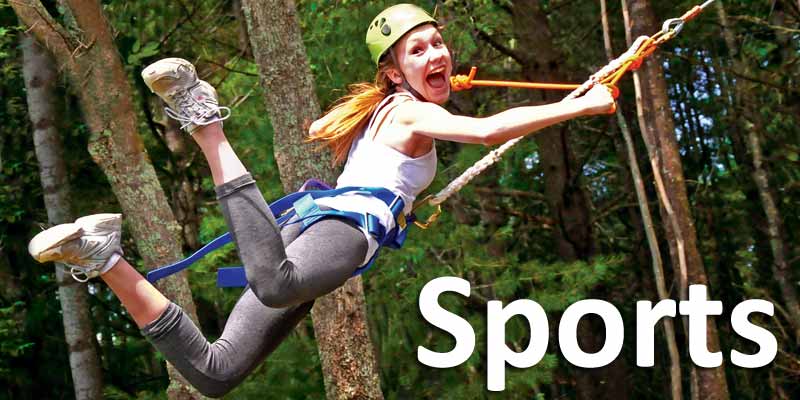
This flexibility matters because young performers benefit from breadth. The skills gained in Improv strengthen stage presence. Time in Technical Theater builds understanding of the full production. Circus develops physical confidence. Music training outside the show deepens musicianship. Land Sports and Watersports provide the physical recovery that intensive rehearsal schedules demand.
A production-focused program doesn’t have to mean a production-exclusive program. The best models provide both the depth of building a real show and the freedom to develop as a complete artist and person.
High Standards Without High Stakes Competition
Long Lake’s Musical Theater productions are genuinely impressive. Past summers have included ambitious shows with full orchestration, professional-quality Technical Theater elements, and performances that surprise audiences with their sophistication. The work is serious and the results reflect that seriousness.
What makes this possible isn’t competition. It’s commitment and community.
When campers feel secure in their place within a production, they take creative risks. When they trust their ensemble, they support each other through the inevitable challenges of building a show. When the culture prioritizes collective achievement over individual standing, everyone rises.
The non-competitive model doesn’t produce lesser work. It produces different work: shows built by ensembles that genuinely function as ensembles, performances marked by connection rather than isolation, experiences that leave campers eager to collaborate again rather than burned out on the politics of casting.
What Campers Actually Learn
The skills developed through production work extend far beyond Musical Theater. Campers learn to manage their time and energy across a multi-week project. They learn to give and receive feedback constructively. They learn to support peers who are struggling and celebrate peers who are succeeding.
They learn what it feels like to be part of something larger than themselves. They learn that their individual contribution matters to the whole. They learn that showing up prepared and present is a form of respect for their collaborators.
These lessons stick because they’re learned through experience rather than instruction. No one has to tell a camper that ensemble matters when they’ve felt the difference between a rehearsal where everyone’s focused and one where people are checked out. The production teaches what lectures cannot.
Choosing the Right Model
Workshop programs serve a real purpose. For campers with specific, identified technical needs and upcoming auditions, concentrated skill work makes sense. For performers who’ve done many productions and want a summer focused on refinement, workshops offer that opportunity.
But for most young Musical Theater artists, the production model offers more. It teaches the complete art form rather than isolated components. It builds collaboration skills that will serve performers throughout their careers. It provides the incomparable experience of creating something real with people who become genuine friends.
The question isn’t which model is better in the abstract. It’s which model serves your child’s current needs and long-term development. For creative young people ready to dive deep into the full Musical Theater experience, production-focused programs provide something workshops simply cannot match.