The “triple threat” concept has misled a generation of musical theater families. Voice, dance, and acting are necessary. They’re not sufficient. The performers who book roles, sustain careers, and avoid burnout are the ones who’ve built a foundation far broader than any studio class can provide.
Your child already has the drive. The question is whether their summer training will develop the full artist or just polish three isolated skills.
The Real Triple Threat Is Built on Hidden Skills
Walk into any Broadway audition room and you’ll see hundreds of performers who can sing, dance, and deliver a monologue. The ones who stand out bring something else: a visual imagination shaped by Fine Arts training, a physical resilience built through athletic cross-training, and creative instincts developed by exploring disciplines outside their comfort zone.
Musical Theater is a synthesis art. It borrows from every creative discipline. The performer who has actually worked in those disciplines brings depth that pure technique training cannot replicate.
This is why intensive programs focused solely on rehearsal produce technically proficient performers who feel somehow incomplete on stage. They’ve mastered the components without understanding the whole.
How Fine Arts Training Transforms Theater Performance
Consider what happens when a young Musical Theater artist spends time in Fine Arts. They’re not taking a break from their “real” training. They’re building skills that translate directly to the stage.
Visual arts training teaches composition. A performer who understands visual balance instinctively knows where to position themselves on stage, how to create dynamic pictures with their body, and why certain blocking choices feel right while others fall flat.
Working in Fine Arts builds spatial awareness and design thinking. Understanding how color, shape, and form work together changes how a performer interprets costume choices, visualizes their character’s world, and collaborates with directors on stage pictures.
At Long Lake, campers pursuing Musical Theater can build their schedule to include Fine Arts alongside their performance training. A morning in Musical Theater rehearsal followed by an afternoon exploring visual arts isn’t a compromise. It’s comprehensive artist development.
Cross-Training in Other Performance Arts
Musical Theater doesn’t exist in isolation from other performance disciplines. The skills transfer in ways that might surprise families focused narrowly on the Broadway track.
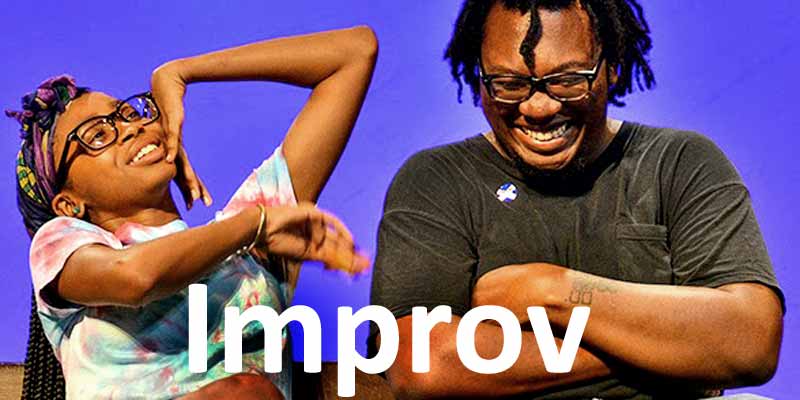
Improv builds the spontaneity and presence that keep live performance alive. The scripted performer who has spent time in Improv responds to unexpected moments with creativity rather than panic. They stay connected to scene partners instead of retreating into memorized blocking.
Circus develops body awareness, physical confidence, and stage presence that no amount of choreography drilling can match. The fearlessness required to master Circus skills translates directly to audition confidence and stage command.
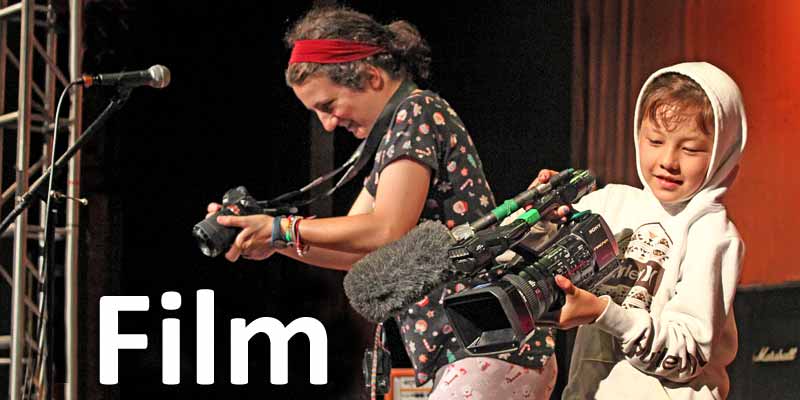
Film teaches subtlety and the power of small choices. Theater performers who understand camera work bring a groundedness to their stage work that reads as authenticity rather than projection.
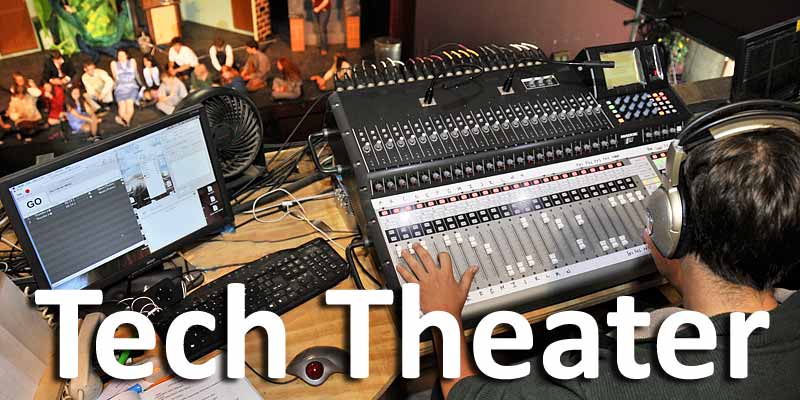
Technical Theater reveals how the magic happens. The performer who has worked a light board, built a set piece, or run a sound cue understands what they’re asking of their collaborators. They become better ensemble members and more directable artists.
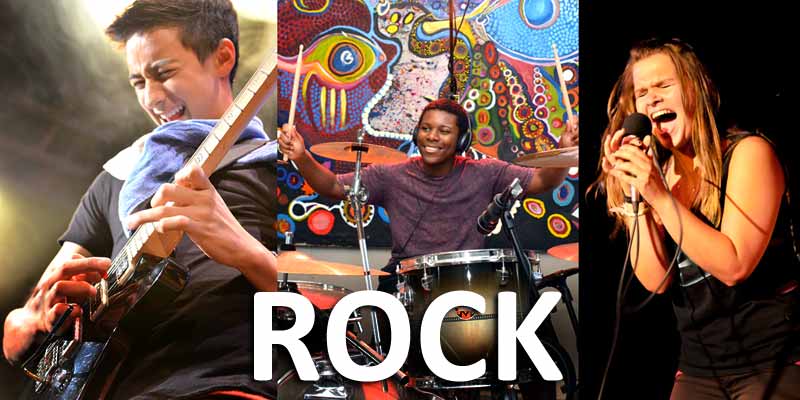
Music training outside the vocal booth matters too. Campers who explore Rock Bands or other Music programs develop stronger rhythm, ensemble listening skills, and a deeper understanding of how accompaniment and vocals work together.
Physical Training Beyond the Dance Studio
Eight-show weeks are physically brutal. Performers who haven’t built genuine athletic endurance burn out, get injured, or lose vocal quality as their bodies fatigue. Dance class alone doesn’t build the comprehensive fitness that sustains a performance career.
Land Sports develop cardiovascular endurance, team dynamics, and competitive resilience. The performer who has pushed through physical challenges in athletics brings that same determination to tech week.
Watersports offer something even more valuable: active recovery. Water activities provide low-impact exercise that lets muscles recover while still building strength and endurance. For young performers in intensive training, this isn’t just recreation. It’s strategic physical maintenance.
The mental health benefits matter equally. Young artists who balance intensive creative work with physical play avoid the psychological burnout that derails so many promising performers. They return to rehearsal refreshed rather than depleted.
Finding the Right Environment
The best Musical Theater training happens in an environment where all the supporting elements exist in one place. When Fine Arts, Film, Circus, Improv, Technical Theater, and Land Sports and Watersports are all available on the same campus with the same community, integration happens naturally.
Your child won’t have to choose between their Musical Theater passion and the broader development that makes that passion sustainable. They can pursue both within a single summer, surrounded by peers who share their creative drive.
The performers who build lasting careers are rarely the ones who trained hardest in the narrowest way. They’re the ones who became complete artists and whole humans. That’s what integrated training provides.