Stage fright is one of the most common forms of anxiety. Research from the American Psychological Association indicates that performance-related anxiety affects a majority of individuals at some point, especially during adolescence when self-awareness and social perception are heightened.
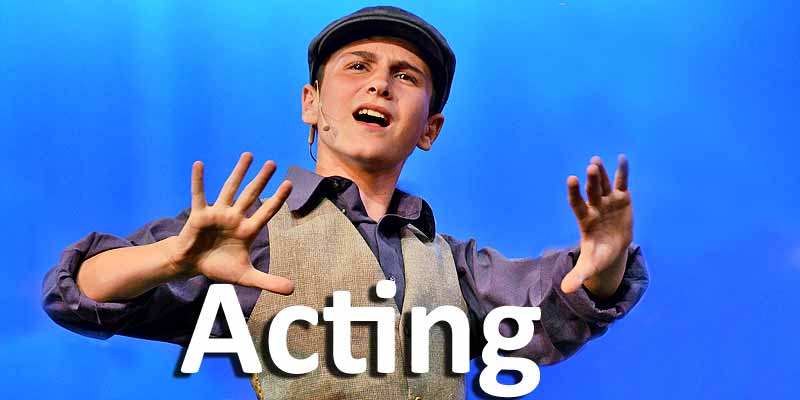
For those who love theater, this creates a difficult tension: a strong pull toward storytelling and performance, paired with a fear of being seen or judged. This experience is more common than it appears—and it does not mean stepping away from theater altogether.
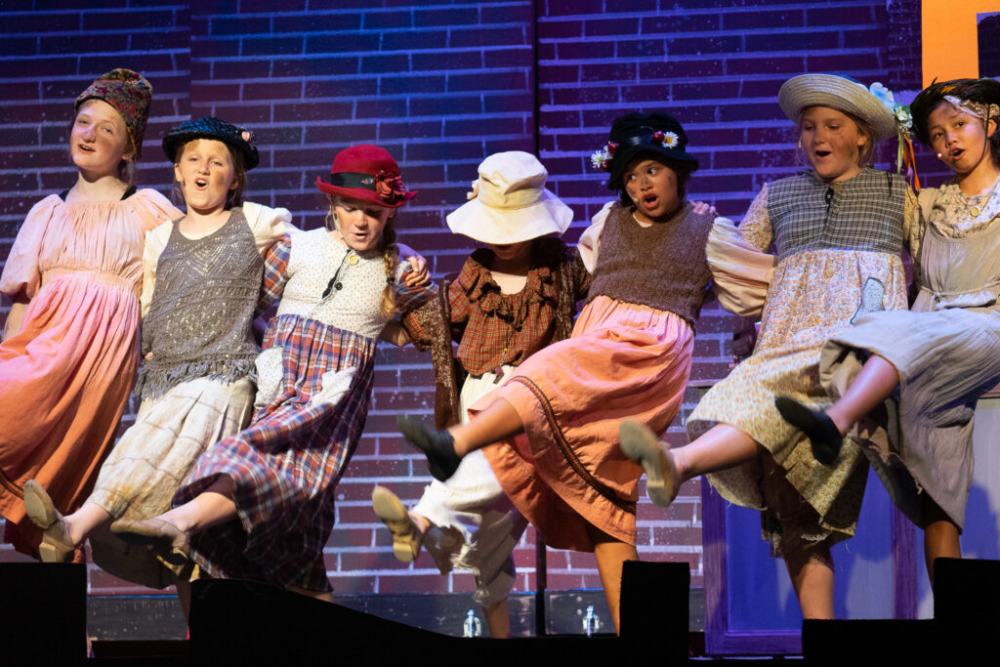
Programs like Long Lake Camp are increasingly structured to support participants who want to stay involved in theater without immediately stepping into the spotlight.
Redefining Participation in Theater
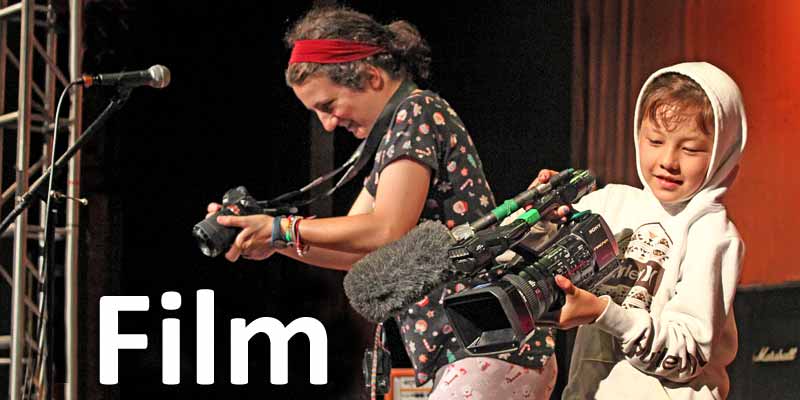
Theater is often misunderstood as something only actors do. In reality, every production depends on a wide range of creative roles that exist off stage.
For individuals experiencing stage fright, this opens up meaningful pathways to stay engaged while building confidence gradually. In environments such as theatre summer camps in New York, participants are encouraged to view theater as a collaborative system rather than a single performance role.
Some of the most impactful contributions happen behind the scenes:
- Designing how a scene looks and feels
- Managing lighting and sound cues
- Supporting actors through direction and staging
- Coordinating timing, transitions, and flow
This shift in perspective allows participants to stay connected to what they love without forcing themselves into situations that feel overwhelming.
What’s Happening in the Body During Stage Fright
Understanding stage fright can make it easier to work with. It is not simply fear—it is a physiological response. When someone anticipates being watched or evaluated, the body activates a stress reaction:
- Heart rate increases
- Breathing becomes shallow
- Focus narrows toward perceived risk
This response is natural. It is the same system designed to respond to physical danger, even though the situation is social.
In structured environments like Long Lake Camp, repeated exposure to creative spaces—without pressure—can help reduce this response over time. Familiarity builds a sense of safety, which gradually changes how the body reacts.
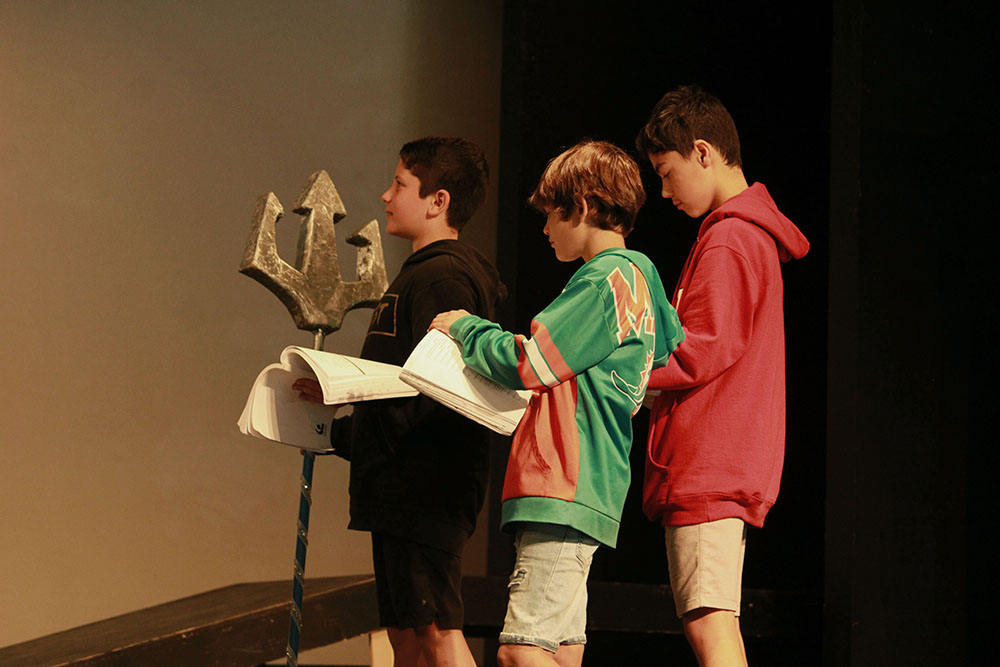
Finding Comfort Behind the Scenes
For those not ready to perform, behind-the-scenes roles offer a powerful way to stay involved while developing confidence.
· Technical Production
Lighting and sound design are essential to every performance. In many performing arts camps in New York, participants learn how to control atmosphere and timing without being on stage.
· Directing and Creative Guidance
Directing allows individuals to shape the story from a broader perspective. This includes working with actors, interpreting scripts, and making creative decisions that guide the production.
· Visual Design
Set and costume design bring the story to life visually. These roles are often part of arts camp programs, where visual creativity connects directly to performance.
Each of these paths allows for meaningful contribution while reducing the immediate pressure of public performance.
Building Confidence Without Pressure
Confidence in the theater does not need to happen all at once. In fact, gradual exposure is one of the most widely supported approaches to managing performance anxiety.
Supportive programs, including Long Lake Camp, often provide:
- Small group activities before larger audiences
- Opportunities to observe rehearsals before participating
- Flexible roles that can change over time
A participant might begin by working on lighting or stage management and later choose to try a small role once they feel more comfortable. This progression respects individual pacing while still encouraging growth.
The Power of Immersive Creative Environments
Immersive settings, such as residential or overnight programs, can be especially supportive for individuals managing stage fright.
In these environments:
- Participants spend consistent time in creative spaces
- Peer relationships develop through shared experiences
- The focus shifts from performance to process
This kind of setting helps reduce the sense of isolation that often accompanies anxiety. Instead of feeling singled out, participants become part of a collective creative effort.
Staying Connected to Theater in Different Ways
Theater often overlaps with other creative disciplines, offering additional ways to stay involved.
For example:
- Music programs can contribute live sound to productions
- Movement and choreography shape how stories are told physically
- Writing and storytelling influence scripts and scenes
This interdisciplinary approach allows participants to engage with theater through multiple entry points, not just acting.
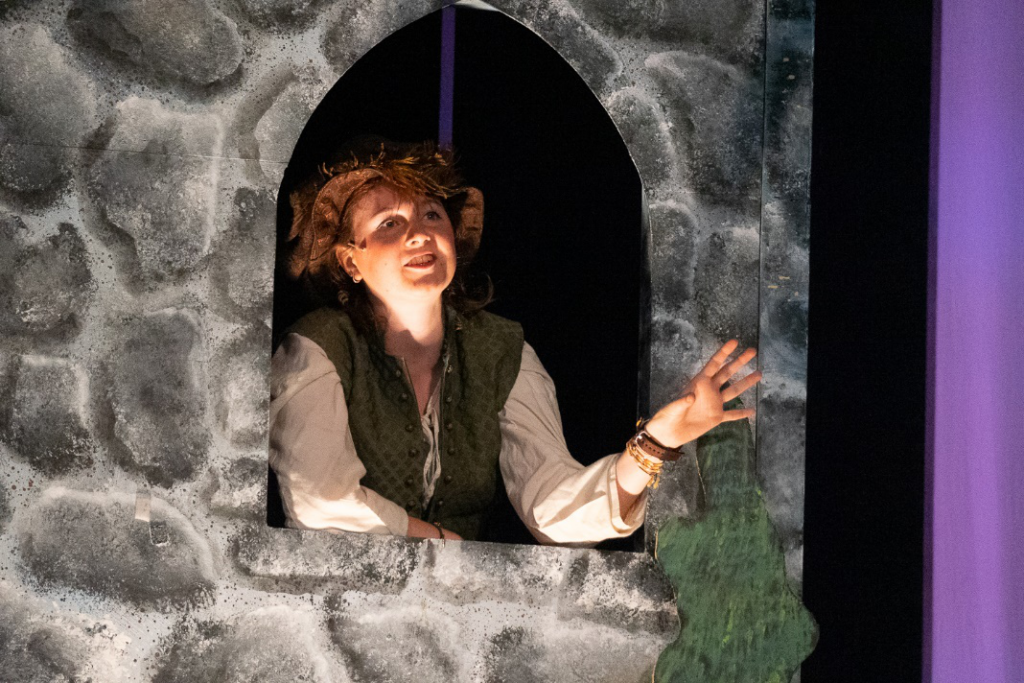
Theater Has a Place for You
Loving theater while experiencing stage fright is not a contradiction—it is a starting point. With the right environment, it is possible to stay involved, build confidence, and grow creatively without forcing discomfort.
At Long Lake Camp for the Arts, participants are supported in finding their place within the creative process, whether on stage or behind the scenes. The focus is not on pushing individuals into roles they are not ready for, but on creating space for gradual growth, collaboration, and expression. Contact us to learn more about programs that support creativity at every level of comfort and experience.
For questions or support with the enrollment process, you can reach our winter office in the NYC metro area:
199 Washington Avenue, Dobbs Ferry, NY 10522