Research in arts education indicates that early exposure to advanced creative environments significantly influences long-term artistic development. According to the National Endowment for the Arts, students who engage in intensive arts programs are more likely to pursue higher education in creative fields and maintain consistent artistic practice into adulthood.
Traditional school art programs often focus on foundational skills, but they may lack access to specialized tools, studio environments, and industry mentorship. This gap is where summer fine art camps become highly valuable. Programs such as summer art camps in New York provide structured opportunities for students to transition from classroom-level work to more advanced artistic exploration.
Moving Beyond the Classroom Environment
High school art programs typically emphasize technique, basic composition, and introductory theory. While this foundation is important, students often require more advanced exposure to fully develop their artistic voice.
In an art camp for teens, students enter a setting that mirrors professional studio practice. This includes longer project timelines, deeper conceptual work, and access to materials not commonly available in schools.
Key differences include:
- Extended studio hours for focused work
- Freedom to experiment with larger or more complex projects
- Exposure to critique-based learning environments
This shift helps students think beyond assignments and begin working with intent and direction, similar to professional artists.
Access to Specialized Equipment and Materials
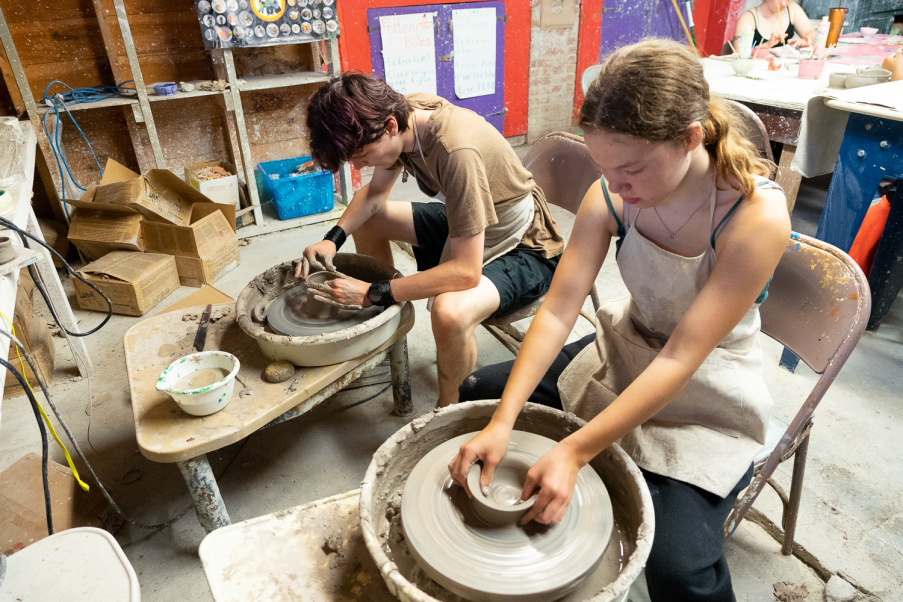
One of the most significant advantages of attending 2026 arts summer camp programs is access to professional-grade tools and facilities. Many camps invest in equipment that allows students to explore a wider range of mediums.
Examples of available resources often include:
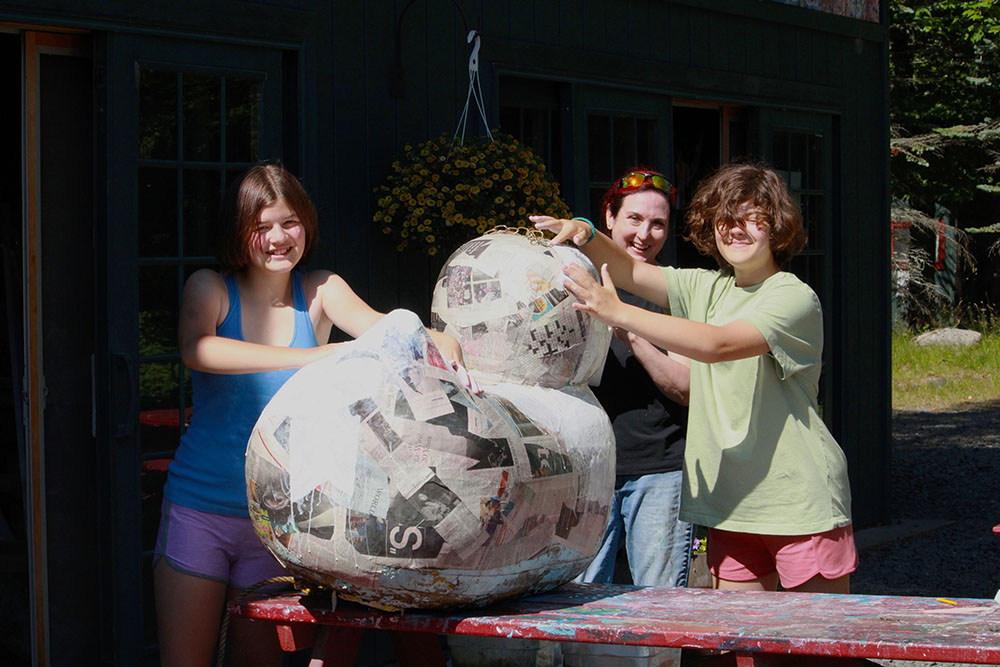
- Sculpture studios with carving and casting tools
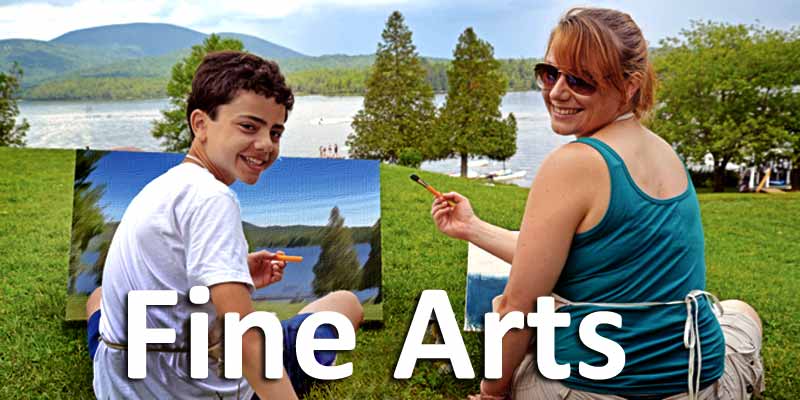
- Advanced painting materials and large-format canvases
- Digital labs for graphic design and media production
In an overnight art camp, students can spend extended time working with these materials, which supports deeper skill development. This level of access allows participants to move beyond basic exercises and begin producing portfolio-level work.
Mentorship from Practicing Artists
Another defining element of summer fine art camps is the presence of experienced instructors who actively work in the field. These mentors provide guidance that goes beyond technical instruction.
Students benefit from:
- Personalized feedback on their work
- Insight into professional artistic processes
- Guidance on building a cohesive portfolio
At programs like Long Lake Camp for the Arts, mentorship is integrated into daily activities. Students receive consistent input that helps refine both technique and creative direction.
This interaction also introduces students to the expectations of professional artistic environments, helping them better prepare for future academic or career pathways.
Multi-Disciplinary Exposure and Creative Growth
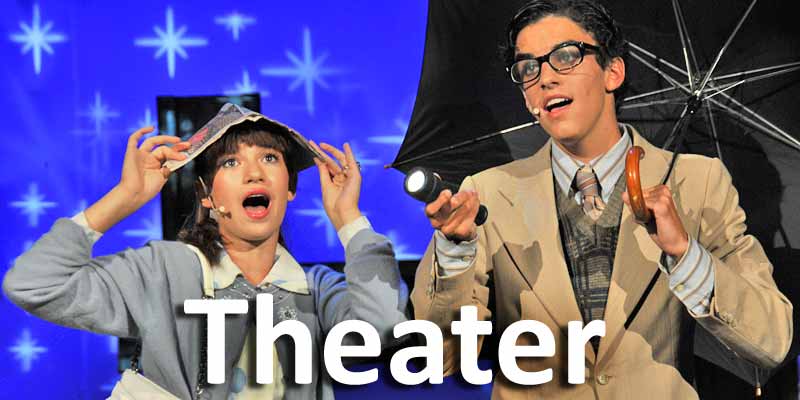
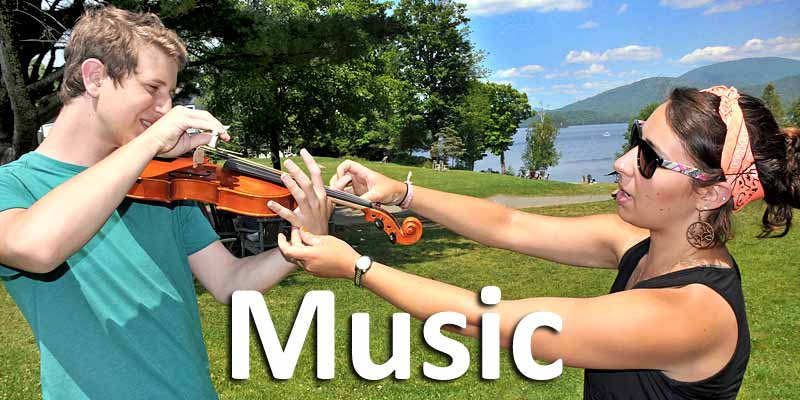
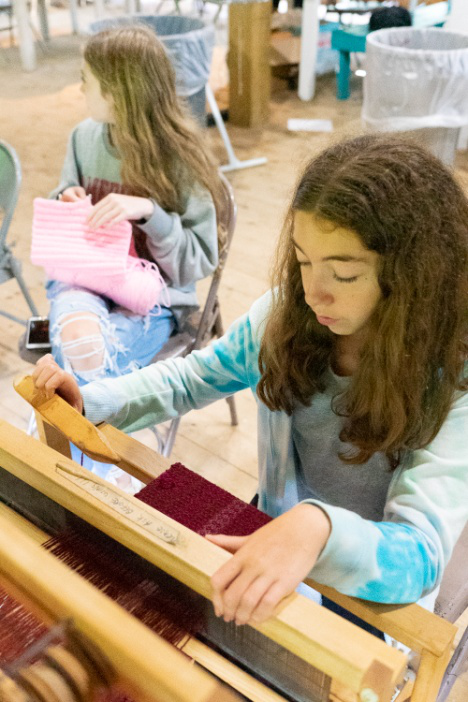
Many camps encourage students to engage in multiple creative disciplines. While the primary focus may be fine arts, exposure to related areas such as performance or music can broaden artistic perspective.
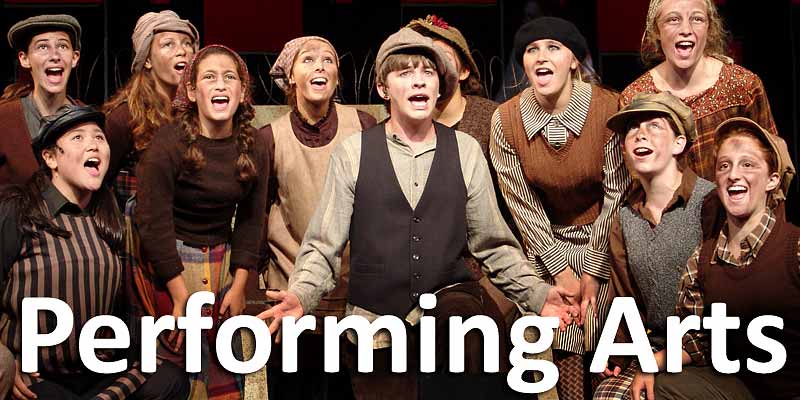
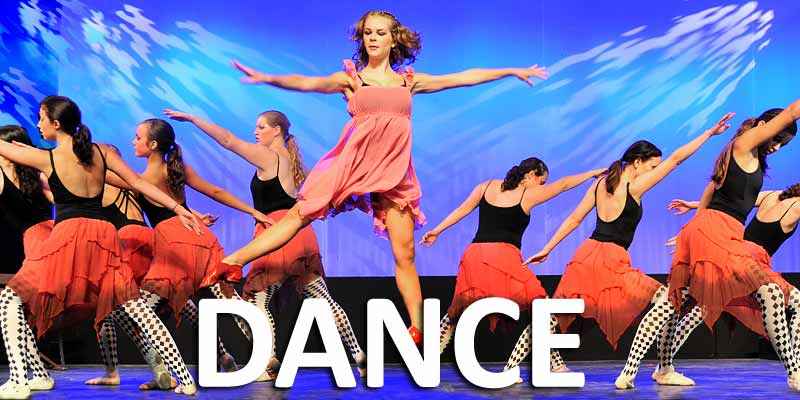
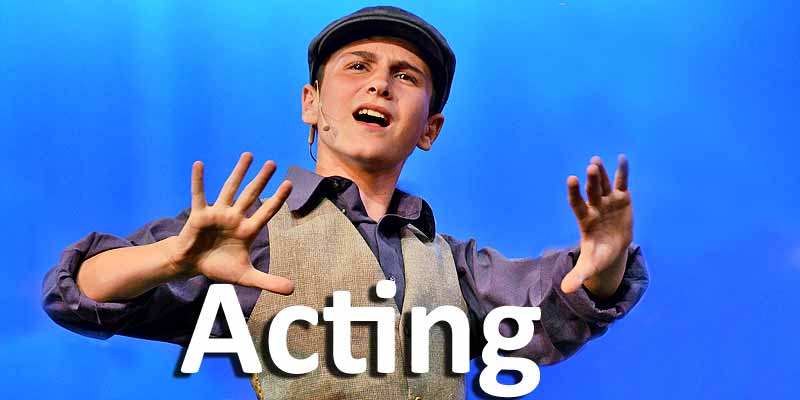
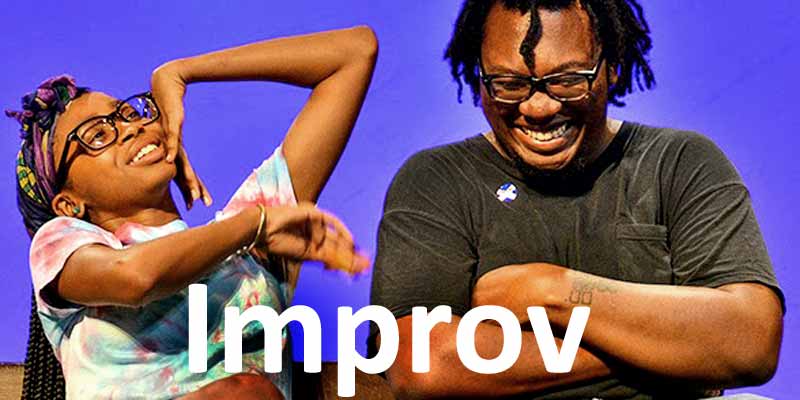
At performing arts camps, students also gain a better understanding of how different forms of expression intersect.
Benefits of this exposure include:
- Improved creativity through cross-disciplinary influence
- Greater adaptability in artistic approaches
- Increased collaboration with peers from different backgrounds
This approach supports well-rounded development, allowing students to refine their primary focus while gaining new inspiration from other art forms.
Structured Critique and Artistic Development
A major difference between school programs and advanced camps is the emphasis on critique. Constructive feedback is a standard part of professional artistic growth.
In summer arts camp programs, students regularly present their work for discussion. This process helps them:
- Articulate their creative ideas
- Accept and apply feedback
- Refine their artistic decisions
Critique sessions also expose students to different perspectives, which is essential for developing a mature artistic voice. Over time, this builds confidence and clarity in their work.
Building a Portfolio for Future Opportunities
For many students, one of the primary goals of attending an art summer camp in New York 2026 is to develop a strong portfolio. This is especially important for those planning to apply to art schools or specialized programs.
Camp environments support portfolio development through:
- Long-term projects with clear objectives
- Guidance from experienced instructors
- Access to high-quality materials and tools
Students leave with work that reflects both technical ability and creative thinking, which is essential for competitive applications.
Residential Experience and Creative Focus
The residential aspect of overnight art camps in New York adds another layer to the learning experience. Being immersed in a creative environment allows students to fully focus on their work without everyday distractions.
This setting encourages:
- Consistent practice and experimentation
- Strong peer interaction and collaboration
- A deeper connection to the creative process
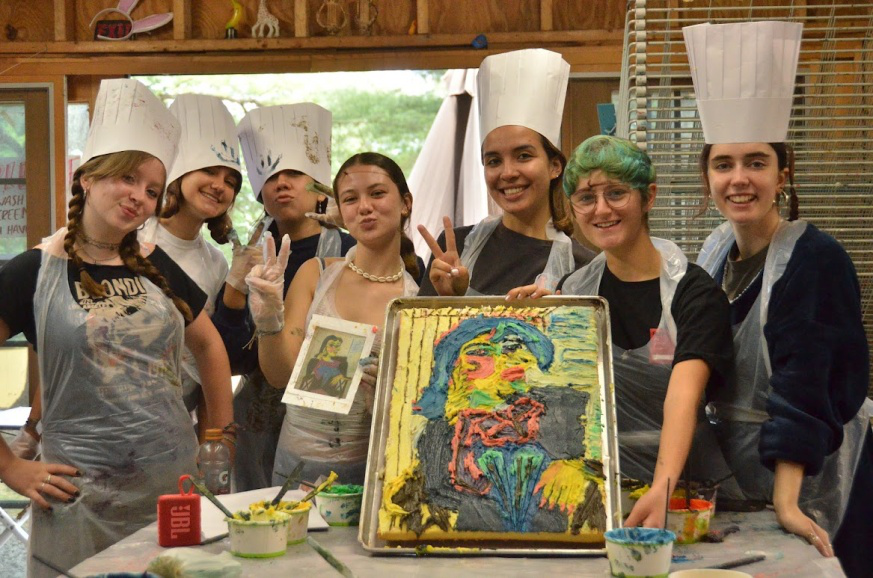
Living among other artists also creates a supportive community where ideas are shared freely. This environment often leads to stronger motivation and increased productivity.
A Foundation for Artistic Growth
Summer art programs offer more than skill development—they provide a setting where students can begin thinking and working like professional artists. Through access to advanced tools, mentorship, and structured critique, participants gain the experience needed to move beyond foundational learning.
At Long Lake Camp for the Arts, students benefit from both creative freedom and professional guidance. Our program supports individual growth while encouraging experimentation across disciplines, helping young artists refine their direction and build confidence in their work. Contact us now to learn how your student can grow in a focused and inspiring environment.
For questions or support with the enrollment process, you can reach our winter office in the NYC metro area:
199 Washington Avenue, Dobbs Ferry, NY 10522