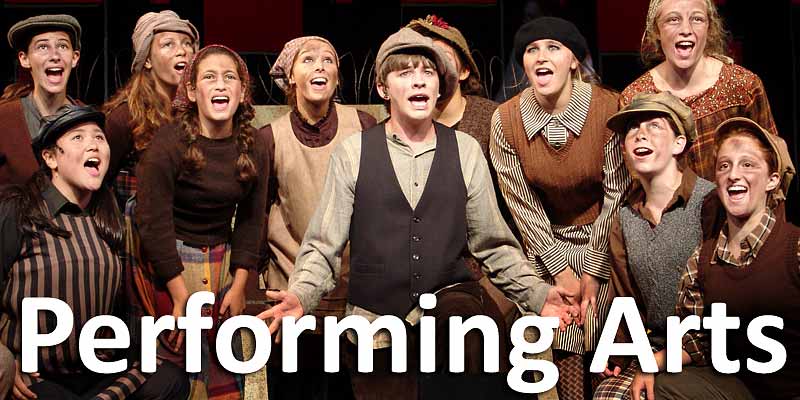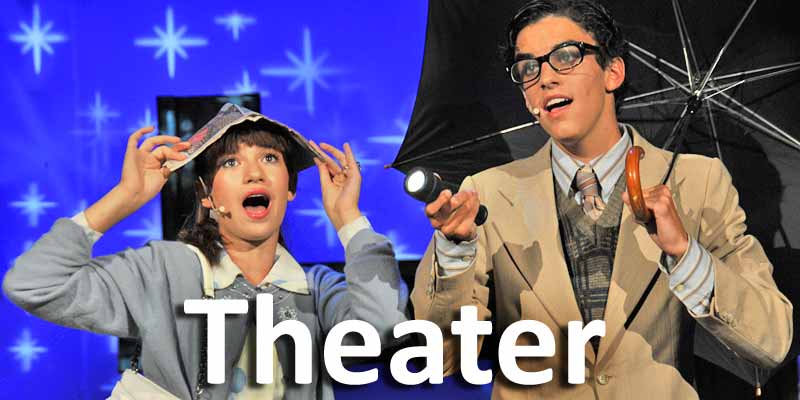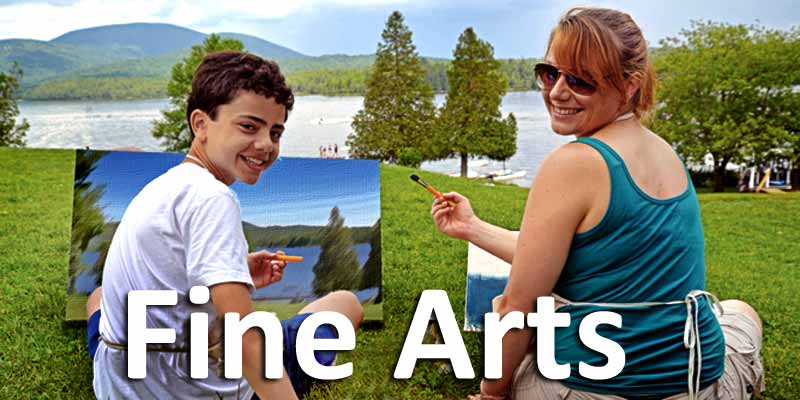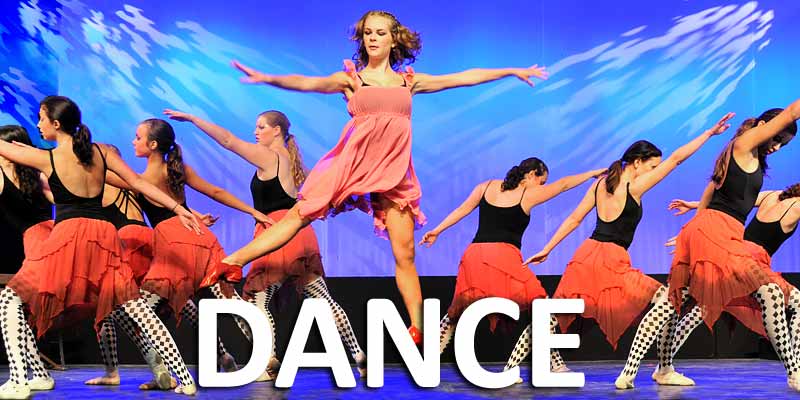
At Long Lake Camp for the Arts, summer can look very different from what you might expect at a traditional camp. One day, a camper might be learning aerial skills or practicing a new juggling pattern. Another might be helping build a set, programming lights, or working backstage on a theater production. Our performing arts summer camps give young people ages 8 to 16 room to explore creative interests that go well beyond what happens on a traditional stage.
Circus and technical theater are two programs that let campers learn by doing. They involve movement, creativity, problem-solving, teamwork, and plenty of practice. They also give campers a chance to discover interests they may not have considered before arriving at camp.
What Happens at Circus Camp?
Circus arts bring together several different disciplines, which means campers can try a range of activities rather than focusing on one single skill.
Our circus program includes opportunities to explore aerial arts, juggling, acrobatics, balance, and other circus disciplines. Campers can work with instructors to develop skills at an appropriate level while gradually becoming more comfortable with new movements and techniques.
For someone who has never tried circus arts before, the first step might simply be learning how to handle a prop or understand basic movement. More experienced campers can continue developing their skills and take on more challenging techniques.
The process is gradual. Campers practice, receive guidance, try again, and build from what they have already learned.
Going Up in the Air
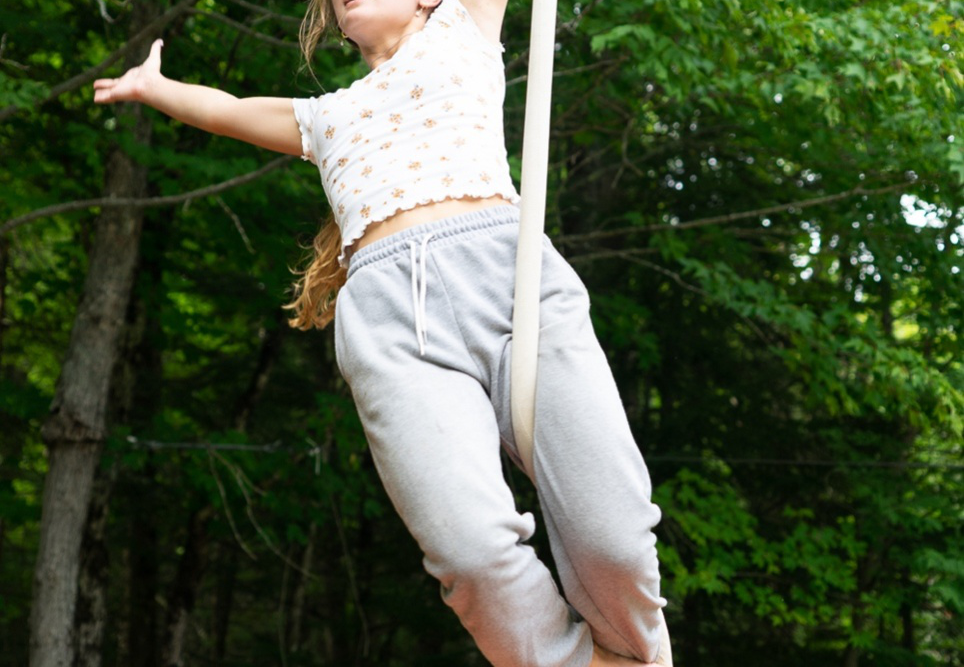
Aerial work is one of the most distinctive parts of circus arts.Research shows that age-appropriate risky play is associated with increased confidence, resilience, and self-assessment skills in kids, according to findings summarized by The Conversation.
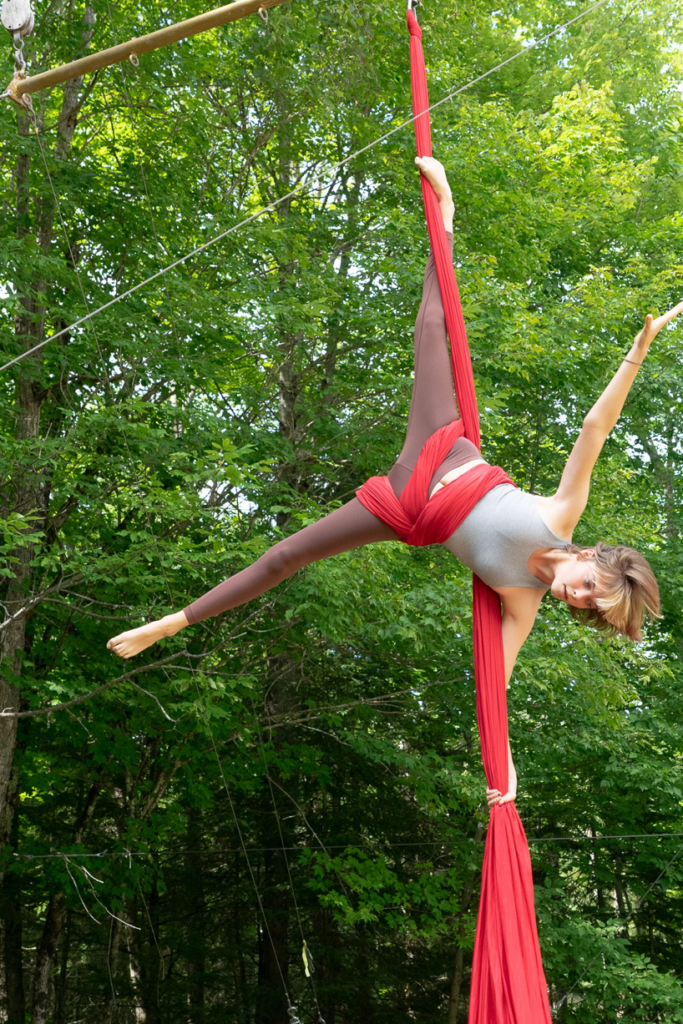
Campers may have opportunities to work with aerial equipment and learn movements that require strength, coordination, body awareness, and concentration. These activities are taught with appropriate instruction and supervision, giving campers the opportunity to develop their skills progressively.
For young people who love movement but have never considered circus as an artistic discipline, aerial work can open up a completely new creative outlet.
It also teaches patience. A movement that looks simple when performed by someone experienced may take considerable practice to learn. Campers get to experience that progression firsthand.
Juggling Takes Practice Too
Juggling is another circus skill that can look effortless from the audience.
In reality, learning to keep multiple objects moving requires timing, coordination, concentration, and persistence. Campers can begin with basic exercises before gradually working toward more complicated patterns.
Dropping something is part of learning.
Pick it up, try again, adjust the timing, and keep going.
That process can become one of the most enjoyable parts of circus camp because campers can see their improvement directly. A skill that seemed impossible on the first day may become manageable after repeated practice.
Technical Theater: Creating What the Audience Sees
While circus campers are developing physical performance skills, our technical theater campers can be working behind the scenes to create the environments where performances happen.
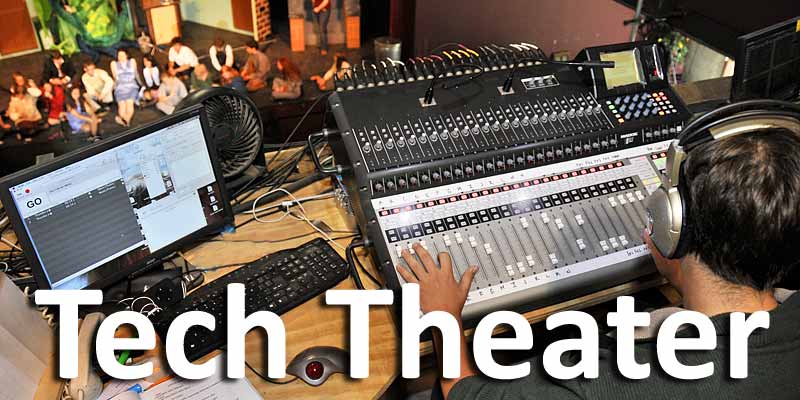
Technical theater includes areas such as set construction, props, costumes, lighting, sound, stage management, and other production responsibilities. Our campers can learn how these different elements work together to support a live performance.
This is an important part of our theater camps because theater does not stop when the actors leave the rehearsal room.
- Someone has to build the set.
- Someone has to prepare the props.
- Someone has to manage the lighting.
- Someone has to make sure the sound is ready.
- Someone has to coordinate what happens backstage.
- Technical theater gives campers opportunities to become those people.
Learning How Lighting Changes a Scene
Lighting can completely change how an audience experiences a performance.
A bright stage can create a very different feeling from a dark one. A focused light can draw attention to one performer. Changes in color, intensity, direction, and timing can help establish the mood of a scene.
Our technical theater campers can explore how lighting contributes to a production and learn the practical skills involved in creating lighting effects.
For a camper who enjoys computers, design, building, problem-solving, or working behind the scenes, this can be an especially engaging area of theater.
They may discover that they enjoy being part of a production without ever needing to step into the spotlight.
Building Sets and Solving Problems
Set construction combines creative thinking with practical work.
A production might need a bedroom, a storefront, a fantasy environment, or an entirely different setting. Technical theater campers can help turn those concepts into physical spaces that performers can use.
That process involves planning and problem-solving.
What materials should be used? How should a piece be constructed? How can it be moved safely? How will it fit into the performance space? What needs to change between scenes?
There may not always be one obvious answer.
Campers learn to work through challenges with guidance from our staff and alongside other members of the production team.
Why Try Something Completely New?
It is easy to stick with activities you already know.
Camp provides a chance to do something different.
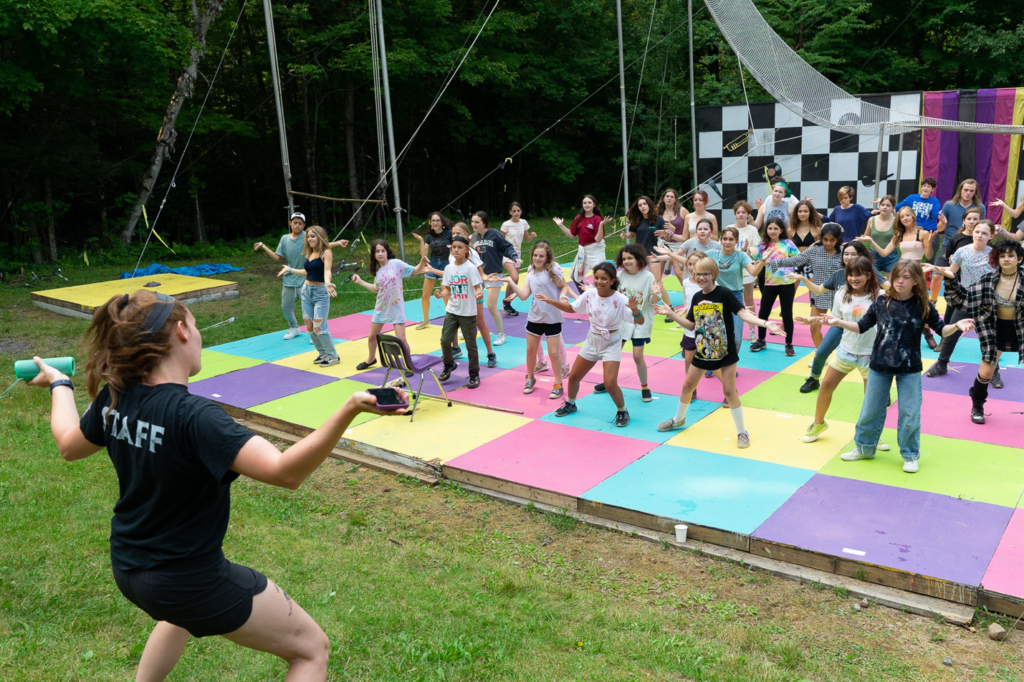
A dancer might try aerials. A musician might discover technical theater. An actor might experiment with juggling. A camper who has never performed might find that working with lights or sets is more appealing than being onstage.
Trying something unfamiliar can also make the familiar activities more interesting.
Once a camper understands what happens backstage, they may watch a theater production differently. Once they understand how much practice goes into circus skills, they may appreciate live performances in a new way.
Where Creative Curiosity Can Take You
At Long Lake Camp for the Arts, our performing arts summer camps give campers the freedom to explore creative disciplines that may be completely new to them. Our circus program offers opportunities to work on aerials, juggling, acrobatics, balance, and other skills, while technical theater gives campers ways to explore sets, lighting, sound, costumes, props, and backstage production.
For families looking at theater arts summer camps, these programs can provide a broader view of what it means to be part of the performing arts. A camper does not have to choose between being creative and learning practical skills. They can do both.
If your child is curious about circus, technical theater, or another creative program, we invite you to explore Long Lake Camp for the Arts and contact us to learn more about joining us this summer.