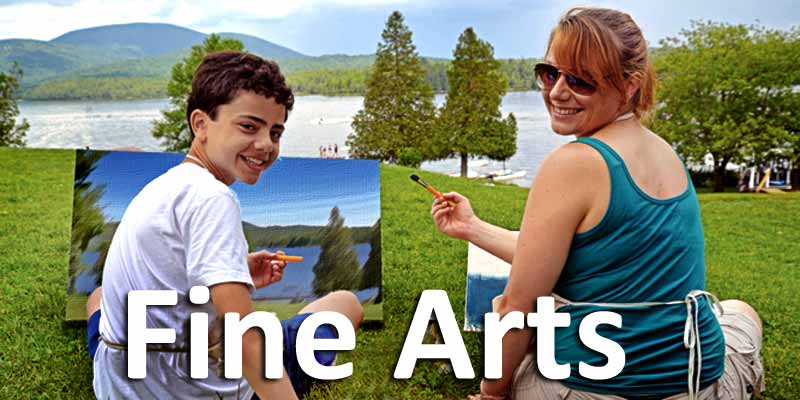
Sending a child to sleepaway camp for the first time can bring a mix of excitement and nerves. Parents may wonder how their child will handle being away from home, while kids may wonder who they will meet, what they will do, and whether they will feel comfortable in a new environment. At Long Lake Camp for the Arts, we understand that these questions are part of making a first overnight camp experience a positive one.
Our Adirondack setting gives campers ages 8 to 16 the opportunity to spend several weeks surrounded by nature, creative activities, counselors, instructors, and other young people.
For families considering overnight art camps in New York, understanding what the experience actually looks like can make the decision easier.
Start by Thinking About Your Child
There is no single personality type that is automatically ready for sleepaway camp.
Some children are eager to spend the night away from home. Others need more time to feel comfortable with the idea. Some are naturally social, while others prefer to observe before joining in.
Think about how your child handles new situations.
Have they stayed with relatives or friends before? Are they comfortable asking an adult for help? Can they manage basic personal responsibilities? Do they usually recover fairly quickly after an uncomfortable or unfamiliar experience?
These questions can tell you more than simply asking whether your child is “independent.”
A first-time camper does not have to be completely self-sufficient. They do need to be able to communicate their needs and participate in the daily routines of camp.
Talk About Camp Before They Arrive
One of the easiest ways to make a first sleepaway experience feel less mysterious is to talk about it beforehand.
Explain what you know about the schedule, sleeping arrangements, activities, meals, and time away from home. Encourage your child to ask questions, including the ones that might seem small.
They may want to know where they will keep their clothes. They may wonder what happens if they miss home. They may be curious about who they will share a cabin with.
Answer what you can honestly.
It is also helpful to avoid promising that your child will never feel homesick. Missing home can happen, even to children who are having a wonderful time. Knowing that those feelings are normal can make them easier to handle.
Choosing the Right Type of Camp Matters
Not every sleepaway camp is designed around the same experience.
At Long Lake Camp for the Arts, the focus is on the arts. Campers can explore theater, dance, music, rock bands, fine arts, circus, film, improv, technical theater, and other creative programs.
That makes our arts sleepaway summer camp environment particularly suited to young people who enjoy creating, performing, experimenting, or learning new artistic skills.
A child who already spends hours playing guitar may be excited to join a rock band. A young actor may want to rehearse a production. Someone who loves drawing may want to explore fine arts.
Having a genuine interest in the camp’s activities can make the transition easier because campers already have something they are excited to participate in.
Being Away From Home Takes Adjustment
The first day can feel different from the rest of the session.
Campers are meeting new people, learning where things are, figuring out schedules, and getting used to a new routine. Parents may also feel the adjustment because they are suddenly not seeing their child every day.
That is normal.
As campers settle in, routines become more familiar. They learn who their counselors are, meet other campers, and start participating in activities.
At Long Lake, campers live together and participate in a wide range of activities throughout their session. The shared experience gives them opportunities to form friendships and become part of the camp community.
The Adirondack Setting Is Part of the Experience
Long Lake Camp for the Arts is located in the Adirondacks, where campers spend their summer surrounded by mountains, forests, and the lake.
For a child accustomed to school, home, screens, and familiar routines, that environment can feel very different.
There are opportunities to spend time outdoors while also participating in a creative program. The combination gives campers a summer routine that includes both artistic activity and life at camp.
Families considering summer arts camp in New York can therefore look beyond the program itself and think about the overall environment their child will experience.
What About Safety and Supervision?
Parents understandably want to know how their child will be supported while away from home.
A good first-time sleepaway camp should have clear routines, trained staff, established communication procedures, and adults who understand the responsibilities involved in caring for young campers.
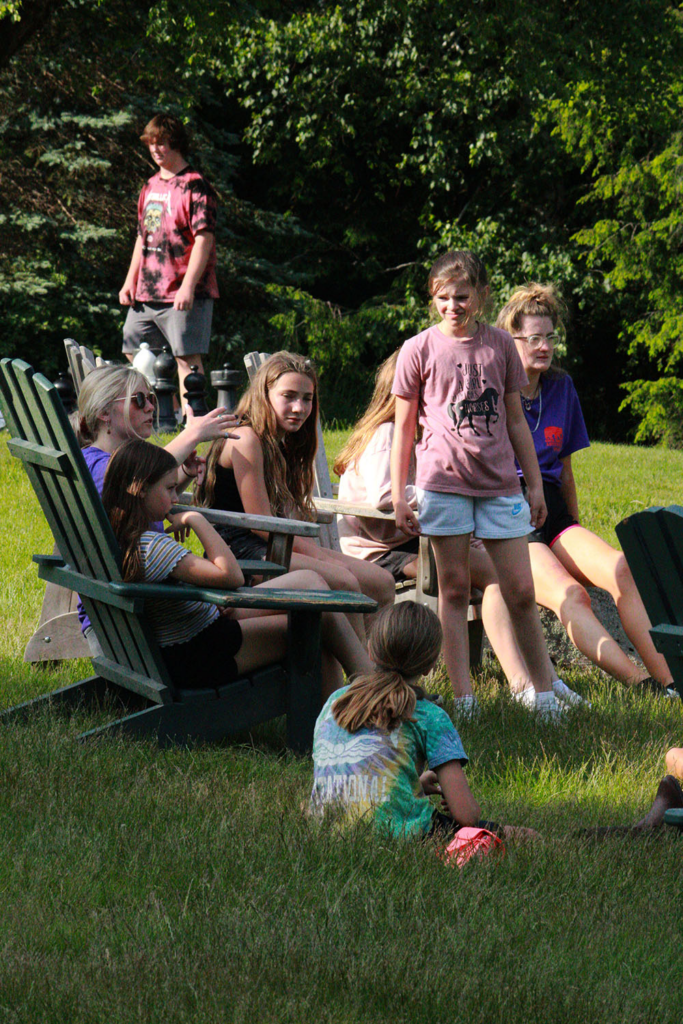
At Long Lake, counselors and instructors are part of the daily camp experience. Campers have adults they can turn to when they need help, have questions, or are dealing with something unfamiliar.
We also encourage families to contact us with questions before camp begins. Getting clear answers ahead of time can help both parents and campers feel more prepared.
Campers Get to Make Choices
Another part of adjusting to camp is learning how to make choices within a structured environment.
At Long Lake, campers have significant input into their daily schedules. With guidance, they can choose activities based on their interests.
That could mean spending time in theater one part of the day and exploring music, dance, fine arts, circus, or another program later.
This approach gives campers a sense of ownership over their experience.
They are not simply being told what to do from morning until night. They have opportunities to make decisions, discover interests, and learn what kinds of activities they enjoy most.
Friendships Take Time
Some children make friends immediately. Others need several days.
A first-time camper should not feel pressured to have a best friend by the end of the first afternoon.
Shared activities can make socializing easier because campers already have something to talk about and do together. Rehearsing a scene, practicing an instrument, working on a painting, or learning a circus skill can create natural opportunities to interact.
Over time, those repeated experiences can help friendships develop.
For many campers, the people they meet become one of the most memorable parts of the summer.
What Should Parents Pack?
Packing for sleepaway camp can feel overwhelming, but it becomes much easier when families follow the camp’s current packing guidance.
Label clothing and personal items clearly. Pack practical clothes that can handle outdoor activities and creative work. Make sure your child knows what they brought and where important items are kept.
It can also help to involve your child in packing.
When they know what is in their bag, they may feel more comfortable managing their belongings once they arrive.
Families should always check Long Lake’s current information for the most up-to-date packing requirements and recommendations before the session begins.

What If My Child Gets Homesick?
Homesickness is one of the most common concerns parents have about first-time sleepaway camp.
The important thing is to treat it as a feeling rather than an automatic sign that camp is going badly.
A child can miss home and still enjoy camp.
They can miss their family after dinner, then have a great rehearsal the next morning. They can feel nervous on the first night and become excited about their activities a few days later.
Parents can help by talking about homesickness beforehand and discussing simple ways their child can seek support from counselors or other trusted adults at camp.
Ready for a First Sleepaway Experience?
For a child who loves the arts, Long Lake Camp for the Arts can offer a first overnight experience built around creativity, community, and exploration. Our summer arts camp in New York welcomes campers ages 8 to 16, with programs spanning theater, dance, music, rock bands, fine arts, circus, film, and more.
If you are wondering whether your child is ready to join us, we encourage you to explore our overnight art camp program, review our sessions and camp information, and reach out with your questions. We are happy to help families understand what a summer at Long Lake Camp for the Arts can look like for a first-time camper.