For many parents, sending a teenager to sleepaway camp in New York raises an important question: how much independence is appropriate? Adolescence is a period when young people gradually take greater responsibility for decisions, relationships, schedules, and daily tasks.
Research from the American Camp Association (ACA) supports the value of camp in this area. Its national studies have included more than 5,000 families and found reported growth in independence, self-esteem, peer relationships, leadership, and friendship skills among campers.
For teenagers, independence at summer camps does not mean being left to manage everything alone. Instead, a well-run residential program can give young people age-appropriate choices while adults remain available for guidance, safety, and support.
Independence Starts With Having Real Choices
One of the clearest ways teenagers practice independence at camp involves making choices about how they spend their time.
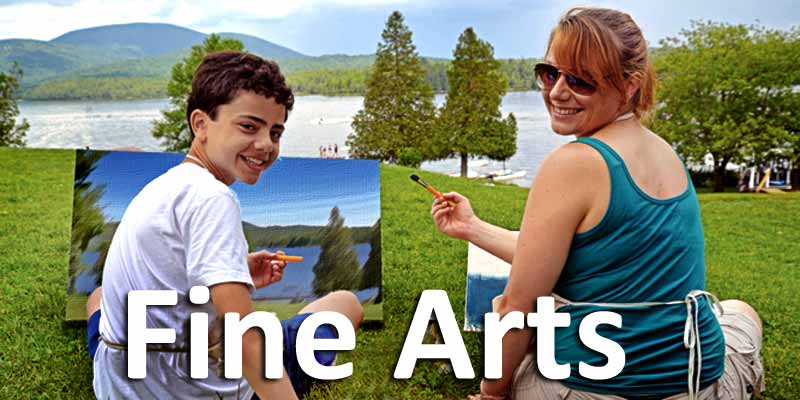
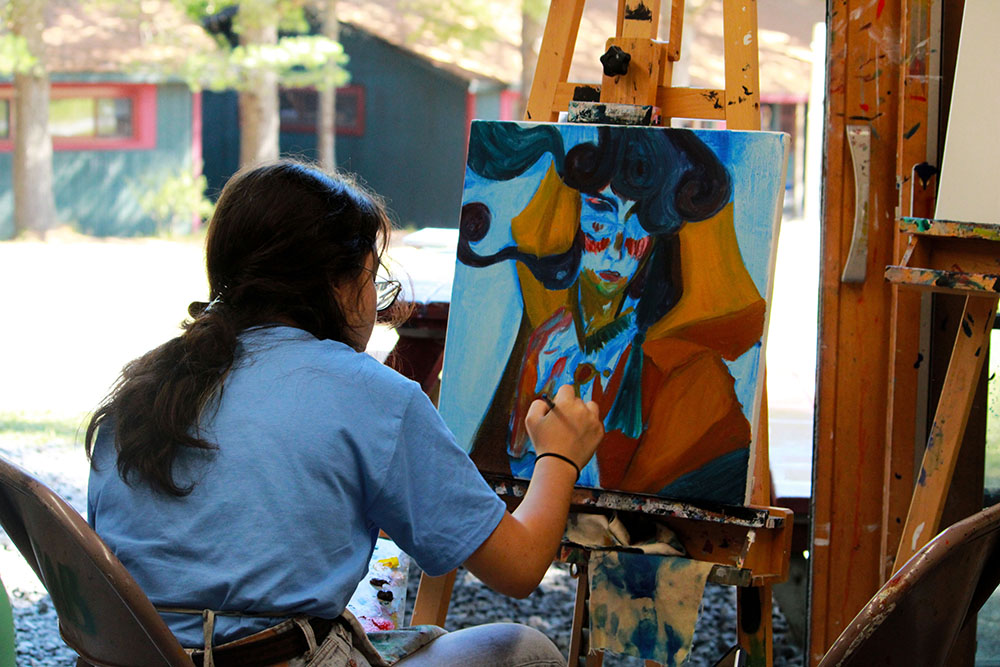
At home and school, adults usually establish much of a teen’s daily routine. Residential creative programs can provide a different experience. At Long Lake Camp for the Arts, campers can create their own schedules with guidance and choose from activities including theatre, music, dance, fine arts, film, circus, and sports. The camp states that campers can select activities throughout their day rather than follow one identical schedule.
That choice has value because the teenager must consider personal interests, commitments, energy levels, and priorities.
Group Living Teaches Responsibility Every Day
Sleepaway camp adds another dimension to independence: living with other people.

Teenagers may need to keep track of their belongings, maintain their personal space, arrive at activities on time, communicate with cabinmates, and respect shared routines. These tasks may seem ordinary, but completing them without a parent handling every reminder gives teens repeated practice with responsibility.
A performing arts sleepaway camp adds shared creative responsibilities to this experience. Rehearsals, performances, group projects, and daily activities require campers to consider how their choices affect other people.
A Flexible Schedule Still Requires Accountability
Giving teenagers choices does not mean giving them unlimited freedom without structure.Healthy independence develops when young people make decisions within reasonable boundaries. Camp can provide those boundaries through activity periods, meals, rest periods, group meetings, and evening routines.
This model gives teenagers practice balancing freedom with responsibility. If a camper chooses to participate in a theatre rehearsal, they have to remember when and where that rehearsal takes place. If they choose music, dance, or fine arts, they still need to manage their time around meals, rest, and other commitments.
These are small decisions, but they resemble the type of time-management choices young people will make in college, employment, and adult life.
Learning to Ask for Help Is Part of Independence
Parents sometimes associate independence with doing everything without assistance. In reality, healthy independence also includes knowing when to ask for help.
A teenager who tells a counselor that they are confused about their schedule, asks a teacher for feedback, or speaks with a cabin leader about a disagreement is practicing self-advocacy. They recognize a problem and take action instead of waiting for a parent to solve it.
At a supportive summer performing arts camp, staff can guide while allowing campers to make appropriate choices themselves. This gives teenagers room to practice decision-making without removing the adult support that residential programs require.
Parents Can Support Independence Before Camp Begins
Parents can help teenagers get more from the experience by gradually handing over appropriate responsibilities before departure.
A teen might pack their own belongings using a checklist, keep track of personal items, review the camp schedule, or think through what they would do if they felt uncertain about an activity. Parents can also discuss when they should ask a counselor for assistance.
The goal is not to make a teenager responsible for everything. It is to give them opportunities to handle tasks that match their age and readiness.
Why Creative Residential Programs Can Be Different
A summer arts program combines several experiences that teenagers may not encounter together during the school year: living with peers, making daily choices, participating in creative work, managing personal responsibilities, and receiving guidance from adults outside their family.
For a teenager who wants to spend the summer performing, a performing arts camp in New York can provide opportunities to make decisions within a supportive community. A camper might spend one period rehearsing, another working on visual art, and another participating in music or outdoor activities.
That variety gives young people repeated chances to decide what they want to do, follow through on commitments, and adjust when plans change.
Independence Grows Through Practice
Independence does not appear overnight when a teenager turns 18. Young people develop it through repeated opportunities to make decisions, manage responsibilities, solve everyday problems, communicate with others, and recognize when they need support.
Sleepaway camp can provide a practical setting for that growth. For families considering a creative summer experience, Long Lake Camp for the Arts gives teenagers room to make choices about theatre, music, dance, fine arts, and other activities while living within a structured residential community.
Contact us now to learn more about its residential arts programs today.
For questions or support with the enrollment process, you can reach our winter office in the NYC metro area: 199 Washington Avenue, Dobbs Ferry, NY 1052