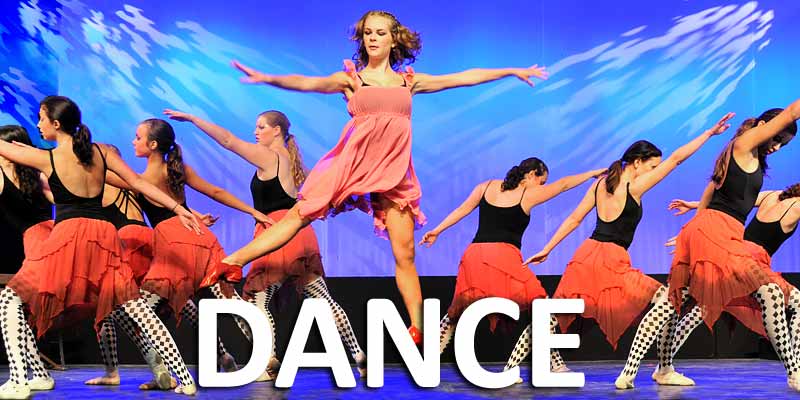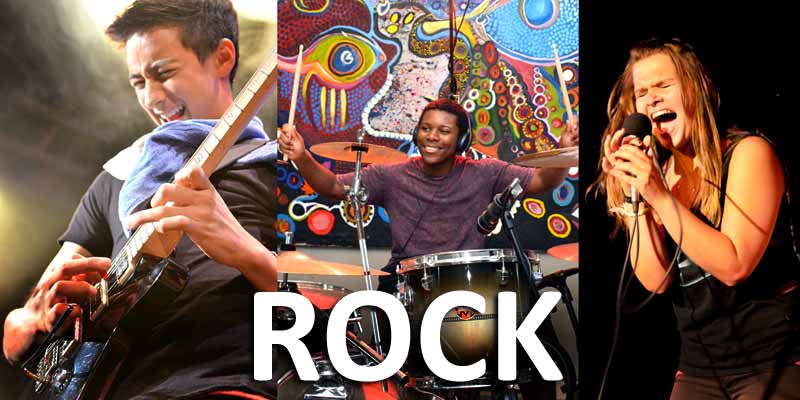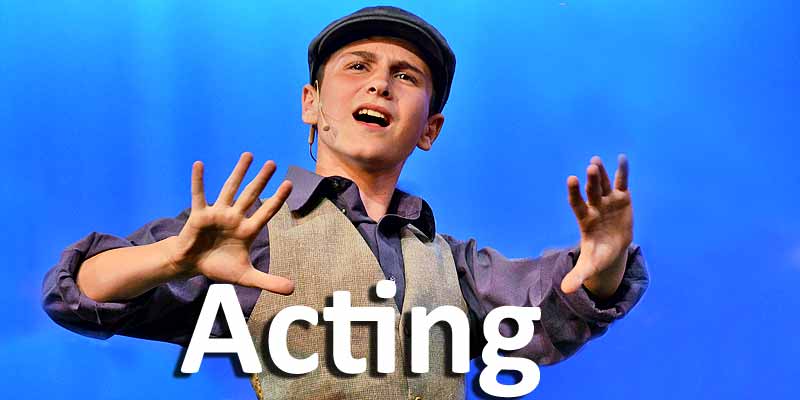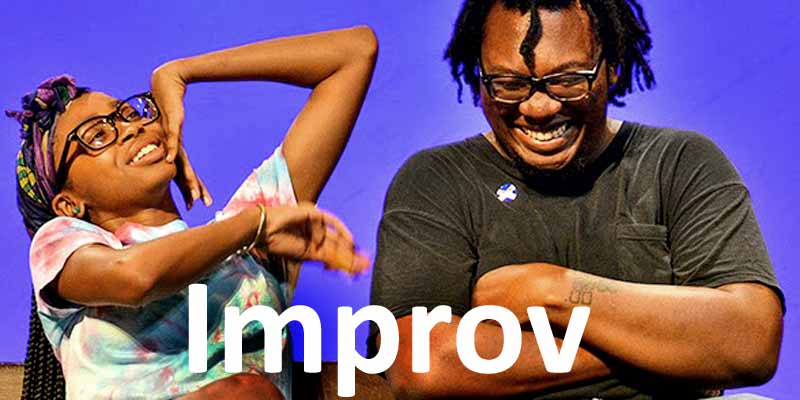
For many teenagers, school friendships can feel firmly established. Students may already have their social groups, reputations, and routines, making it difficult to meet people outside familiar circles. New York Summer camp can offer a different setting where those labels carry less weight.
Research from the American Camp Association, involving more than 5,000 families across 80 accredited camps, found reported growth in peer relationships, friendship skills, self-esteem, independence, and social comfort. More recent ACA research with nearly 80 camps also found that high-quality camp experiences were associated with belonging, supportive relationships, interest-driven activities, and social-emotional development.
Let’s look at why a change of setting can make such a difference.
A New Setting Can Change Social Expectations
School environments often come with years of history. A teenager may be known as the quiet student, the athlete, the theater kid, the musician, or someone who rarely speaks in class. These labels can influence how peers approach them and, sometimes, how they see themselves.
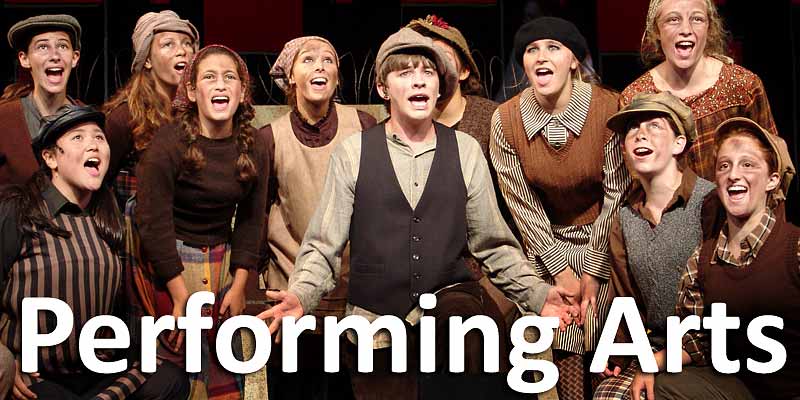
At a summer camp, teenagers meet people without prior assumptions. A camper does not have to carry an old reputation into every conversation. This can be particularly valuable at performing arts summer camps, where teens immediately have something meaningful in common. Instead of beginning with “Which school do you attend?” conversations may start with music, acting, filmmaking, comedy, visual art, or performance.
The result can be a more natural starting point for friendships.
Shared Interests Make Conversation Easier
Making new friends can feel difficult when teenagers have little common ground. Creative activities change that equation.
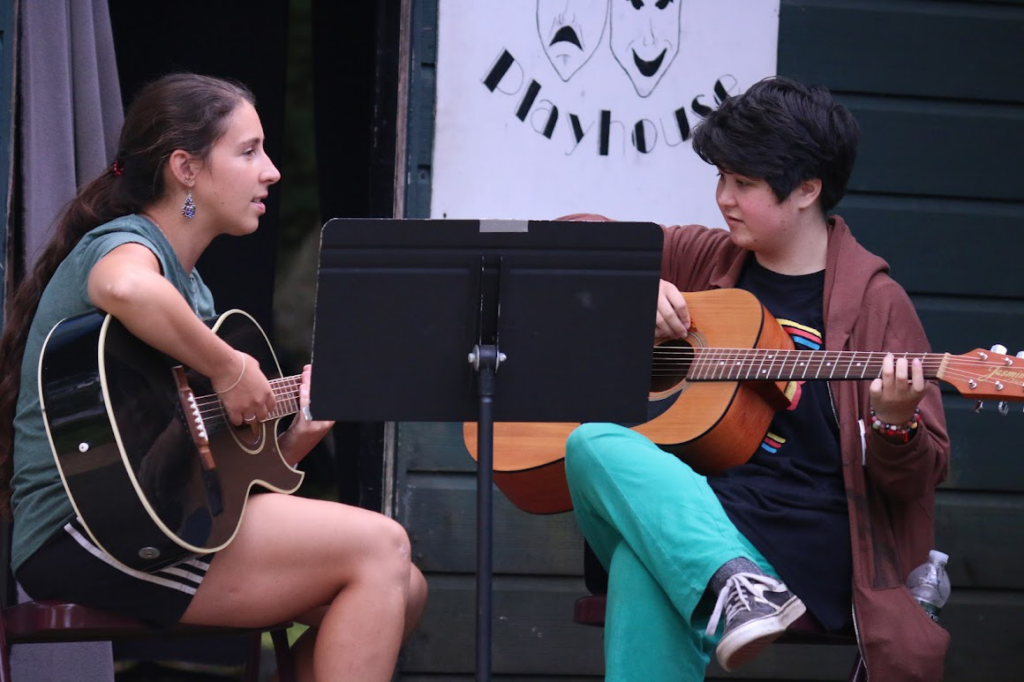
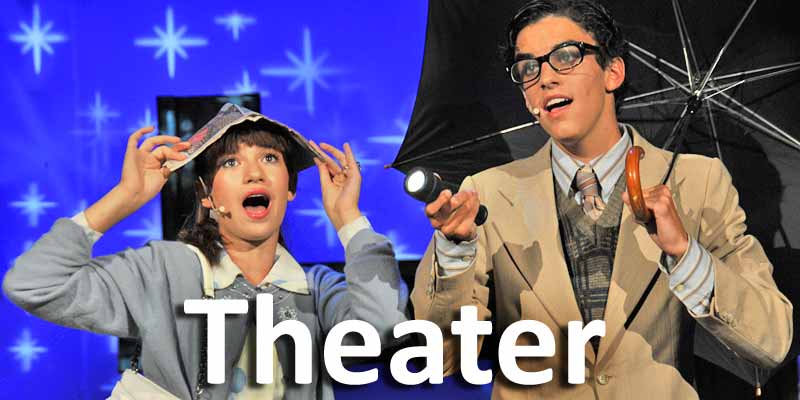
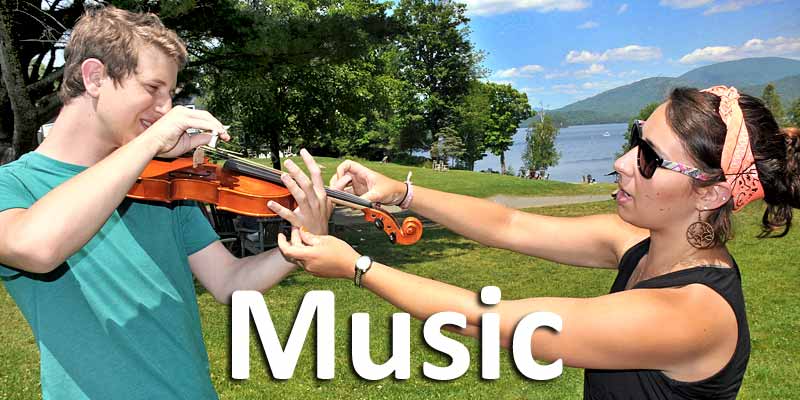
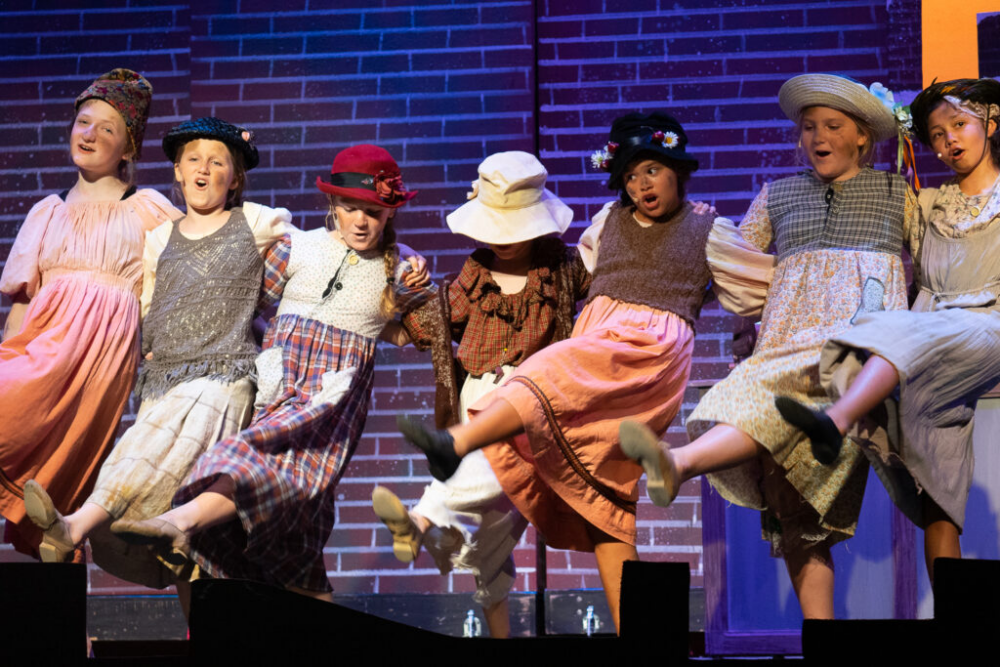
At theater camps, for example, campers may rehearse scenes together, create characters, perform productions, or participate in workshops. Music provides another social bridge. A music camp for teens can bring together young musicians with different backgrounds but similar interests. A camper interested in guitar might connect with someone who enjoys songwriting, while another teen may discover a shared interest in rock music.
These shared activities give teens something to talk about and accomplish together.
Collaboration Creates Natural Friendships
Friendship often develops through repeated interaction rather than a single conversation. Creative camps provide many opportunities for that interaction.
Research from the ACA has found that camp experiences can support peer relationships, teamwork, relationship skills, and social comfort. Its research involving more than 7,600 campers ages 10 to 18 also identified supportive relationships with peers and adults and opportunities for skill development as important features of camp environments.
This makes performing arts camps in New York different from a social gathering where teenagers simply happen to be in the same place. Activities provide a shared purpose.
Social Media Does Not Have to Define the Friendship
Teen friendships now exist alongside an enormous digital social environment. Group chats, social platforms, short-form videos, gaming communities, and messaging apps can keep young people connected, but online interaction does not always provide the same experience as spending time together in person.
A summer camp places teenagers in a setting where face-to-face interaction happens throughout the day.
At a performing arts camp, campers may sit together during meals, rehearse in groups, attend workshops, watch performances, or simply talk between activities. These ordinary moments can matter just as much as formal programming.
Creative Activities Give Shy Teens Multiple Ways to Connect
Not every teenager wants to walk into a room and immediately start talking to strangers. Creative programs can offer quieter entry points into social interaction.
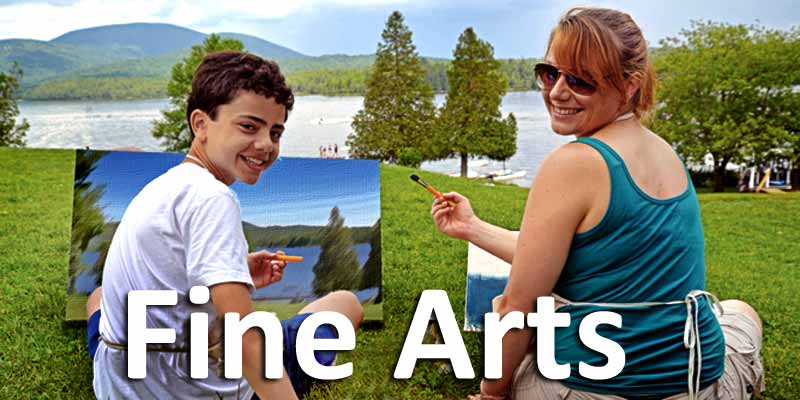
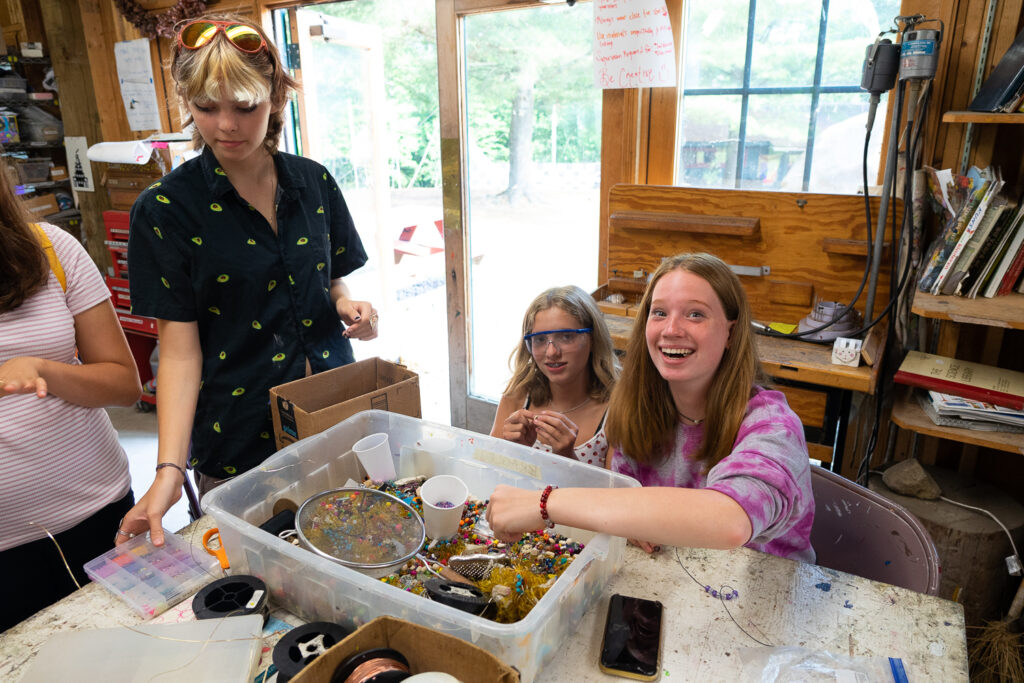
A camper might first connect with someone while working on a costume, practicing choreography, playing an instrument, designing artwork, or preparing a scene.
That is one reason theater arts summer camps and multidisciplinary programs can appeal to teenagers with different personalities. Social interaction does not have to begin with a large conversation. It can start with a shared task.
A Camp Community Can Continue Beyond Summer
Some camp friendships last well beyond the final performance or closing day. Shared experiences can give teenagers stories, traditions, inside jokes, and memories that provide a foundation for continued communication.
This does not mean every camper will immediately form lifelong friendships. Social development differs from one teenager to another. However, research indicates that supportive camp environments can provide meaningful opportunities for peer connection and social-emotional growth.
For families considering summer arts camp in New York, the social environment deserves as much attention as the activity list.
A Fresh Start Can Begin With a New Community
Teenagers do not necessarily need to leave their existing friendships behind to benefit from a fresh social environment. A summer camp can simply give them another place to meet people, try unfamiliar activities, collaborate, and express themselves without the expectations attached to their school identity.
For parents considering performing arts summer camps, the social benefits can be just as meaningful as the creative ones. A new setting can give teens opportunities to build confidence, practice communication, and form friendships around shared interests.
Long Lake Camp for the Arts offers teenagers a creative summer community where they can participate in theater, music, dance, and other arts while building connections with peers from different backgrounds.
Contact us now to learn more about its summer programs and enrollment opportunities.
For questions or support with the enrollment process, you can reach our winter office in the NYC metro area: 199 Washington Avenue, Dobbs Ferry, NY 10522