For years, a “productive summer” meant internships, test prep, and resume-building activities stacked back to back. That definition is starting to shift.
More parents are choosing an art camp for teens instead, and it’s not because they’ve stopped caring about their teen’s future. It’s because they’re rethinking what actually prepares a teenager for it.
The Problem With Productivity Culture
Somewhere along the way, summer stopped being a break and became another season to optimize.
Teens now juggle summer coursework, competitive internships, and extracurricular resume-building, often with barely more downtime than during the school year.
Some families describe summers that look almost identical to the school year, just without the classroom. Every week has a purpose attached, and free time can start to feel like something to justify.
Mental health experts have noted that this constant scheduling can leave teens feeling exhausted rather than accomplished, according to St. Luke’s Penn Foundation.
What Gets Lost When Every Hour Is Scheduled
A packed, achievement-focused summer can crowd out the very things that help teens grow the most.
Time to explore an interest with no grade or outcome attached
Space to be bored, which often sparks genuine creativity
Room to build friendships that aren’t tied to a shared class or team
A break from constant evaluation and comparison to peers
The American Psychiatric Association has pointed out that unstructured time helps young people recharge and discover new passions, something a fully booked schedule rarely allows.
It’s worth noting that boredom itself isn’t the enemy here. A little bit of it often turns out to be exactly what sparks a teen’s next creative idea.
Signs a Teen Might Need This Kind of Summer
Not every teen needs the same reset, but a few signs tend to show up often in teens who are running on empty by June.
Dreading the idea of one more scheduled commitment
Talking about activities in terms of resumes rather than genuine interest
Losing enthusiasm for a hobby they used to genuinely enjoy
Feeling anxious about downtime instead of relieved by it
If several of these sound familiar, a summer built around creative exploration rather than achievement might be exactly what’s needed.
Why Arts Camp Is Winning Parents Over
An art camp for teens offers something in between a resume-building program and total unstructured downtime.
Campers are genuinely busy, rehearsing, performing, and creating daily, but the goal isn’t a line on a college application. It’s growth for its own sake.
That distinction matters. Teens still build real skills, discipline, and confidence, just without the constant pressure of it needing to lead somewhere specific.
It’s a subtle shift, but it changes how a teen experiences the whole summer, from something to survive into something to actually look forward to.
The Research Behind Unstructured, Passion-Led Time
Organizations that study teen wellbeing have reached similar conclusions about the value of protecting genuine downtime.
Challenge Success, a nonprofit affiliated with Stanford University’s Graduate School of Education, recommends that teens have unstructured time to pursue hobbies and interests purely for enjoyment, not achievement.
Similarly, the Child Mind Institute has found that many parents specifically want their teens using summer to explore and create, rather than simply add another credential.
Taken together, this research points to the same conclusion many parents are reaching on their own: a summer doesn’t need a measurable outcome to be worthwhile.
What This Looks Like in Practice
At Long Lake Camp for the Arts, we see this shift firsthand every summer.
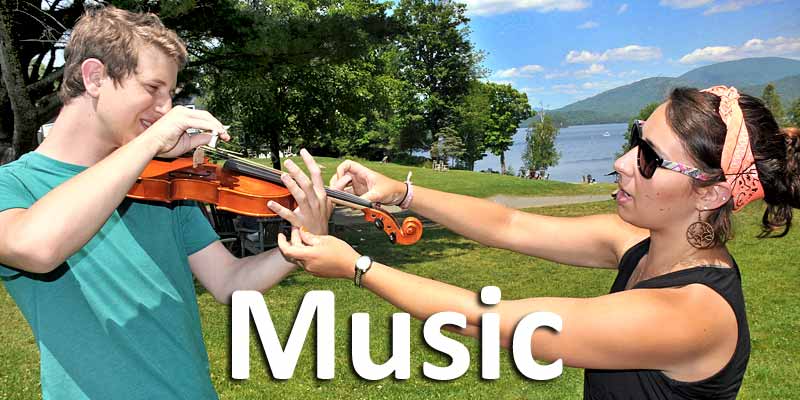
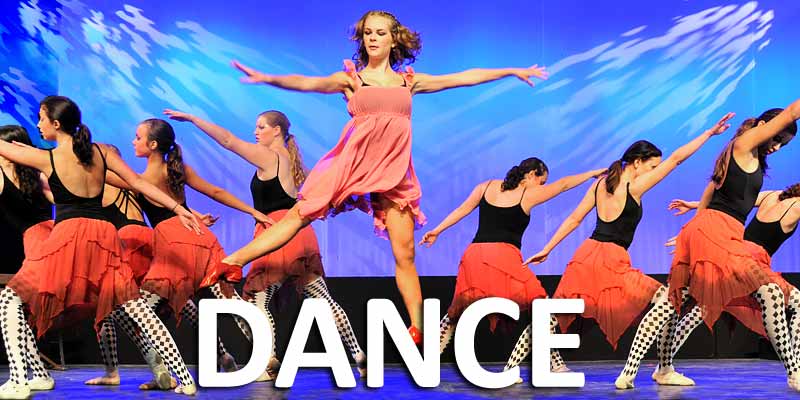
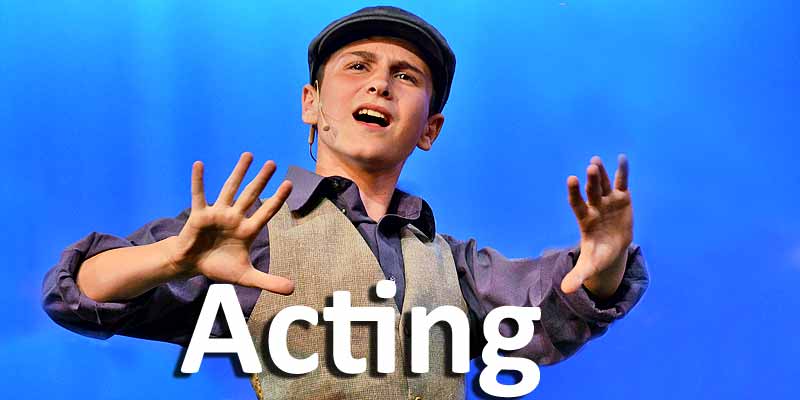
Parents increasingly tell us they want their teen to have a summer that feels genuinely restorative, not just another item to manage. Choice-based programming across theater, music, and dance gives teens room to follow their own curiosity rather than a fixed, achievement-driven track.
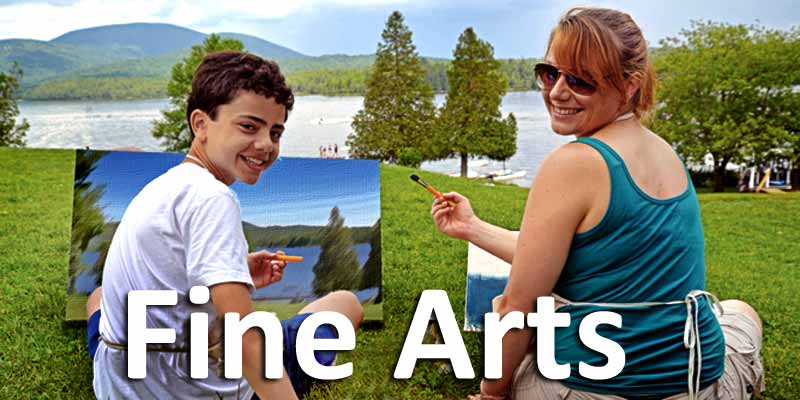
A teen who spends six weeks writing songs, rehearsing a lead role, or finally finishing a painting they’re proud of comes home with something a resume line can’t capture: genuine enthusiasm for what they just did.
That enthusiasm tends to carry into the school year, too. Teens who feel recharged rather than depleted often bring more energy back to their regular activities in the fall.
What Parents Tell Us They Notice
Parents often describe a specific shift by the end of a session. Their teen comes home talking about a show or a song, not about what it might look like on an application.
That shift in tone, from obligation to genuine enthusiasm, is usually the clearest sign the summer did what it was supposed to do.
Redefining What “Productive” Actually Means
None of this means achievement doesn’t matter. It means parents are starting to separate two different questions:
Did my teen accomplish something measurable this summer?
Did my teen actually grow, recharge, and discover something about themselves?
A strong arts program can answer yes to both. Campers build real technical skill and creative confidence, while also getting the rest and self-directed exploration that a resume-driven summer rarely allows.
That combination is exactly what more parents are looking for as they plan next summer, and it’s reshaping how many families define a summer well spent.
For families weighing a summer arts camp in New York against a more traditional summer plan, that balance is often the deciding factor, especially for a teen who’s been running on empty since spring.
Curious what a genuinely restorative, creativity-first summer looks like? At Long Lake Camp for the Arts, we offer summer arts programs in New York where teens can explore theater, music, dance, and visual arts through 100% self-choice programming.
Visit our website to learn more about our programs, or contact us, and we’ll happily talk through what might work best for your teen this year.