Type a prompt into an AI tool today, and you can have a full script within minutes. Dialogue, stage directions, even a three-act structure, all generated instantly.
It’s a fair question for anyone raising a young performer: if a machine can write the words, what’s left for the humans to do? At Long Lake Camp for the Arts, the answer becomes obvious the moment a scene actually goes up on stage in front of a live audience.
A Script Is Not a Performance
A script is a blueprint. A performance is what happens when real people bring that blueprint to life in front of a room full of strangers.
Every night a play runs, it changes slightly. An actor’s timing shifts. A line lands differently depending on how the audience responds.
That variability isn’t a flaw in live theatre. It’s the entire point. No two performances of the same show are ever quite identical, and that’s part of what draws people back to the theater again and again.
Researchers studying theatre audiences have found that this unpredictability is actually central to what makes live performance feel meaningful, not incidental to it, according to research from York St John University.
What Makes an Experience Feel Truly Live
Researchers who study liveness point to a few specific ingredients that make a performance feel genuinely live, rather than just watched.
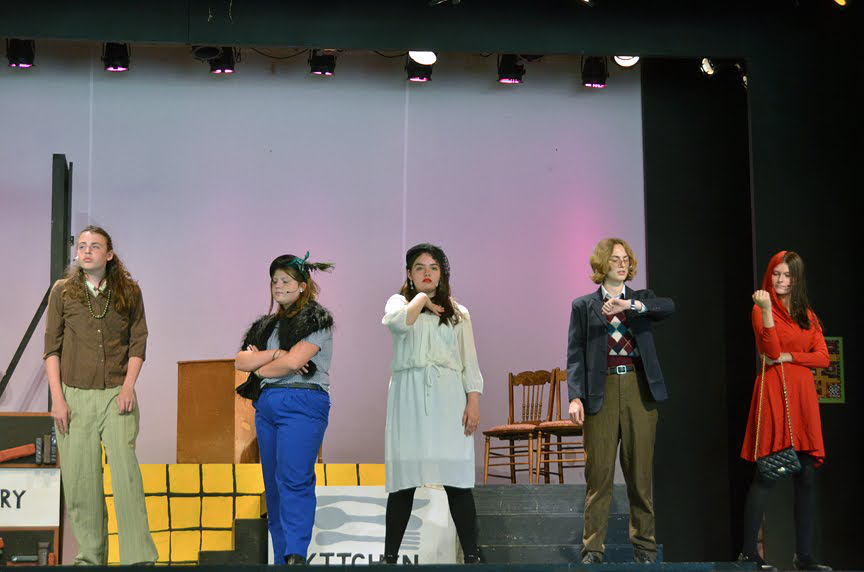
Shared memory between everyone in the room at that exact moment
Awareness that the performer in front of you is a real, present person
A sense of the audience itself, and how its energy shapes the room
The risk of imperfection, and the thrill of watching someone succeed anyway
None of these ingredients can be generated by a script alone. They only exist because real people are in a room together, at the same time, taking a real risk in front of each other.
Collaboration You Can’t Prompt Into Existence
Putting on a show involves dozens of decisions that happen only through collaboration between real people.
A director shaping a scene based on how it feels in the room, not just on paper
Actors adjusting their blocking around a scene partner’s instincts
A lighting or sound cue landing exactly on an actor’s unscripted pause
Even the most sophisticated AI tool can’t sit in a rehearsal room and feel when a scene isn’t working yet. That kind of in-the-moment judgment still depends on the people in the room.
Why Human Creativity Still Leads
AI tools are genuinely good at pattern recognition and remix. They can generate a scene in a recognizable style or draft dialogue quickly.
What they can’t do is originate meaning from lived experience, because they have no experience to draw from. Human creativity retains a distinct value tied to original thought and emotional authenticity, even as generative tools grow more sophisticated, according to research summarized via Frontiers.
Forbes has reported that as AI automates more routine tasks, distinctly human skills like empathy, judgment, and creative collaboration are becoming more valuable, not less.
What This Looks Like at Camp
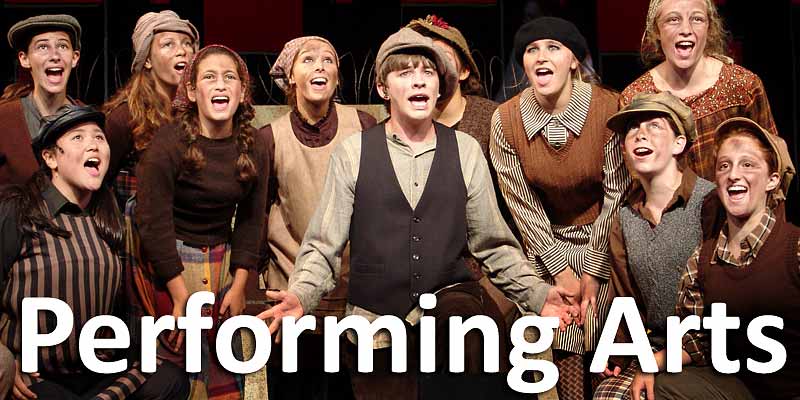
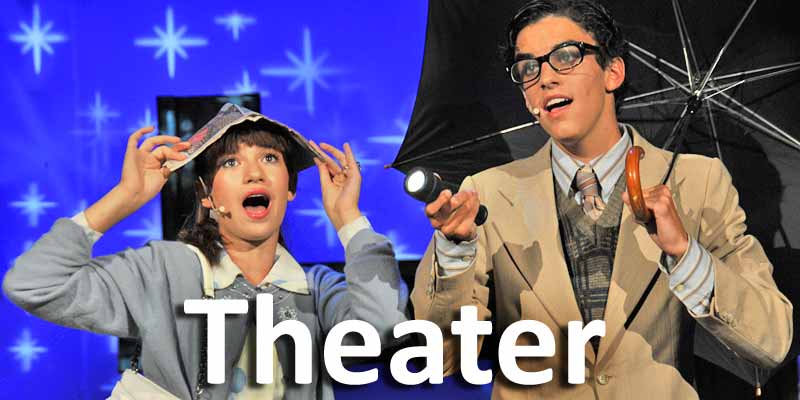
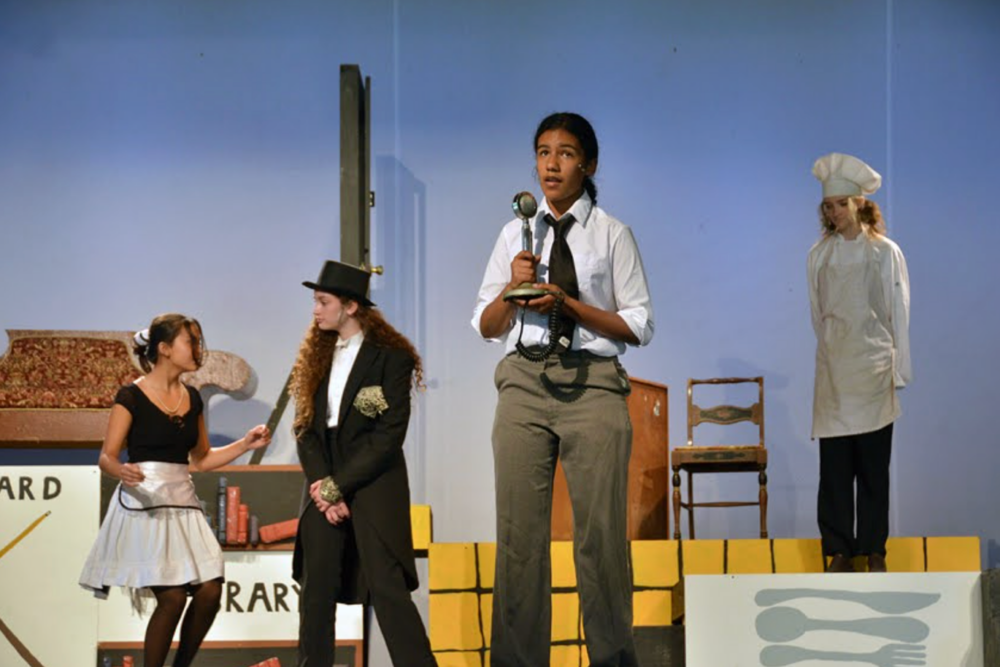
At our theater camps in New York, campers rehearse, rewrite scenes on the fly, and perform in front of a live audience every session.
The human interaction at the heart of that process can’t be replicated by a machine. Campers learn to hold a scene when a line gets flubbed, trust a partner mid-performance, and read a room in real time.
Our musical theater camp in New York programming leans directly into this. Campers write, rehearse, and stage original material alongside more traditional productions, so they experience the entire creative process firsthand.
What Kids Actually Learn From Live Performance
Beyond the craft itself, performing live teaches skills that are hard to build any other way.
Recovering gracefully when something goes wrong mid-scene
Reading an audience’s energy and adjusting pace or tone in real time
Trusting scene partners enough to take real creative risks together
Managing genuine nerves and turning them into focused energy
These are the same skills that show up later in job interviews, presentations, and everyday conversations. Live theatre just happens to be one of the most effective places to practice them.

Teaching Kids to Use AI Without Losing the Craft
None of this means AI has no place in a young performer’s world. Plenty of working writers already use AI tools to brainstorm or draft.
The goal isn’t to compete with AI on speed. It’s to build the taste, timing, and stage presence that let a performer bring any script to life in a room full of real people.
Why This Still Matters
A machine can generate content all day. It can’t feel nervous backstage before a curtain rises, or find out what a scene means by performing it in front of people a few times first.
That part is still entirely up to the performers, and it’s exactly what a genuine theatre summer camps experience is built to teach.
For families comparing theater campsummer programs, this distinction is worth asking about directly: how much of the summer is spent actually performing live, in front of a real audience, versus just learning lines.
That’s the difference between watching a script and living a musical theatre camp experience firsthand, night after night, with a live audience in the room.
Curious how Long Lake Camp for the Arts builds real, live performance experience into every session?
Visit our website to explore our theater programs, or contact us with any questions.