A summer job, a sports league, or a packed academic program used to be the default choice for teenagers. More families are now choosing something different.
Creative communities built around theater, music, dance, and visual art are drawing teens who want to be known as individuals, not just one more participant moving through a schedule. For many, it’s the first time an activity has felt like it truly fit.
What Traditional Summer Activities Often Miss
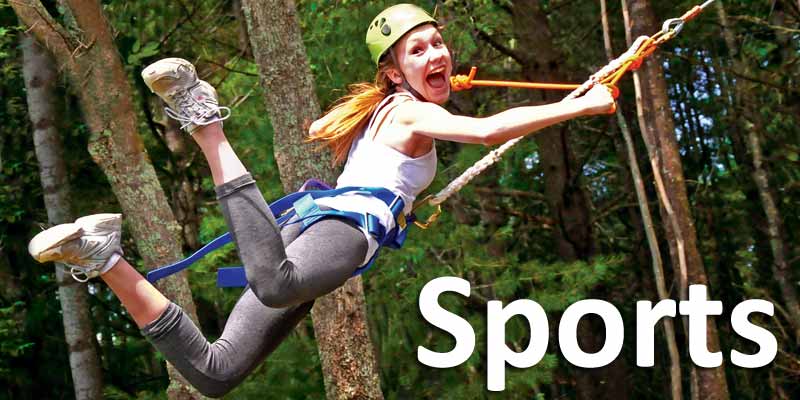
Sports leagues and structured programs build discipline and teamwork. But they’re often built around competition and hierarchy too.
Playing time gets rationed. Roster spots get cut. A teen’s value in the group can end up tied directly to performance metrics.
For a teen who’s more introverted or more artistic than athletic, that structure can reinforce the exact feeling of not belonging that adolescence already makes so common.
Why Creative Communities Fill That Gap
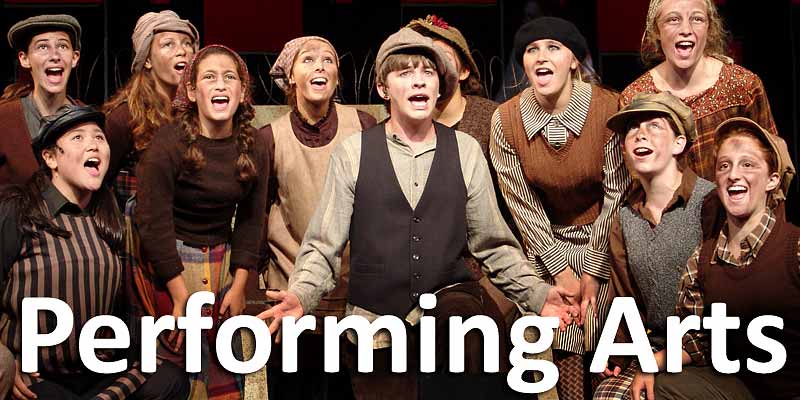
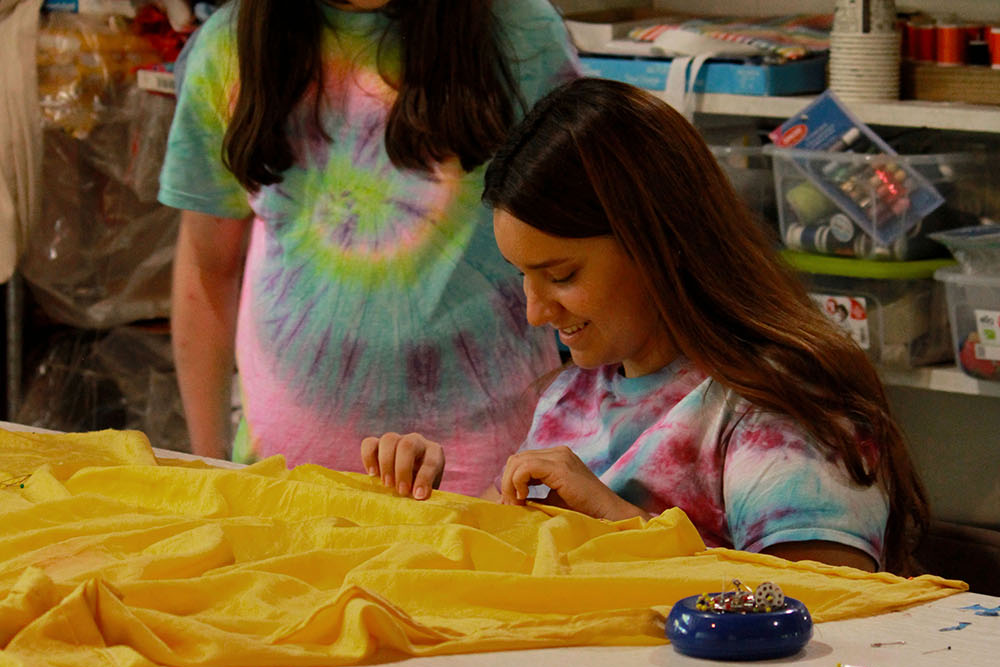
An art camp for teens in New York built around collaborative creative work runs on a different logic. Everyone in a rehearsal room or a music ensemble is working toward something together.
Strong developmental relationships, the kind built through shared creative work, are one of the clearest predictors of a young person’s overall sense of belonging, according to the Search Institute.
That sense of mattering is exactly what draws teens toward creative communities over more conventional summer options.
Shared Passion Creates Instant Connection
One of the most striking things about a strong creative community is how quickly friendships form.
Teens who felt like outsiders at school, the ones who love musical theater, rock bands, or painting, suddenly find themselves surrounded by peers who share that exact enthusiasm.
That shared passion tends to collapse social barriers fast. By the second week, strangers are often collaborating on projects like longtime friends.
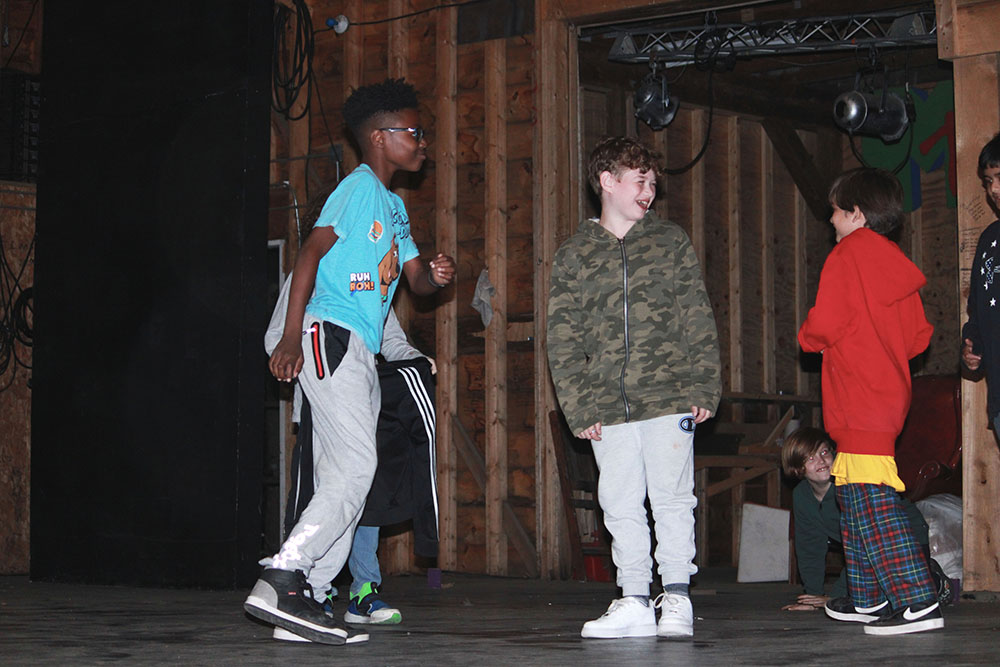
Meals, downtime, and evening performances all reinforce this. Teens aren’t just working together in a studio, they’re building an entire shared world around their summer.
It’s Not Just About Avoiding Competition
It would be easy to assume teens just want an easier summer. That misses what’s actually happening.
Teens in strong creative communities often work harder than they would in a more casual activity. A few examples we see often:
Staying late to help finish a set piece before opening night
Running lines with a scene partner outside of scheduled rehearsal
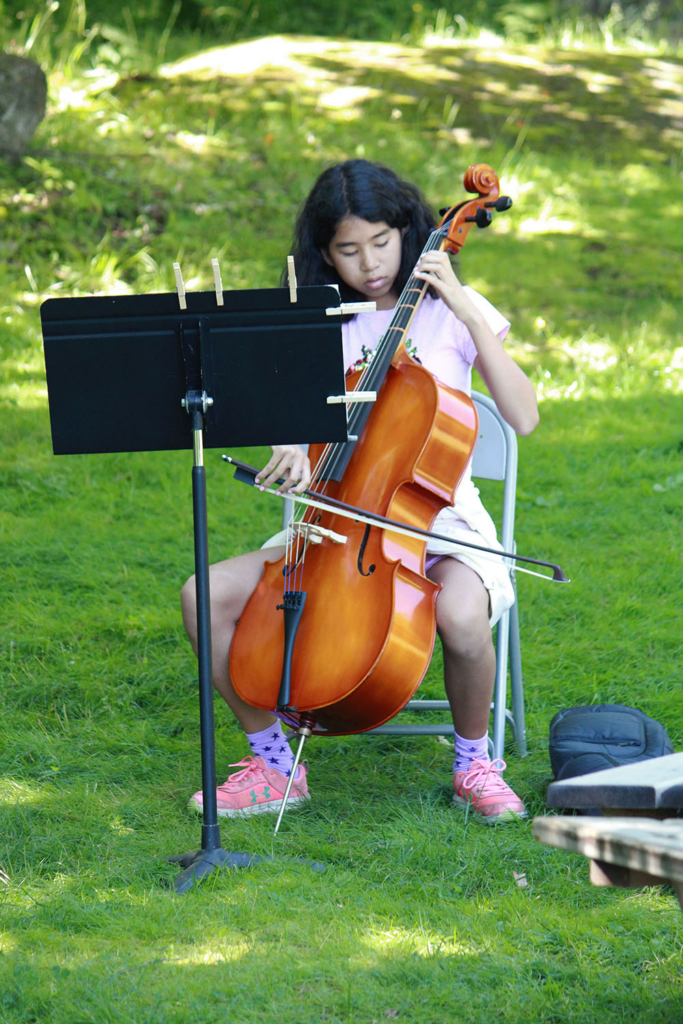
Practicing an instrument on their own time, just because they want to
The difference isn’t effort. It’s what that effort is in service of: a shared piece of work everyone cares about, not an individual ranking.
Building Skills Traditional Activities Don’t Always Reach
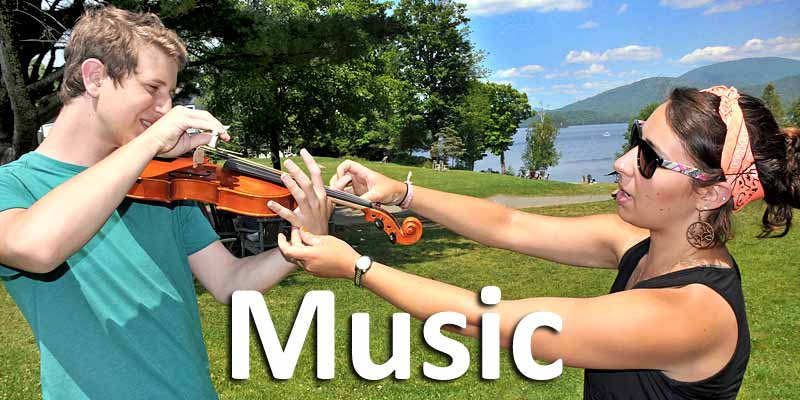
Rock music camps in New York and similar programs build a different skill set than most traditional summer activities.
Teens learn to give and receive creative feedback, collaborate on something personal, and manage the vulnerability of performing in front of others.
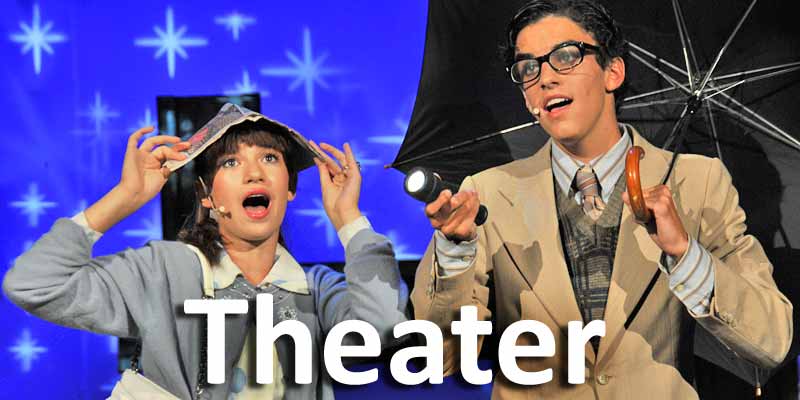
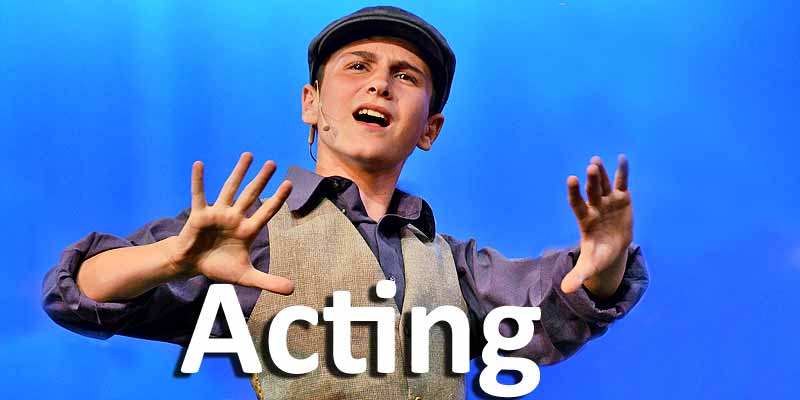
A theatre camp in New York or musical theater camp in New York asks teens to be emotionally present with each other in ways a typical job or sports practice rarely requires.
What This Looks Like at Long Lake
At Long Lake Camp for the Arts, we’ve built our program around fostering exactly this kind of community.
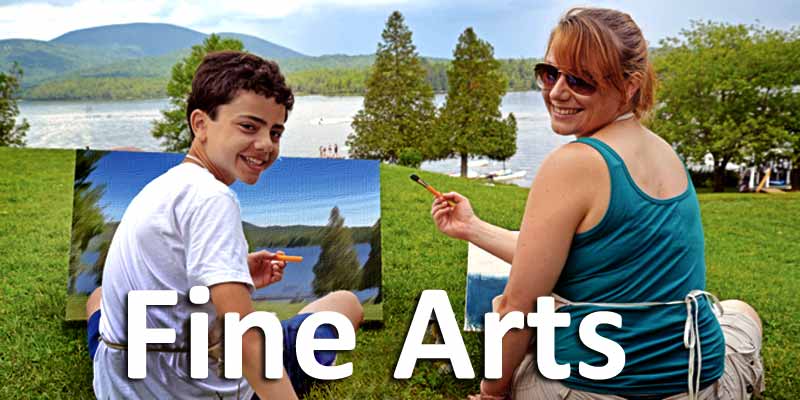
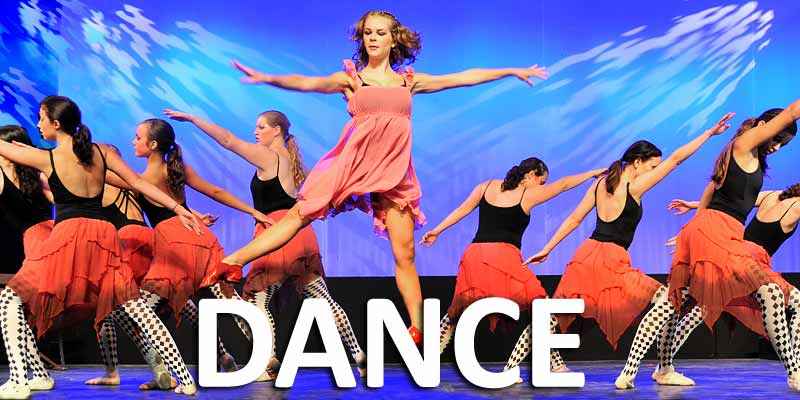
Campers move between disciplines like music and dance throughout the day, working alongside the same group of peers across rehearsals, meals, and free time.
That consistency helps real relationships form faster than they would in a program where campers rotate through unfamiliar groups every day.
We also keep our overall camper population small. In a smaller community, teens aren’t competing with hundreds of peers for a handful of meaningful roles or friendships. There’s simply more room for everyone to connect.
Signs a Creative Community Might Be the Right Fit
Not every teen is looking for the same kind of summer. A creative community tends to be a strong match for teens who show a few common signs.
They light up during school plays, band, choir, or art class more than any other subject
They’ve felt like the odd one out in sports or more traditional group activities
They crave deeper friendships built around a shared passion, not just proximity
They want to be pushed creatively without the pressure of constant ranking
If several of these sound familiar, a summer built around collaborative creative work is worth a closer look.
What Parents Notice
Parents often see the shift before their teen puts it into words. A teen who was quiet about school comes home talking through an entire summer’s worth of shows and songs.
Friendships from a creative community also tend to last. Group chats, video calls, and reunion visits often carry on well past the final day of camp.
Why This Shift Matters
Teens gravitating toward creative communities isn’t a rejection of traditional activities altogether.
It’s a sign that many are looking for something specific: a place where creative interests are the norm, and belonging isn’t conditional on winning or ranking.
For families weighing theater camps in New York against a more traditional summer plan, that difference in community is often the deciding factor. It shapes not just how a teen spends their days, but how they feel about themselves by the end of the summer.
Curious what a genuine creative community feels like day to day?
Visit our website to learn more about life at Long Lake Camp for the Arts, or contact us and we’ll happily talk through whether our community is the right fit for your teen.