For a lot of teens, the word audition carries real dread. Years of school productions, competitive dance studios, or all-state tryouts can teach young performers to associate the arts with being judged and ranked.
That association can quietly push talented kids away from the arts altogether, even ones who love to sing, dance, or act.
That’s a big part of why non-competitive arts campshave become so appealing. They offer the same creative disciplines without the constant evaluation attached to them.
Why Competitive Environments Wear Teens Down
Competition isn’t inherently bad, and plenty of teens thrive in it. But when every rehearsal doubles as a tryout for the next role, the pressure compounds fast.
Over time, that pressure can take a real toll on how a teen feels about an art form they once loved without reservation.
Perfectionistic, high-stakes environments tend to increase anxiety and avoidance rather than improve performance, according to a summary from Psychology Today.
A teen who’s spent years in that kind of environment often arrives at camp expecting the same dynamic. It takes real intention to show them otherwise.
What No Audition Actually Means in Practice
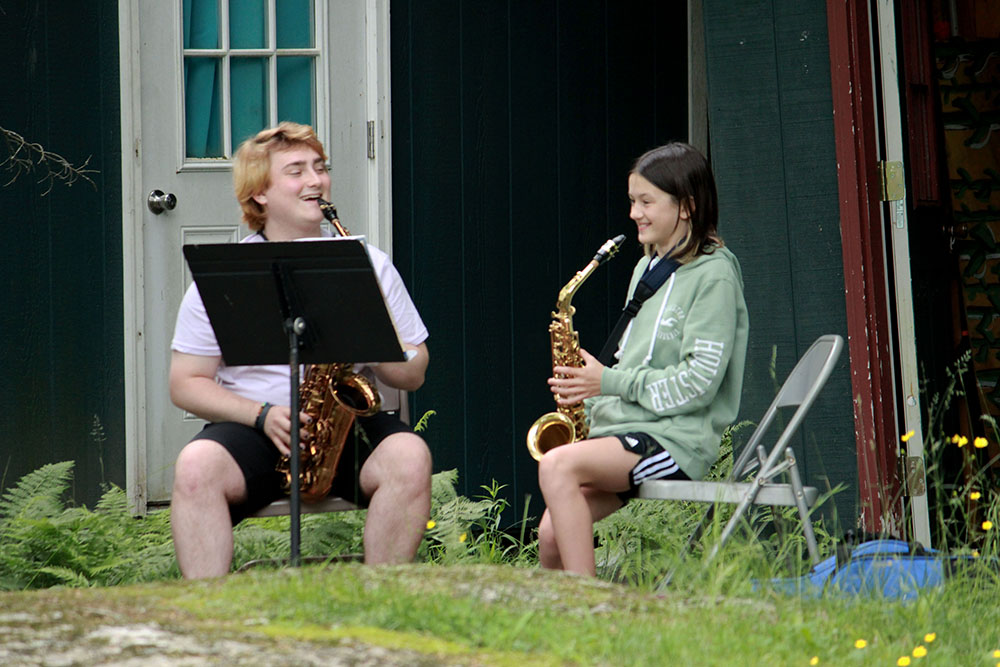
At Long Lake Camp for the Arts, no audition is required to join camp at all. Campers arrive as they are.
That might mean walking in with years of formal training, or picking up an instrument for the first time. Both are welcome.
Once settled in, campers do audition for specific shows as part of the creative process. That’s very different from needing to prove yourself worthy of attending in the first place.
It’s a small distinction that can change the entire tone of a summer for a nervous newcomer to an art camp for teens in New York.
Growth Over Comparison
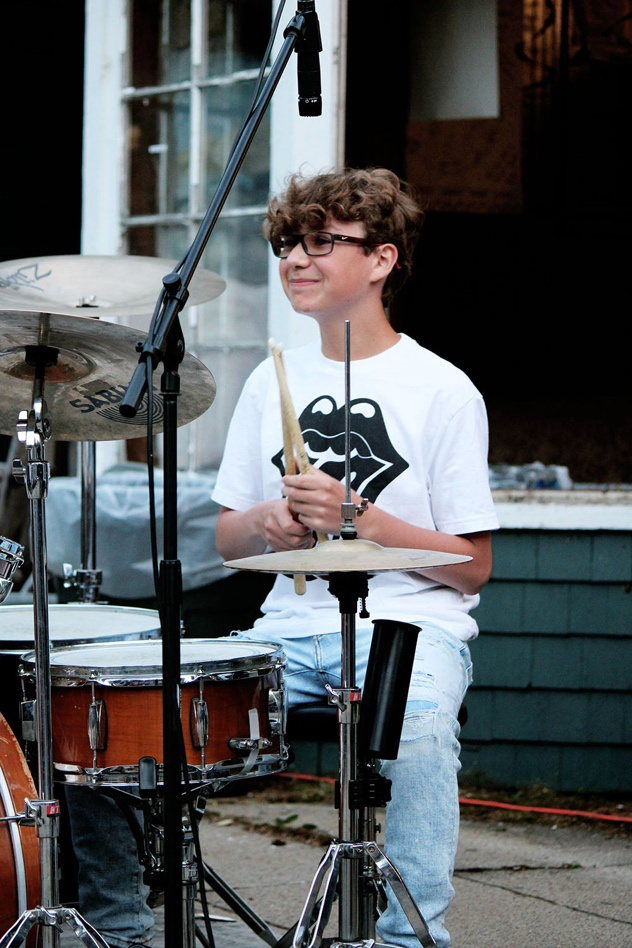
The absence of constant ranking changes how campers relate to each other, too.
Instead of quietly sizing up who got the better solo, campers tend to genuinely root for one another.
A summer at theater camps built around a non-competitive philosophy gives every camper their own version of the spotlight, whether that’s a lead role, a supporting part, or a moment in an ensemble number.
Who This Approach Is Especially Good For
A non-competitive environment tends to be a particularly strong fit for certain kinds of young performers.
Teens who’ve burned out on competitive dance, music, or theater programs
Beginners who feel intimidated by more experienced performers
Sensitive or anxious teens who shut down under high-pressure evaluation
Kids who love to create but have no interest in pursuing the arts professionally
None of this means a non-competitive camp lacks structure or serious training. It simply removes the ranking that so often gets in the way of both.
A Common Misconception About Non-Competitive Programs
Some parents worry that removing competition means lowering standards, as if non-competitive is code for less rigorous.
In practice, the opposite tends to be closer to the truth. Instructors can focus feedback on helping a camper improve without tying that feedback to a ranking. A vocal coach can tell a teen exactly what needs work without that critique feeling like a verdict on whether they belong there. That distinction matters:
Feedback aimed at growth, not at comparison to peers
Mistakes treated as part of rehearsal, not a setback to hide
Every camper given real stage time, not just the most experienced few
Why This Builds Deeper Skill, Not Just Less Stress
It might seem like removing competition would soften a program artistically. The opposite tends to be true.
When campers aren’t preoccupied with being judged, they take more creative risks. They try roles or styles they’d normally avoid, and recover from mistakes more easily during rehearsal.
A musical theatre camp that prioritizes exploration over evaluation tends to produce more well-rounded, adaptable performers over time, not less skilled ones.
What Parents Often Notice
Parents of teens who’ve struggled with competitive arts environments often notice a specific shift after a summer at a non-competitive program.
Their child talks about the experience with genuine enthusiasm instead of relief that it’s over. That difference in tone says a lot about a program’s culture.

It’s also a strong signal a teen is likely to want to return, rather than needing convincing every year.
Questions Worth Asking Any Program
If a non-competitive philosophy matters to your family, it’s worth confirming how a program actually puts it into practice.
Is an audition required just to enroll, or only for specific shows?
How does staff give feedback during rehearsals?
Are performance opportunities spread across many campers, or concentrated on a few?
The answers usually reveal more about a camp’s true culture than any brochure.
A Philosophy Built Into Everything We Do
At Long Lake Camp for the Arts, our non-competitive approach isn’t limited to how we cast shows.
It shapes how instructors give feedback, how campers support each other backstage, and how success gets defined across every discipline, from fine arts to dance.
We’ve found this philosophy is often the single biggest reason families choose us over a more traditional, audition-heavy program.
For teens who’ve spent years feeling like their worth in the arts was tied to a callback list, non-competitive arts camps offer something genuinely different: room to grow without constant evaluation attached to every attempt. That freedom is often what brings the joy back into performing.
Curious what a summer without audition pressure actually feels like?
Contact us and we’ll gladly answer any questions about our non-competitive philosophy and how it might fit your teen.