Parents often hear that children need technical skills to succeed. Digital literacy matters. Yet the workplace is changing so quickly that technical knowledge alone may not be enough. As automation handles routine tasks, employers are placing greater value on human abilities that cannot be easily copied by technology.
That is why future career skills for students now include creativity, communication, collaboration, adaptability, and emotional intelligence. Learn how these skills help young people solve new problems, work with others, and explain ideas clearly.
Creativity Helps Students Solve New Problems
Future workplaces will need people who can think beyond instructions. Employers want team members who can notice opportunities, imagine solutions, and approach challenges. Creativity is not only useful for artists. It supports leadership, entrepreneurship, science, technology, marketing, education, and healthcare.
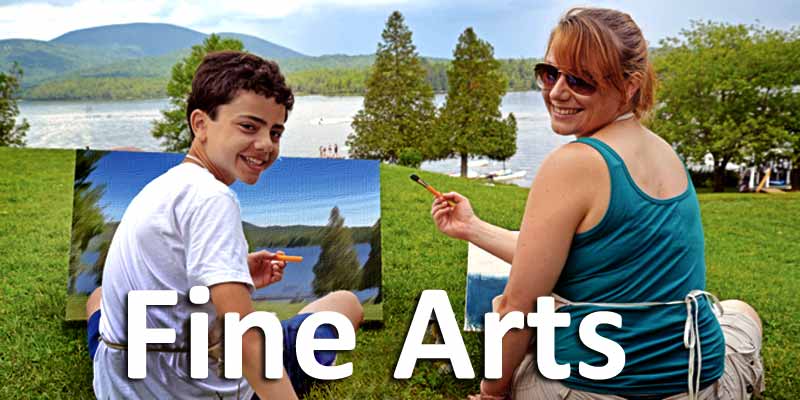
When children act in a scene, design a costume, paint a canvas, write music, or create choreography, they practice original thinking. They learn that there can be several good answers to the same question. This mindset helps students become flexible problem solvers.
Families exploring an arts camp in New York often discover that creative programs help children practice the same thinking skills valued in modern careers.
Communication Is Becoming a Competitive Advantage
Even the smartest idea needs clear communication. Students must learn how to explain thoughts, listen carefully, read the room, and respond with confidence. In future careers, strong communicators will stand out because they can connect technical knowledge with real human needs.
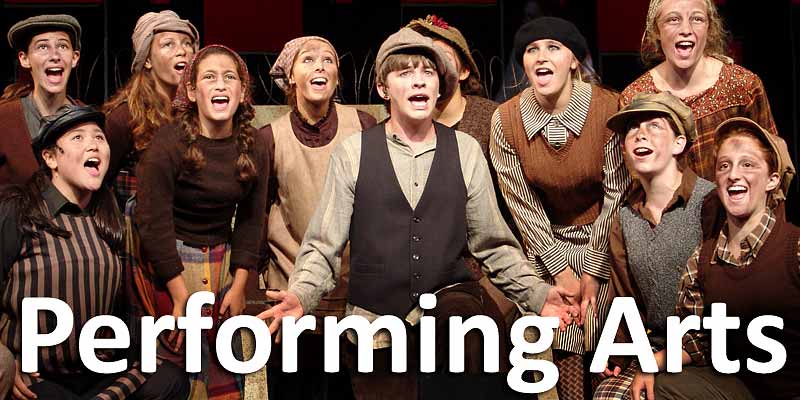
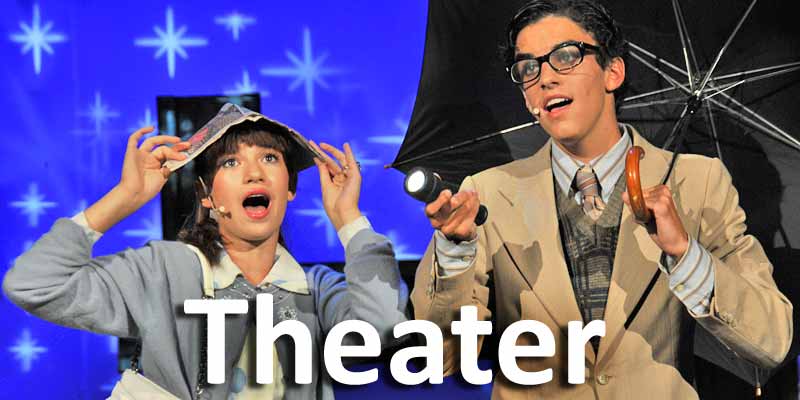
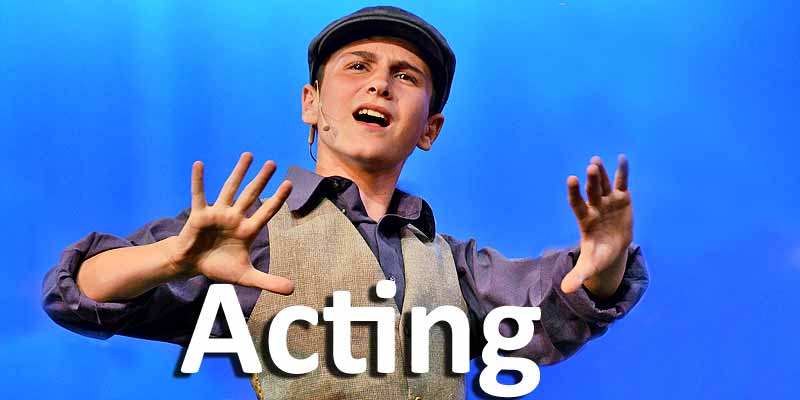
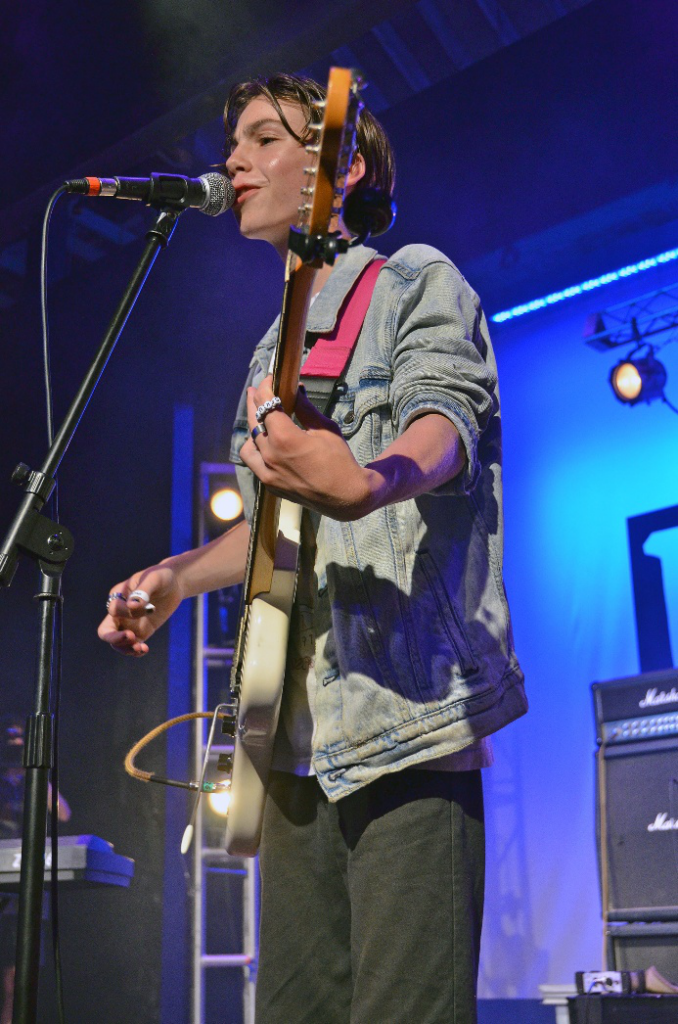
Arts strengthen communication. Theater teaches voice, expression, timing, and presence. Music teaches listening and cooperation. Dance teaches nonverbal communication. Visual arts teach students how to share meaning through color, shape, and design.
These experiences support future career skills for students because they help children express ideas clearly.
Collaboration Begins With Shared Creativity
Professional success depends on teamwork. Employees rarely work in total isolation. They brainstorm with colleagues, solve conflicts, give feedback, and build projects together. Children need early experiences that show how collaboration works.
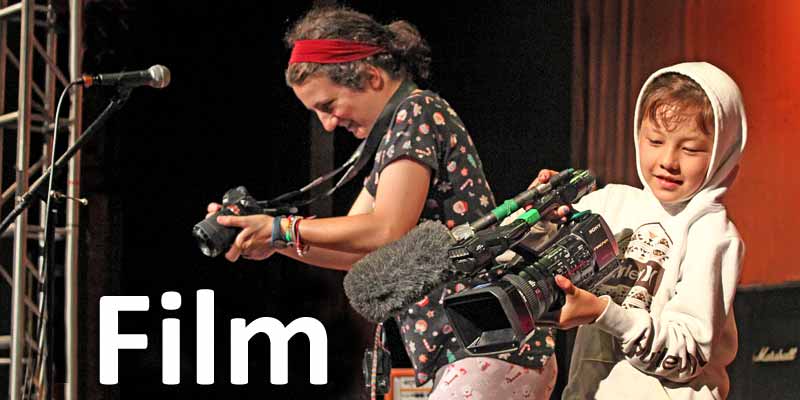
Arts programs naturally create those moments. A play, concert, or film project requires everyone to contribute. Students learn to prepare their part, respect other roles, and support the group goal.
Parents researching art camps for summer 2026 often look for programs that offer more than entertainment. They want meaningful experiences where children learn responsibility, patience, and teamwork.
Confidence Grows Through Expression
Confidence is one of the most useful career skills, but it cannot be taught through lectures alone. Students build confidence by practicing, taking risks, recovering from mistakes, and receiving encouragement.
A child who performs a song, speaks onstage, joins a dance class, or shares artwork is learning to be visible. They are practicing courage in a supportive setting. Over time, this can help them become more comfortable presenting ideas, leading discussions, and trying new opportunities.
A children’s art camp in New York can give younger campers a safe place to begin building that self-belief.
Adaptability Matters in Every Field
The future will not be predictable. Students may enter jobs that do not yet exist, use tools that are still being developed, and solve problems that are not fully understood today. Adaptability will be essential.
The performing arts teach adaptability. A line may be forgotten. A rhythm may change. A rehearsal may take a new direction. Students learn to adjust without quitting. They discover that mistakes can become learning moments.
This is why a summer performing arts camp can be so valuable. It gives children practice in flexibility, resilience, and creative problem solving.
Music Builds Discipline and Team Awareness
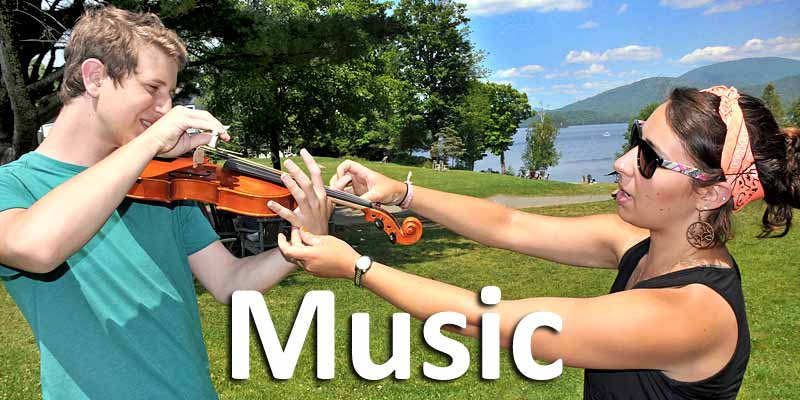
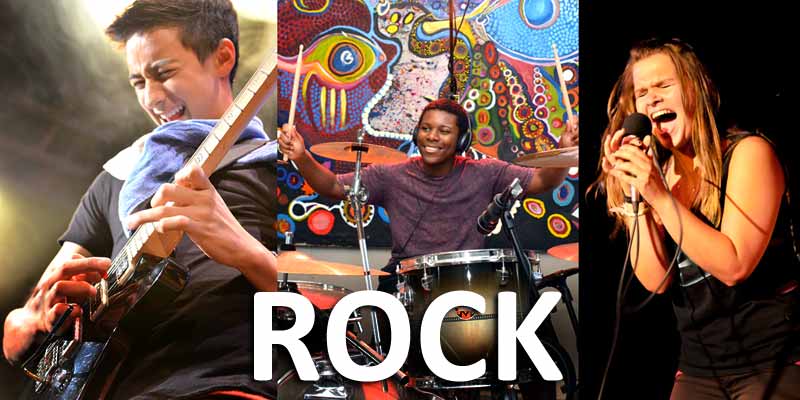
Music is an excellent training ground for future success. Young musicians learn that progress requires practice, focus, patience, and listening. They also learn that their choices affect the group. A band or ensemble only works when everyone contributes.
For older students, a teens music camp can support identity, confidence, and collaboration. Teens learn to express emotion, perform with others, and accept feedback. These lessons are useful in school presentations, interviews, leadership roles, and workplace teams.
Music helps transform discipline into something meaningful.
Movement Supports Presence and Confidence
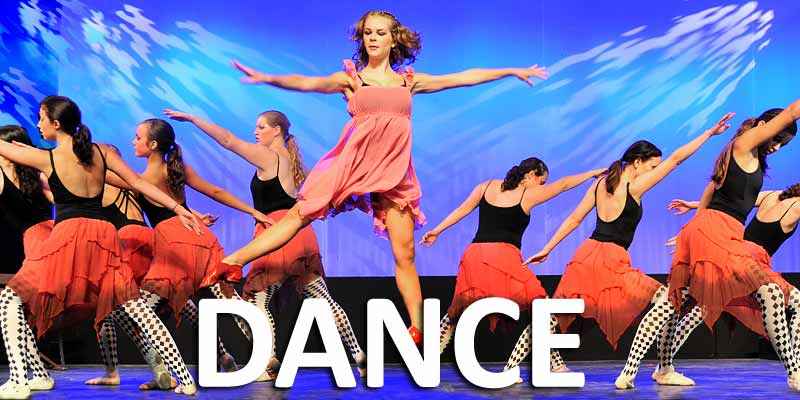
Career readiness is not only about thinking. It is also about presence. Students who feel comfortable in their bodies often communicate with more confidence. Dance and movement help children develop focus, coordination, rhythm, and self-awareness.
A summer camp dance 2026 experience can help campers understand how posture, gesture, and movement communicate feeling. It also teaches perseverance because improvement comes through repetition and effort.
These physical lessons support future career skills for students by helping children become more expressive, confident, and aware of how they show up around others.
Why Arts Education Belongs in Future Planning
Parents do not have to choose between academics and creativity. Students need both. Technical skills may help them enter future careers, but creative thinking and communication skills will help them grow, lead, and adapt once they get there.
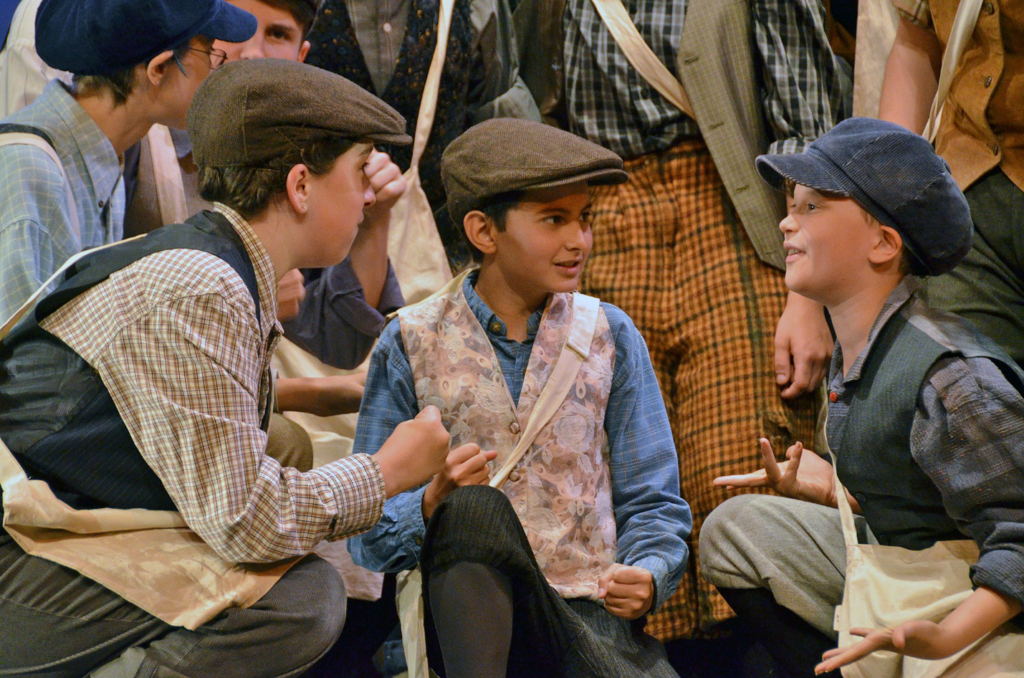
Arts education gives children practice with real human skills and shared creative experiences. They learn to listen, imagine, collaborate, express, revise, and perform under pressure. These are not extra abilities. They are essential strengths for a changing world.
The earlier children develop future career skills for students, the more prepared they become for opportunities ahead.
Give Your Child Skills for Tomorrow
Families comparing art camps for summer 2026 can find an inspiring place at Long Lake Camp for the Arts, where creativity, confidence, and communication grow together. As a supportive musical theatre camp, we help campers explore theater, fine arts, music, dance, circus, film, and friendship in a beautiful Adirondack setting.
Children who love rock music summer camps, want a joyful summer performing arts camp, or dream of energetic dance summer camps can build skills that matter far beyond camp.
Contact us today to learn how we can help your child prepare for a creative, connected future this summer season.