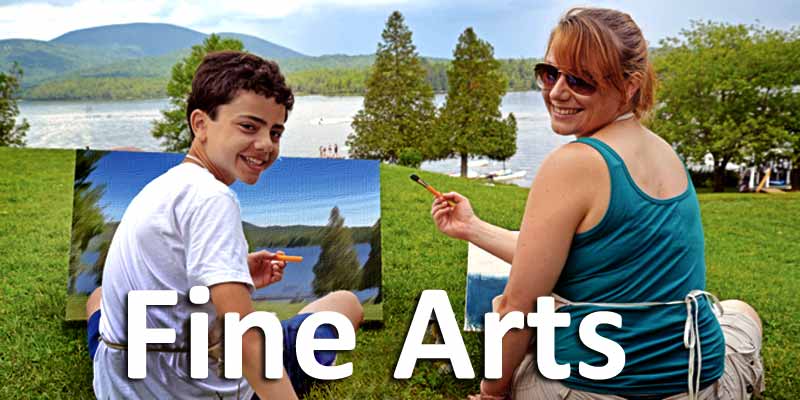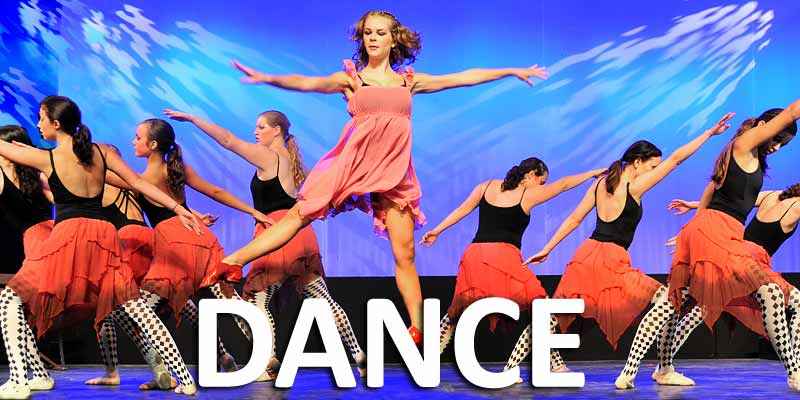
Choosing the right summer arts program can shape a child’s confidence, creativity, and independence long after camp ends. According to the American Camp Association, parents consistently rank safety, qualified staff, and communication among their highest priorities when selecting a camp. That makes knowing the right questions to ask before choosing a summer camp just as important as comparing brochures or websites.
Whether you’re considering performing arts sleepaway camps, families recommend asking thoughtful questions helps you understand what your child will actually experience. Beyond classes and performances, parents should learn about supervision, accommodations, instructor qualifications, daily schedules, and how the camp supports every camper’s personal growth.
If your child is interested in music, theater, dance, or visual arts, this guide will help you make an informed decision before registration.
Start with Safety Before Looking at the Activities
An exciting schedule means little if a camp doesn’t have strong safety standards. Before enrolling your child, ask how the camp manages everyday supervision and unexpected situations.
Questions worth asking include:
- What is the camper-to-counselor ratio?
- Are staff members trained in CPR and First Aid?
- Is medical staff available around the clock?
- What security measures are used for visitors and pickups?
- How are emergencies communicated to parents?
Parents searching for performing arts camps often compare class offerings first, but safety should always come before the program itself.
Pro Tip
Ask for examples instead of general answers. Rather than asking, “Is your camp safe?” ask, “How did you handle a medical emergency last summer?” Real examples often reveal how prepared a camp truly is.

Who Will Actually Teach Your Child?
A camp’s instructors make a lasting difference.
The best arts camps combine experienced educators with working professionals from music, theater, dance, and visual arts. Their experience allows students to receive instruction that goes beyond basic classroom lessons.
Consider asking:
- What professional experience do instructors have?
- Are teachers working artists?
- How long have they been with the camp?
- How much individual feedback do students receive?
- Do beginners and advanced students learn separately?
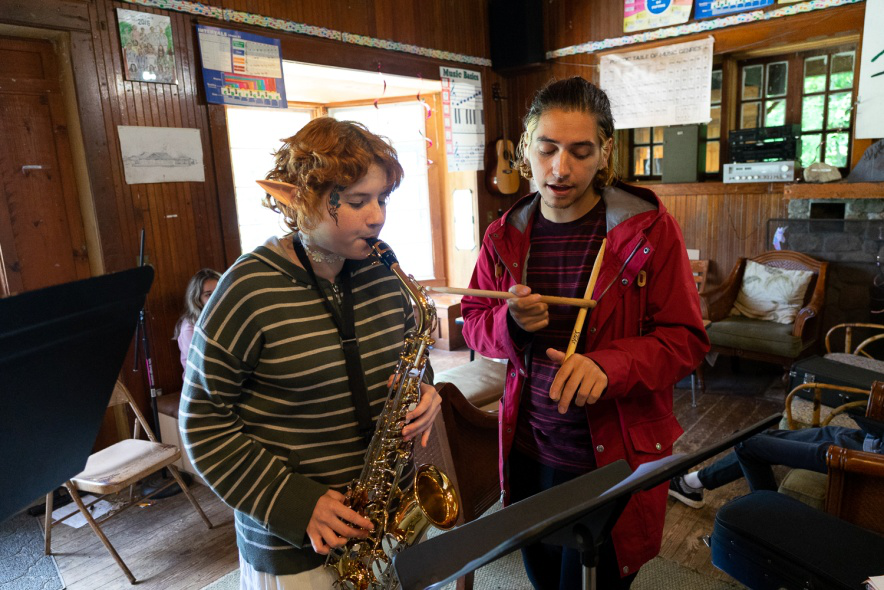
Whether your child prefers theater arts camps, a musical theater camp, or a music summer camp, qualified instructors create an environment where students feel comfortable trying new skills while improving existing ones.
Are Class Sizes Small Enough for Individual Attention?
Large groups can limit personal instruction.
Ask how many campers typically participate in each class and rehearsal. Smaller groups often provide:
- More instructor interaction
- Individual coaching
- Better performance preparation
- Stronger friendships among campers
- Greater opportunities to ask questions
Students attending performing arts summer camps generally benefit from instructors who can focus on individual progress instead of teaching large groups all day.
Quick Tip for Parents
Don’t hesitate to ask if students are grouped by:
- Age
- Experience level
- Artistic discipline
- Skill development
This creates a learning environment where beginners feel welcomed while experienced performers continue growing.
What Are the Living Arrangements Like?
If you’re considering art sleepaway summer camps, accommodations deserve special attention.
Ask about:
- Cabin supervision
- Room assignments
- Bathroom facilities
- Quiet hours
- Laundry services
- Dietary accommodations
- Homesickness support
Comfortable living arrangements often help campers adjust more quickly during their first few days away from home.
Communication Matters More Than You Think
Parents naturally want updates while their children are away.
Ask how the camp communicates during each session.
Some common options include:
- Weekly newsletters
- Camp photo galleries
- Email updates
- Scheduled phone calls
- Emergency contact procedures
Good communication builds confidence for parents while allowing campers to focus on making new memories rather than worrying about home.
Does the Camp Support Different Learning Styles?
Every child learns differently, especially in the arts. Some students are confident performers from day one, while others need time before stepping onto a stage or sharing their artwork.
Ask questions like:
- How do instructors support beginners?
- Can campers switch classes if they discover a new interest?
- Are students encouraged to try multiple disciplines?
- How is individual progress recognized?
Whether you’re considering art camp for teens or performing arts camps 2026, a welcoming environment helps campers grow without feeling pressured.

How Does the Camp Keep Parents Informed?
Communication doesn’t stop after registration.
Find out:
- How quickly are parents contacted if an issue arises?
- Are progress updates shared?
- Is there a parent portal?
- Who should parents contact with questions?
Reliable communication creates trust and gives parents peace of mind throughout the camp session.
Find the Right Creative Home at Long Lake Camp for the Arts
Choosing an arts camp is a meaningful decision for every family. By asking the right questions about safety, instructors, accommodations, performances, and communication, you can feel confident that your child is joining a community where creativity and personal growth go hand in hand.
Long Lake Camp for the Arts offers outstanding programs in theater, music, dance, visual arts, film, and more, giving young artists opportunities to learn from experienced professionals while creating friendships and unforgettable summer memories.
Contact us now to learn more about upcoming sessions and begin planning your child’s next creative adventure. For questions, reach out to our winter office conveniently located in the NYC metro area at:
199 Washington Avenue, Dobbs Ferry, NY 10522.