When parents think about leadership, they may picture student council, team captains, or future managers. Yet some of the most important leadership lessons begin long before a child has an official role. They happen when a student learns to listen, take responsibility, support a group, and stay calm under pressure.
Theater and music create those moments every day. A young actor waiting for a cue, a drummer keeping tempo, or a singer blending with an ensemble is practicing leadership in action. That is why leadership skills for students can grow naturally through performing arts experiences.
Let’s dive into how theater and music help students develop leadership skills that last a lifetime.
Teamwork Becomes a Daily Habit
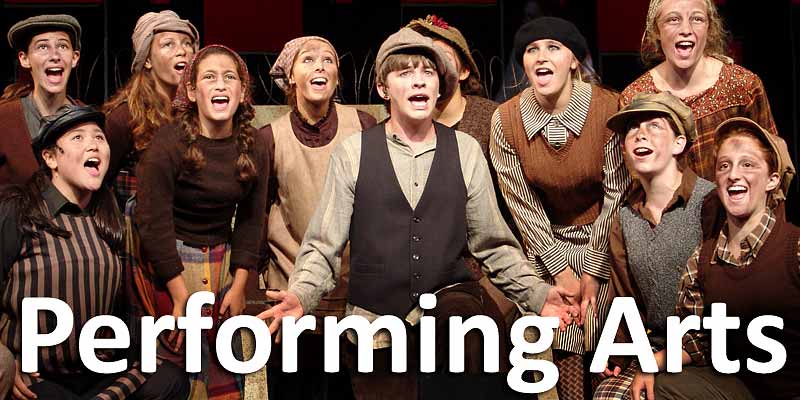
No play, concert, or musical performance succeeds because of one person alone. Every camper has a role, whether they are center stage, playing an instrument, helping backstage, or encouraging a nervous friend. Students quickly learn that their choices affect the whole group.
This kind of teamwork builds awareness and responsibility. Children learn to show up on time, prepare their part, respect directions, and support others. These habits matter in school projects, sports, friendships, and future workplaces.
Parents exploring theater camps in New York often discover that the arts teach collaboration in a way that feels exciting rather than forced.
Confidence Grows Under Pressure
Performing can be intimidating at first. Students may worry about forgetting lines, missing notes, or making mistakes in front of others. In a supportive arts environment, those fears become opportunities for growth.
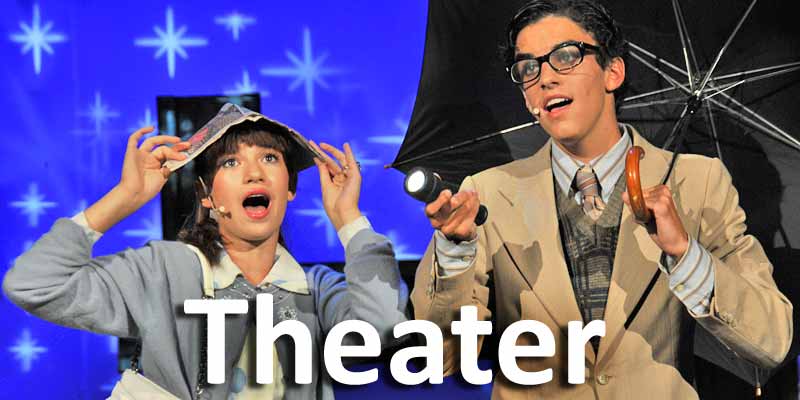
Theater and music teach kids how to manage nerves, breathe through uncertainty, and keep going. A missed cue does not end the show. A wrong note does not ruin the song. Students learn to recover, adjust, and continue with confidence.
This is one reason leadership skills for students are strengthened through performance. Leaders are not people who never feel pressure. They are people who learn how to respond to it.

Listening Is a Leadership Skill
Strong leaders do not only speak well. They listen well. In theater, students must pay attention to timing, tone, movement, and emotion. In music, they must listen for rhythm, harmony, tempo, and balance. If they ignore the group, the performance suffers.
At theatre summer camps, campers learn that listening is active. They notice what others need, respond thoughtfully, and adjust their own choices for the good of the performance. That lesson is incredibly valuable in classrooms and future careers.
Good listening helps students become better teammates, more thoughtful friends, and more effective leaders.
Adaptability Builds Problem Solvers
Live performance rarely goes exactly as planned. A prop may be misplaced. A microphone may cut out. Someone may forget a line. A tempo may shift unexpectedly. Students must think quickly and keep the group moving forward.
That adaptability is a hidden leadership skill. Instead of panicking, young performers learn to stay present and find solutions. They understand that mistakes can be handled with creativity and composure.
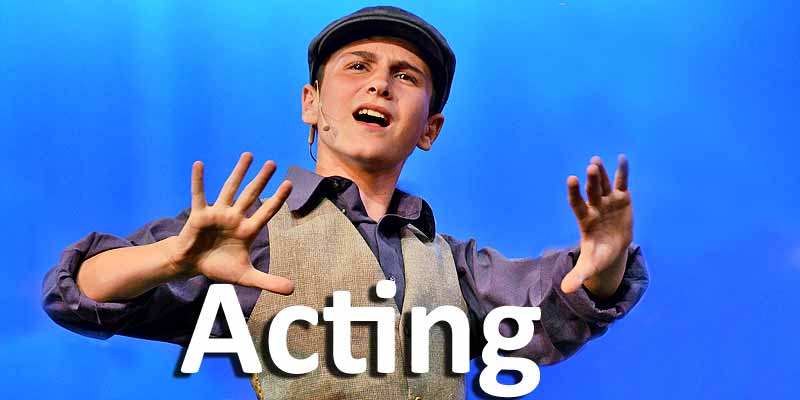
Our musical theatre camp gives students repeated chances to practice flexibility. They sing, act, move, collaborate, and adjust to new directions. Each experience helps them become more confident problem solvers.
Music Teaches Discipline and Shared Focus
Music may look effortless during a performance, but it takes discipline to get there. Students must practice, listen, repeat, and refine. They learn that progress comes from consistency, not instant perfection.
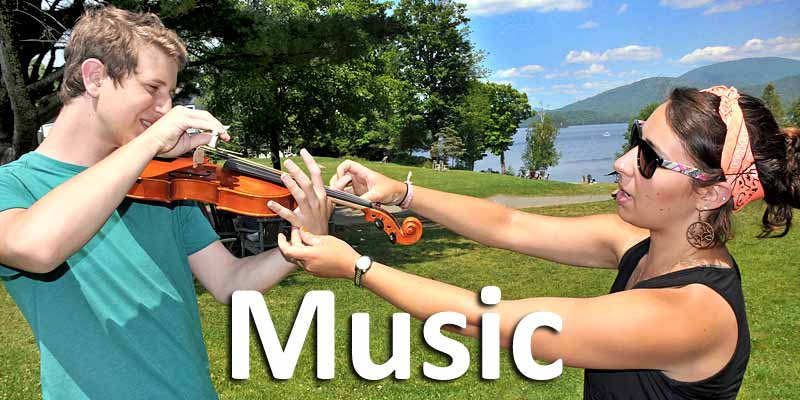
At our music camp in New York, young musicians can experience the power of shared focus. A band, choir, or ensemble only works when each person contributes with care. Students learn when to lead, when to follow, and how to support the sound of the group.
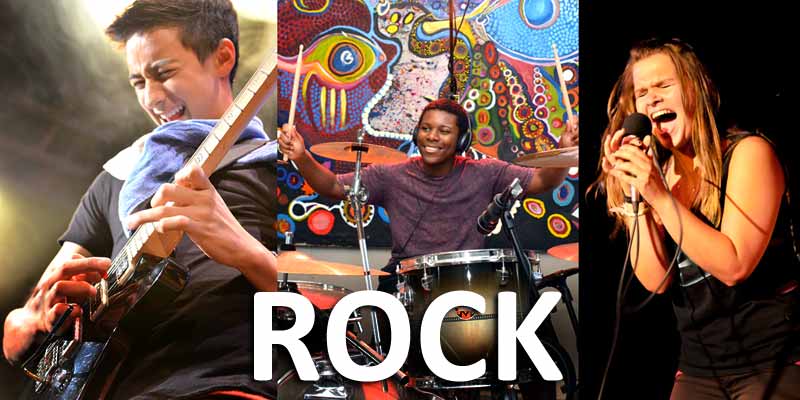
For kids who love energy and collaboration, rock music summer camps offer a fun way to build leadership through rhythm, teamwork, and performance.
Communication Becomes More Natural
Theater and music help students communicate with words, expressions, body language, and emotion. A performer must understand how a message is received, not just how it is delivered. This awareness can make students more confident speakers and more respectful collaborators.
These communication skills are essential for leadership. Students who can express ideas clearly, ask questions, and encourage others are better prepared for group work, interviews, presentations, and future professional opportunities.
For families considering our musical theater camp in New York, this communication growth can be just as meaningful as the artistic training.
Creative Leadership Matters in the Future
The future will reward students who can think creatively, adapt quickly, and connect with others. Technical knowledge is important, but employers and communities also need people who can inspire teams, solve human problems, and communicate ideas clearly.

Performing arts help children practice those abilities in memorable ways. They learn to be brave, responsible, expressive, and resilient. They also learn that leadership is not about being the loudest person in the room. It is about helping the group succeed.
That is the lasting value of leadership skills for students developed through theater and music.
A Summer That Builds Creative Leaders
Families exploring theatre summer camps can find something truly special at Long Lake Camp for the Arts. As a supportive musical theatre camp 2026, Long Lake helps campers build confidence, teamwork, communication, and resilience through theater, music, dance, circus, fine arts, film, and friendship.
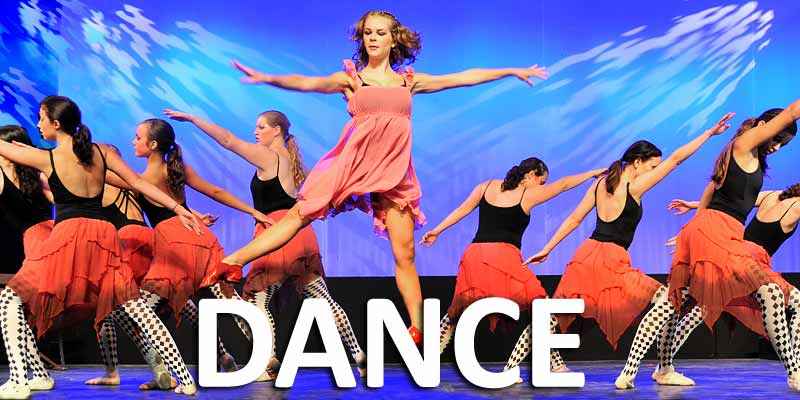
Campers who love rock music summer camps can perform, collaborate, and grow, while those seeking a joyful summer performing arts camp discover new strengths every day. With inspiring programs, including exciting dance summer camps, we give creative children the space to become expressive artists and capable young leaders.
Contact us today to learn more this summer.