Children can message friends, join group chats, play online games, and react to posts without ever needing to look someone in the eye. Digital communication can be fun and useful, but it does not always teach kids how to read facial expressions, start conversations, handle awkward pauses, or listen with patience.
That is why many parents are thinking more seriously about social skills development. Kids need opportunities to practice real connection. Here’s how theater training gives them that opportunity in a supportive way.
Why Face-to-Face Skills Matter
Strong social skills help children make friends, speak in class, solve conflicts, and feel comfortable in new environments. These skills are not automatic. They grow through practice, especially when kids are surrounded by people who encourage them.
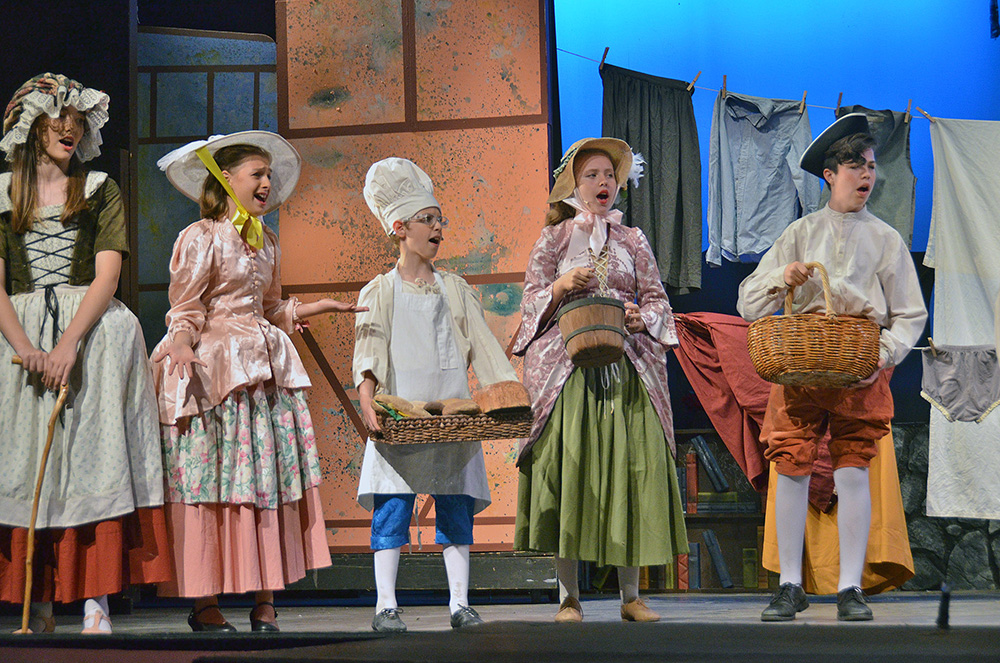
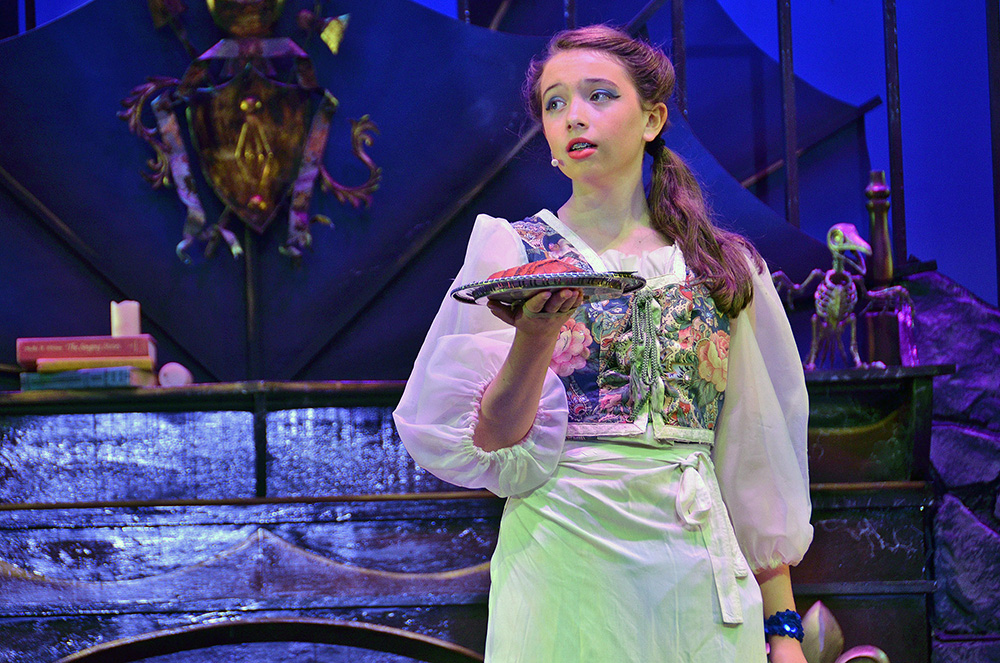
Theater is built around interaction. Campers speak, listen, move, respond, collaborate, and support each other. Unlike texting, theater requires full presence. Children cannot hide behind a screen or edit every response. They learn to trust themselves while connecting with others.
Parents exploring theater camps in New York often want more than performance training. They want experiences that help children become confident, kind, and socially aware.
Listening Becomes Active and Intentional
In theater, listening is not just waiting for a turn to speak. It means paying attention to tone, timing, movement, and emotion. A camper must hear another actor’s line, notice a cue, and respond in character. That kind of listening builds awareness.
This is a major part of social skills development because children learn that communication is about more than words. They begin to notice when someone seems nervous, excited, confused, or left out. These observations help them become more thoughtful friends and teammates.
Eye Contact Feels Less Intimidating
For some children, eye contact can feel uncomfortable, especially if most communication happens through devices. Theater helps make it feel more natural. Through scene work, improv, and group exercises, campers practice looking at others while speaking and listening.
They do not have to become dramatic extroverts. They simply learn that eye contact can show attention, respect, and confidence. Over time, this small skill can make conversations easier at school, camp, family gatherings, and future interviews.
Many theatre summer camps use warm-up games and ensemble activities to help campers relax before performing. These low-pressure moments often make social growth feel fun instead of forced.
Improv Builds Real-Time Confidence
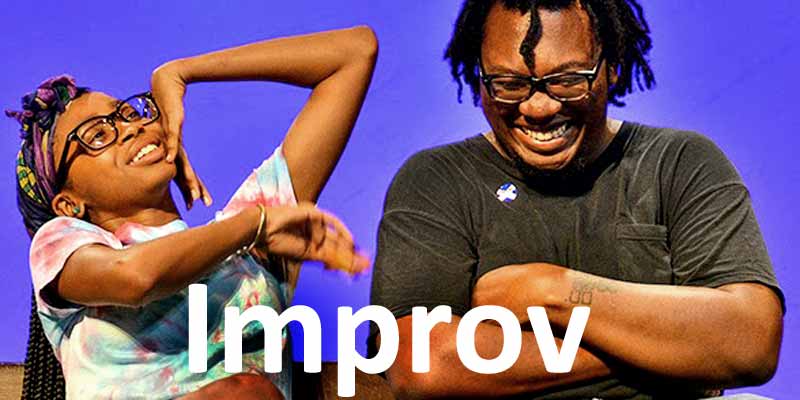
Improv is one of the best tools for rebuilding face-to-face skills. It asks kids to listen closely, accept ideas, think quickly, and respond without overthinking. There is no perfect script, which means children learn to stay flexible.
For kids who worry about saying the wrong thing, improv can be freeing. They discover that mistakes can become part of the fun. They learn how to keep a conversation moving, support a partner’s idea, and contribute with confidence.
That is why our musical theater camp in New York or theater-focused arts program can help children practice social confidence in ways that feel exciting.
Teamwork Teaches Belonging
Theater is never a solo effort. Even the lead role depends on the ensemble, directors, musicians, dancers, designers, and backstage crew. Everyone has responsibilities, and every contribution matters.
This teaches children how to belong to a group. They learn to encourage others, wait their turn, ask for help, accept feedback, and celebrate shared success. These lessons support social skills development because kids experience cooperation daily.
Body Language Becomes Easier to Understand
So much meaning is communicated without words. Posture, gestures, facial expressions, and movement can all change how a message is received. Theater helps kids notice these signals.
When campers create characters, they explore how different emotions look and feel. They learn how confidence, sadness, excitement, or frustration can show up in the body. This makes them more aware of their own nonverbal communication and better able to understand others.
In a world where many interactions happen through typed messages, this awareness is especially important.
Friendship Grows Through Shared Experiences
Social skills improve when children have real reasons to interact. Theater camp creates those reasons naturally. Campers rehearse together, laugh through mistakes, prepare for performances, share meals, and cheer each other on.
These experiences make friendships easier because children connect through a shared goal. They are not trying to force small talk. They are building something together.
At our theater arts summer camps, creative kids often find peers who share their interests. That sense of connection can be life-changing for children who feel shy, different, or overlooked in their usual environment.
What Parents Should Look For
A strong theater program should offer emotional safety, skilled instruction, creative variety, and a noncompetitive atmosphere. Children should feel free to try, stumble, and grow without fear of embarrassment.
Parents should also look for programs that welcome beginners while challenging experienced performers. The best camps help each child build confidence at their own pace.
The goal is not to turn every child into a professional actor. The goal is to help children become more expressive, empathetic, and comfortable with real human connection. That is the heart of social skills development.
Give Your Child Space to Connect
For families comparing summer theatre camps in New York, Long Lake Camp for the Arts offers a warm, creative place where children can rebuild confidence, communication, and friendship.
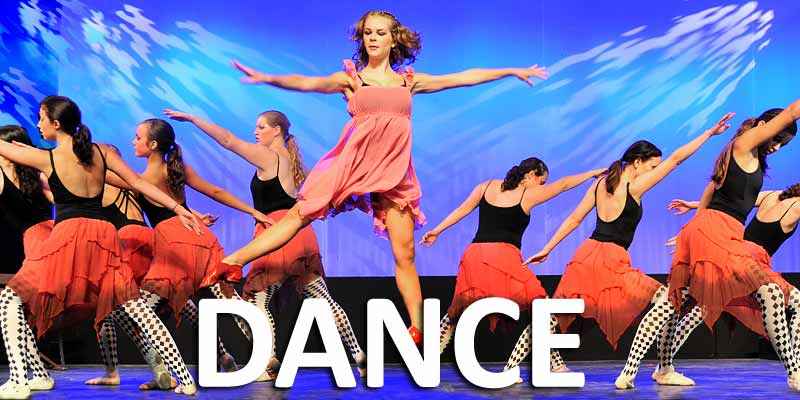
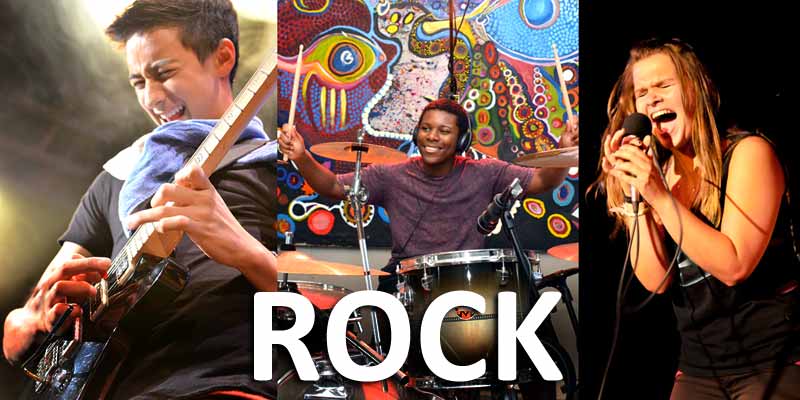
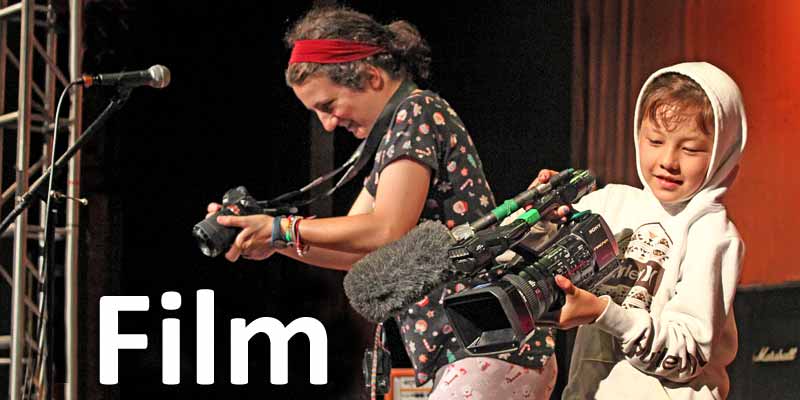
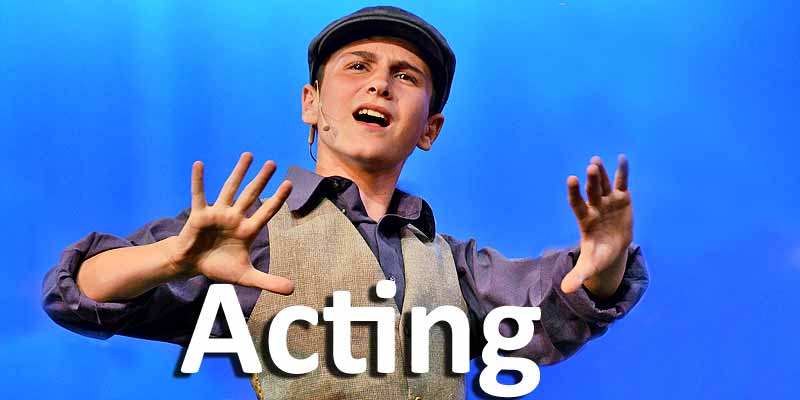
As a supportive musical theatre camp, Long Lake helps campers explore acting, improv, fine arts, music, dance, circus, film, and more. Children who enjoy rock music summer camps, want a joyful summer performing arts camp, or love energetic dance summer camps can grow socially while having fun.
Contact us today to learn how we help campers feel seen, supported, and ready to connect with others.