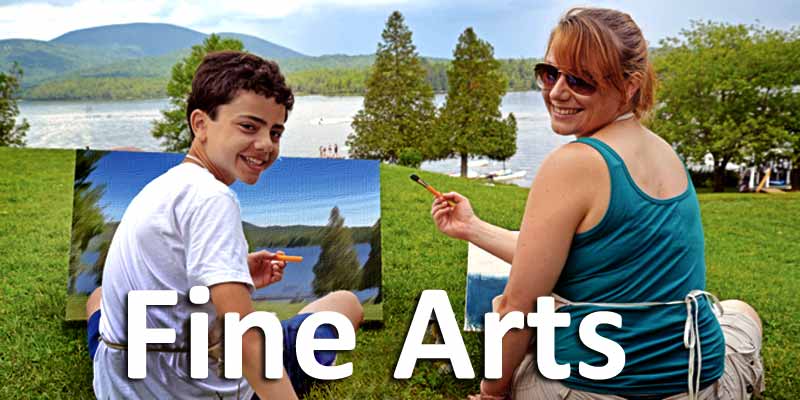
Summer programmes are often associated with tightly packed schedules, mandatory activities, and little room for personal choice. For many teenagers, that structure can feel exhausting rather than inspiring. Research from the American Camp Association shows that adolescents are more engaged and emotionally invested when they have a degree of independence in how they spend their time. Studies in youth development have also linked choice-based learning environments to stronger confidence, better communication skills, and improved emotional well-being.
This philosophy has become increasingly important in modern performing arts sleepaway camps in New York, where creativity depends heavily on motivation and personal interest. At Long Lake Camp for the Arts, campers are encouraged to shape their own daily experience rather than follow a rigid schedule filled with activities they may not enjoy.
This idea—often referred to as scheduling freedom —is changing how teenagers experience summer arts programmes. Instead of being forced into every activity, campers can focus on the disciplines they genuinely enjoy while still having time to relax, socialise, and enjoy camp life.
Why Traditional Camp Schedules Don’t Work for Everyone
Many camps still follow a one-size-fits-all structure. Every camper attends the same sessions regardless of interests, energy levels, or creative goals. While this system may simplify planning, it does not always create the best experience for teenagers.
A student passionate about theater may not enjoy spending large portions of the day in unrelated activities. Similarly, a young musician attending a music camp in New York may prefer extra rehearsal time over mandatory group sports.
When campers feel disconnected from the schedule, participation often becomes passive rather than enthusiastic.
Common frustrations with rigid camp structures include:
- Limited personal choice
- Overloaded daily schedules
- Reduced creative focus
- Difficulty balancing recreation and artistic training
Creative programmes work best when students feel emotionally connected to what they are doing.
What Makes Scheduling Freedom Different?
At Long Lake Camp, flexibility is built into the daily experience. Campers attending performing arts camps can participate more actively in shaping how they spend their day.
Rather than forcing every student into identical programming, the schedule allows room for personal interests and creative priorities.
This approach creates a healthier balance between structure and independence.
A flexible day may include:
- Morning theatre rehearsals
- Afternoon music sessions
- Recreational activities during free periods
- Evening performances or social gatherings
The result is a schedule that feels engaging rather than overwhelming.
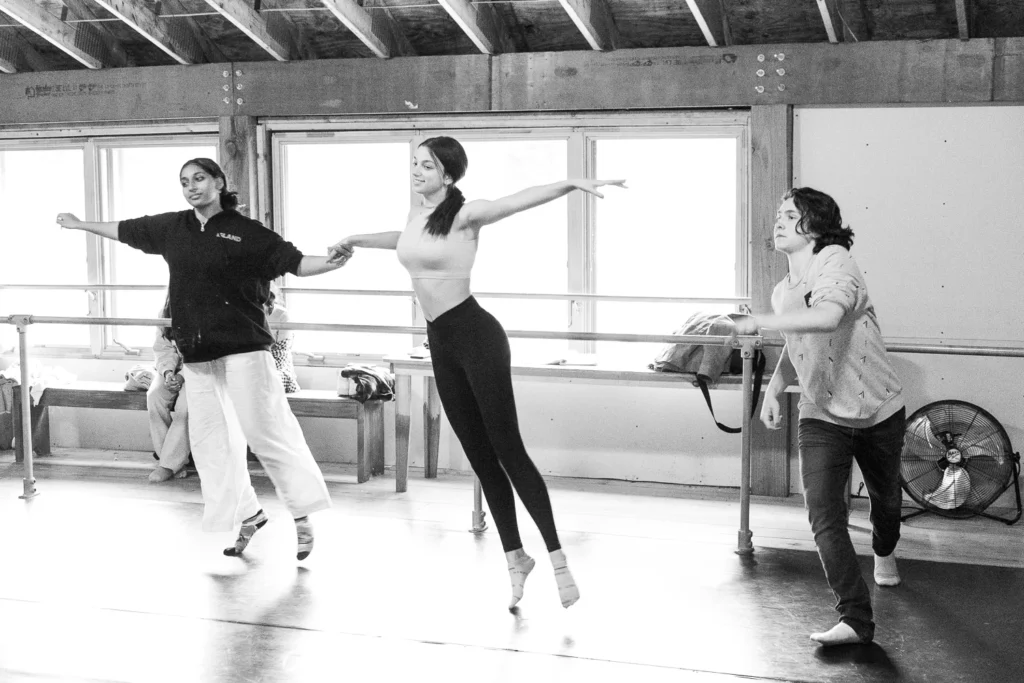
Why Teenagers Respond Better to Choice
Psychologists have long studied the connection between autonomy and motivation. Teenagers are more likely to commit to activities when participation feels voluntary rather than imposed.
This becomes especially important in creative environments such as theatre summer camps or arts-focused residential programmes. Artistic expression relies heavily on emotional engagement, and enthusiasm cannot be forced.
When campers choose activities based on genuine interest, several benefits often follow:
- Stronger participation during rehearsals and workshops
- Improved confidence and self-expression
- Better collaboration with peers
- Reduced stress and burnout
Students attending a musical theatre camp 2026 often perform more confidently when they feel personally invested in the process.
The Social Benefits of Flexible Programming
Scheduling flexibility does more than improve artistic focus—it also strengthens social interaction.
When campers choose activities they genuinely enjoy, they naturally connect with peers who share similar interests. Friendships form more organically during collaborative rehearsals, casual conversations, and shared creative projects.
In many performing arts summer camps, students describe these social connections as one of the most meaningful aspects of the experience.
Camp environments with greater flexibility often encourage:
- Better communication between campers
- Stronger group collaboration
- Increased confidence in social settings
- Longer-lasting friendships
These relationships frequently continue long after summer ends.
Learning Independence Through Daily Decisions
Flexible schedules also teach practical life skills. Teenagers learn how to manage their time, prioritise commitments, and balance recreation with responsibility.
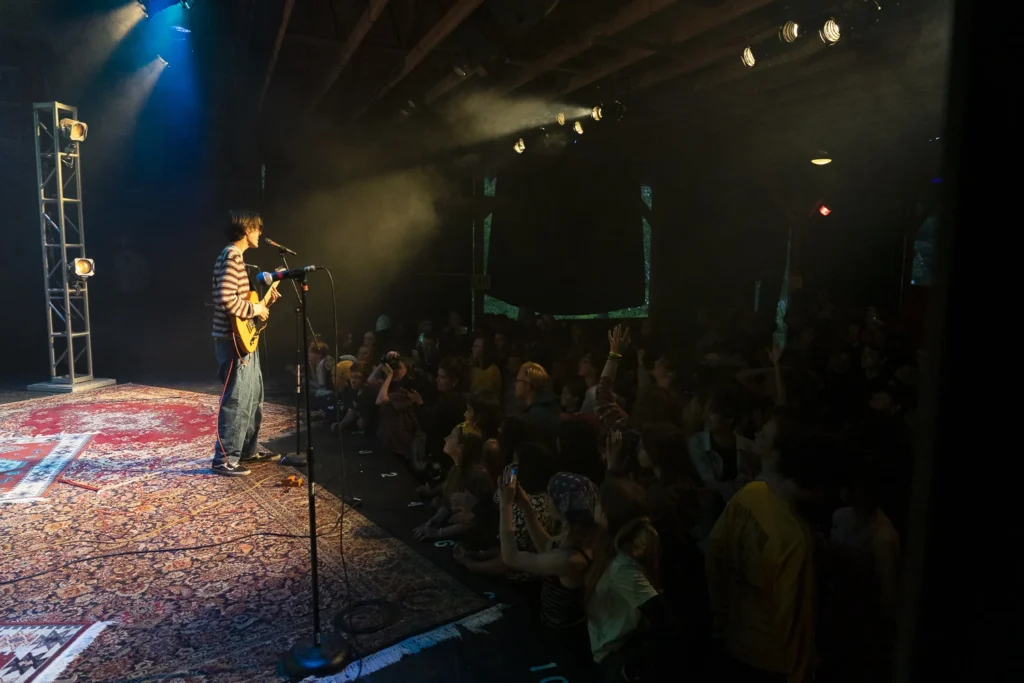
At overnight art camps, campers begin making decisions independently in a supportive environment. They learn how to organise rehearsals, commit to projects, and maintain personal accountability without constant supervision.
This type of independence often contributes to:
- Better decision-making skills
- Increased maturity and responsibility
- Improved time management
- Greater self-awareness
These lessons extend well beyond the summer experience itself.
Why This Approach Fits Creative Programmes So Well
Creative disciplines thrive when students feel emotionally connected to their work. Overly rigid schedules can limit spontaneity and reduce enjoyment.
Whether participating in theater, music, visual arts, or movement-based training, students benefit from having room to follow inspiration naturally. This is one reason many families now seek programmes that combine structure with flexibility rather than strict daily control.
The growing popularity of arts-focused residential camps reflects this shift in thinking. Families increasingly recognise that teenagers develop best in environments where creativity and personal choice coexist.
A More Meaningful Summer Experience
Teenagers do not all learn, socialise, or create in the same way. A camp experience becomes far more rewarding when students have the freedom to shape parts of their own day.
At Long Lake Camp for the Arts, the idea of scheduling freedom allows campers to focus on activities they genuinely enjoy while still benefiting from structure, mentorship, and community life. That balance often leads to stronger confidence, better creative performance, and memories that remain meaningful long after summer ends. If you are looking for a summer programme that values both creativity and independence, contact us today to learn more about upcoming sessions and programs.