For many students, the end of summer brings a noticeable emotional shift. The energy of rehearsal spaces, late-night conversations, performances, and collaborative projects suddenly gives way to school schedules, homework, and familiar routines. Psychologists studying adolescent development have found that creative engagement is closely tied to motivation, emotional well-being, and identity formation. According to research published by the National Endowment for the Arts, students involved in sustained artistic activities report stronger levels of self-expression, social connection, and confidence compared to peers with limited arts participation.
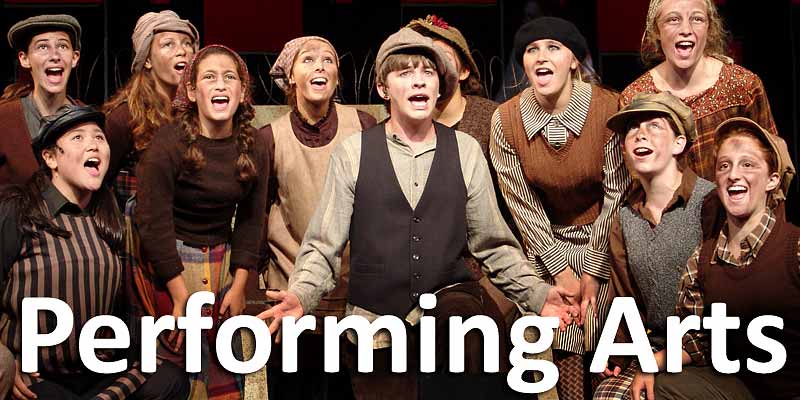
That transition can feel especially sharp after performing arts camp experiences like Long Lake Camp for the Arts, where creativity is part of everyday life rather than something squeezed between classes.
The challenge is not losing talent after summer ends. The challenge is learning how to carry that creative spark into environments that may not naturally support it.
Why Camp Creativity Feels So Powerful
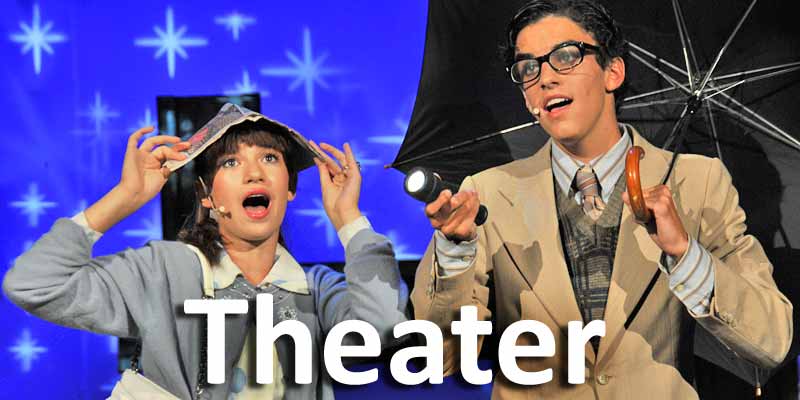
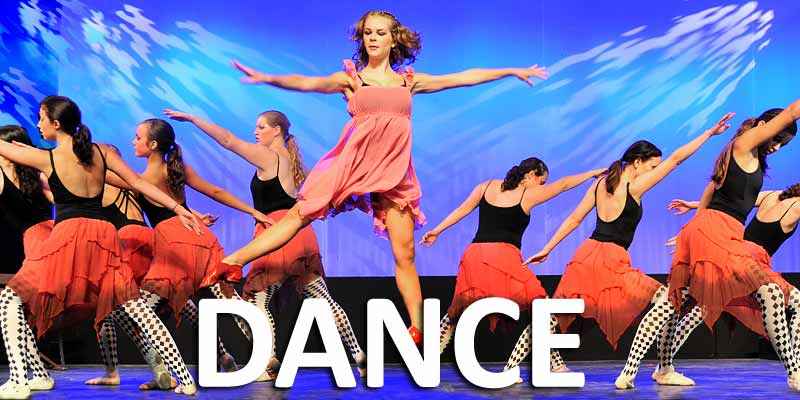
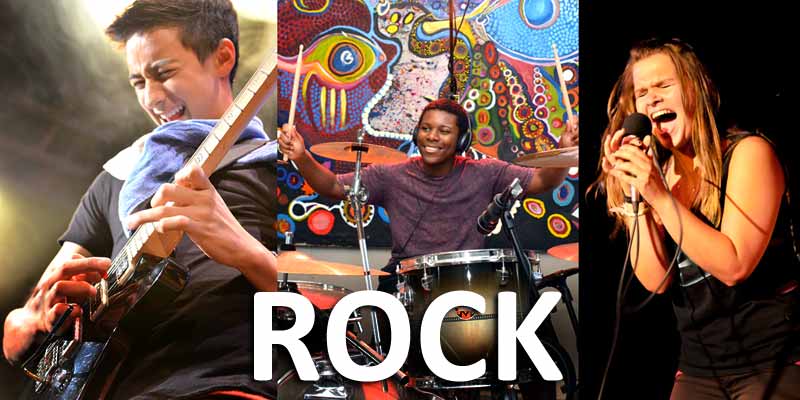
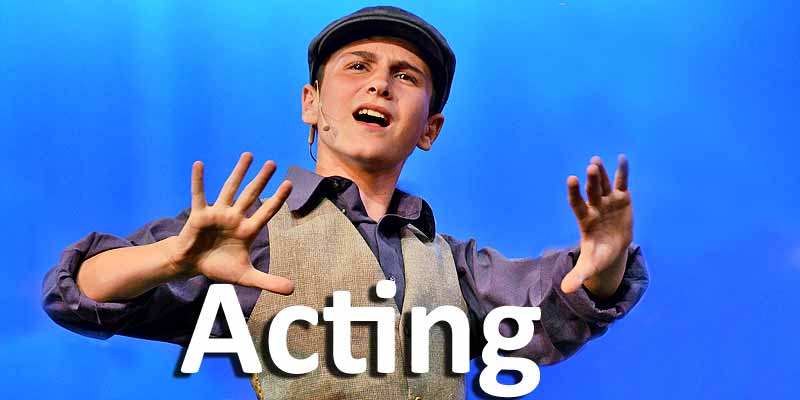
Creative summer environments are structured differently from most school settings. Programs such as theater, music, and summer dance camps in New York are built around participation, experimentation, and collaboration.
Participants are often:
- Rehearsing daily
- Receiving immediate feedback
- Creating alongside peers with similar interests
- Working toward performances or productions
This creates a strong sense of momentum. In many schools, creative work may only happen once or twice a week, while camp environments make artistic practice part of everyday living.
That consistency matters. Research in learning psychology shows that repeated creative engagement strengthens both confidence and motivation over time.
Build Small Creative Rituals
One of the strongest ways to maintain a creative spark is consistency rather than intensity.
Instead of trying to recreate an entire camp environment, focus on smaller repeatable habits.
Examples include:
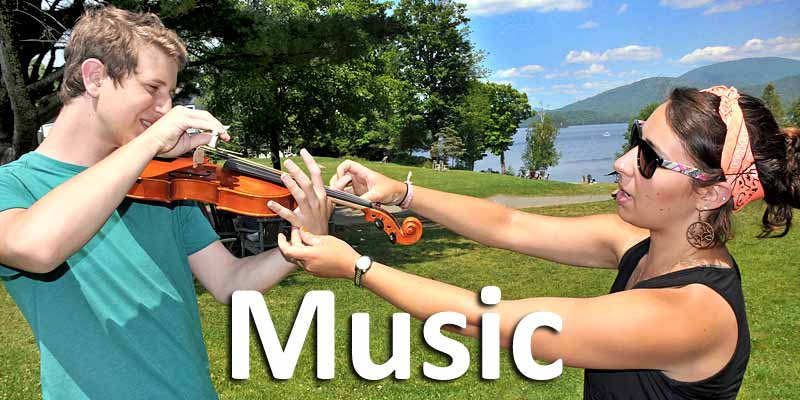
- Practicing an instrument for 20 minutes daily
- Writing scenes or lyrics after school
- Recording movement combinations from rehearsal
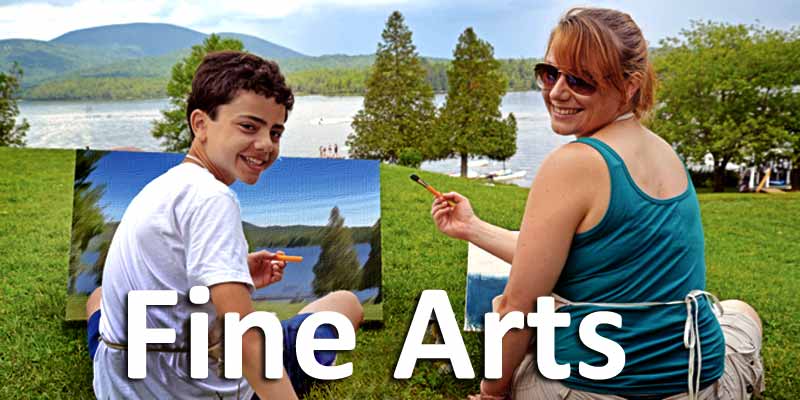
- Sketching costume or stage ideas in a notebook
Participants from programs such as musical theatre camp often maintain growth by continuing small creative routines rather than waiting for large opportunities.
Creative identity is built through repetition over time.
Stay Connected to Creative Communities
A major reason camps feel energizing is community. In environments like performing arts sleepaway camps in New York, participants are surrounded by people who actively support artistic expression. Returning to school can feel isolating when that shared enthusiasm disappears.
Maintaining connection matters.
Ways students often stay engaged include:
- Group chats with camp friends
- Virtual rehearsals or collaborations
- Sharing music, scripts, or recordings
- Planning future creative projects together
Programs like Long Lake Camp often create lasting peer networks because participants connect through shared artistic experiences rather than casual social interaction.
Bring Camp Energy Into School Spaces
Many students assume creativity only belongs in dedicated arts environments. In reality, creative thinking can reshape ordinary settings.
That “Long Lake energy” can appear in:
- Starting a lunchtime songwriting group
- Helping organize school performances
- Auditioning for productions
- Designing posters, costumes, or choreography
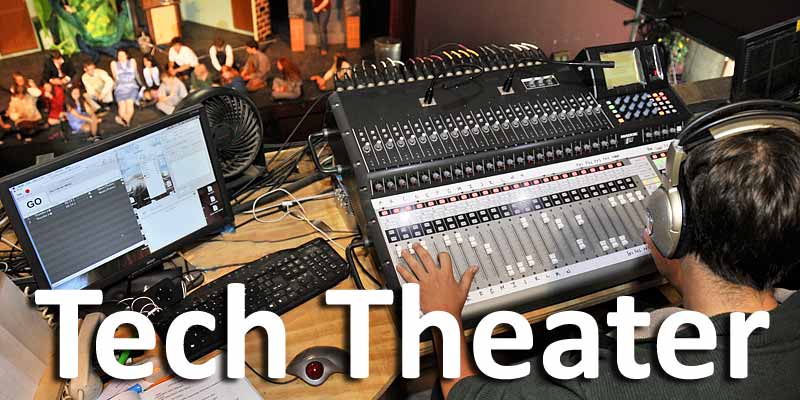
- Supporting backstage technical work
Students from performing arts camps often discover that creativity grows when they actively create opportunities rather than waiting for them.
The environment may change, but the mindset does not have to.
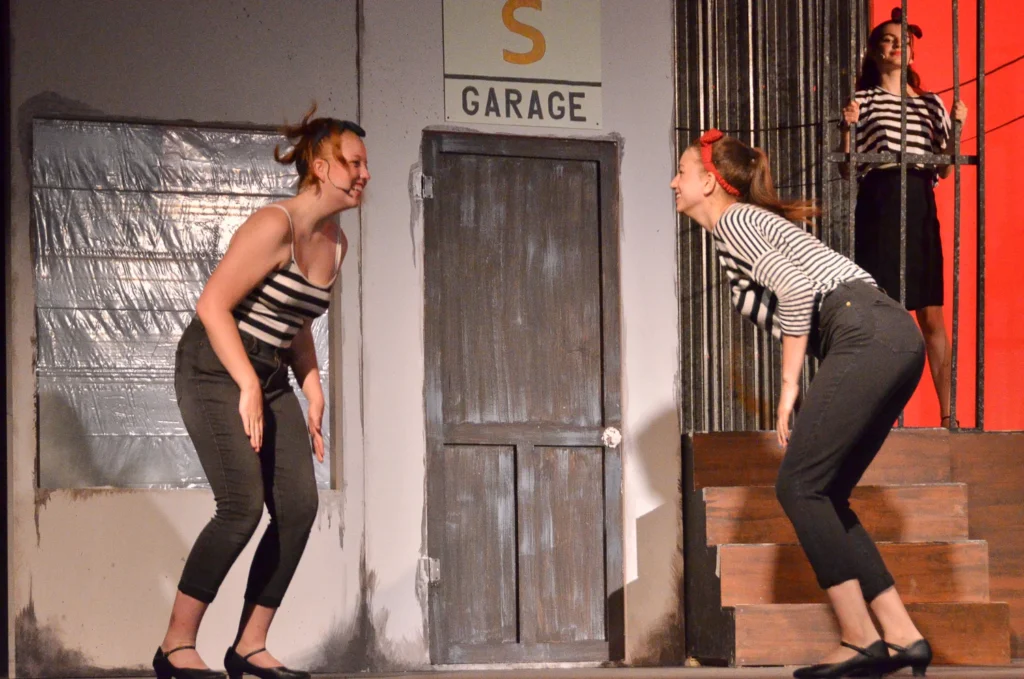
Creativity Does Not Always Mean Performance
One common misconception is that artistic identity only matters when someone is on stage.
However, many students maintain their creative spark through:
- Directing
- Lighting design
- Sound mixing
- Scriptwriting
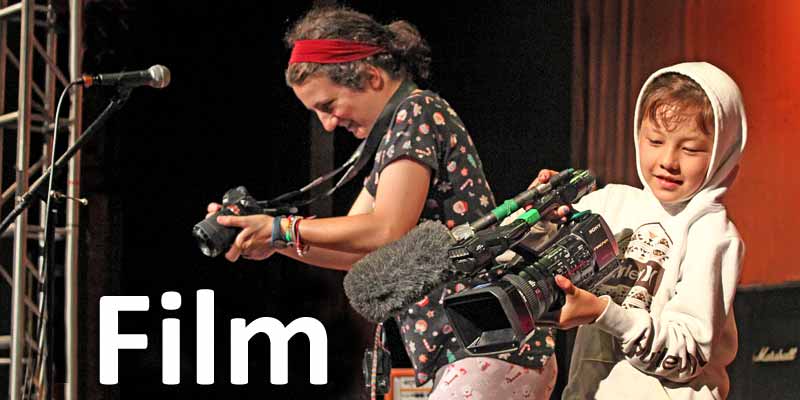
- Editing music or video
Programs such as music summer camp often expose participants to multiple creative roles, not just performing.
This matters after summer because students may not always have access to productions or formal classes during the school year. Creative involvement can continue behind the scenes.
Protect Time From Digital Distraction
Another challenge after camp is attention fragmentation. Research from the American Psychological Association has shown that heavy digital multitasking can reduce sustained concentration and creative focus.
Camp environments naturally limit distraction because participants are engaged in structured activities for long periods. Once school begins again, maintaining focus often requires intentional boundaries.
Helpful strategies include:
- Scheduling offline creative time
- Limiting social media during practice
- Keeping phones away during rehearsals or writing sessions
- Using journals instead of constant digital notes
Students in summer music camps and dance camps often notice that creativity improves when uninterrupted time is consistently protected.
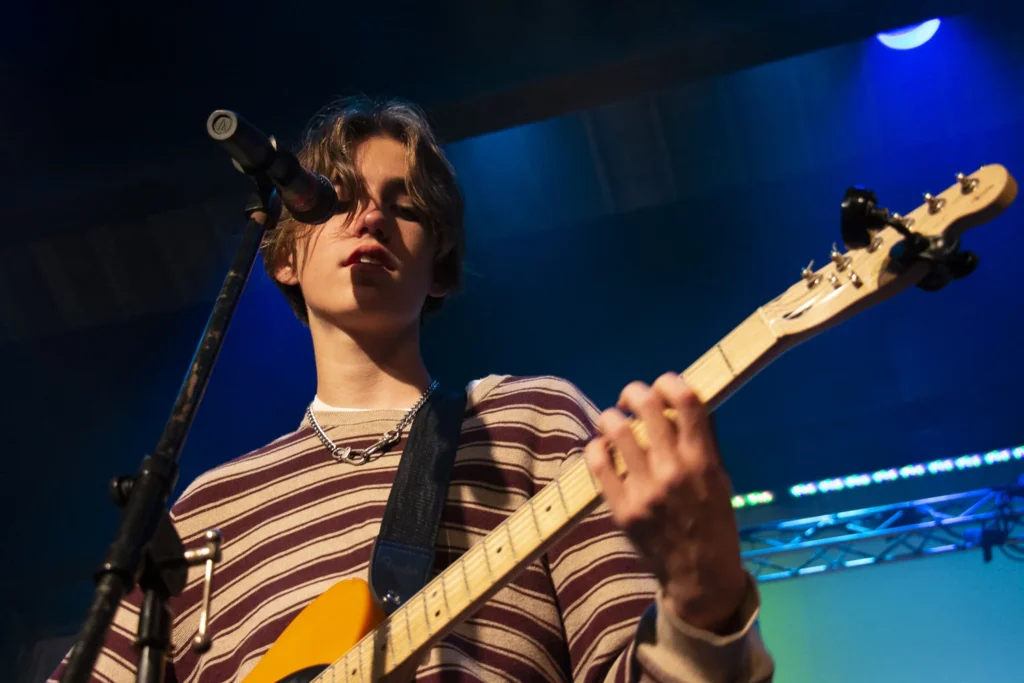
Keep Creating Even Without Motivation
A common mistake is believing creativity only happens when inspiration appears naturally.
In reality, most artistic growth happens through routine work:
- Practicing despite frustration
- Revising unfinished ideas
- Showing up consistently
Camp environments naturally create structure around this process. Once summer ends, students often need to build that structure independently.
Participants from art sleepaway summer camps 2026 frequently continue improving because they maintain process-oriented habits developed during camp sessions.
Keeping the Spark Active Beyond Summer
The end of camp does not have to mean the end of creativity. While school routines may feel less inspiring than rehearsal halls or performance stages, the habits built during summer can continue shaping daily life long afterward. The goal is not recreating camp exactly. The goal is to carry forward the mindset developed there—collaboration, expression, curiosity, and creative consistency.
At Long Lake Camp for the Arts, students participate in immersive theater, music, dance, and visual arts experiences designed to support both artistic growth and long-term creative confidence. Contact us now to learn more about programs that help young artists build skills, connections, and creativity that continue well beyond summer.
For questions or support with the enrollment process, you can reach our winter office in the NYC metro area:
199 Washington Avenue, Dobbs Ferry, NY 10522