For decades, traditional summer camps have followed a familiar format—archery in the morning, swimming in the afternoon, campfires at night. While these activities still hold nostalgic value, participation trends suggest a shift in what families and students are now seeking.
According to the American Camp Association, there has been a steady increase in demand for skill-based and interest-driven programs over the past five years. Families are no longer just looking for supervision or general recreation—they are prioritizing structured learning experiences that build long-term competencies.
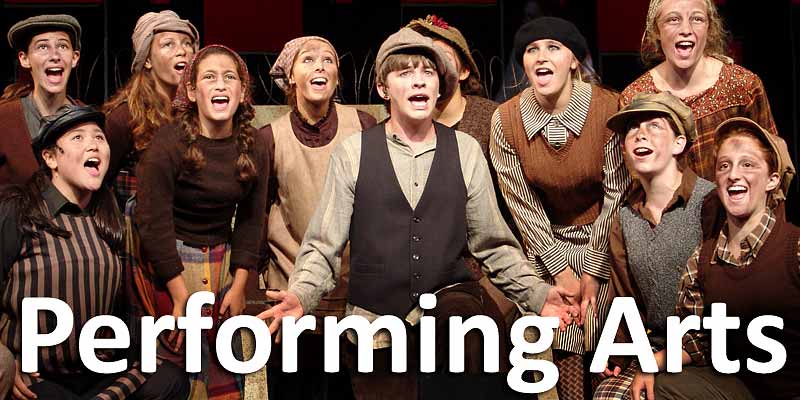
This is where the rise of the specialized arts intensive becomes significant. Programs focused on theater, music, and performance are gaining traction because they offer depth, not just variety. Environments like Long Lake Camp for the Arts and other performing arts camps in NY are designed around sustained creative work rather than rotating activities.
Why “A Little Bit of Everything” No Longer Works
Traditional camps often aim to expose participants to many activities in short time blocks. While this model introduces variety, it rarely allows for mastery or meaningful progression.
In contrast, a specialized arts intensive centers on depth. Instead of switching between unrelated activities, participants commit to a discipline and build toward a tangible outcome—such as a performance, exhibition, or production.
Compare the two approaches:
- Archery session: basic instruction, limited progression
- Theater production: weeks of rehearsal leading to a full performance
- Casual music activity: short engagement
- Structured music camp program: collaborative composition and live performance
This shift reflects a broader educational trend toward project-based and experiential learning.
The Appeal of Creating Something Real
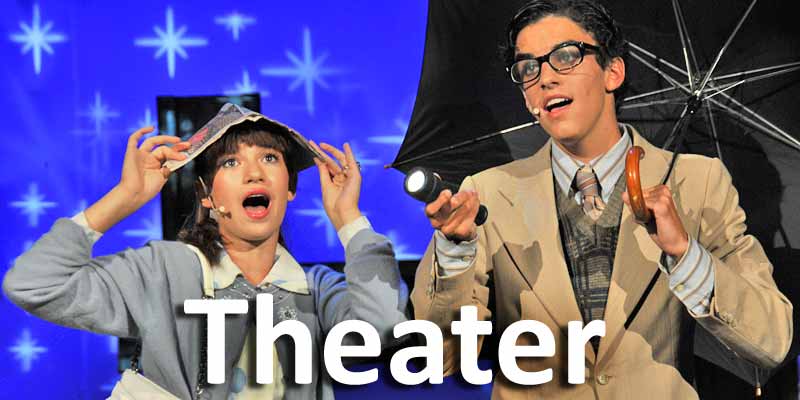
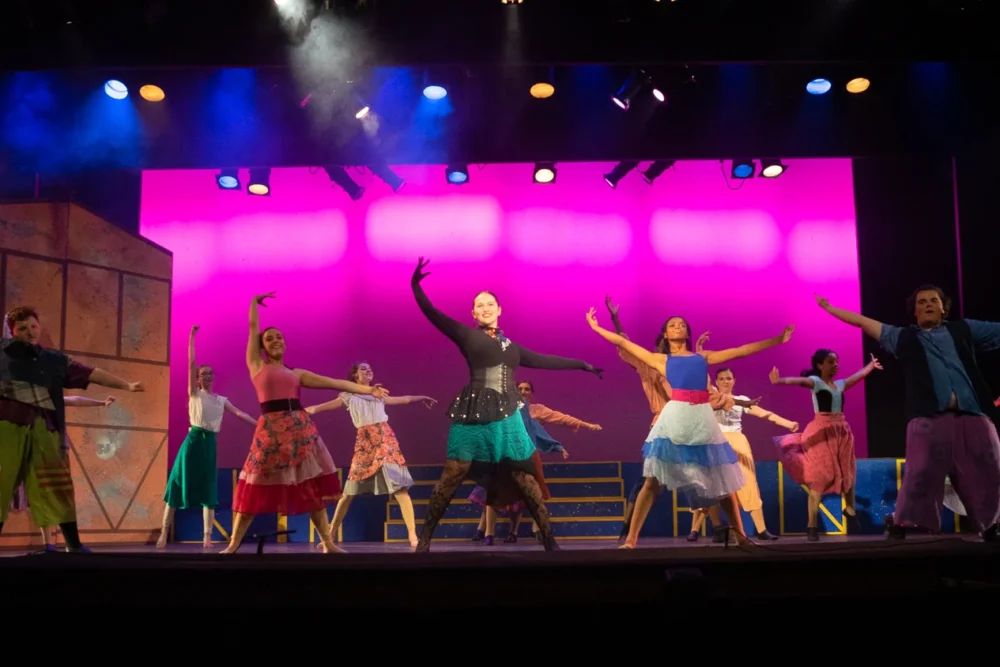
One of the defining features of specialized programs is the emphasis on production. In environments such as summer theatre camps, participants are not just learning techniques—they are actively contributing to a final performance.
This process includes:
- Rehearsals and iterative improvement
- Collaboration across roles (actors, musicians, technicians)
- Real-time feedback and adjustment
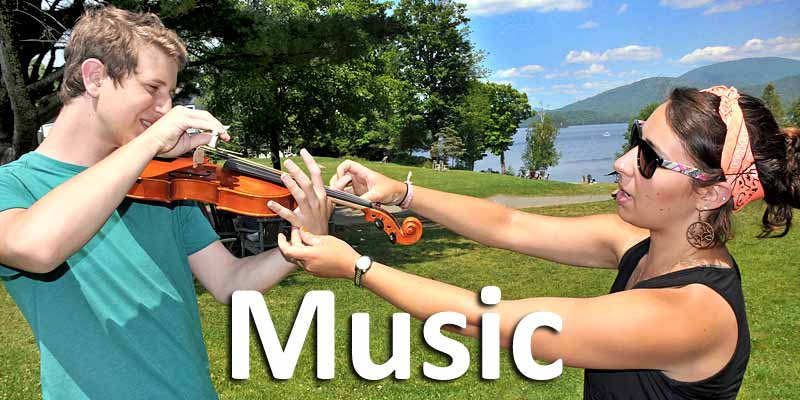
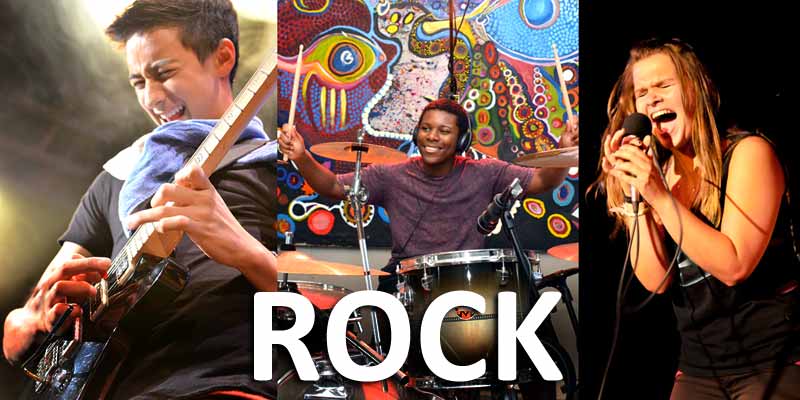
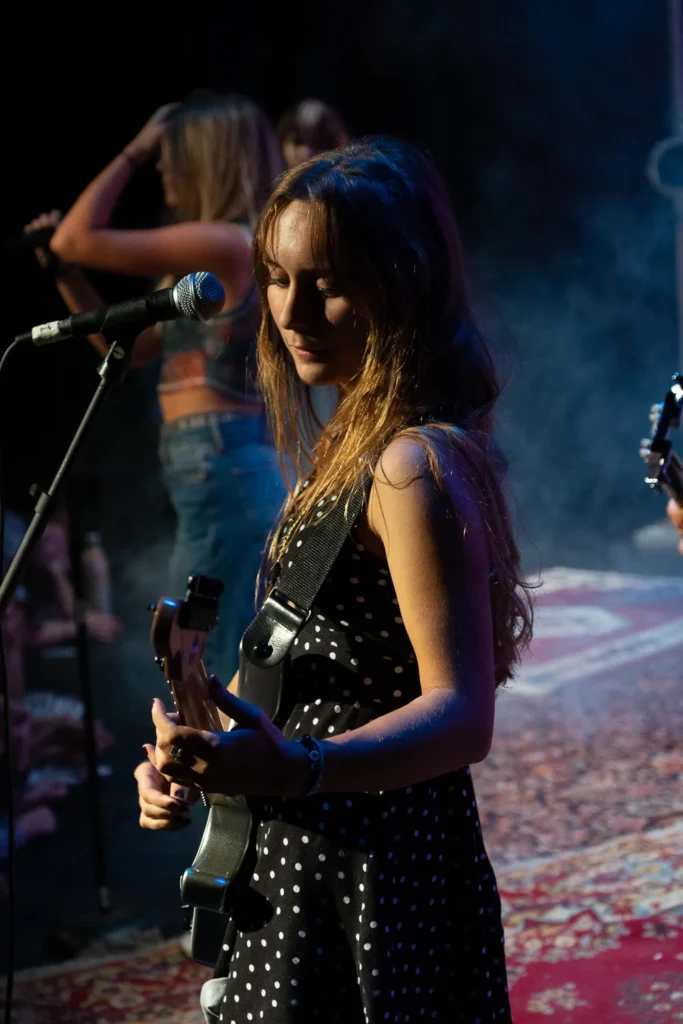
Similarly, in programs like music camp for teens, participants often form bands, write material, and perform live.
The outcome is not hypothetical—it is experienced, shared, and remembered.
Engagement Through Depth, Not Variety
A common challenge in traditional camps is maintaining engagement over time. Rotating activities can sometimes feel disconnected, especially for older participants who are seeking more meaningful involvement.
Specialized environments address this by allowing participants to stay engaged in a single focus area for extended periods.
For example:
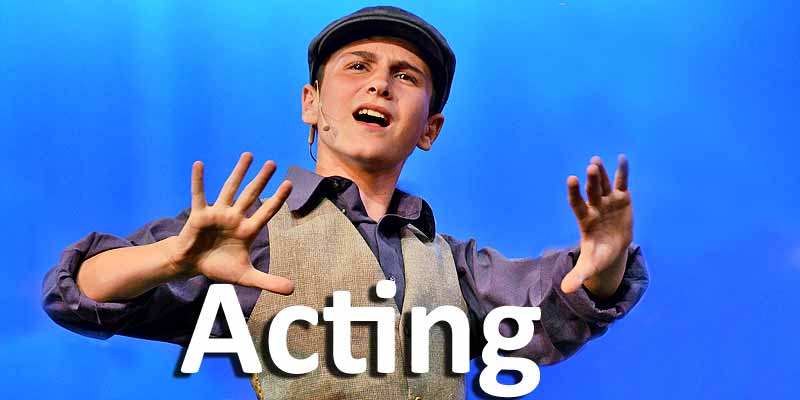
- Musical theatre camp in New York programs involve continuous rehearsal and character development
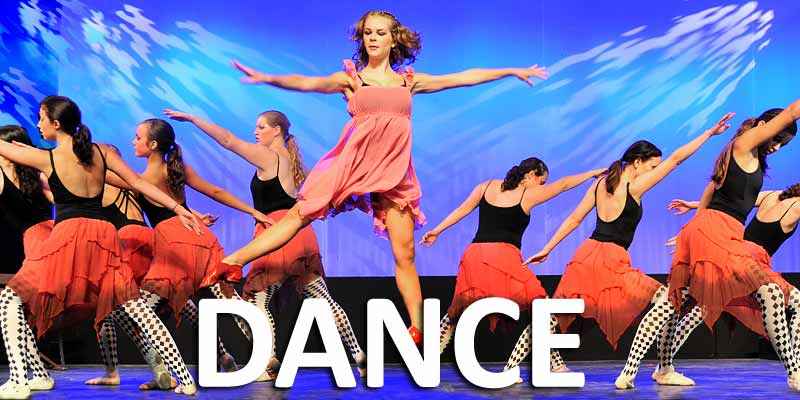
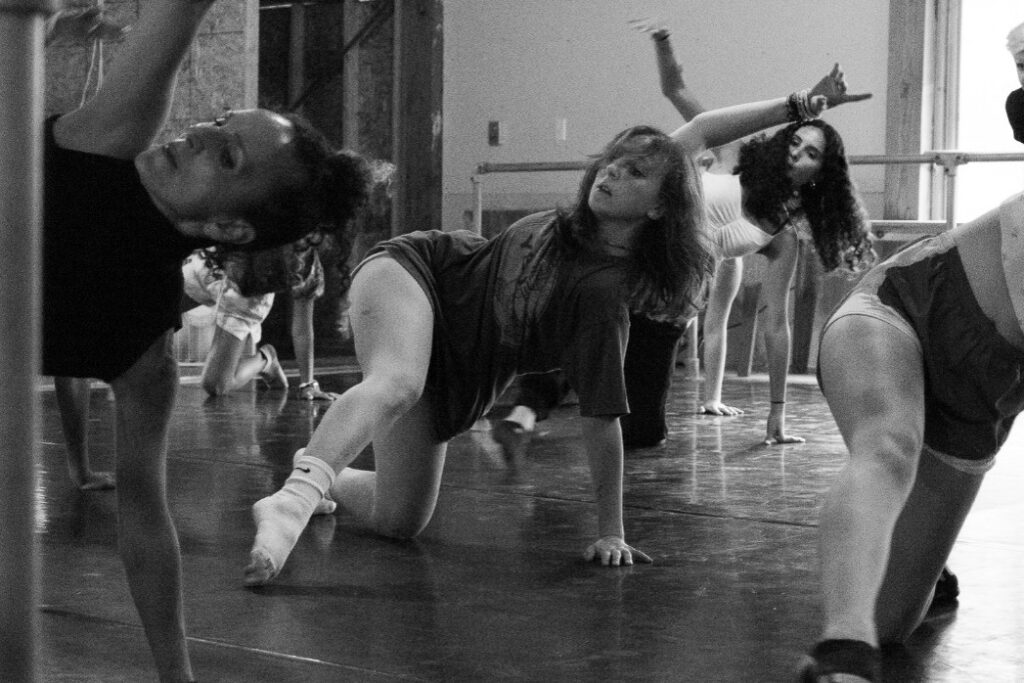
- Summer dance camps require consistent practice and group coordination
- Arts camp programs often integrate multiple disciplines into one production
This sustained engagement often leads to higher levels of focus and personal investment.
Skill Development That Extends Beyond the Arts
While these programs are centered on creative disciplines, the skills developed extend far beyond performance.
Participants in performing arts summer camps regularly build:
- Communication skills through group collaboration
- Time management through rehearsal schedules
- Adaptability through live performance challenges
- Confidence through public presentation
Research from the National Endowment for the Arts has shown that sustained engagement in the arts is associated with improved academic outcomes and stronger social development.
This reinforces the idea that a specialized arts intensive is not only about artistic growth, but also broader developmental impact.
Why 2026 Is a Turning Point
Several factors are contributing to the growing relevance of specialized programs:
- Increased Exposure to Creative Careers
Young people are now more aware of pathways in performance, media, and production. - Demand for Experiential Learning
Educational systems are placing greater emphasis on applied learning. Programs like performing arts campsalign with this approach. - Desire for Meaningful Experiences
There is a growing preference for experiences that feel purposeful rather than purely recreational.
The Social Factor: Collaboration Over Competition
Another defining feature of specialized camps is the collaborative environment.
Unlike competitive sports or individual activities, creative intensives often rely on group success. A production cannot function without coordination between performers, musicians, and technical teams.
In settings like performing arts sleepaway camps, dance camps, music summer camps, participants learn how to:
- Work within a group structure
- Support others’ roles
- Contribute to shared goals
This collaborative framework reflects real-world creative industries, where teamwork is central.
From Passive Participation to Active Creation
Traditional camps often position participants as consumers of activities. Specialized programs shift that role—participants become creators.
Instead of attending a session
They are:
- Building a performance
- Producing a show
- Contributing to a creative outcome
This shift from passive to active participation is one of the main reasons specialized programs are gaining attention.
A New Standard for Summer Learning
The growing interest in the specialized arts intensive reflects a broader change in how summer is being understood. Families and students are moving away from general exposure models and toward experiences that offer depth, collaboration, and meaningful outcomes.
While traditional camps still hold value, they are no longer the default choice for those seeking structured growth.
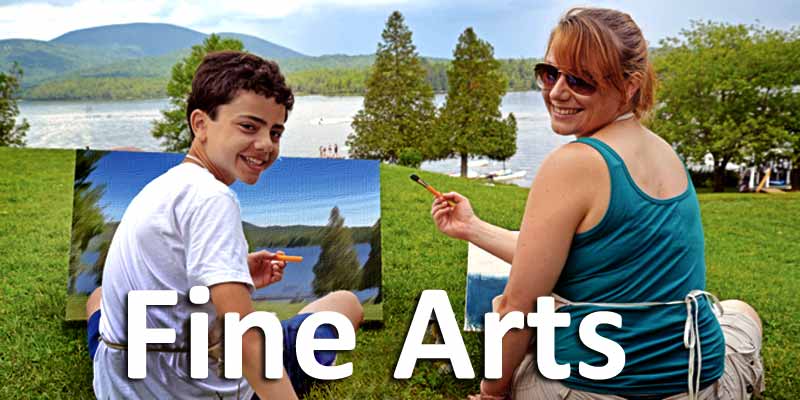
At Long Lake Camp for the Arts, participants engage in theater, music, dance, and visual arts within an immersive environment designed around sustained creative work. The focus is not on sampling activities, but on building something real through collaboration and practice. Contact us now to learn more about programs designed for focused artistic development and immersive summer experiences.
For questions or support with the enrollment process, you can reach our winter office in the NYC metro area: 199 Washington Avenue, Dobbs Ferry, NY 10522