For decades, a “successful summer” for teenagers has often been defined in one of two ways: getting a summer job or staying academically productive. In the United States, data from the Bureau of Labor Statistics shows that a significant portion of teens still work part-time during summer months, most commonly in retail and food service roles.
At the same time, participation in residential creative programs has been steadily rising. Families are increasingly considering structured arts environments not just as enrichment, but as serious developmental spaces. This shift is reflected in growing interest in immersive programs such as Long Lake Camp for the Arts, where creativity is centered as a daily practice rather than an extracurricular activity.
This raises an important question: what does a summer actually build in a young person—income alone, or something longer lasting?
Work Experience vs. Creative Experience
Summer jobs, especially in retail, often introduce teens to responsibility, punctuality, and customer interaction. These are valuable experiences. However, they are typically structured around repetition and task completion.
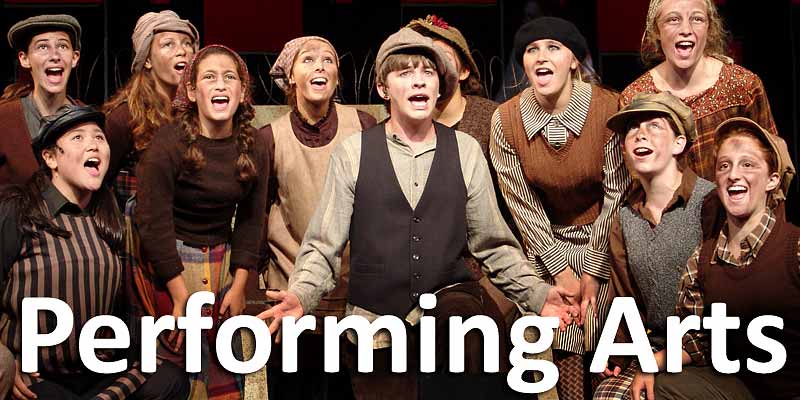
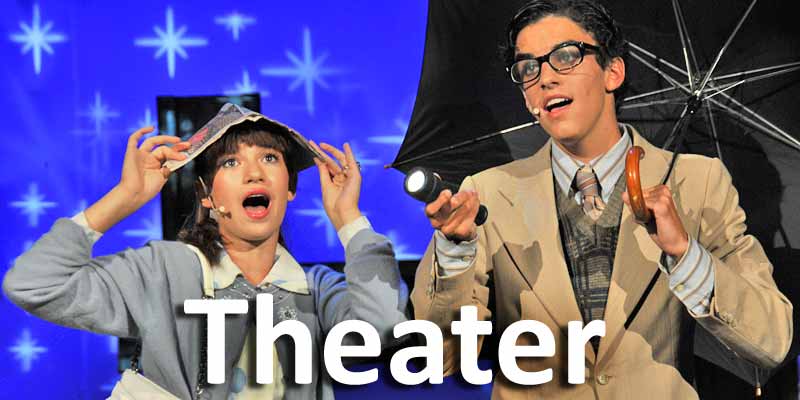
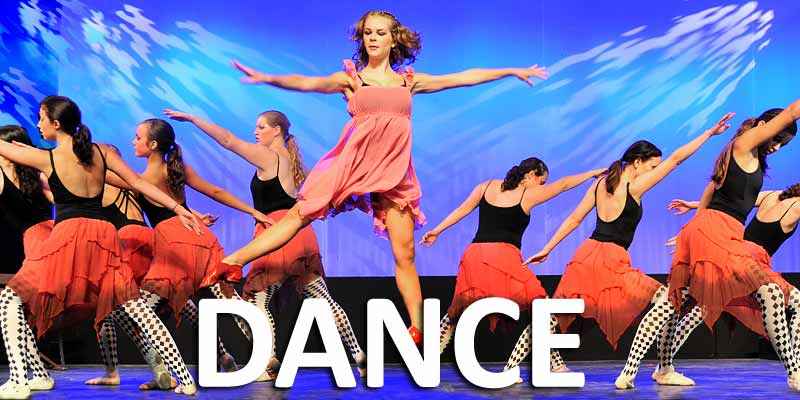
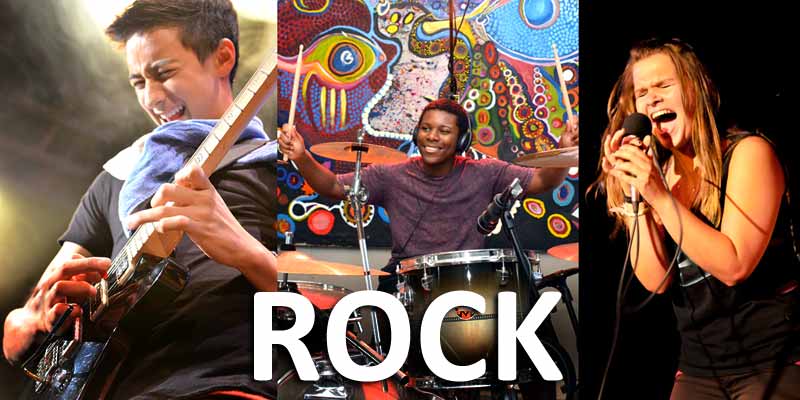
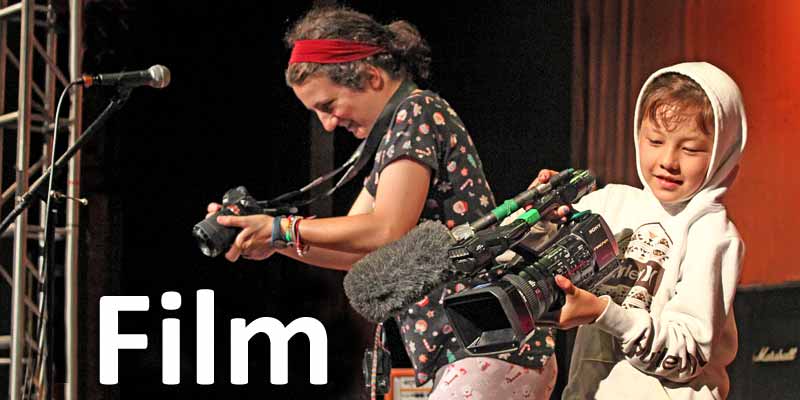
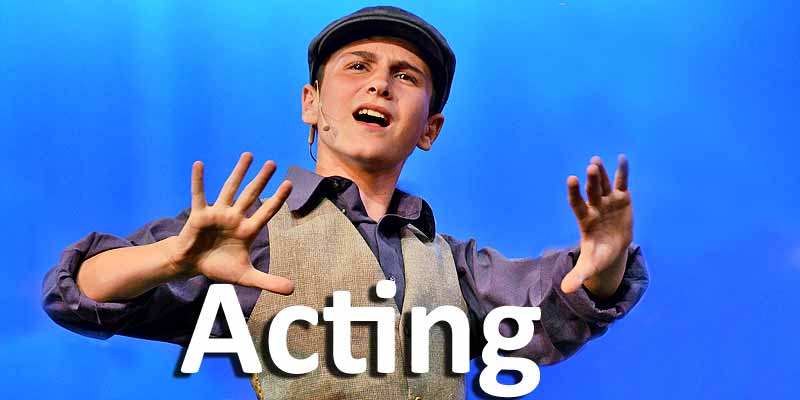
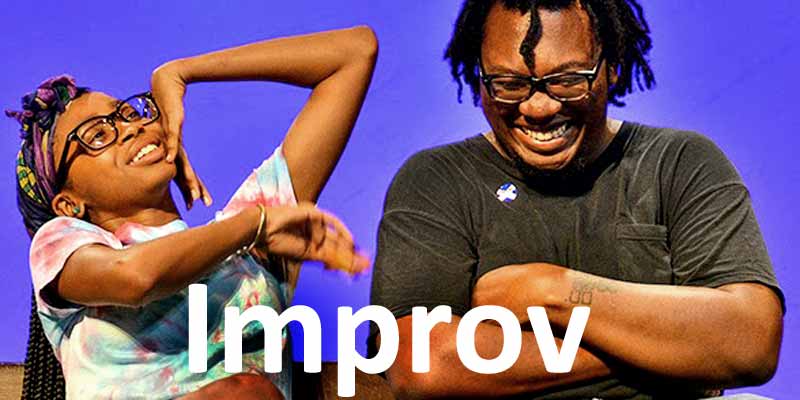
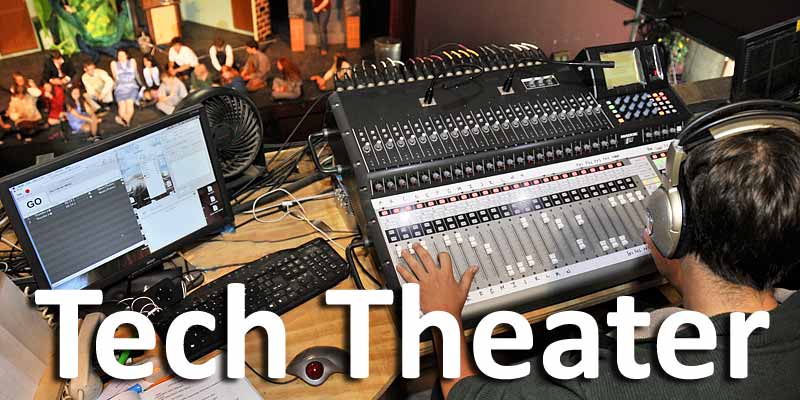
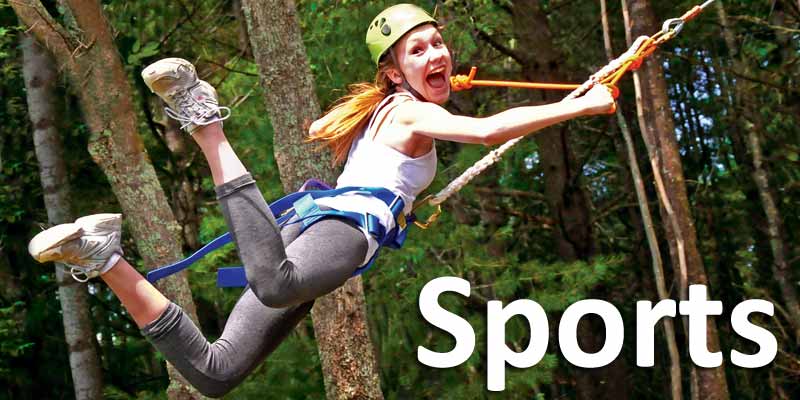
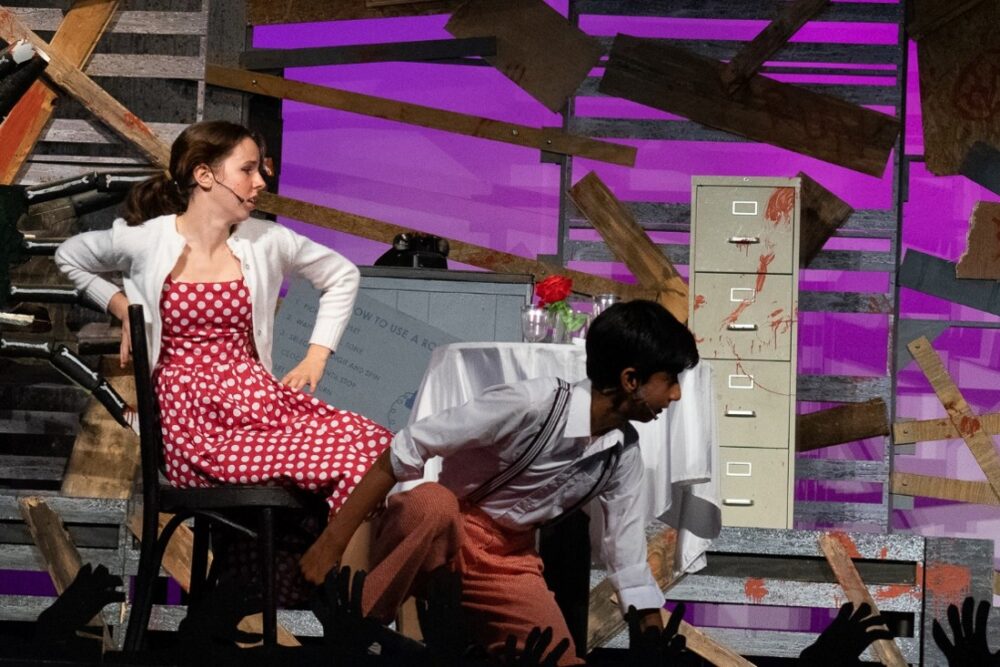
By contrast, environments such as theater camps or broader performing arts camps in New York function differently. In places built around theater, music, dance, and visual arts, young people are not just completing tasks—they are contributing to shared creative outcomes.
The difference is subtle but important:
- Retail work trains consistency under routine conditions
- Creative programs train adaptability within collaboration
- One is transactional, the other is expressive
This is where the idea of creative summer vs. working becomes more than a comparison—it becomes a question of what kinds of skills are being prioritized during a formative stage of life.
Soft Skills Developed Through Creative Living
One of the strongest arguments for sleepaway art programs is the development of interpersonal and cognitive flexibility skills.
Educational research consistently shows that collaboration, communication, and creative problem-solving are increasingly important in both academic and professional settings. These skills are central to future workforce readiness.
In overnight performing arts camp settings, these skills are not taught in isolation—they are practiced daily.
For example, in environments like:
- Theater-focused programs
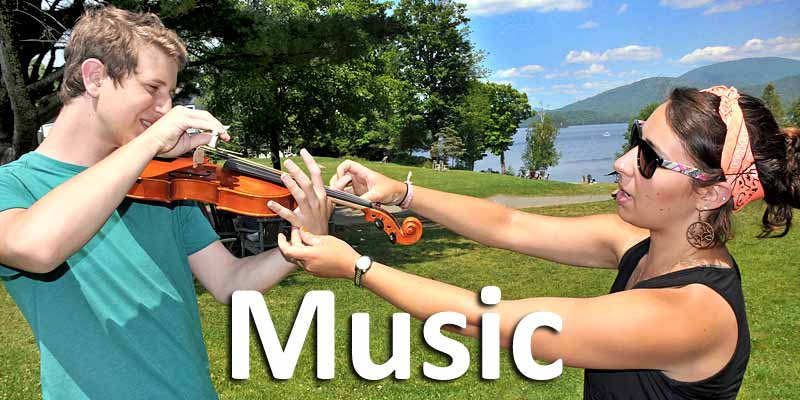
- Music ensembles
- Dance rehearsals
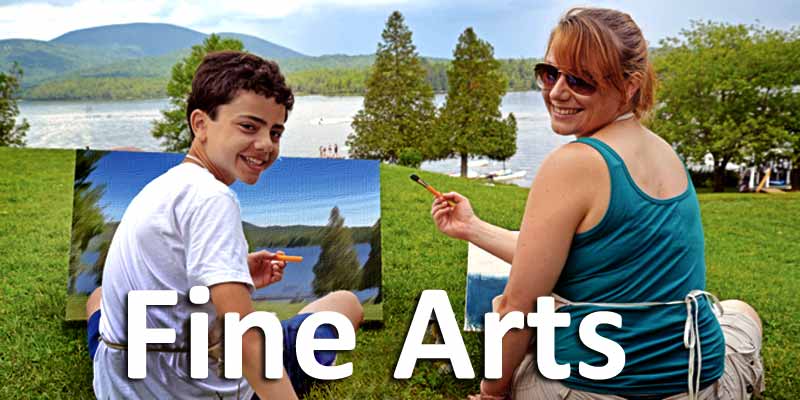
- Collaborative visual arts spaces
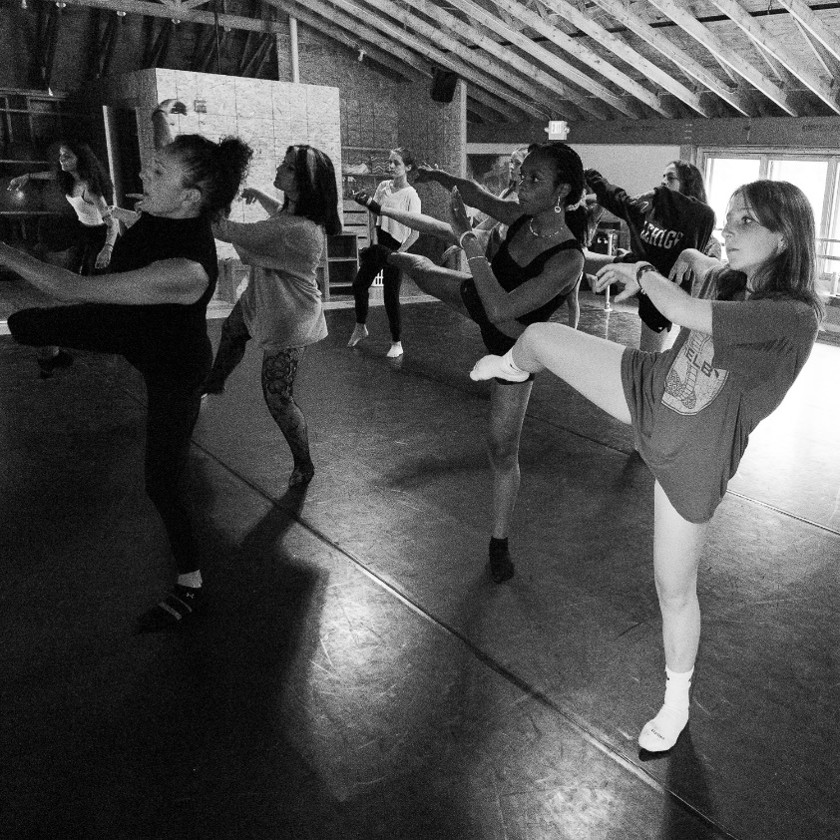
Participants must constantly negotiate ideas, listen actively, and adjust their work in real time. Unlike short-shift job environments, these settings allow relationships and communication styles to develop over an extended time.
Why Memory and Experience Matter
One of the most overlooked differences between working and attending a sleepaway program is how the experience is remembered. Emotionally engaged, socially connected experiences are more strongly encoded in long-term memory than repetitive task-based work.
Sleepaway environments like performing arts sleepaway camps in NY create sustained shared experiences—living, rehearsing, and performing in the same space.
This is one reason programs like Long Lake Camp are often described not just as camps, but as formative experiences.
Identity Formation Happens in Creative Space
Adolescence is a period where identity is actively forming. Young people are not just learning skills—they are learning who they are in relation to others.
Creative environment settings, such as performing arts camps, support this process in a way that structured employment typically does not.
In artistic residential settings, participants can try different roles. This flexibility allows for experimentation without long-term consequences. In contrast, summer jobs usually require consistency in a single role. This difference matters when considering long-term confidence and self-awareness.
Social Learning in Immersive Environments
Another major distinction is the social structure.
In a workplace, interactions are often brief, task-focused, and hierarchical. In a sleepaway performing arts camp, social learning happens continuously—during rehearsals, meals, downtime, and performances.
This creates a different type of relationship building:
- Longer shared time
- Deeper collaboration
- More informal mentorship between peers
Over time, this supports stronger communication habits and comfort working in groups. Programs built around performing arts and music often reflect this structure, where collaboration is constant rather than occasional.
Creativity as a Long-Term Skill Set
One of the most significant advantages of creative summer programs is that they build transferable thinking patterns.
Rather than focusing on one output, participants learn how to:
- Generate ideas collaboratively
- Adapt to feedback
- Solve problems in real time
- Stay engaged through uncertainty
These skills extend beyond the arts fields. They are relevant in education, technology, leadership, and communication roles later in life.
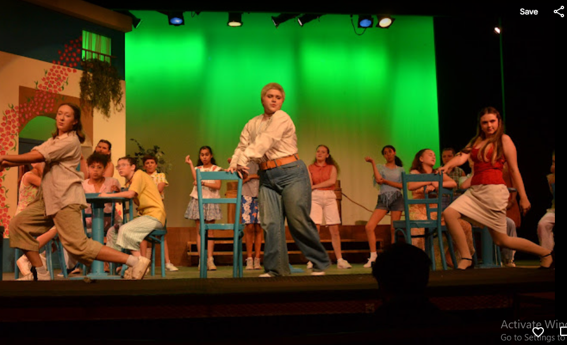
While a summer job builds operational discipline, creative environments build adaptive thinking.
Two Summers, Two Outcomes
The question is not whether a summer job or a creative program is “better” in absolute terms. The more useful question is: what kind of growth is being prioritized during a limited window of time? A job builds structure and responsibility. A creative sleepaway experience builds expression, collaboration, and self-understanding.
When viewed through that lens, the choice becomes less about status and more about direction. At Long Lake Camp for the Arts, participants spend their summers working across theater, music, dance, and visual arts in a residential environment designed for creative growth and shared experience. Contact us now to learn more about our programs that focus on creativity, collaboration, and personal development in a structured artistic setting.
For questions or support with the enrollment process, you can reach our winter office in the NYC metro area: 199 Washington Avenue, Dobbs Ferry, NY 10522