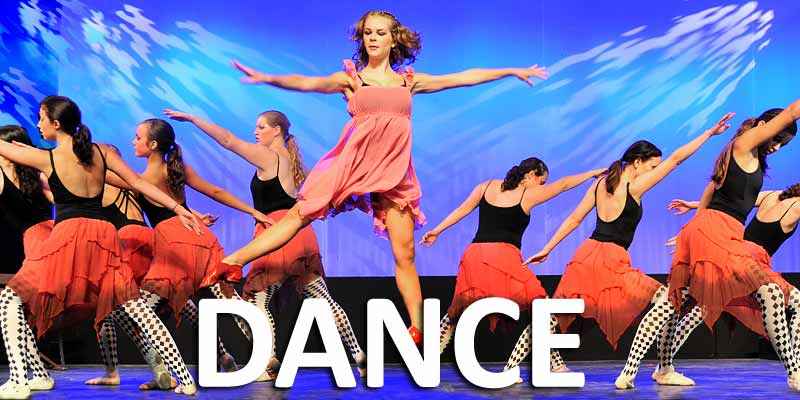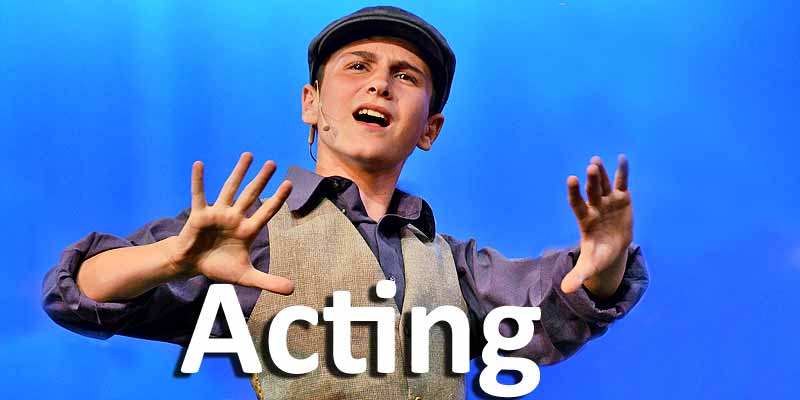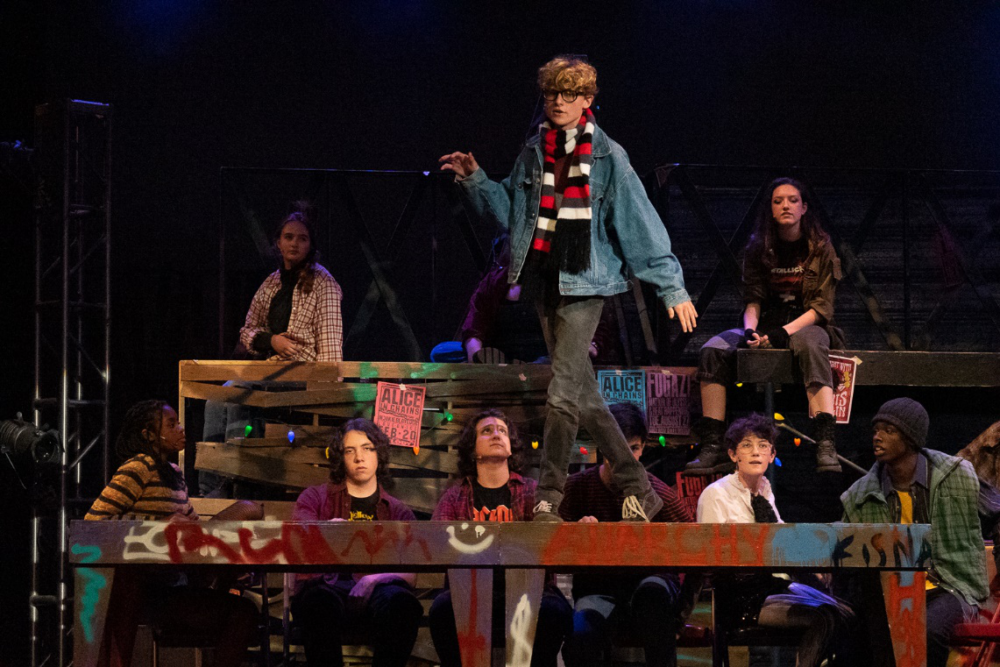
Research consistently shows that high-pressure environments can limit creative output. A study found that individuals working under evaluative pressure produced fewer original ideas compared to those in low-stress settings. Similarly, the American Psychological Association has reported that performance anxiety can reduce both confidence and long-term engagement in artistic activities.
This is where the advantages of a non-competitive camp become clear. By removing auditions, rankings, and constant comparison, students are given the space to experiment, take risks, and grow at their own pace. Performing arts camps in New York emphasize development over perfection, creating an environment where creativity can thrive naturally.
At institutions like Long Lake Camp for the Arts, this philosophy is embedded into daily life, allowing students to focus on progress rather than performance pressure.
Growth Over Perfection: A Foundational Philosophy
Non-competitive environments shift the focus from outcomes to improvement. Instead of striving to outperform peers, students are encouraged to refine their abilities gradually.
In many traditional settings, success is often measured through:
- Audition results
- Lead role assignments
- Rankings or public evaluations
In contrast, performing arts summer camps that adopt a non-competitive approach emphasize:
- Open access with no audition needed to join
- Personal progress over comparison
- Skill-building through repetition
- Confidence developed through practice
Once at camp, students may audition for productions, but these opportunities are framed as part of the learning process rather than high-stakes evaluation. This approach aligns with modern educational frameworks that prioritize mastery learning.
Students attending a 2026 performing arts camp benefit from an environment where mistakes are viewed as part of the learning process rather than failures.
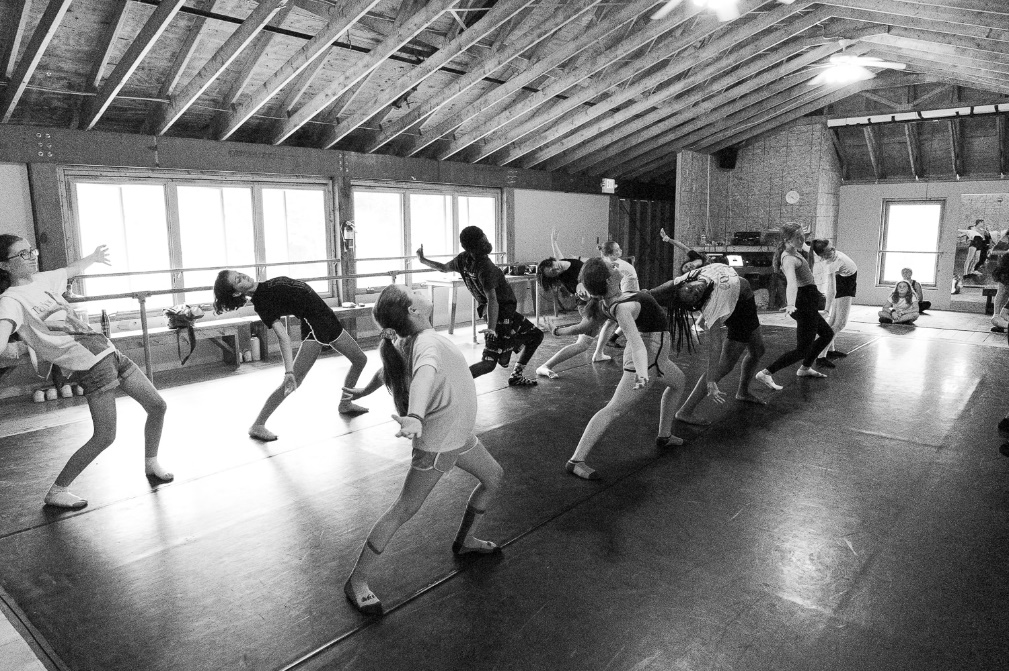
Increased Willingness to Take Creative Risks
One of the most significant advantages of a non-competitive camp is the freedom to take risks without fear of judgment. When students are not concerned about being evaluated against others, they are more likely to try new disciplines and push beyond their comfort zones.
At art sleepaway summer camps, students often experiment with multiple forms of expression in a single day. For example, a camper might:
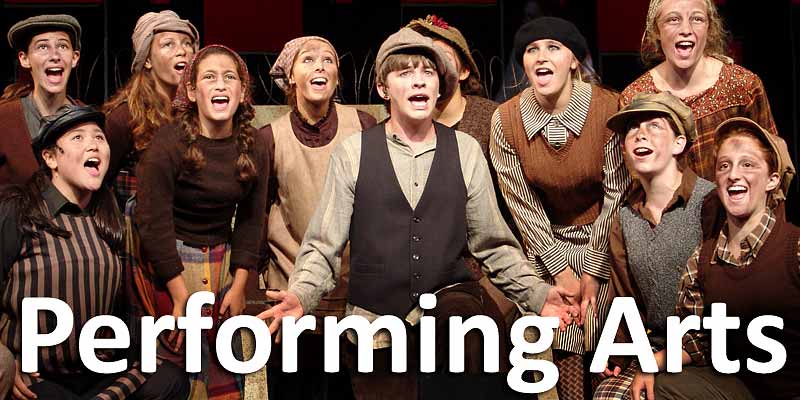
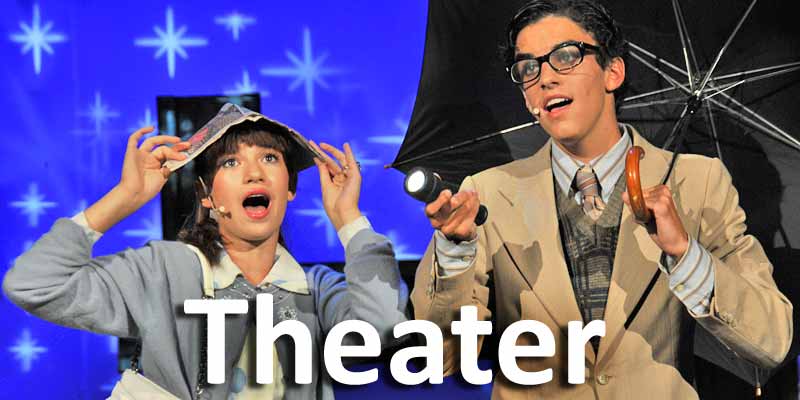
- Participate in theater sessions in the morning
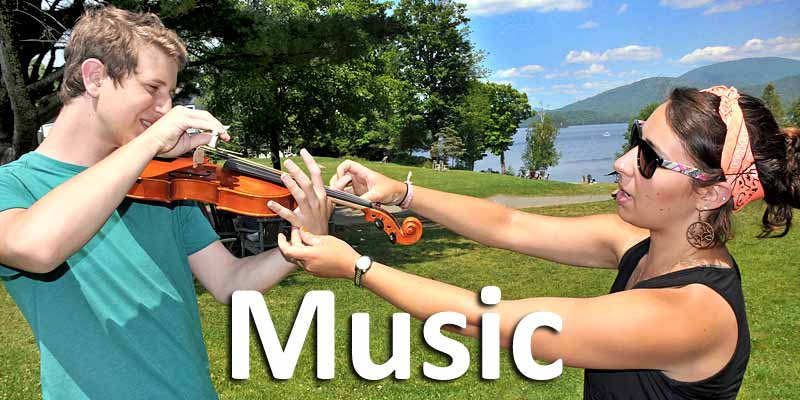
- Join music activities in the afternoon
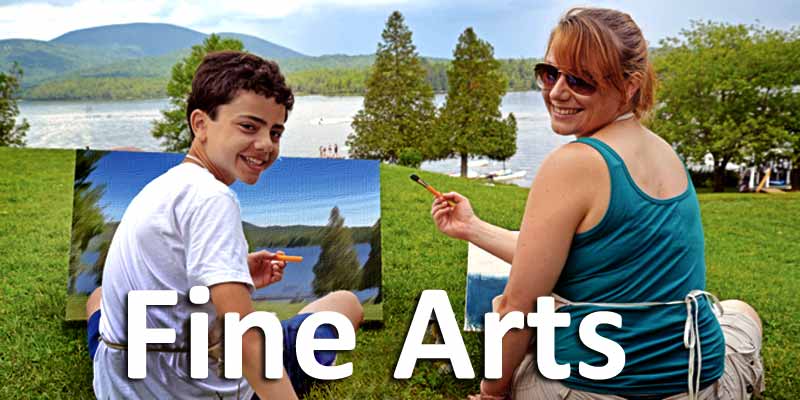
- Engage in visual arts during evening studio time
Even when auditioning for roles within camp productions, the environment remains supportive. Students understand that auditions are part of learning rather than a measure of personal worth.
This distinction encourages broader participation and more authentic creative expression.
Psychological Benefits of a Low-Pressure Environment
A non-competitive setting contributes significantly to mental well-being. According to research from the National Endowment for the Arts, participation in arts programs is associated with improved emotional regulation and reduced stress levels. These benefits are amplified when the environment is supportive rather than competitive.
Students attending art summer camp often report:
- Lower levels of performance anxiety
- Increased willingness to participate
- Greater enjoyment of the learning process
In programs such as performing arts summer camp, the absence of competition allows students to focus entirely on their creative work. This leads to stronger engagement and longer-lasting interest in the arts.
Flexibility and Multi-Discipline Learning
Another defining feature of non-competitive programs is flexibility. At Long Lake Camp, campers often have full control over their schedules, ensuring that no two days are the same.
This structure allows students to combine multiple disciplines, such as:
- Theater
- Music through music camp
- Performance training through dance camps
The ability to shift between activities supports well-rounded development. Students attending New York performing arts camp are not restricted to a single track, which leads to broader skill acquisition and increased engagement.
Building Confidence Without Comparison
Confidence in young artists is often fragile, especially in environments where comparison is constant. Non-competitive settings remove this barrier, allowing students to build self-assurance gradually.
At theater summer camps, students are encouraged to:
- Perform without fear of judgment
- Collaborate rather than compete
- Focus on personal milestones
Similarly, in rock music camps, students gain confidence through group performance rather than individual ranking.
This approach ensures that every participant, regardless of skill level, feels valued and motivated to continue improving.
Encouraging Long-Term Artistic Engagement
One of the most overlooked advantages of a non-competitive camp is its impact on long-term participation in the arts. Studies indicate that students who associate learning with positive experiences are more likely to continue those activities into adulthood.
Performing arts summer camps create an environment where students develop a genuine interest in creative expression.
By removing pressure, these camps foster:
- Sustained motivation
- A positive relationship with learning
- Continued participation in artistic activities
Students who attend music camp for teens often return for multiple seasons, reflecting the long-term value of a supportive environment.
Why a Non-Competitive Approach Matters
The advantages of a non-competitive camp extend far beyond skill development. By removing pressure, these programs create an environment where creativity, confidence, and personal growth can develop naturally.
At Long Lake Camp for the Arts, students benefit from flexible schedules, multi-disciplinary learning, and a philosophy centered on growth rather than comparison. This approach not only supports artistic development but also contributes to emotional well-being and long-term engagement in the arts. For families seeking a program that prioritizes creativity without pressure, non-competitive camps provide a meaningful alternative to traditional models. Contact us now to learn more about how we support creative growth in a non-competitive environment.
For questions or support with the enrollment process, you can reach our winter office in the NYC metro area:
199 Washington Avenue, Dobbs Ferry, NY 10522