Adolescent self-esteem has become a growing concern in recent years. According to the American Psychological Association, report experiencing periods of low self-confidence, often linked to academic pressure and social comparison. At the same time, research from the National Endowment for the Arts shows that participation in structured creative programs is associated with higher levels of self-expression, resilience, and confidence in young people.
Within this framework, the concept of self-esteem through creative risks has gained attention. Arts-based summer programs provide an environment where students are encouraged to take creative chances without fear of judgment. In settings such as performing arts sleepaway camps, participants are supported by instructors and peers, making it easier to step outside comfort zones and develop a stronger sense of identity.
The Role of Creative Risk-Taking in Personal Growth
Creative risk-taking involves attempting unfamiliar techniques, performing in front of others, or presenting original ideas. These experiences challenge students to confront uncertainty while building confidence through action.
At performing arts camps, campers are encouraged to:
- Try new artistic disciplines beyond their primary interest
- Perform or present work in front of peers
- Accept constructive critique from instructors
- Experiment with original ideas and styles
In environments like arts camp, this process is structured to support growth rather than perfection. The emphasis on progress over outcome contributes directly to self-esteem through creative risks.
A Supportive Environment That Encourages Bravery
A defining feature of summer camps is the creation of a psychologically safe environment. Students are surrounded by peers who share similar interests, reducing the fear of negative judgment.
Key elements of this supportive setting include:
- Small group instruction in art camp for teens
- Collaborative projects
- Group performances
- Studio-based learning
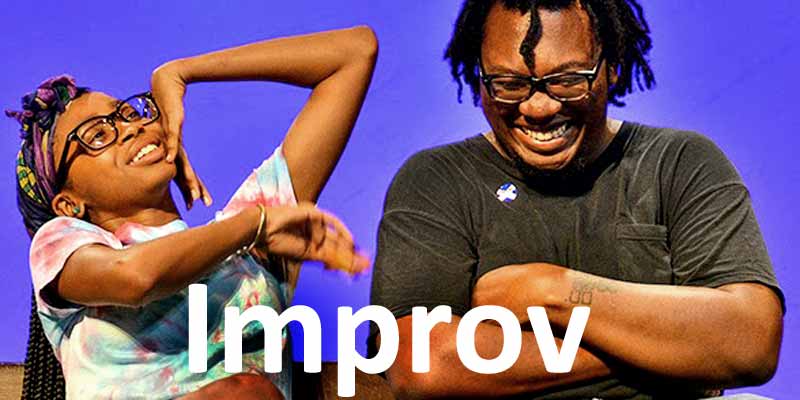
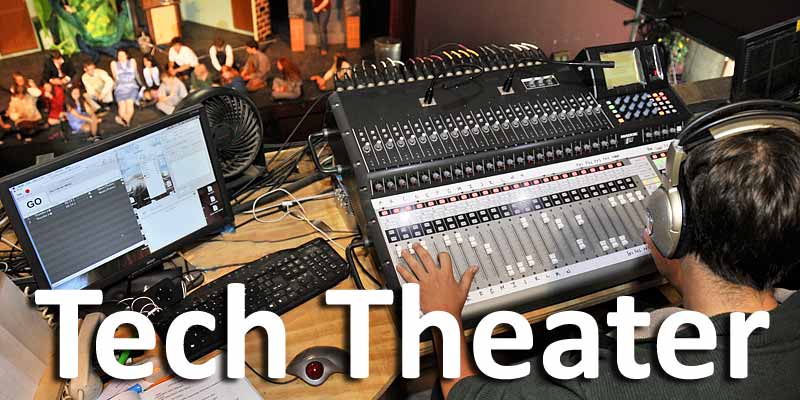
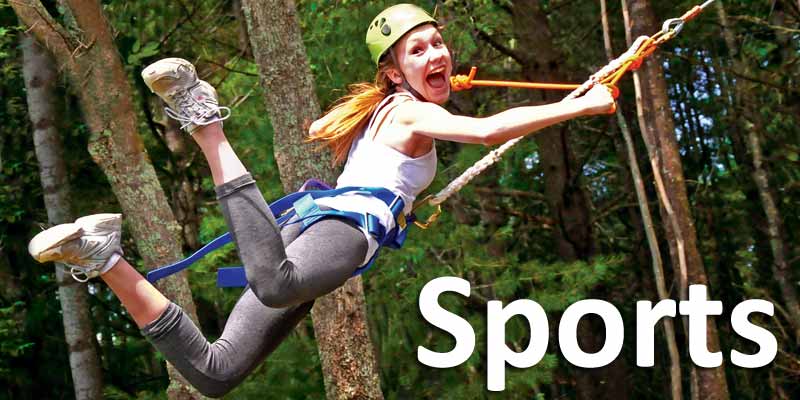
At programs such as Long Lake Camp for the Arts, students are encouraged to participate in multiple disciplines. Campers have full flexibility over their schedules, allowing them to take theatre in the morning, music sessions in the afternoon, and movement-based classes later in the day. This structure ensures that no two days are the same, creating a varied environment where students feel comfortable trying new activities.
Overcoming Fear of Failure
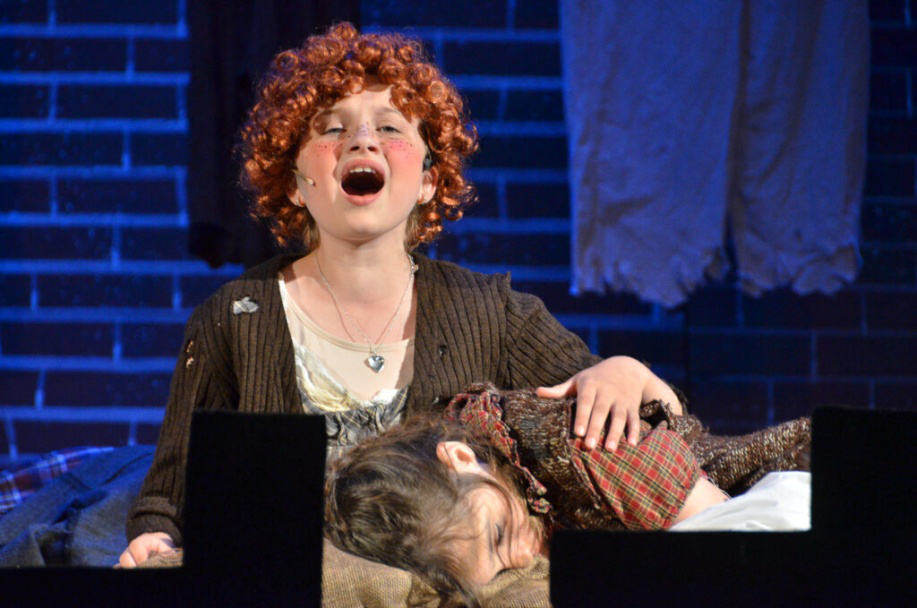
Fear of failure is one of the most significant barriers to self-esteem in adolescents. Creative environments at overnight art camps are designed to reframe failure as part of the learning process.
Students in art summer camps are guided to:
- View mistakes as opportunities for improvement
- Revisit and refine their work through feedback
- Develop persistence in completing challenging tasks
- Recognize progress over time
Research shows that environments that normalize trial and error lead to higher resilience. Within performing arts summer camps, this mindset contributes significantly to building confidence.
Peer Support and Collective Growth
Social interaction is a central component of residential arts programs. In overnight camps, students form strong peer connections through shared creative efforts.
Benefits of peer-supported learning include:
- Encouragement during performances and presentations
- Shared feedback and idea exchange
- Increased motivation through group participation
- Development of communication and collaboration skills
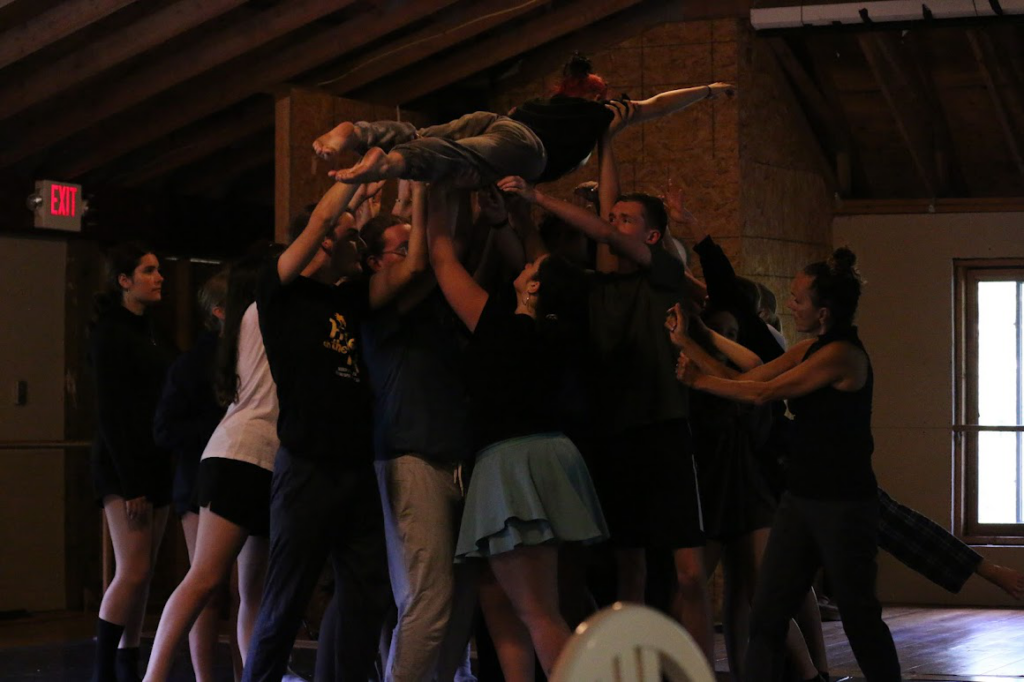
Performing arts camps bring together students from diverse backgrounds, creating a community built around shared artistic goals. This sense of belonging contributes to improved self-esteem and emotional stability.
Skill Development and Confidence Building
As students improve their technical abilities, their confidence naturally increases. Structured training in dance, music, and theatre summer camps provides measurable progress over time.
Examples of confidence-building experiences include:
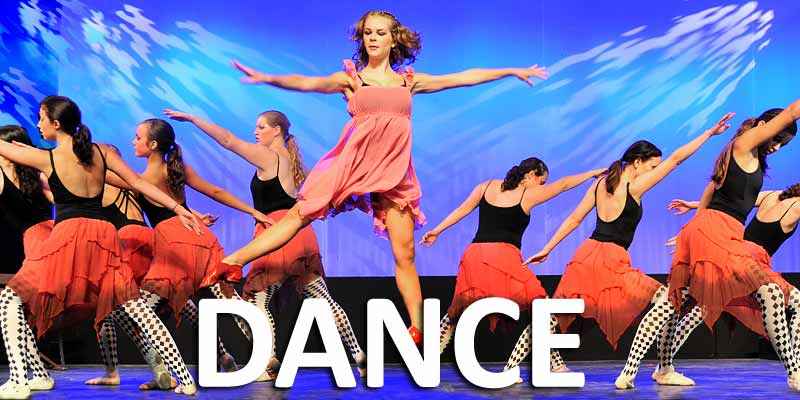
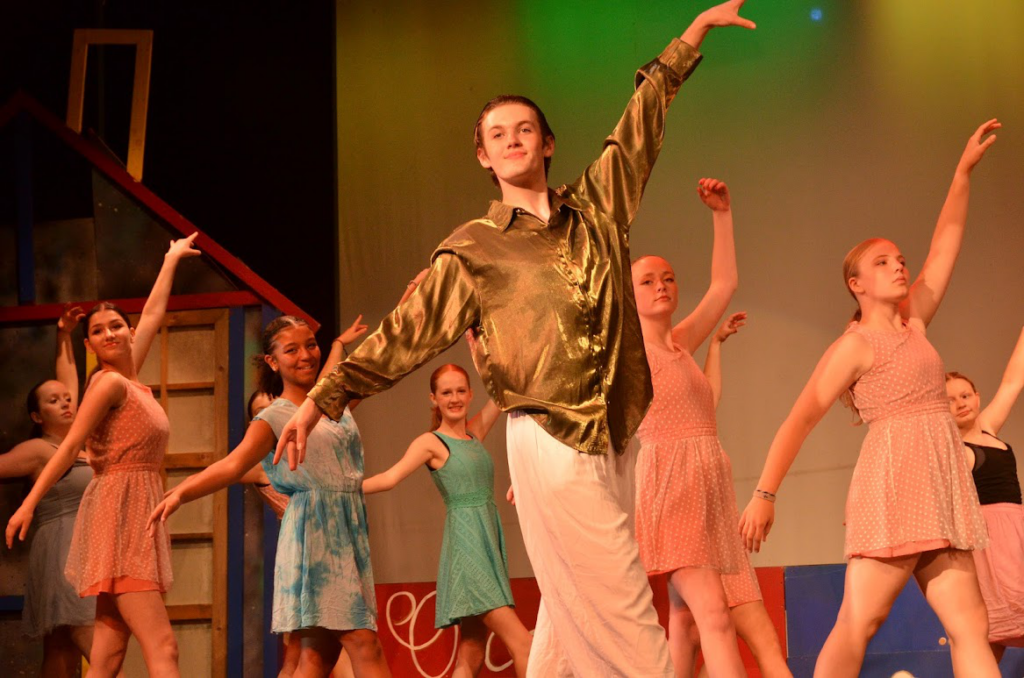
- Learning choreography in dance camps
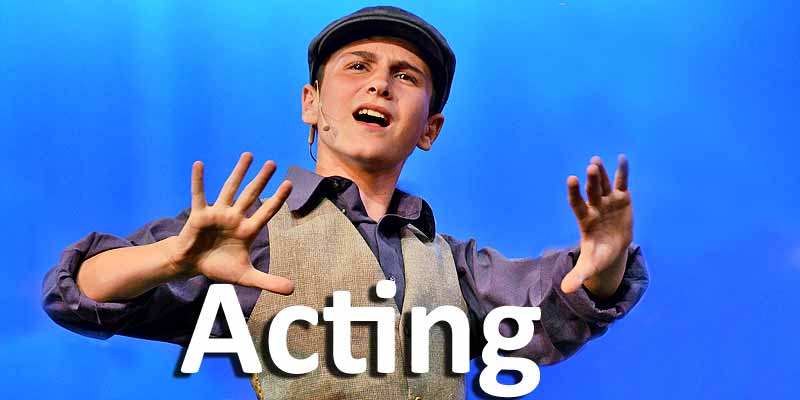
- Performing in productions at a musical theater camp
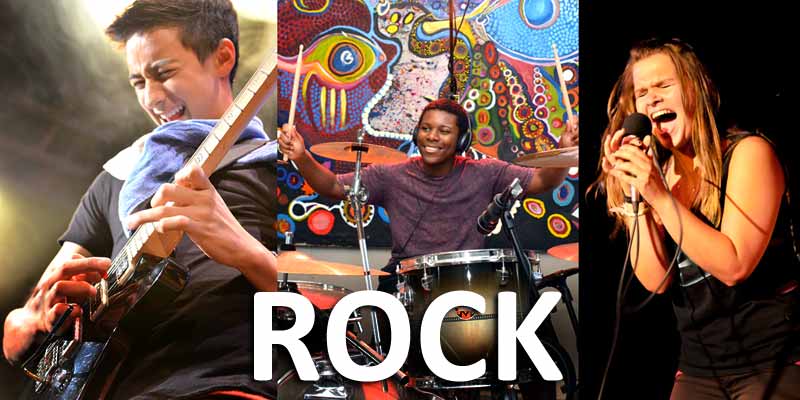
- Participating in ensemble work at rock music camps
- Completing projects in the arts camp
These achievements, whether small or large, reinforce a sense of accomplishment and contribute to long-term confidence.
Cognitive and Emotional Resilience
Creative risk-taking is closely linked to resilience. Students who regularly engage in challenging artistic activities develop the ability to manage setbacks and adapt to new situations.
At arts camp, resilience is strengthened through:
- Continuous practice and revision
- Exposure to diverse artistic styles
- Constructive critique from instructors
- Opportunities to present work publicly
Performing arts summer camp has been associated with improved problem-solving skills and emotional adaptability, both of which support long-term personal development.
Long-Term Impact on Personal and Academic Growth
The benefits of self-esteem through creative risks. extend beyond the camp environment. Students who participate in art camps often carry increased confidence into academic and social settings.
Long-term advantages include:
- Greater willingness to participate in class discussions
- Improved presentation and communication skills
- Increased motivation to pursue creative or academic goals
- Stronger ability to handle constructive feedback
Programs such as Long Lake Camp provide a comprehensive environment where students engage in multiple programs, supporting both artistic and personal growth.
Confidence Built Through Creative Courage
The concept of self-esteem through creative risks highlights the importance of encouraging students to step beyond their comfort zones in a supportive environment. Summer arts programs 2026 provide structured opportunities for experimentation, collaboration, and performance, all of which contribute to stronger self-confidence and emotional resilience.
At Long Lake Camp for the Arts, students benefit from a flexible, multi-disciplinary structure that allows them to shape their own schedules and engage in a wide range of creative activities. Contact us now to learn more about our program that encourages creative risk-taking and supports long-term personal development through structured artistic experiences.
For questions or support with the enrollment process, you can reach our winter office in the NYC metro area:
199 Washington Avenue, Dobbs Ferry, NY 10522