Interest in youth mental wellness has grown significantly in recent years. The World Health Organization reports that nearly 1 in 7 adolescents globally experience a mental health condition, with stress and anxiety among the most common concerns. At the same time, research published by the American Psychological Association indicates that structured creative activities can reduce stress markers and improve emotional regulation in young people. Against this backdrop, the psychological benefits of camp experiences in performing arts settings have gained attention from educators, psychologists, and parents.
Programs such as performing arts sleepaway camp environments provide more than technical instruction. They offer structured creative expression, peer connection, and consistent mentorship, all of which contribute to emotional stability and confidence.
Emotional Expression Through Creative Practice
One of the strongest psychological advantages of arts-based environments is the opportunity for emotional expression. Adolescents often struggle to articulate complex feelings verbally, and creative activity provides an alternative outlet.
At an arts summer camp, students engage in:
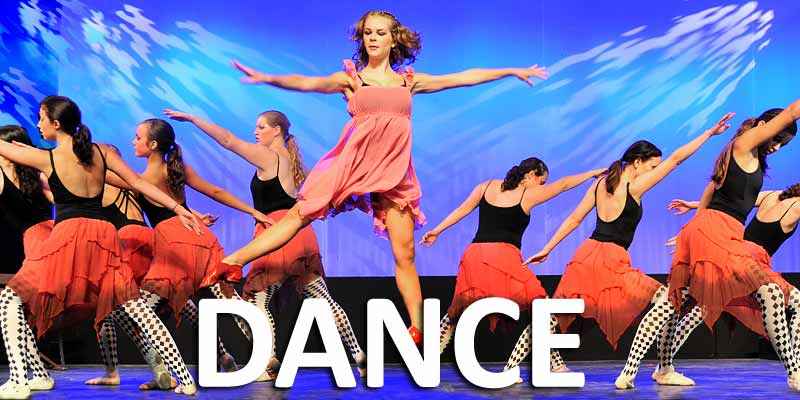
- Movement-based expression in dance camps
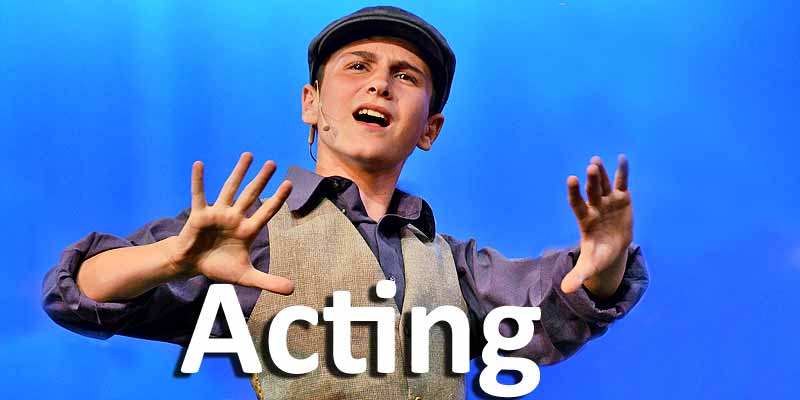
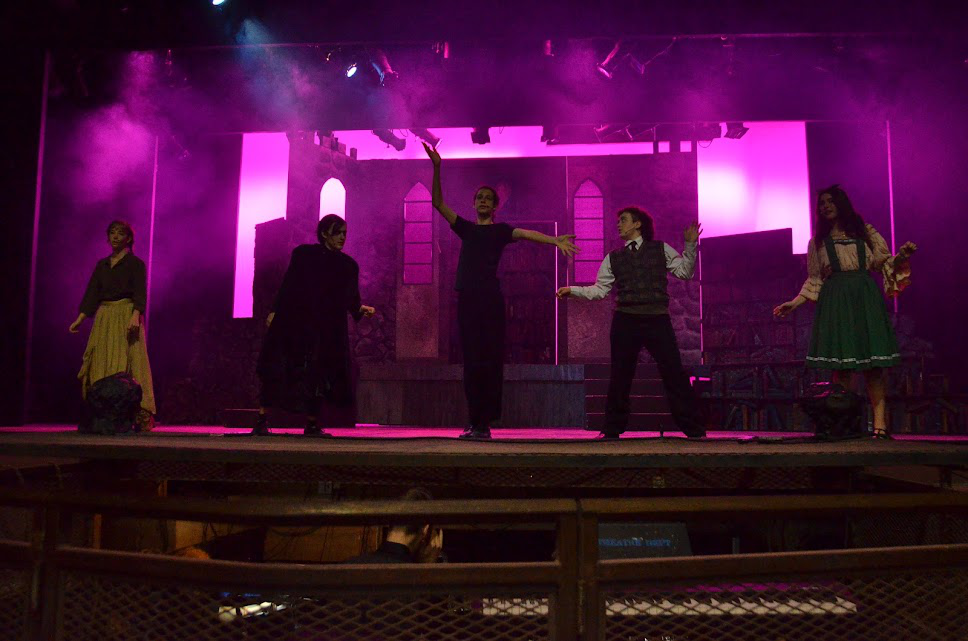
- Character work in theater arts camps
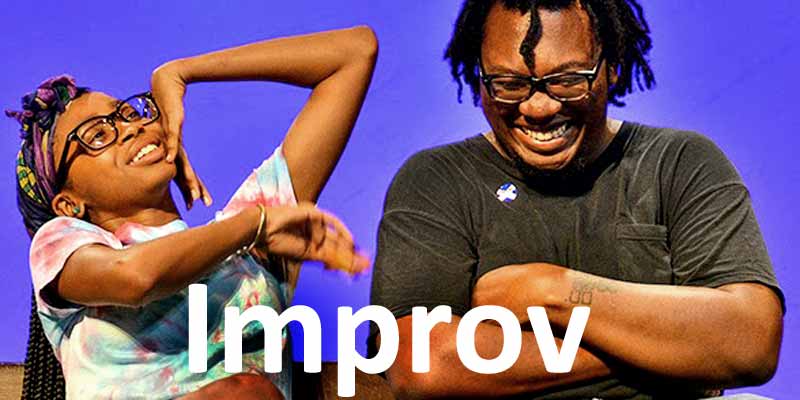
- Improvisation in music summer camp settings
- Visual storytelling in art summer camps
Studies in adolescent psychology suggest that expressive activities reduce internalized stress and improve mood regulation.
Within performing arts camps, students are encouraged to channel emotions into structured creative output, supporting emotional clarity and self-awareness.
Building Confidence Through Skill Development
Confidence development is a recurring outcome in residential arts programs. The process of learning a new skill, receiving feedback, and improving performance contributes directly to self-efficacy.
In programs such as dance camps, students often experience:
- Gradual mastery of movement patterns
- Public performance opportunities
- Instructor feedback sessions
- Peer-supported rehearsals
Similarly, music camp for teens allows participants to build confidence through ensemble performance and individual practice.
Research shows that participation in structured arts programs is associated with higher self-confidence scores compared to non-participating peers.
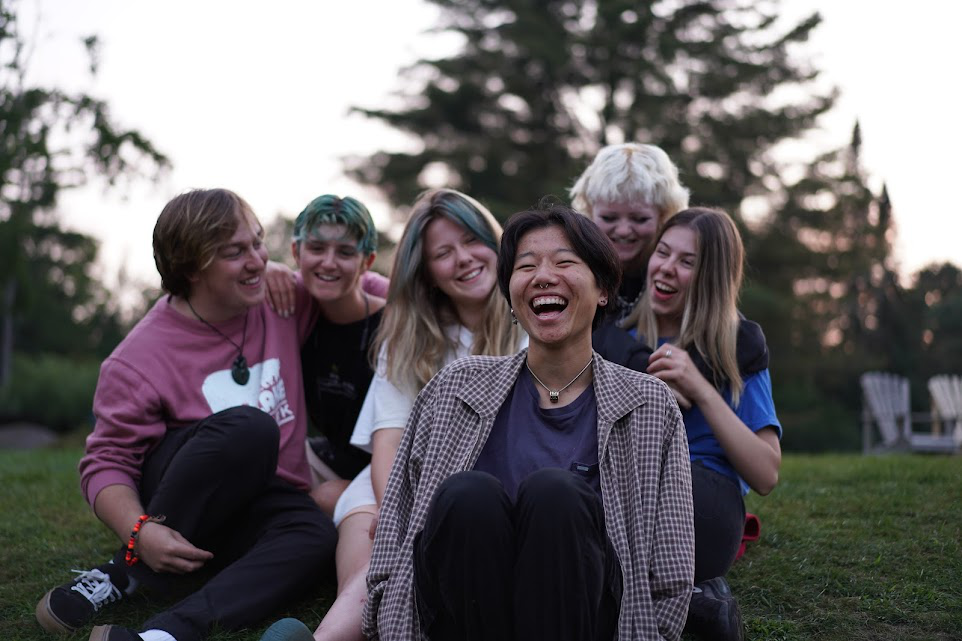
Social Belonging and Peer Connection
Adolescence is a developmental stage where peer relationships significantly influence mental well-being. Residential arts programs create structured social environments that foster connection and belonging.
In overnight art camps, students live and learn together, forming consistent social bonds through shared creative goals.
Key social benefits include:
- Group collaboration in theatre camps
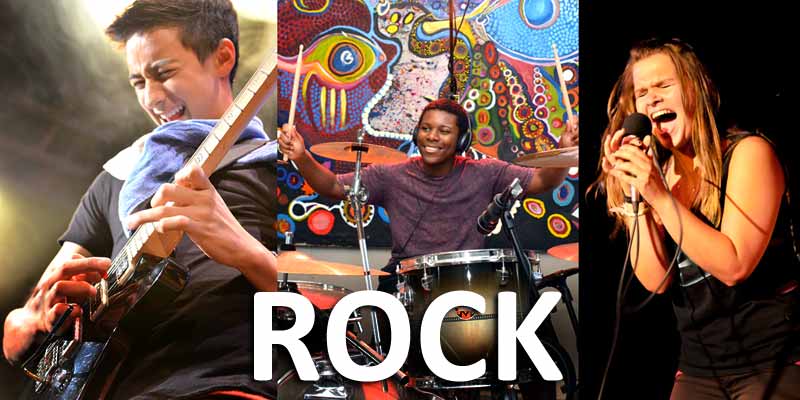
- Ensemble work in rock music camps
- Collaborative productions in musical theater camp
- Shared studio time in art camp
Programs such as Long Lake Camp for the Arts are structured to support cross-disciplinary interaction, allowing students to take part across creative fields.
Stress Reduction and Emotional Regulation
Research in creative arts therapy shows that structured artistic activity can reduce cortisol levels, a biological marker of stress. While camps are not clinical therapy environments, they incorporate similar principles of expressive engagement and routine-based stability.
At a summer arts camp, schedules include:
- Creative sessions
- Physical movement activities
- Group reflection periods
- Instructor-led feedback discussions
These varied daily choices contribute to emotional regulation and support improved mood stability. Students attending arts camp often report a stronger sense of control over their time and creative output, which is closely linked to reduced stress levels.
Identity Formation and Self-Understanding
Creative environments support identity exploration during adolescence. Through role-play, performance, and artistic experimentation, students begin to understand personal preferences and strengths.
Within theater camps, participants explore character development and storytelling. In music camp settings, students experiment with style, rhythm, and collaboration.
Identity development is supported through:
- Solo performances
- Creative writing and staging
- Group composition
- Visual storytelling
Such experiences contribute to self-reflection and personal awareness, which are linked to long-term emotional resilience.
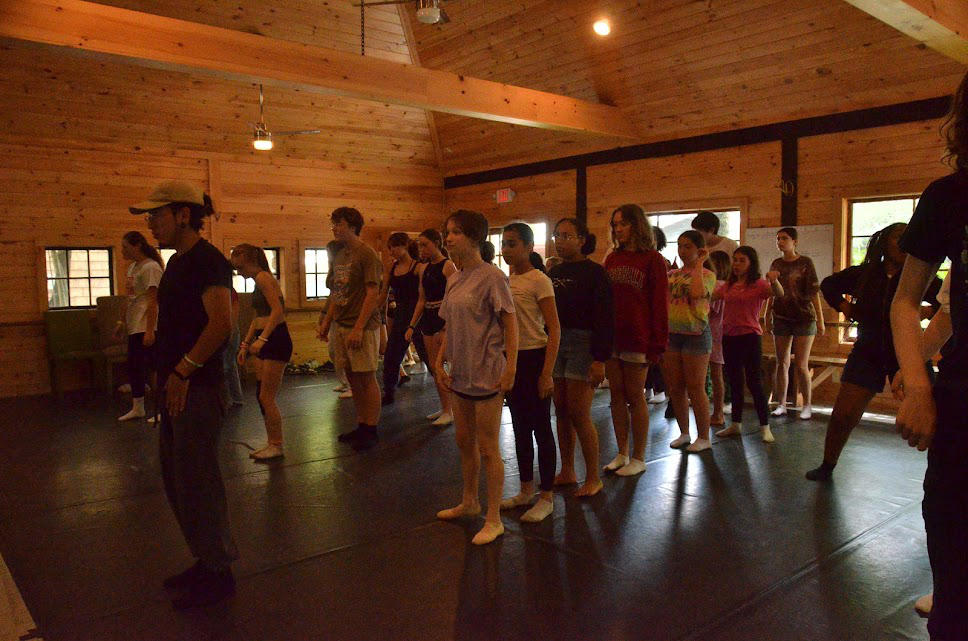
Structured Independence in Residential Settings
Residential programs provide structured independence. Students manage daily routines while still receiving guidance from instructors.
This environment supports:
- Time management skills
- Personal responsibility
- Decision-making confidence
- Adaptation to group living
Programs like Long Lake Camp for the Arts offer flexible scheduling across disciplines, allowing participants to choose activities aligned with their interests. This autonomy supports psychological development by reinforcing decision-making capacity.
Cognitive Benefits of Artistic Training
Beyond emotional outcomes, participation in performing arts camps 2026 is linked to cognitive benefits. Studies in neuroscience suggest that musical and movement training strengthens memory, attention control, and spatial reasoning.
Examples include:
- Instrument training
- Choreography learning
- Script memorization
- Visual composition
These activities stimulate multiple areas of the brain, contributing to improved cognitive flexibility and concentration.
Community and Long-Term Well-Being
A strong sense of community is a defining feature of residential arts programs. Shared creative experiences build lasting social networks that often extend beyond the camp environment.
At performing arts summer camps, students often maintain friendships formed during intensive creative work. This sense of belonging contributes to emotional support systems that persist after camp ends.
These programs foster peer groups centered around shared artistic interests, reinforcing long-term social connections.
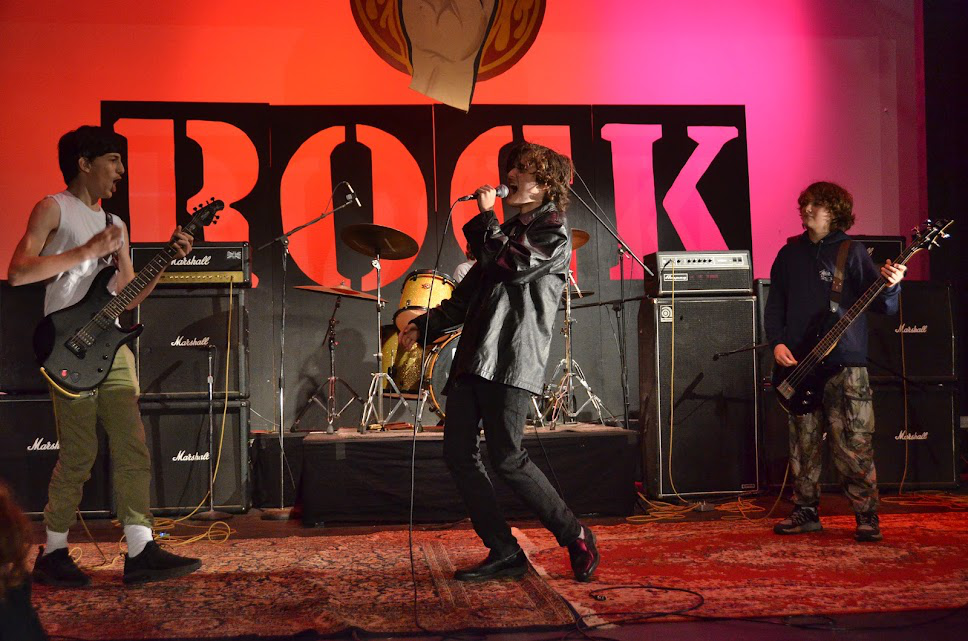
Strengthening Emotional Health Through Creative Environments
The psychological benefits of camp participation in performing arts settings are well supported by research in adolescent development and creative education. From emotional expression to identity formation, structured arts programs provide a supportive environment where young people can build confidence, resilience, and social connection.
At Long Lake Camp for the Arts, we offer a wide range of opportunities across performing arts, theatre, dance, and music camps for teens, creating an environment where students engage in multiple disciplines and form meaningful peer connections. Contact us now to learn more about our programs that align with your creative interests and support personal growth through structured artistic engagement.
For questions or support with the enrollment process, you can reach our winter office in the NYC metro area:
199 Washington Avenue, Dobbs Ferry, NY 10522