Early exposure to professional environments significantly impacts long-term success. According to the National Endowment for the Arts, students involved in structured arts programs are more likely to pursue creative careers and maintain industry connections into adulthood. In addition, studies on youth networking indicate that peer and mentor relationships formed during adolescence often influence future academic and professional opportunities.
This is one reason many teens are drawn to a performing arts camp environment. These programs provide more than skill development—they create structured spaces where young performers interact with professionals and like-minded peers.
Access to Industry Professionals
One of the defining features of performing arts camps in New York is access to instructors who are actively working in the industry. These professionals bring real-world experience into the classroom, offering students a clearer understanding of expectations and career pathways.
In structured programs, students benefit from:
- Direct instruction from working artists
- Feedback based on current industry standards
- Exposure to professional rehearsal and performance practices
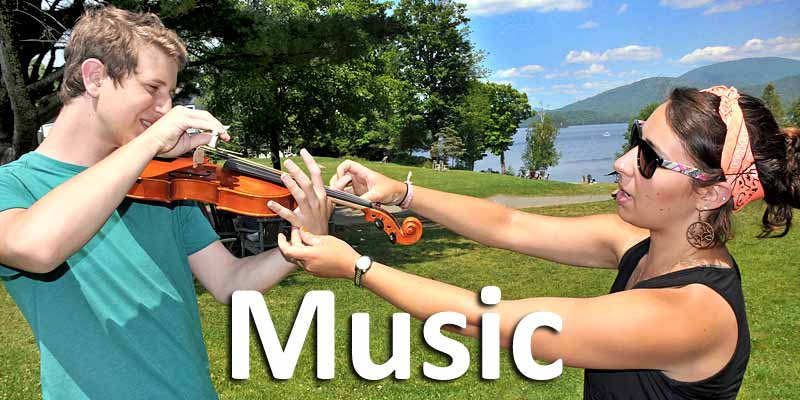
At institutions like Long Lake Camp for the Arts, this interaction is part of daily training. Students are not only learning techniques but also observing how professionals communicate, collaborate, and maintain discipline in creative work.
These early connections often form the foundation of a developing professional network.
Peer Networks That Extend Beyond Camp
While mentorship is valuable, peer relationships are equally significant in long-term career development. Teens attending a summer performing arts camp are surrounded by individuals who share similar goals and ambitions.
This environment creates:
- Strong peer-to-peer collaboration
- Opportunities for future creative partnerships
- A shared understanding of artistic challenges
Participants in performing arts summer camps in NY often maintain contact long after the program ends. Many continue to collaborate in school productions, independent projects, or future training programs.
These peer groups often become an informal but powerful professional network over time.
Structured Collaboration Builds Professional Skills
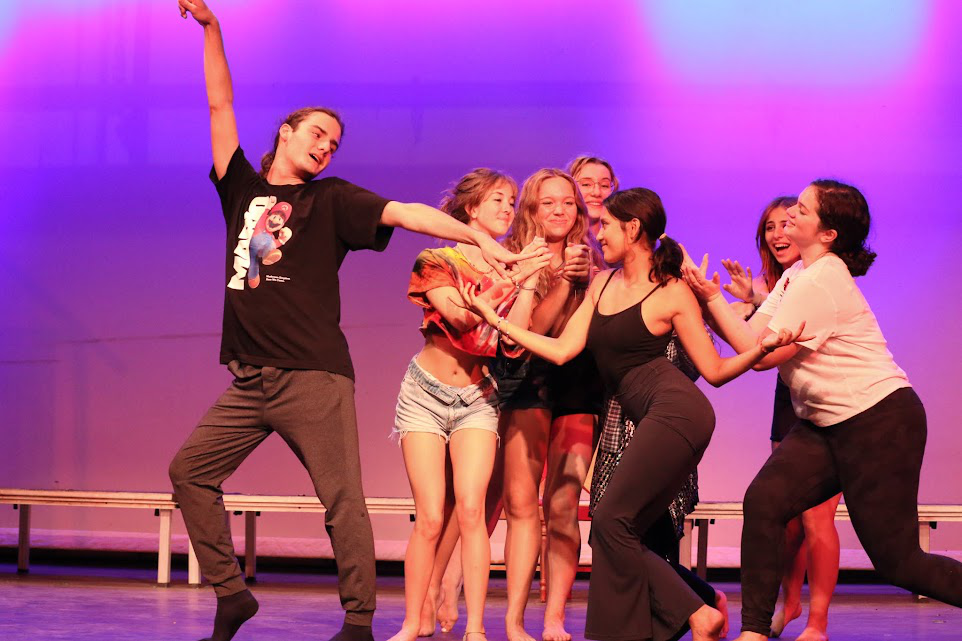
Unlike casual programs, arts camps emphasize structured collaboration. Students must work together to achieve a shared outcome, whether it is a performance, showcase, or group project.
This process helps develop:
- Communication skills within creative teams
- Time management during rehearsals
- Accountability to a group outcome
In theater arts and music summer camp programs, students learn how to function within a team environment similar to professional settings.
These experiences prepare participants for future auditions, rehearsals, and productions, where collaboration is a central expectation.
Multi-Disciplinary Exposure Expands Opportunities
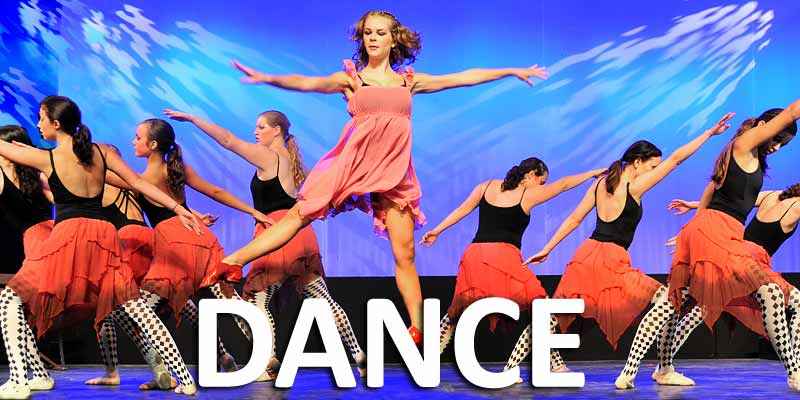
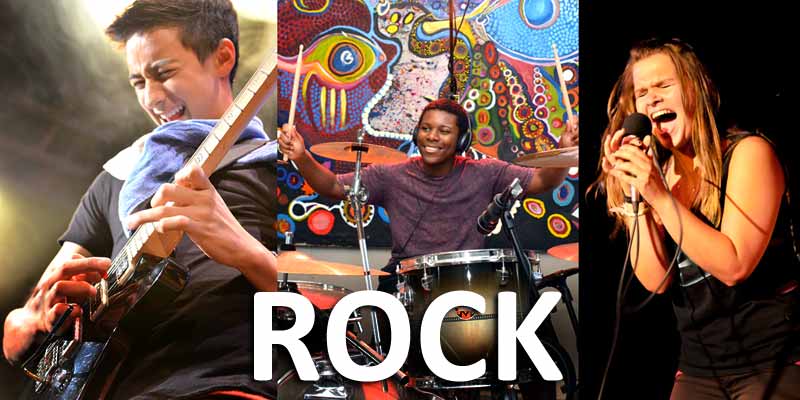
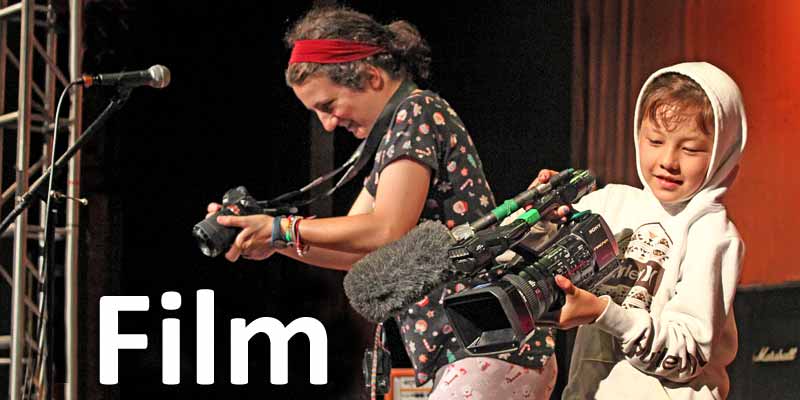
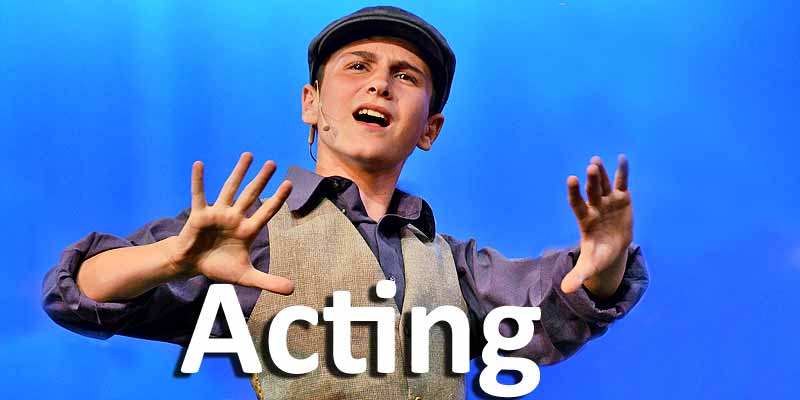
Many programs offer access to multiple disciplines, allowing students to broaden their skill sets. Instead of focusing solely on one area, participants may engage in acting, music, and movement within a single session.
In programs such as arts summer camp, this structure encourages flexibility and adaptability in performance training.
At Long Lake Camp, this approach goes even further, with 100% scheduling flexibility built into the daily experience. Campers are not locked into repetitive routines—no two days are the same, as students can design combinations of classes based on their interests. This variety allows them to shift between disciplines such as theater, music, and dance throughout the week, creating a highly personalized creative experience.
Benefits of this approach include:
- Understanding how different disciplines connect in performance
- Increased versatility as a performer
- Broader networking across different artistic interests
- Freedom to explore multiple creative pathways without restriction
A student interested in acting may connect with musicians, while a vocalist may collaborate with performers in movement-based sessions. These interactions expand both creative and professional networks.
Realistic Insight Into the Industry
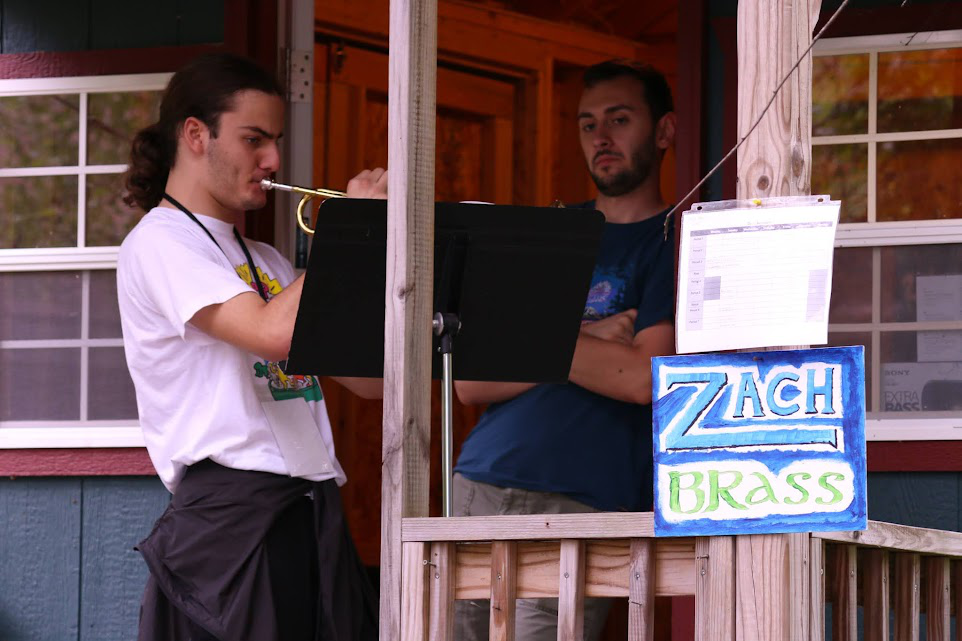
Another advantage of attending a performing arts camp is gaining a realistic understanding of the industry. Teens are introduced to the expectations, challenges, and structure of professional artistic work.
Through guided instruction, they learn about:
- Audition preparation and performance standards
- Rehearsal discipline and time commitment
- Collaboration with directors and peers
These programs often simulate real production environments. This helps students understand how professional networks function and why maintaining relationships is important for future opportunities.
Residential Experience Strengthens Networking
Living on campus adds another layer to the networking experience. In overnight art camps, students interact continuously, both inside and outside structured sessions.
This environment supports:
- Informal conversations that build familiarity
- Stronger interpersonal relationships
- Consistent interaction with mentors and peers
Unlike short-term workshops, residential programs allow relationships to develop over time. This extended interaction often leads to deeper, more meaningful connections.
Why New York Offers a Unique Advantage
New York remains one of the most influential centers for performing arts. Its proximity to professional theaters, production companies, and working artists adds value to training programs in the region.
Students attending a performing arts camp in New York benefit from:
- Exposure to industry standards aligned with professional environments
- Faculty with direct experience in major productions
- A culture that emphasizes artistic excellence
This setting contributes to a more authentic and career-focused experience compared to programs in less connected regions.
Building Connections That Shape the Future
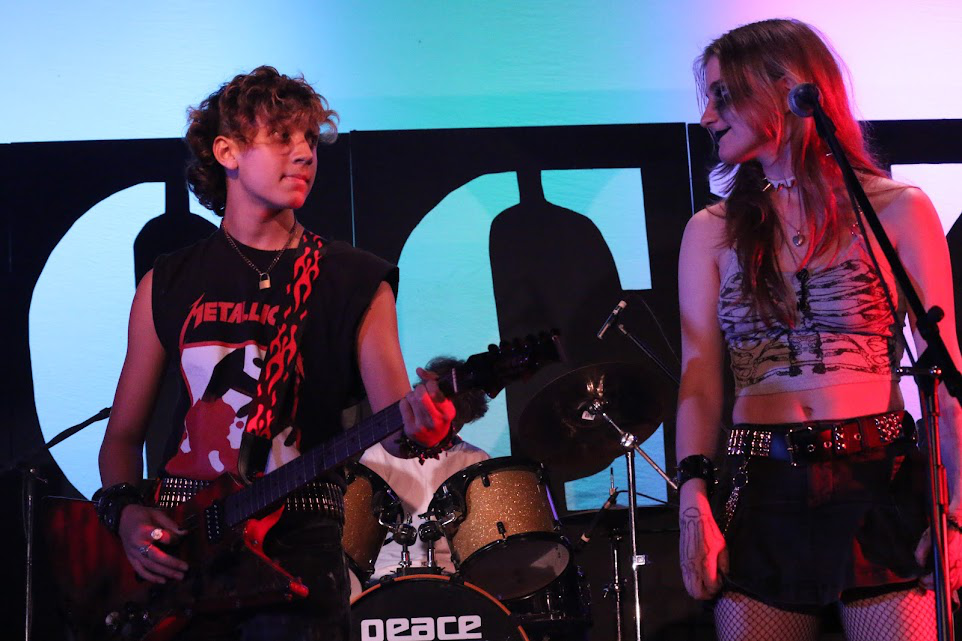
A performing arts camp provides more than technical instruction. It creates a structured environment where teens can build relationships with both peers and professionals. These connections often become part of a long-term support system within the arts community.
At Long Lake Camp for the Arts, students are encouraged to collaborate, learn from experienced instructors, and build connections that extend beyond a single summer. The combination of training and community interaction makes it a strong foundation for future growth. If your goal is to combine artistic development with meaningful networking opportunities, our programs offer lasting value. Contact us now to learn how your teen can build skills and connections for the future.
For questions or support with the enrollment process, you can reach our winter office in the NYC metro area:
199 Washington Avenue, Dobbs Ferry, NY 10522