The demand for structured summer training in the performing arts has steadily increased over the past decade. According to data from the American Camp Association, participation in specialty camps—particularly those focused on the performing arts—has grown by more than 20% in recent years. This trend reflects a broader recognition among students and parents that immersive environments accelerate skill acquisition. In New York, widely regarded as a global hub for performing arts education, intensive summer programs offer young dancers the opportunity to dedicate uninterrupted time to technical development, artistic growth, and performance readiness.
Programs categorized under dance sleepaway camps in New York provide a unique setting where participants can focus exclusively on refining their abilities. Unlike weekly classes, these camps integrate daily instruction, rehearsals, and performance preparation into a structured schedule.
Let’s explore how such programs contribute to mastering skills at dance camp, supported by research-based insights and program structures.
The Structured Environment of Intensive Training
One of the defining features of summer dance camps is their immersive format. Campers live on-site, removing common distractions and allowing for consistent practice.
Key components of structured training include:
- Daily technique classes (ballet, contemporary, jazz)
- Conditioning sessions focused on strength and flexibility
- Rehearsal blocks for choreography retention
- Performance assessments and feedback sessions
Research in motor skill development suggests that distributed practice over consecutive days significantly improves muscle memory and coordination. This explains why dancers attending a dance summer camp often demonstrate measurable progress within weeks.
Specialized Instruction Across Dance Forms
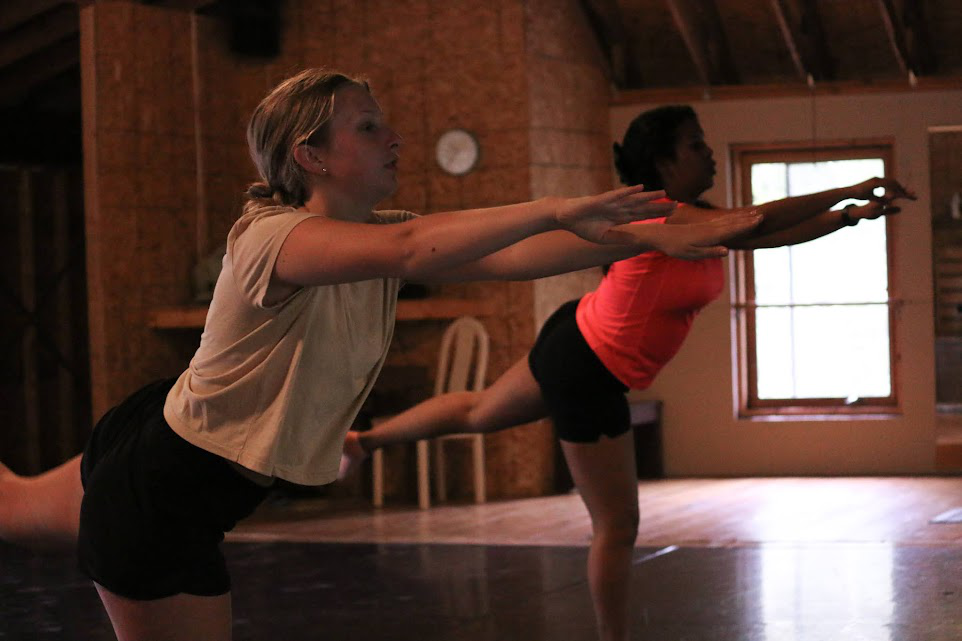
Programs within dance camps in New York typically offer instruction across multiple styles, ensuring comprehensive development.
Common disciplines include:
- Classical ballet for foundational technique
- Contemporary for expressive movement
- Jazz for rhythm and precision
- Hip-hop for versatility and performance energy
Exposure to varied styles allows participants to develop adaptability—an attribute frequently cited by professional choreographers as necessary for career advancement. Instructors are often industry professionals, bringing current methodologies and performance standards into daily training.
Individual Feedback and Skill Progression
A major advantage of dance sleepaway camps is the low student-to-instructor ratio. This facilitates personalized feedback, which is often limited in larger studio classes.
Benefits of individualized instruction:
- Correction of posture and alignment issues
- Targeted improvement plans
- Increased awareness of technique execution
- Faster correction of habitual errors
Direct feedback improves skill retention. At dance summer camps, instructors frequently conduct one-on-one evaluations, helping students identify areas for improvement and track their progress.
Performance-Based Learning and Stage Experience
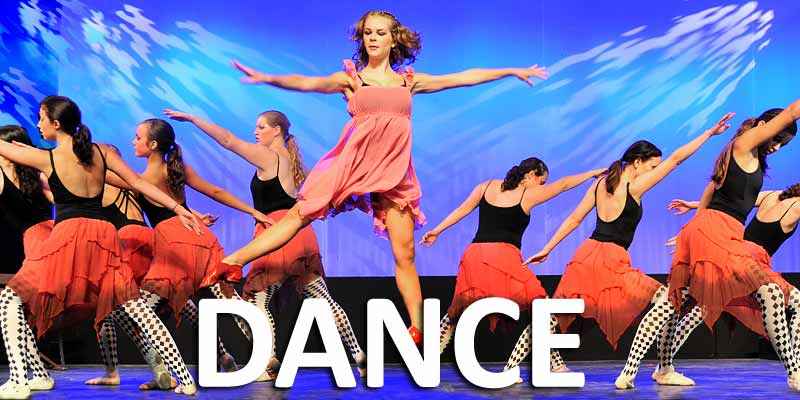
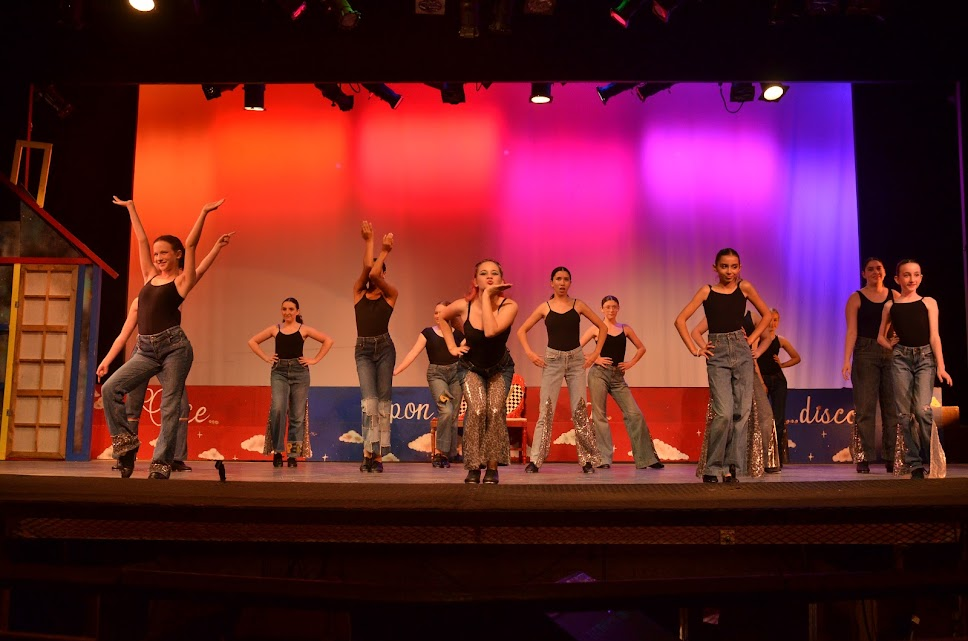
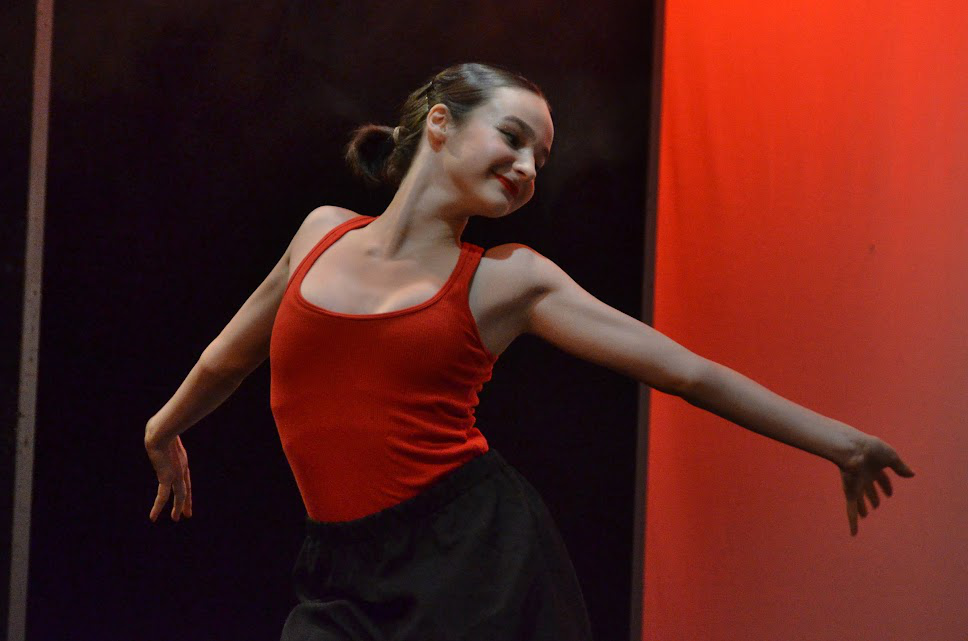
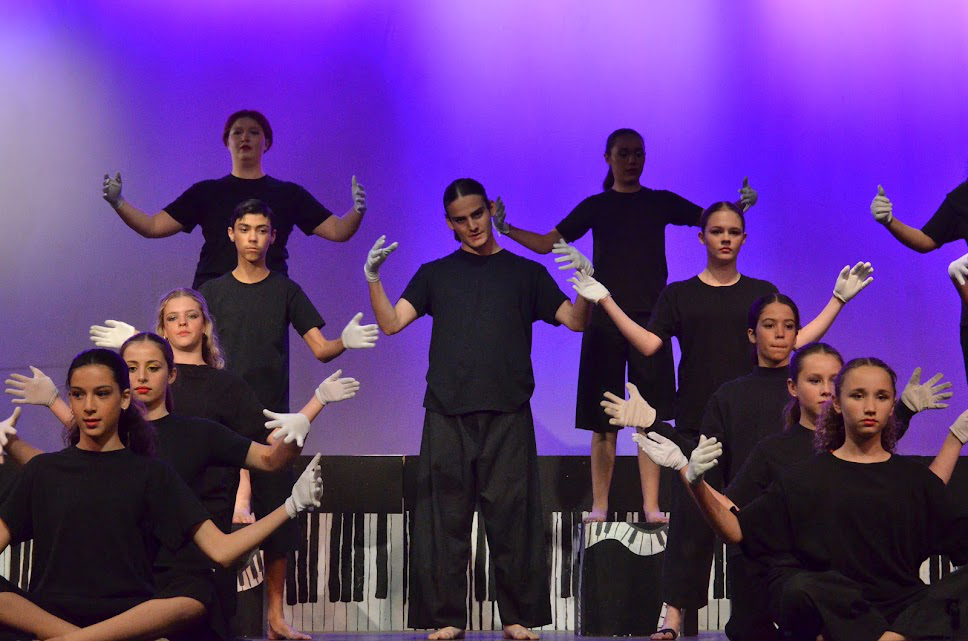
Performance is a central component of mastering skills at dance camp. Many overnight dance camps culminate in a final showcase, simulating professional production environments.
Performance training includes:
- Stage presence and projection
- Timing and synchronization with groups
- Costume and rehearsal coordination
- Audience engagement techniques
This exposure builds confidence and prepares students for auditions and live performances. Participation in structured showcases at a summer camp dance program often mirrors real-world performance expectations, making the transition to professional settings smoother.
Integration with Broader Performing Arts Programs
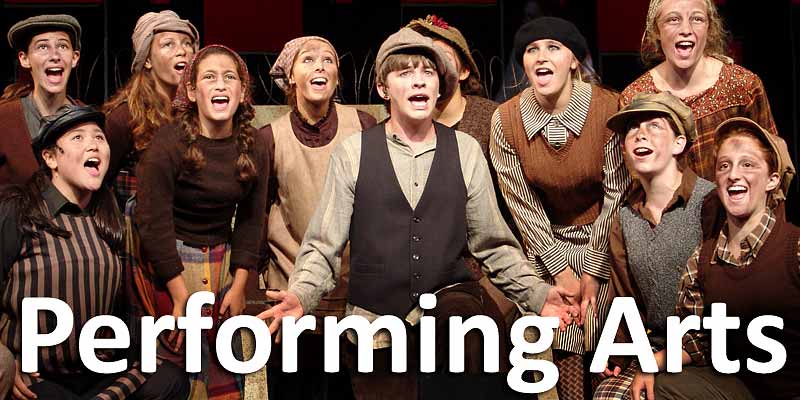
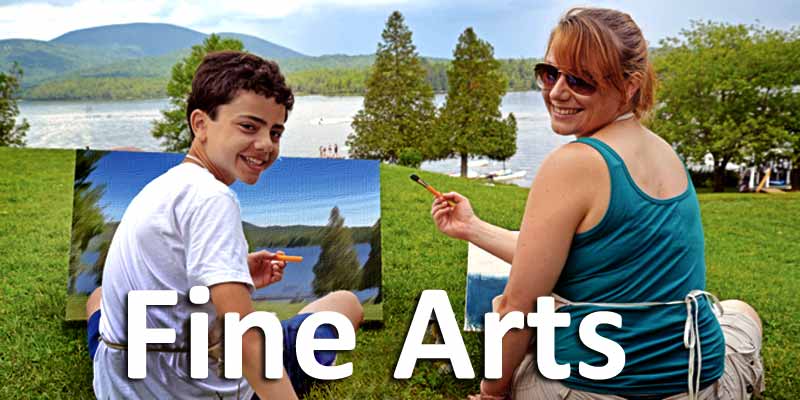
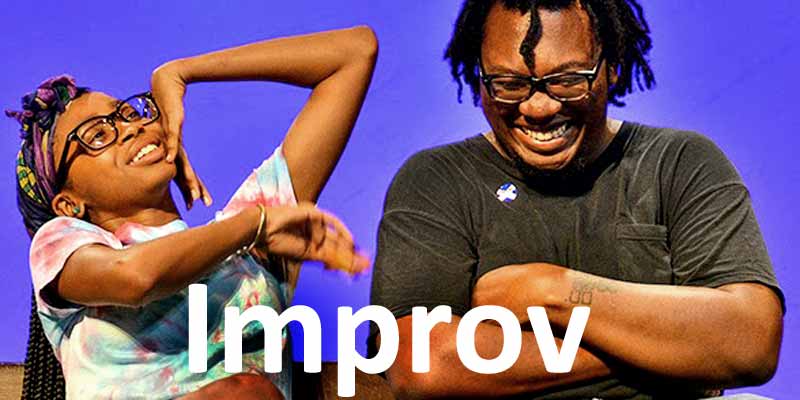
Many performing arts sleepaway camps in New York incorporate dance within a wider curriculum that includes music and theatre. This interdisciplinary approach broadens artistic understanding.
Examples of integrated offerings:
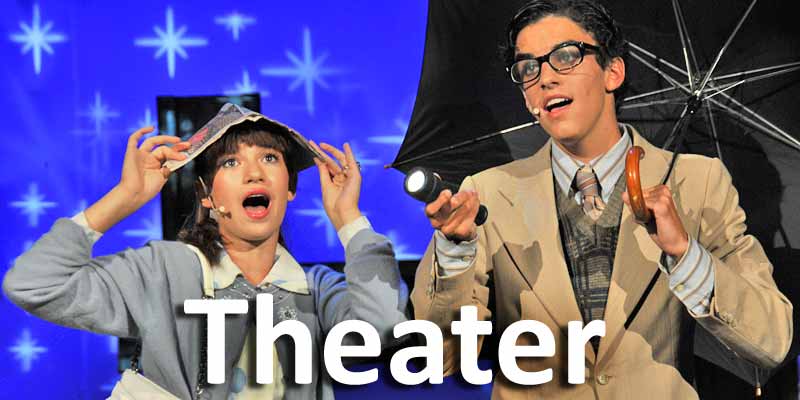
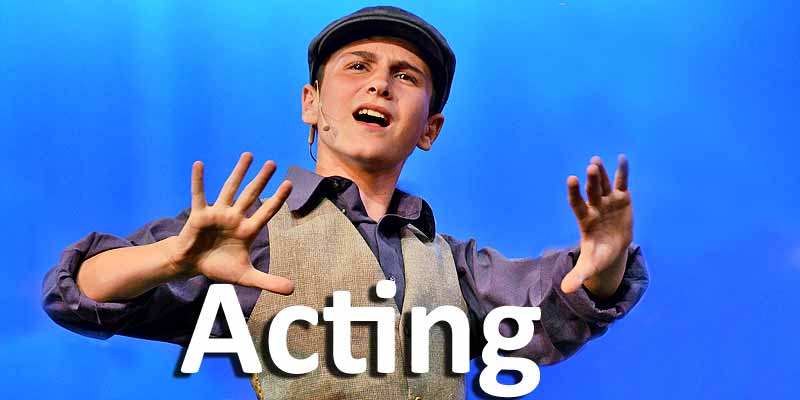
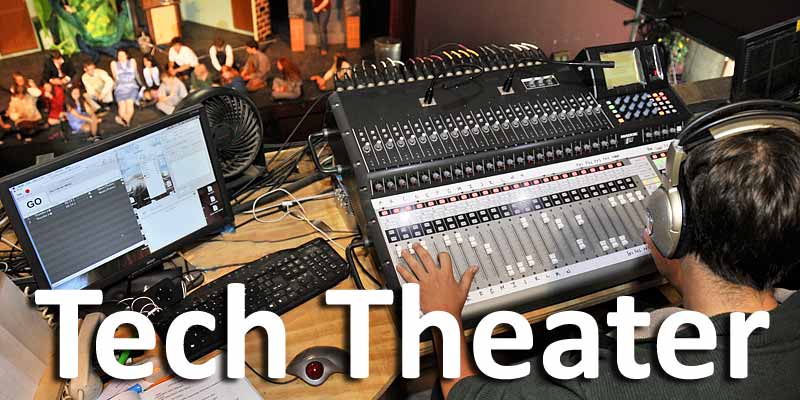
- Theater camps for acting and stagecraft
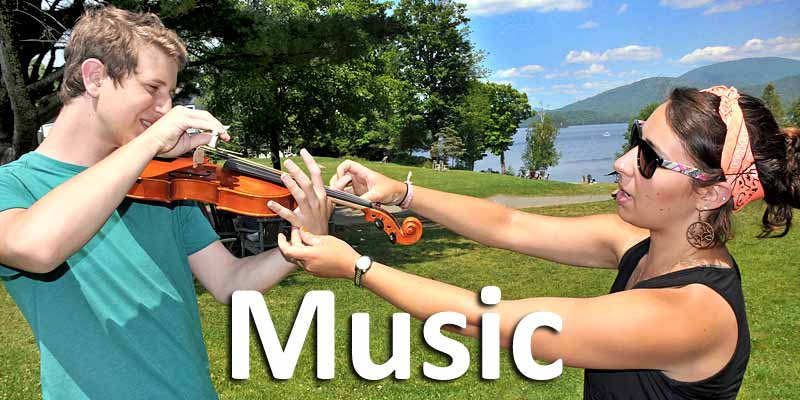
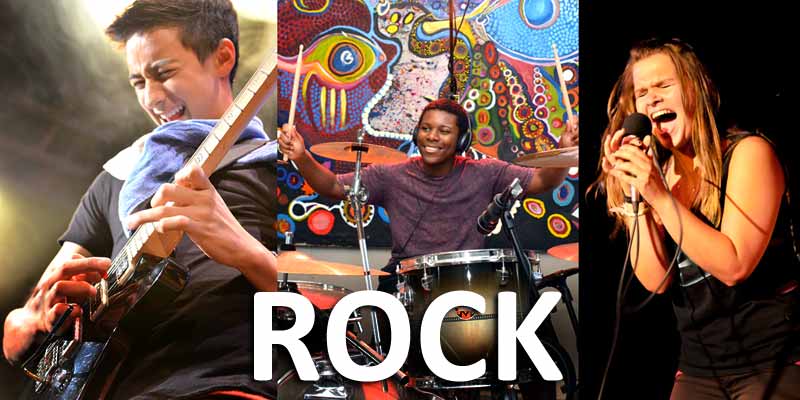
- Music camp for vocal and instrumental training
- Musical theater camp combining acting, singing, and movement
Programs like Long Lake Camp for the Arts are known for offering a wide spectrum of creative disciplines, alongside structured dance training. A distinguishing feature of such programs is that campers have complete flexibility over their schedules, allowing them to select activities based on their interests. As a result, no two days follow the same structure, creating a varied learning experience that supports broader skill development across multiple performing arts areas.
Social and Psychological Benefits of Residential Camps
Beyond technical growth, art sleepaway summer camps provide social and emotional benefits that contribute to overall development.
Key outcomes include:
- Improved teamwork and collaboration
- Increased independence and self-discipline
- Strong peer networks with shared interests
- Enhanced resilience through intensive schedules
Research shows that residential camps improve self-confidence and interpersonal skills. At a summer arts camp, participants engage in group activities that strengthen communication and cooperation—skills directly applicable to ensemble performances.
Access to High-Quality Facilities and Resources
Top-tier summer art camps invest in professional-grade facilities to support training.
Typical resources include:
- Sprung floors to prevent injury
- Mirror-lined studios for technique correction
- Performance theaters with lighting systems
- Conditioning and recovery spaces
Access to such infrastructure allows students to train in environments similar to professional studios. This familiarity reduces adjustment time when transitioning to advanced programs or conservatories.
Advancing Your Training with Purpose
Mastering skills at dance camp requires more than talent—it demands structured practice, expert guidance, and consistent performance exposure. Programs within dance sleepaway camps 2026 provide all these elements within a focused residential setting. From technical refinement to stage readiness, participants gain measurable progress in a relatively short time.
For those seeking a comprehensive performing arts experience, Long Lake Camp for the Arts stands out among performing arts camps in New York. With offerings spanning theatre, music, and art camp, we provide a well-rounded environment for artistic development. Take the next step—contact us now to learn about programs that align with your goals and commit to structured summer training that supports long-term growth.
For questions or support with the enrollment process, you can reach our winter office in the NYC metro area:
199 Washington Avenue, Dobbs Ferry, NY 10522