Research on youth development consistently shows that structured summer programs improve social confidence, communication skills, and long-term peer relationships. According to the American Camp Association, campers report increased ability to make and maintain friendships after attending organized camps. Within performing arts sleepaway camps in New York , this effect is even stronger due to shared creative goals and collaborative environments.
At a summer performing arts camp, students spend extended time working closely with peers, which naturally encourages deeper interaction. These settings create the foundation for what many describe as long-life friends at camp—connections built through shared effort, creativity, and daily collaboration.
Shared Creativity as a Social Catalyst
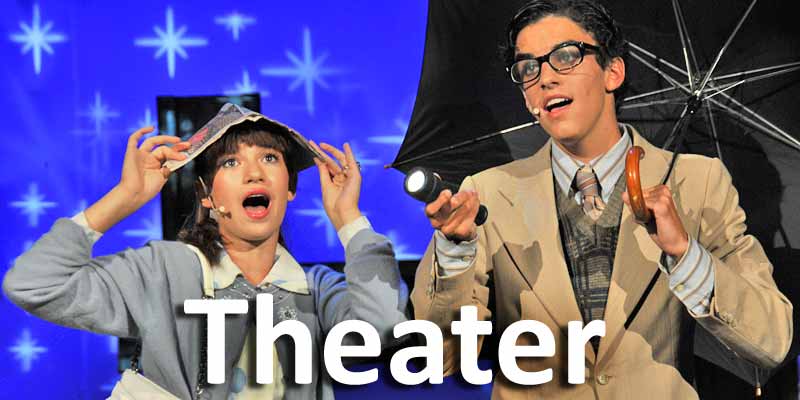
Creative collaboration accelerates relationship-building. Whether students attend a performing arts camp or participate in dance camps, they are constantly working together toward a common outcome—performances, showcases, or group projects.
This environment encourages:
- Open communication during rehearsals
- Mutual support during performance preparation
- Shared achievements that strengthen bonds
Unlike traditional camps, overnight art camps provide structured collaboration that naturally builds trust. These experiences often result in long-lasting friends at camp because participants are engaged both emotionally and creatively.
Living Together Strengthens Connection
One of the defining aspects of overnight art camps in NY is the residential experience. Living in shared spaces encourages constant interaction beyond structured activities.
At places like Long Lake Camp for the Arts, campers form connections through both formal and informal moments:
- Shared meals and downtime
- Late-night conversations in cabins
- Group activities outside of classes
These daily interactions reinforce familiarity and trust. Students attending art summer camps often find that living together accelerates friendship development in ways that day programs cannot replicate.
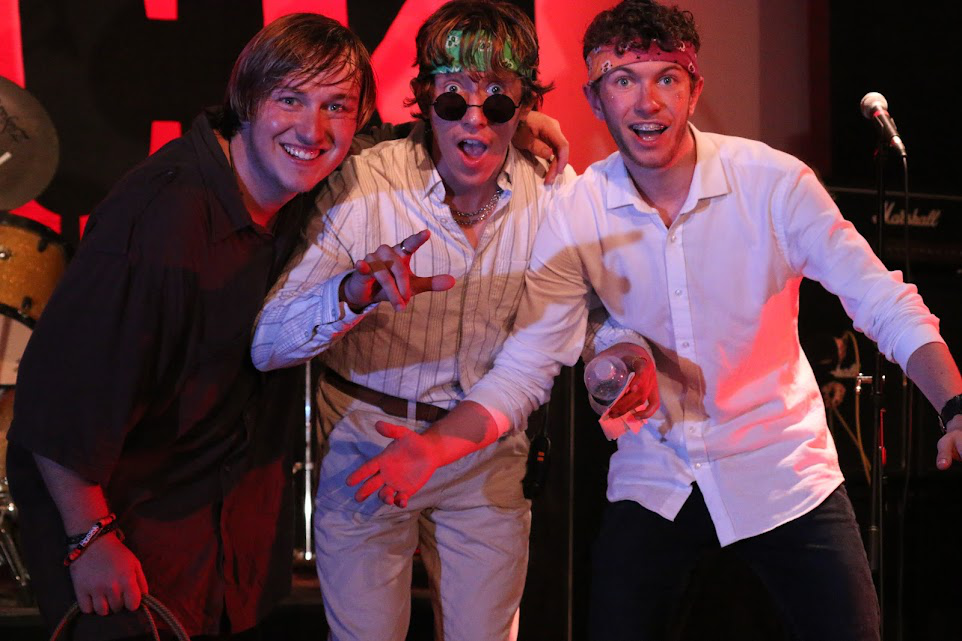
Multi-Disciplinary Learning Encourages Diverse Friendships
One of the most impactful aspects of arts-based summer programs is their multi-disciplinary structure. Instead of focusing on a single area, students are often encouraged to participate in a range of creative activities such as acting, music, and movement. This variety creates a more socially integrated environment where campers interact with peers who have different strengths and interests.
Research in arts education shows that students engaged in multiple creative disciplines demonstrate stronger collaboration skills and higher social adaptability. When individuals step outside their primary area—such as a musician trying theater or an actor joining a dance class—they are more likely to form new peer connections.
This structure contributes to:
- Increased exposure to different personalities and creative styles
- Greater appreciation for collaborative work
- More opportunities to connect beyond familiar peer groups
These interactions support the formation of long-life friends at camp, as relationships are built not just on shared interests, but on shared growth and mutual support across disciplines.
The Role of Performance in Strengthening Bonds
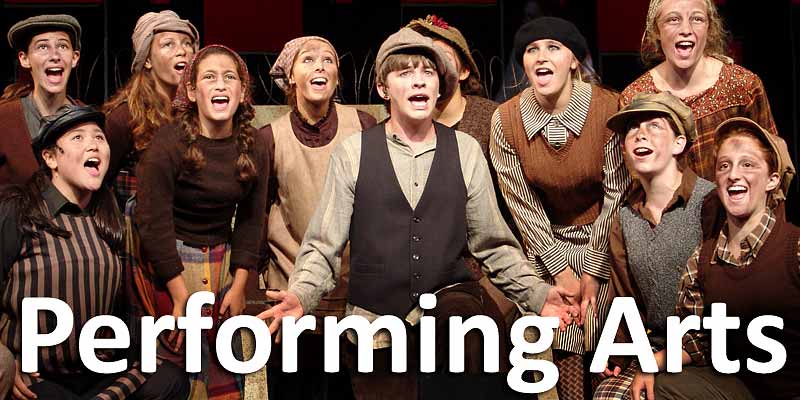
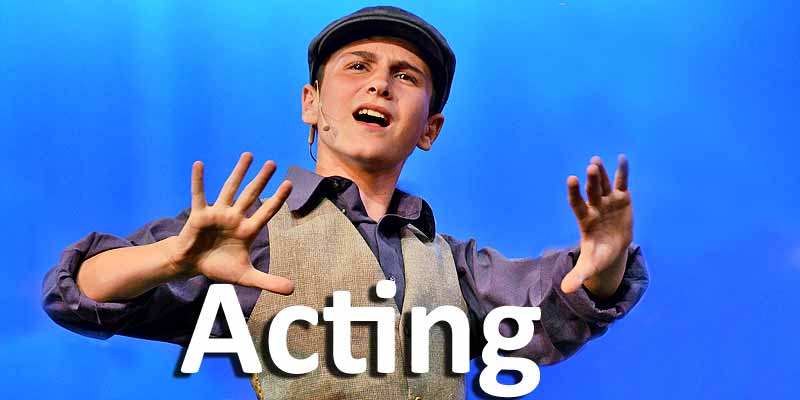
Performance-based environments intensify group connection. Whether students are enrolled in a musical theater camp or a dance camp, they work toward a shared final presentation.
This process includes:
- Rehearsing together daily
- Supporting each other through challenges
- Celebrating a collective achievement on stage
This shared pressure and reward system creates strong emotional connections. The experience of performing together often becomes a defining memory, reinforcing lifelong friends at camp.
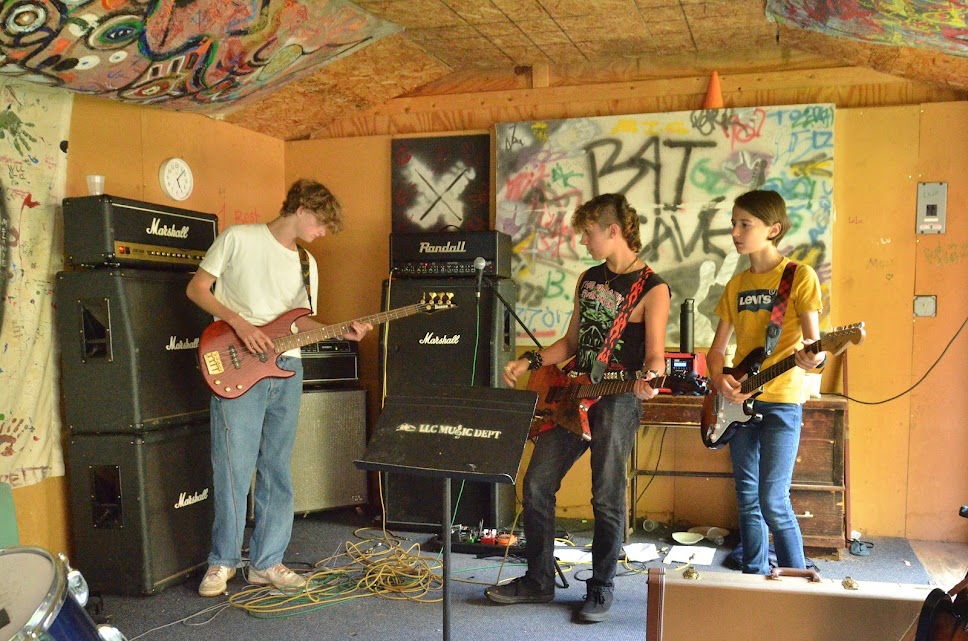
Music and Collaboration: Building Trust Through Sound
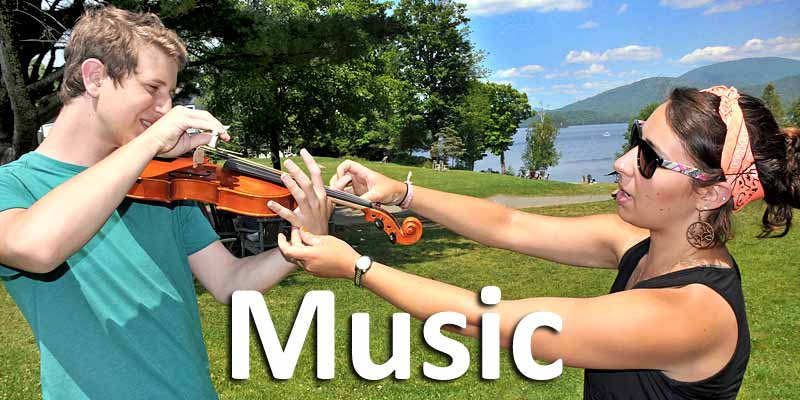
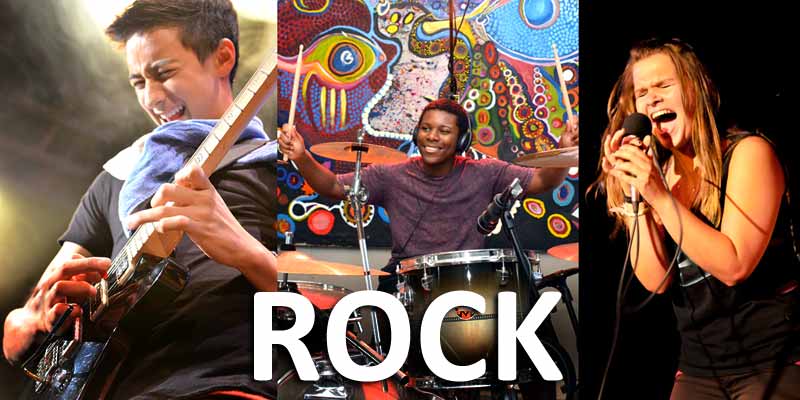
Music-based programs provide another strong foundation for relationship building. Group performance requires coordination, listening, and mutual respect, all of which contribute to trust among participants.
In a music summer camp in New York, students typically work in ensembles or bands, where success depends on cooperation.
This process encourages:
- Active listening and communication
- Accountability within a group setting
- Respect for different roles and contributions
These collaborative experiences often lead to strong interpersonal connections. When individuals rely on each other to achieve a shared outcome, relationships become more meaningful and lasting.
Movement-Based Programs and Social Synchronization
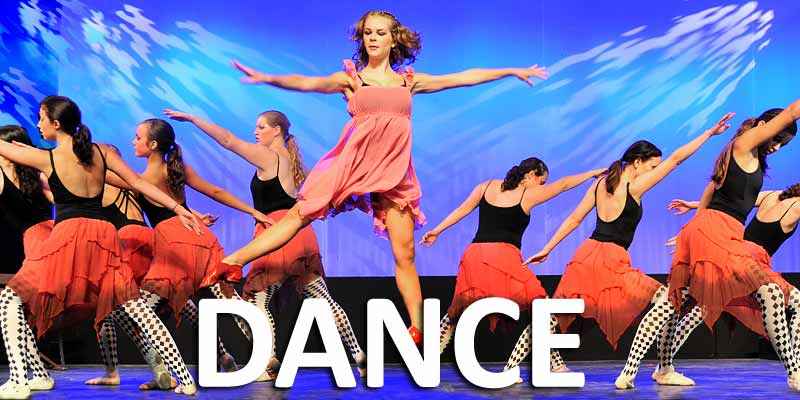
Programs focused on movement also contribute to strong peer relationships. Activities that require synchronization—such as group choreography—naturally build awareness and cooperation.
In structured movement sessions, participants must:
- Coordinate timing and positioning
- Maintain awareness of others
- Work together toward a unified presentation
This shared physical coordination promotes a sense of unity. These shared experiences further reinforce the development of long-life friends at camp, particularly among participants who engage in regular group practice.
The Lasting Impact Beyond the Camp Experience
The friendships formed during arts-based summer programs often extend well beyond the duration of the camp itself. This is largely due to the depth of interaction and shared experience involved.
Key factors that contribute to long-term relationships include:
- Consistent daily interaction
- Shared creative challenges
- Emotional investment in group outcomes
Many former campers maintain connections through future collaborations, academic programs, and creative projects. These relationships are not based solely on proximity but on meaningful shared experiences. As a result, the concept of long-life friends at camp reflects a broader developmental outcome—one that combines social growth with creative engagement.
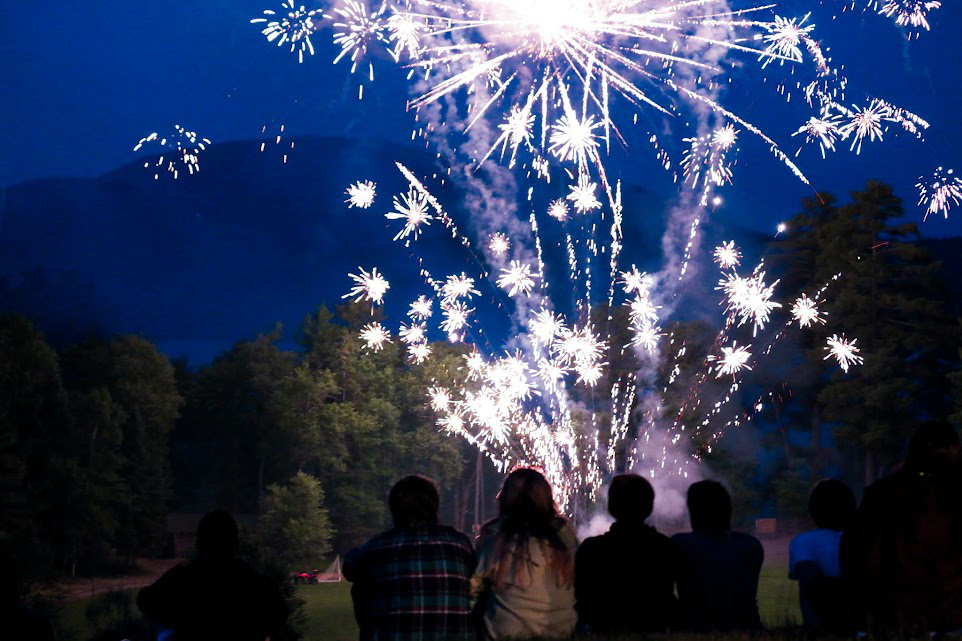
Where Creativity Builds Lasting Relationships
Arts-based summer programs offer a structured environment where social connection develops naturally through collaboration, shared goals, and daily interaction. The combination of residential living, multi-disciplinary learning, and performance preparation creates a setting where relationships form with depth and continuity.
At Long Lake Camp for the Arts, this balance between artistic development and community interaction is central to the experience. For families seeking an environment where creative programs and meaningful relationships intersect, this type of program offers lasting value. Contact us to learn how your child can be part of a community that supports both artistic growth and lifelong friendships.
For questions or support with the enrollment process, you can reach our winter office in the NYC metro area:
199 Washington Avenue, Dobbs Ferry, NY 10522