Across the United States, more than 26 million children attend summer camp each year, according to the American Camp Association. While traditional programs remain popular, enrollment in arts-focused camps has steadily increased as families seek structured skill development alongside recreation.
Understanding the difference between camps helps parents choose a program aligned with their child’s interests, academic goals, and long-term creative growth.
Traditional Summer Camps: Recreation-Centered Programming
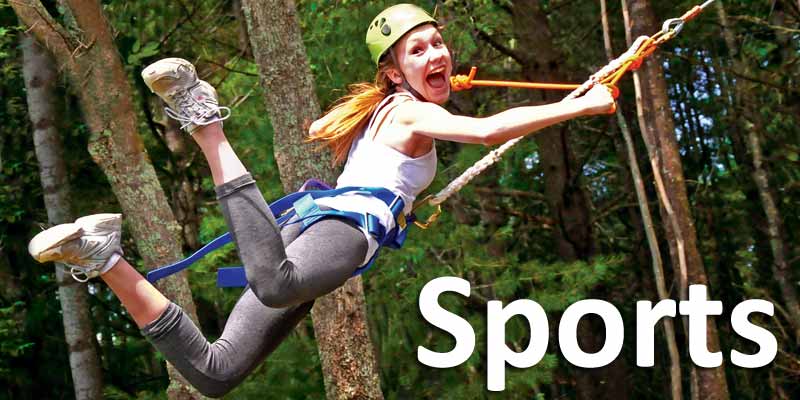
Traditional camps emphasize general outdoor activities, team sports, and social bonding. Their primary objectives typically include confidence-building, independence, and peer interaction. Daily schedules often feature:
- Swimming, hiking, and field sports
- Campfire activities and group games
- Basic arts and crafts
- Unstructured recreational time
While these experiences build social skills and resilience, artistic training is usually introductory rather than specialized. For families seeking broad exposure to activities, this model remains valuable. However, students with a strong interest in theater, music, or dance may require a more structured environment.
Performing Arts Camps: Structured Creative Training
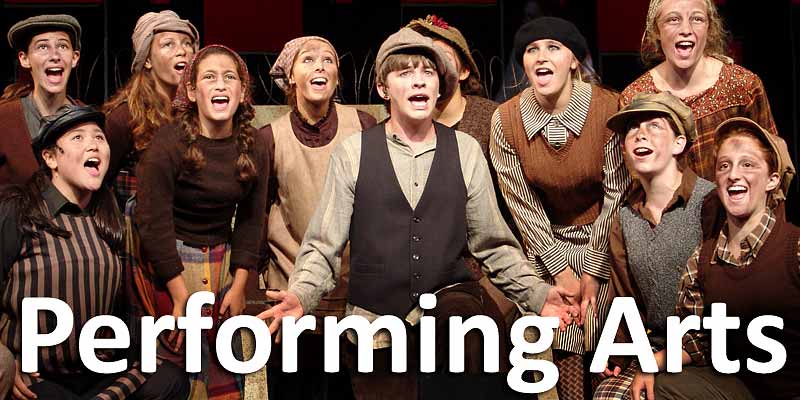
In contrast, performing arts camps focus on disciplined instruction in specific artistic fields. A summer performing arts camp integrates professional coaching, rehearsals, and performance-based learning within a residential or day-camp setting.
Programs commonly include:
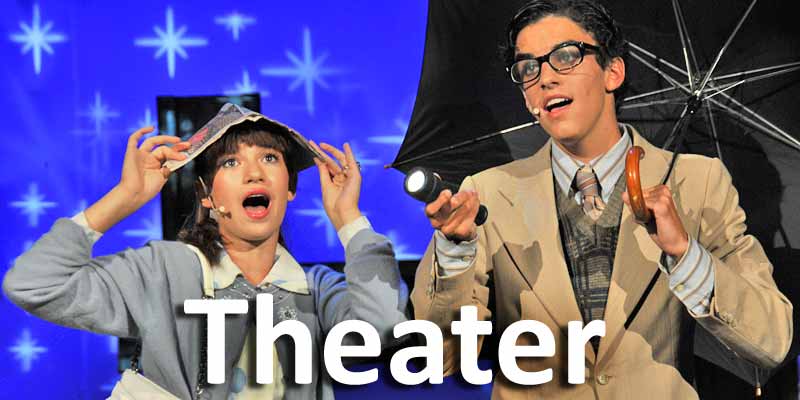
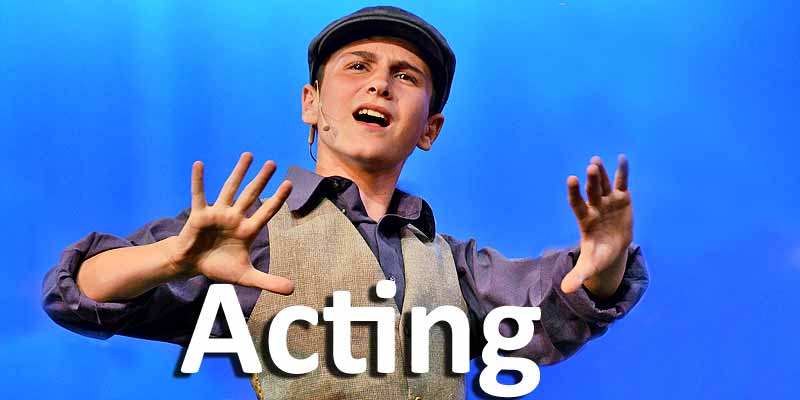
- Theater workshops
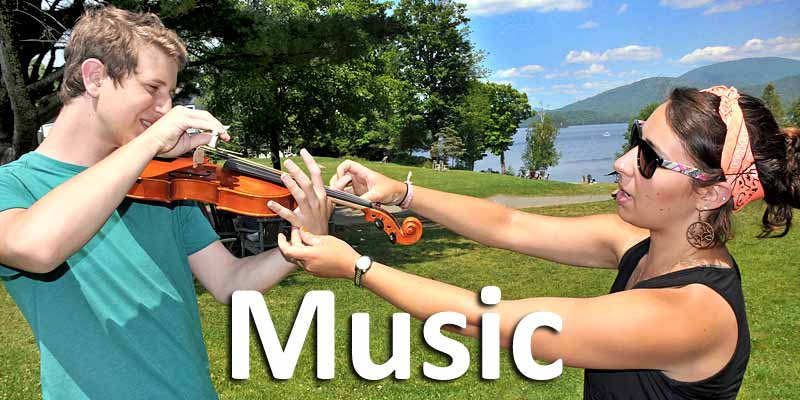
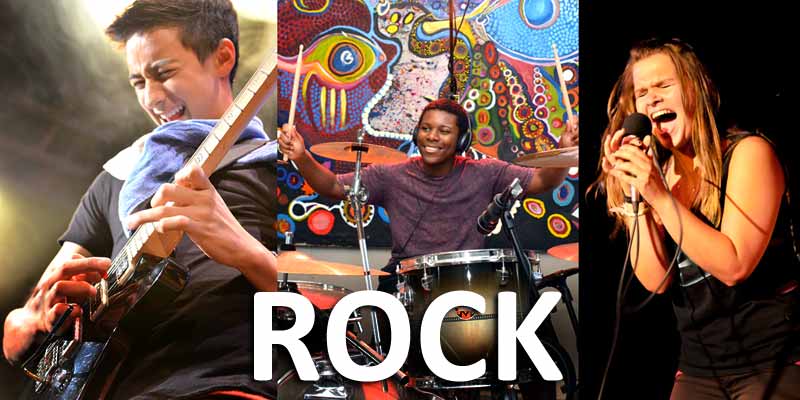
- Vocal and instrumental instruction at music camp
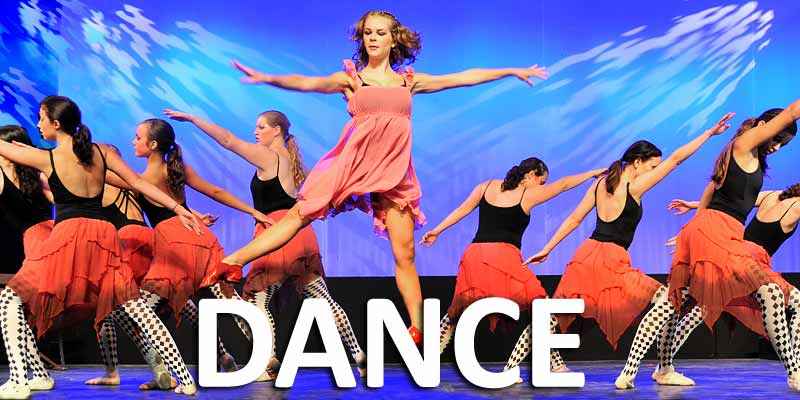
- Intensive training at dance camps
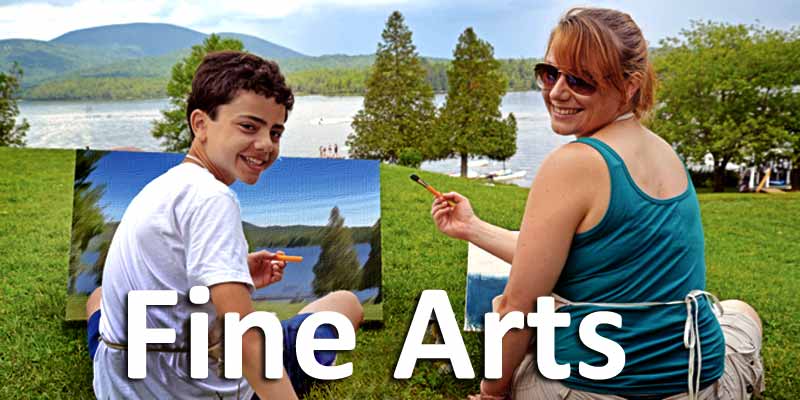
- Visual arts development at summer art camps
Unlike recreational programs, these camps follow structured curricula similar to conservatory-style instruction. Students attending camp often prepare for staged productions or recorded showcases.
Skill Development And Training
The distinction becomes clearer when evaluating long-term outcomes. Performing arts programs frequently support:
- Portfolio development for visual artists
- Ensemble collaboration and stage discipline
- Technical training in choreography, acting, or music theory
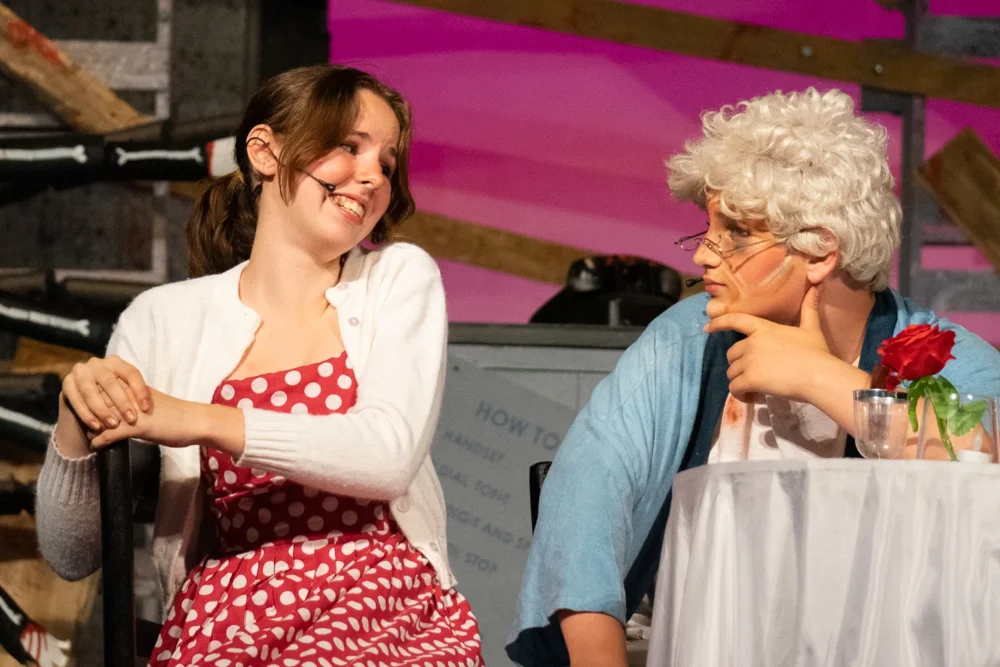
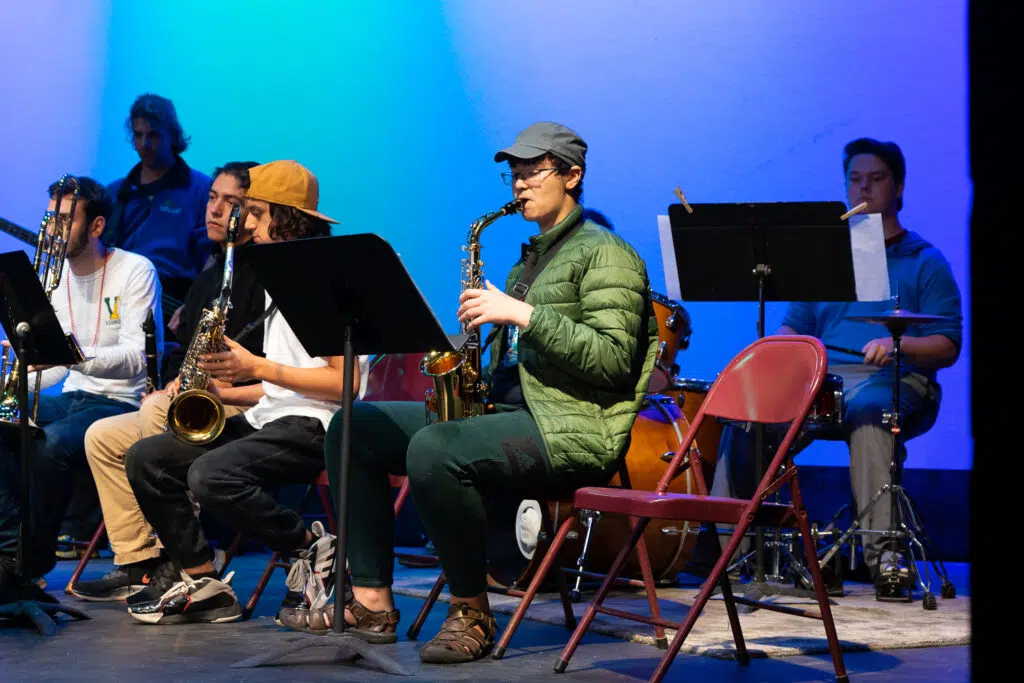
For example, summer theatre camps often culminate in full-scale productions. Similarly, music camps for teens provide ensemble and solo performance opportunities.
Choosing the Right Camp for Creative Growth
The difference between camps ultimately depends on a child’s goals. Traditional camps prioritize recreation and social development, while performing arts sleepaway camps and other arts-focused programs center on structured instruction and performance outcomes.
If your child is passionate about theater, music, dance, or visual arts, consider enrolling in a summer arts camp in New York like Long Lake Camp for the Arts. Contact us today to learn more about the programs and secure a place in one of New York’s leading creative programs.