Creative development during adolescence has measurable psychological consequences. According to research published by the National Endowment for the Arts, students who participate intensively in arts programs demonstrate higher levels of academic motivation, civic engagement, and self-efficacy. Complementing this, research links arts therapy and participation with improved emotional regulation and reduced symptoms of anxiety among teens.
Within this context, the impact on creative freedom becomes a central variable. Programs structured around elective choice rather than rigid schedules create measurable differences in autonomy, identity formation, and intrinsic motivation. In adolescent psychology, autonomy-supportive environments correlate with stronger self-concept clarity and lower performance anxiety.
Elective-based models, such as those offered by Long Lake Camp for the Arts, provide a useful case study in how structured artistic training combined with personal choice shapes psychological growth.
Autonomy and Identity Formation in Performing Arts Sleepaway Camps
Self-Determination Theory identifies autonomy, competence, and relatedness as three drivers of intrinsic motivation. Traditional instructional settings often prioritize competence while limiting autonomy. In contrast, many performing arts sleepaway camps are designed around elective selection.
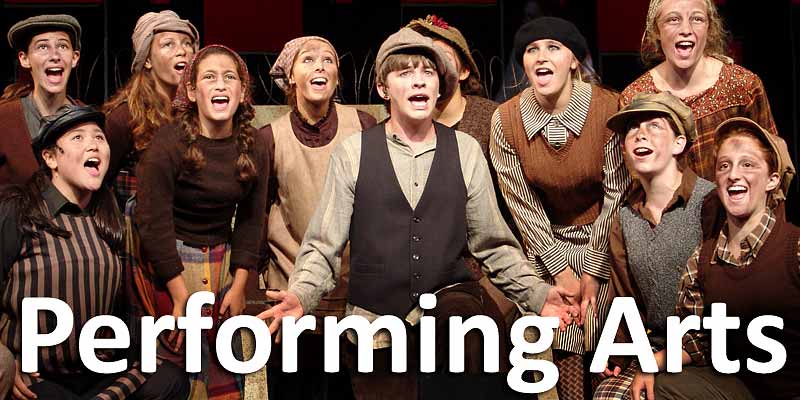
In programs such as a performing arts camp, teens select disciplines across:
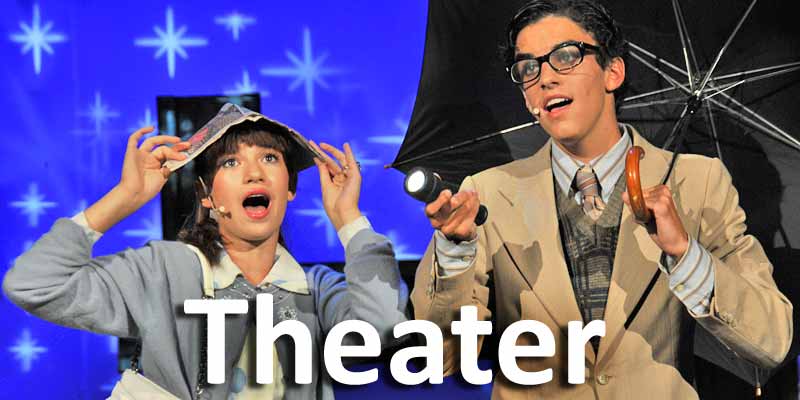
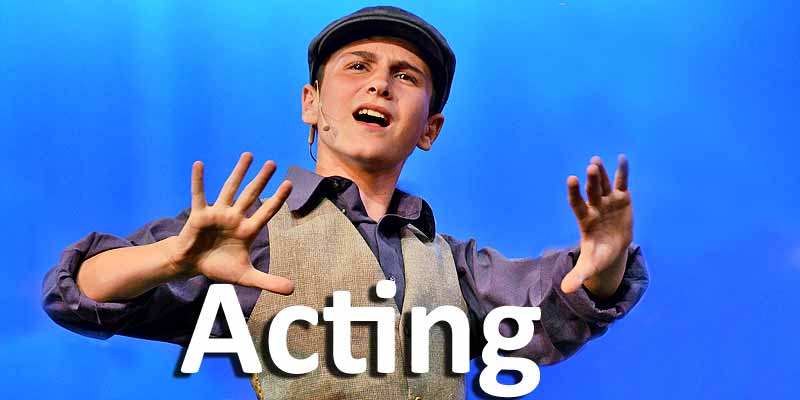
- Acting and theater
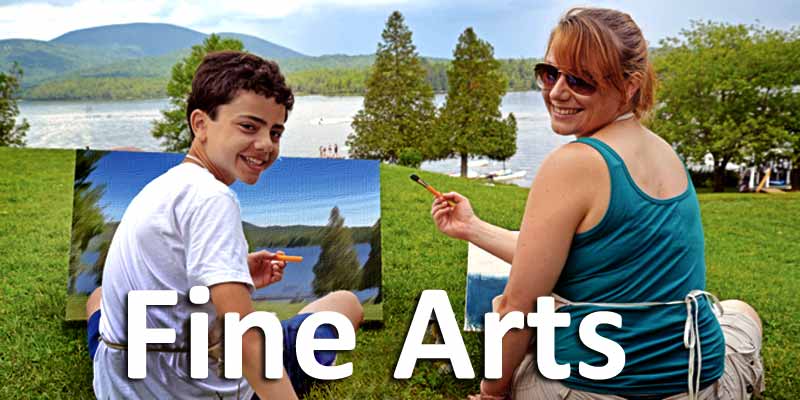
- Studio visual and fine arts
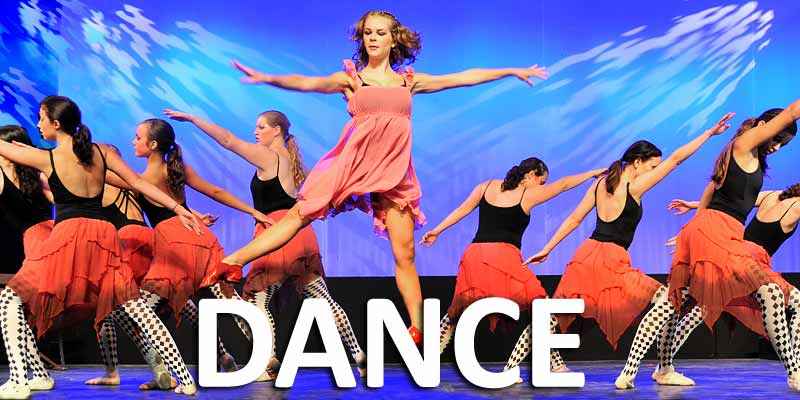
- Summer dance camps and
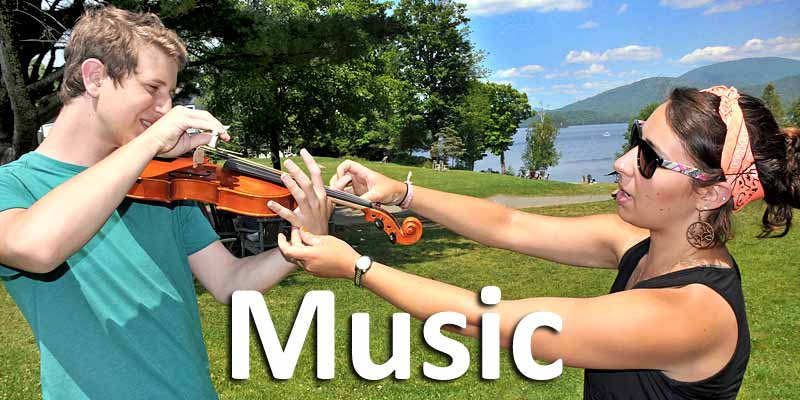
- Composition at music camp
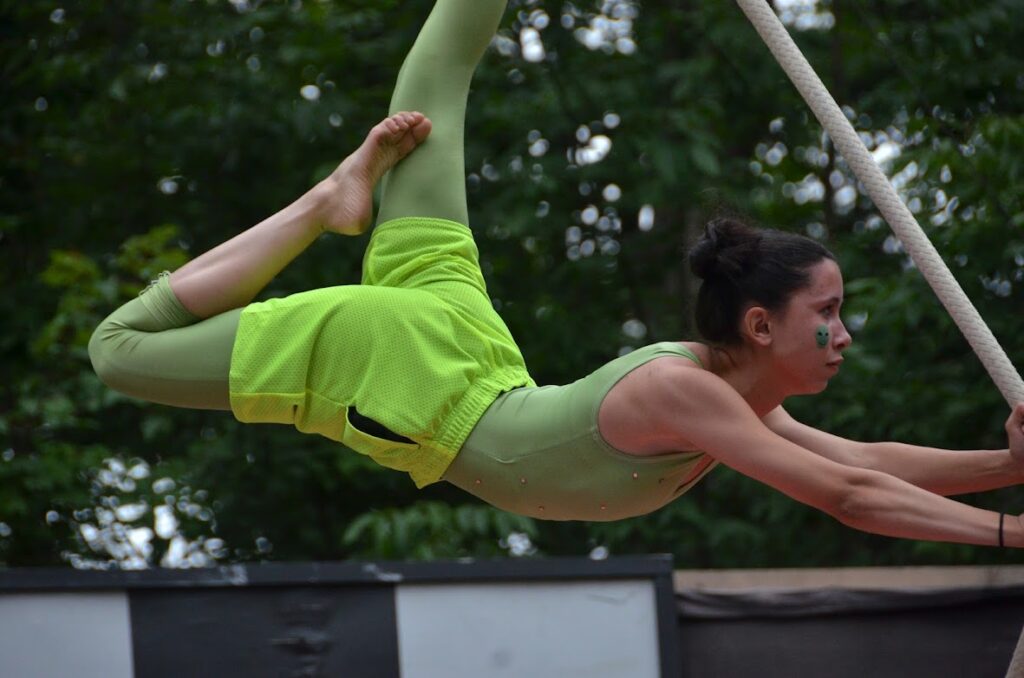
- Circus
The psychological outcomes are significant:
- Increased self-directed goal setting
- Stronger creative risk tolerance
- Higher resilience after public performance
- Reduced external validation dependency
An art camp for teens that allows schedule customization shifts the adolescent experience from compliance-based participation to ownership-based participation. This shift directly influences the impact on creative freedom, reinforcing identity formation during a developmental stage characterized by experimentation and self-definition.
At Long Lake Camp, campers are not assigned roles solely through competitive hierarchies. Participation structures emphasize growth and comfort level, reducing the psychological stress often associated with elite performance environments.
Emotional Regulation and Performance Confidence in Overnight Art Camps
Performance settings naturally introduce vulnerability. Studies in adolescent performance psychology indicate that repeated exposure to supported public presentation improves emotional regulation over structured academic-only cohorts.
In overnight art camps, teens rehearse, revise, and present work within a contained community. This immersive structure offers:
- Controlled exposure to evaluative situations
- Peer-based constructive feedback
- Mentor-guided cognitive reframing after setbacks
- Repetition that normalizes imperfection
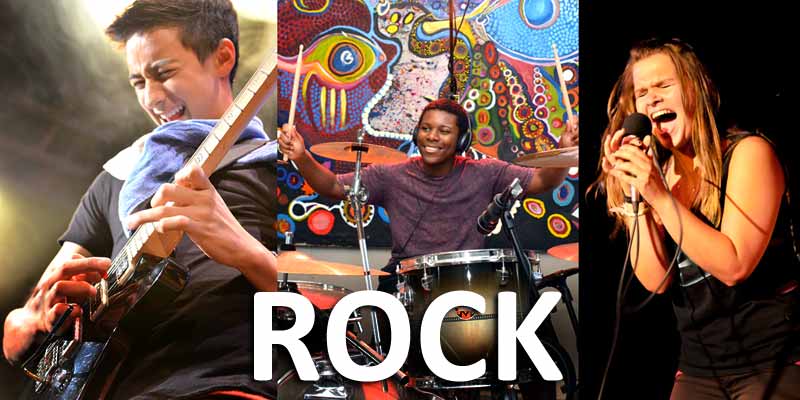
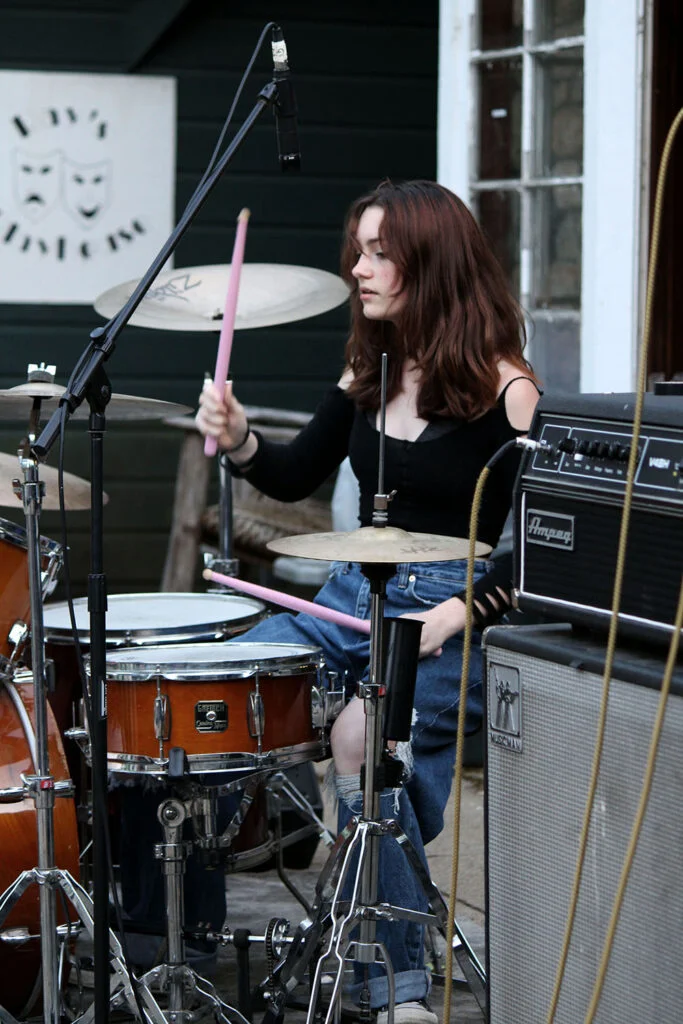
Programs such as dance summer camps in New York contribute to body awareness and somatic confidence. Meanwhile, students in rock music camps gain mastery experiences through live showcases.
Importantly, the psychological mechanism here is not talent development alone. It is the normalization of vulnerability. When teens in theater camps understand that revision is part of the artistic process, fear of failure diminishes.
In structured yet choice-driven programs, the impact on creative freedom manifests as:
- Greater willingness to experiment
- Reduced avoidance behaviors
- Improved cognitive flexibility
- Stronger persistence under pressure
Social Cohesion and Authentic Self-Expression in Performing Arts Camps
Adolescents place a high value on peer belonging. Research indicates that identity safety—feeling accepted without suppressing personality traits—directly influences long-term confidence.
At performing arts camps, campers are grouped by shared creative interest rather than academic tracking. This alignment produces faster peer bonding and higher perceived acceptance.
Teens often report feeling “more themselves” compared to school environments.
The psychological drivers include:
- Reduced stereotype pressure
- Shared vocabulary around creativity
- Collaborative rehearsal structures
- Cross-disciplinary respect between dancers, actors, and musicians
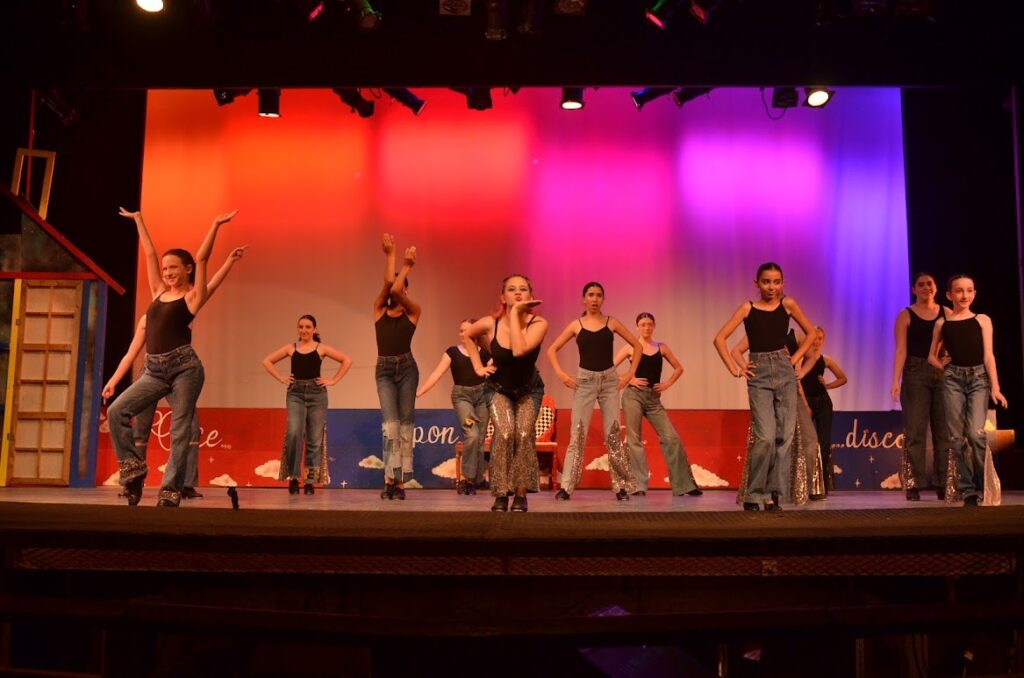
Similarly, participants in dance camps benefit from ensemble synchronization, which studies link to increased oxytocin release and stronger social bonding.
In an art summer camp in New York, campers experience non-graded evaluation. Without academic scoring metrics, artistic identity becomes self-referenced rather than externally ranked.
The cumulative impact on creative freedom in these settings includes:
- Strengthened authentic self-expression
- Increased intrinsic motivation
- Lower social comparison stress
- Long-term commitment to creative practice
Cognitive Growth Through Interdisciplinary Artistic Exposure
Neuroscientific research indicates that multi-arts exposure activates cross-hemispheric neural pathways associated with problem-solving and abstract reasoning. Teens participating in both music and theater camp demonstrate broader creative thinking patterns.
Elective structures at institutions such as Long Lake Camp allow students to:
- Act in productions within theater camps
- Rehearse in music summer camp
- Train physically in dance camps
- Present exhibitions in art summer camps 2026
This interdisciplinary exposure broadens cognitive flexibility and strengthens executive functioning skills, including planning, sequencing, and reflective critique.
Why Creative Freedom Matters in Adolescent Development
The adolescent brain is still forming neural networks responsible for identity, emotional regulation, and risk assessment. When teens participate in autonomy-based programs such as performing arts summer camps, the psychological benefits extend far beyond stage performance.
The measurable impact on creative freedom is not abstract. It is developmental, social, and neurological. If you are seeking a research-informed, autonomy-centered environment for your teen, visit Long Lake Camp for the Arts to learn more about our programs and specialized tracks across theatre, music, dance, and visual arts.
For questions or registration, reach out to our winter office conveniently located in the NYC metro area at:
199 Washington Avenue, Dobbs Ferry, NY 10522. If cost is a concern, please contact us; we’d love to help your teen experience an unforgettable summer of growth and creativity.