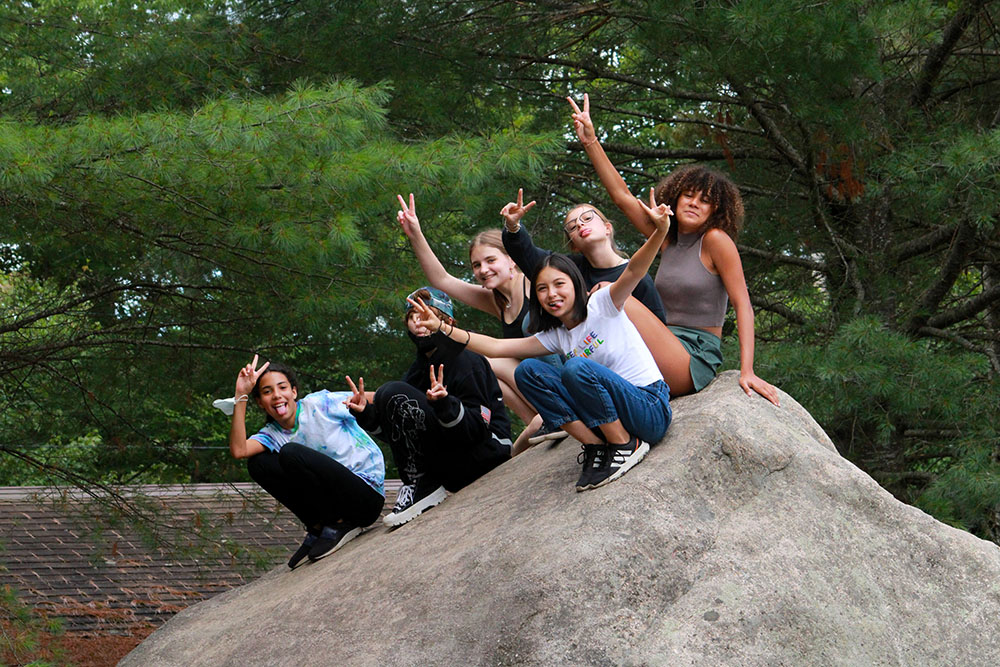
Choosing an overnight arts camp in NY for a teenager can feel stressful, especially when safety is the top concern. According to the American Camp Association, more than 20 million children attend summer camps in the United States each year, and accredited overnight camps report lower incident rates due to structured supervision, trained staff, and clear safety protocols. Parents today are not only looking for artistic growth but also for secure environments where teens can thrive socially and emotionally.
A safe teen overnight arts camp combines structured supervision, professional instruction, and age-appropriate independence. Nationally accredited camps report higher parent satisfaction and lower safety-related incidents compared to non-accredited programs. In New York, reputable programs balance creative development with strong safety systems, allowing students to focus on performance, visual arts, and music without unnecessary risks.
What Defines a Safe Overnight Arts Camp in New York
Safety at overnight camps is not accidental. It is built through policies, staffing, and daily structure. Established overnight art camps follow industry standards that prioritize camper well-being.
Key safety indicators to look for include:
- Background-checked counselors and instructors
- Low camper-to-staff ratios, especially for teens, support constant supervision and faster response times.
- On-site health professionals and emergency response plans
- Clear supervision schedules for cabins, rehearsals, and free time
- Transparent behavior policies shared with families
- Strong safety programs rely on written policies, trained staff, and predictable daily routines.
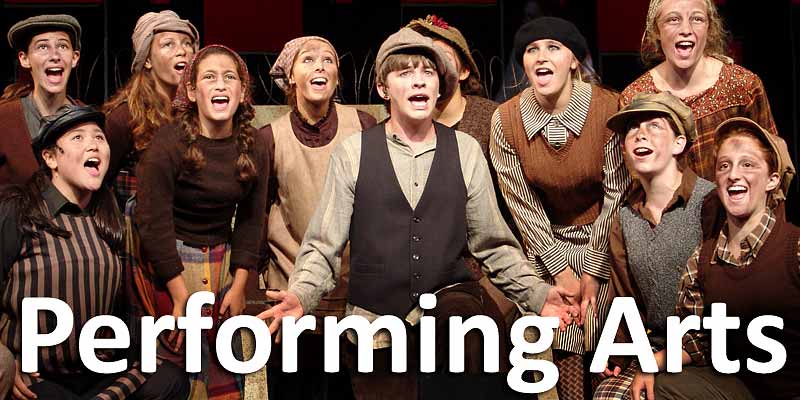
Many performing arts camps in New York also separate age groups and skill levels to create appropriate peer environments. This structure reduces risk while supporting confidence and growth.
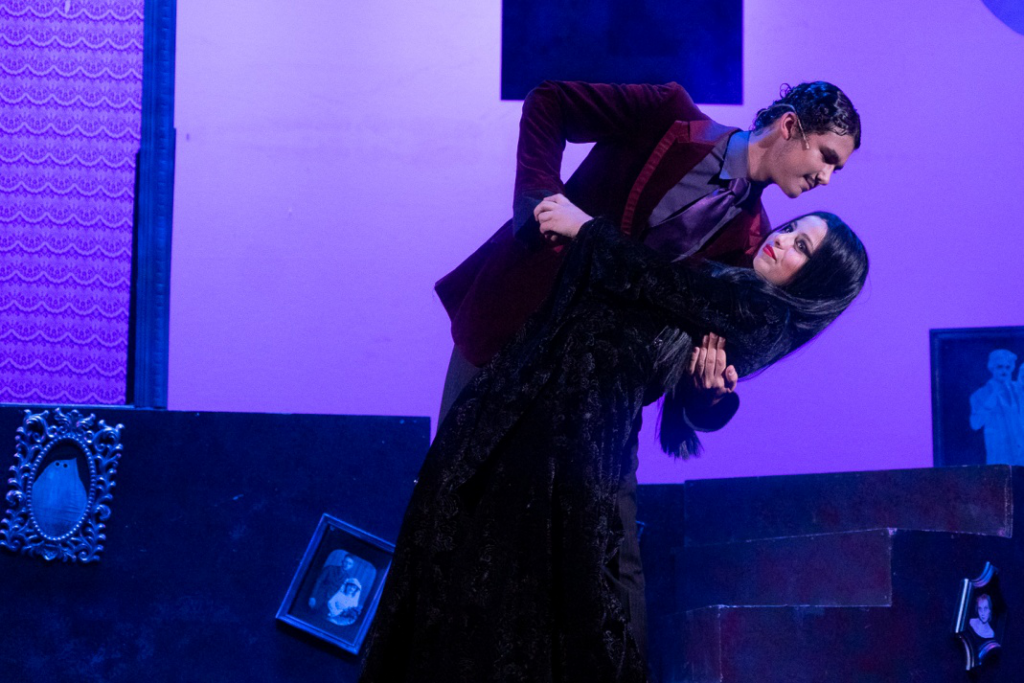
How Sleepaway Arts Camps Support Skill Development and Confidence
Parents often worry that strict safety rules might limit creativity. In reality, secure environments allow students to take artistic risks without fear. Programs such as performing arts sleepaway camps provide consistency, routine, and emotional support that help teens grow faster.
Benefits teens gain include:
- Increased confidence from performing in structured settings
- Strong communication skills developed through group rehearsals
- Accountability through scheduled classes and responsibilities
- Peer collaboration in theater, music, and visual arts programs
- Improved time management as teens balance rehearsals, classes, and personal downtime
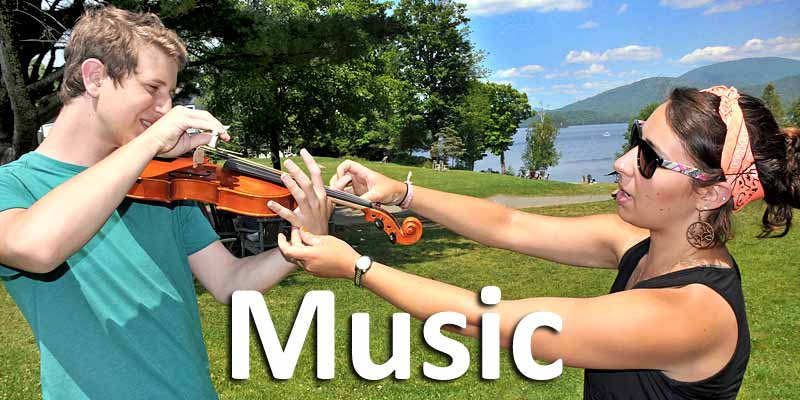
Whether a student attends theater camps or music camp in New York, a well-managed sleepaway program gives teens room to focus while remaining supported.
Evaluating Staff Training and Supervision Policies
Staff quality is one of the strongest indicators of camp safety. High-quality arts camps invest heavily in counselor training before the season begins.
Look for camps that emphasize:
- Certified instructors with teaching or performance backgrounds
- Counselors trained in youth development and conflict management
- Ongoing supervision during rehearsals, meals, and downtime
- Clear communication channels for campers to report concerns
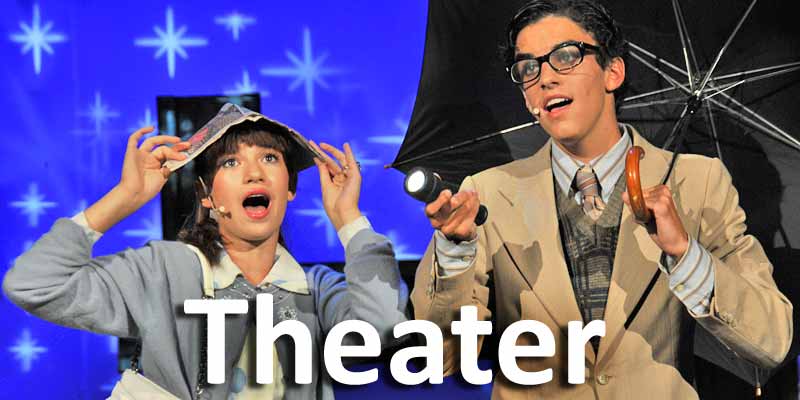
Camps offering theater summer camps often require additional training for stage safety, lighting use, and equipment handling. Well-trained staff reduce risk and improve the overall camper experience.
Residential Life and Facility Security Matter
Sleeping arrangements and campus layout directly affect camper safety. Trusted art sleepaway summer camps design their facilities to minimize risk while promoting independence.
Important residential features include:
- Gender- and age-appropriate housing assignments
- Nighttime supervision in all living areas
- Controlled access to campgrounds and buildings
- Clearly marked emergency exits and procedures
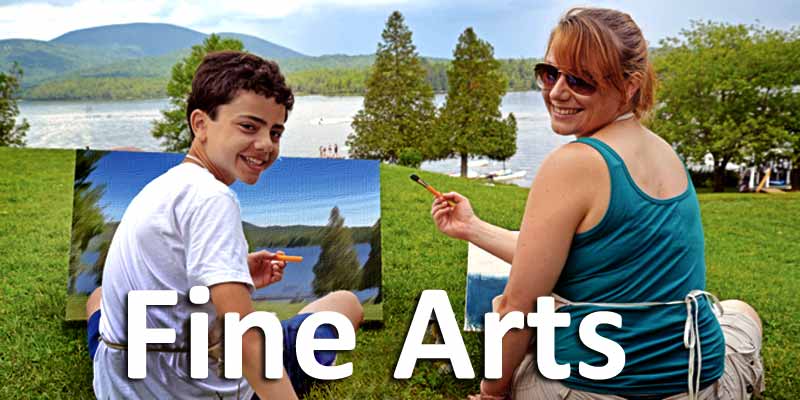
Programs such as arts summer camps often operate on private, well-monitored campuses designed specifically for youth programs. Housing design directly affects supervision and camper safety during overnight hours.

Why New York Parents Choose Established Arts Camps
New York families often seek camps that offer both reputation and results. Established programs offering performing arts camp experiences usually have years of operational history, alumni success stories, and strong parent reviews.
Parents value camps that provide:
- Consistent communication before and during sessions
- Clear expectations for behavior and participation
- Balanced schedules with classes, recreation, and rest
- Measurable skill improvement by the end of the session
Programs like Long Lake Camp for the Arts are known for combining safety standards with high-level creative instruction, helping teens return home more confident and capable.
Questions Parents Should Ask Before Enrolling
Before choosing a safe teen overnight arts camp, parents should request detailed information. Asking direct questions helps clarify expectations and builds trust.
Helpful questions include:
- How are counselors trained and supervised?
- What medical support is available on site?
- How does the camp handle homesickness or anxiety?
- What safety measures are in place during performances and rehearsals?
Camps offering performing arts camp experiences should be prepared to answer these clearly and thoroughly.
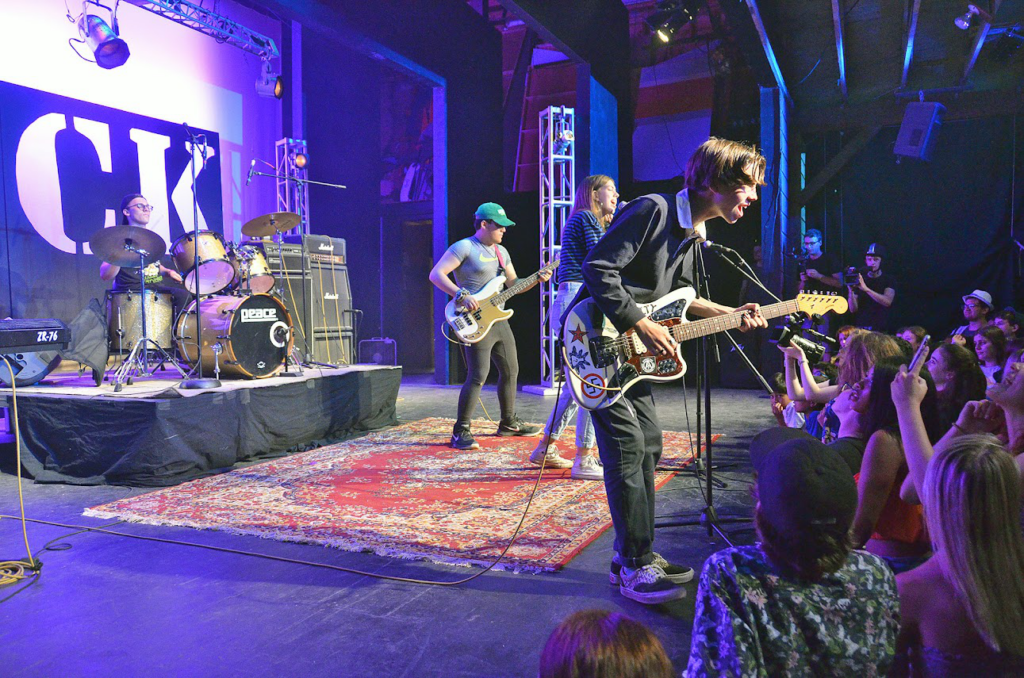
Choosing Confidence, Creativity, and Peace of Mind
Selecting the right overnight arts camp does not have to feel overwhelming. When safety systems, trained staff, and structured programs come together, teens gain far more than artistic skills. They build confidence, independence, and lifelong friendships in a supportive setting. If you are searching for a safe teen overnight arts camp that values both creative growth and student well-being, Long Lake Camp for the Arts offers a trusted environment where teens can learn, perform, and grow with confidence.
Location: 83 Long Lake Camp Way, Long Lake, NY 12847
Winter Office: 199 Washington Avenue, Dobbs Ferry, NY 10522
Contact us today to learn more about programs and enrollment opportunities.