Many parents want more than basic arts exposure for their teens. According to the National Endowment for the Arts, students who participate in structured performing arts programs in New York demonstrate stronger collaboration skills, improved confidence, and higher engagement in school-related activities. These outcomes explain why demand continues to rise for immersive summer programs that prioritize real performance over classroom-only instruction.
A well-designed teen stage performance camp gives young performers consistent rehearsal schedules, audience-facing productions, and professional guidance that mirrors real theater environments. It also helps students understand performance accountability, stage etiquette, and the expectations that come with presenting work to a live audience.
Understanding how these camps operate helps families choose programs that truly prepare teens for the stage.
Why Hands-On Performance Matters More Than Observation
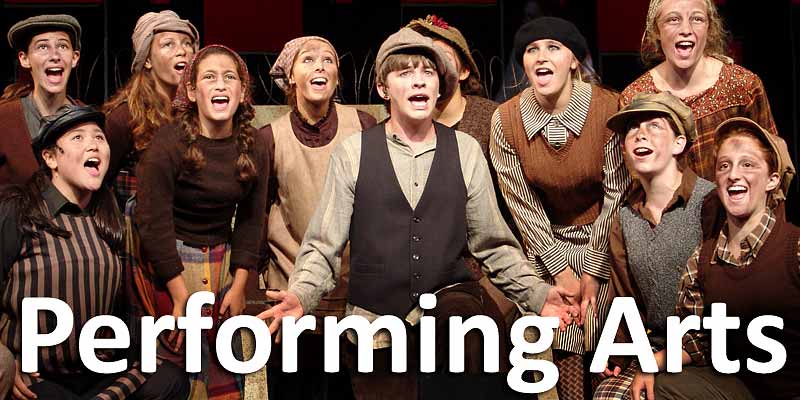
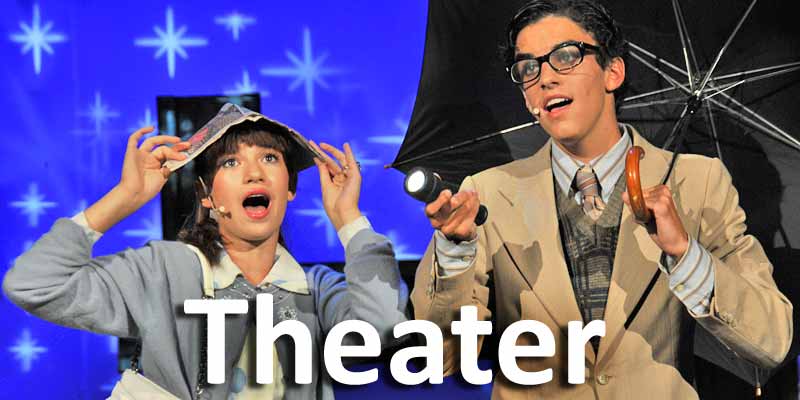
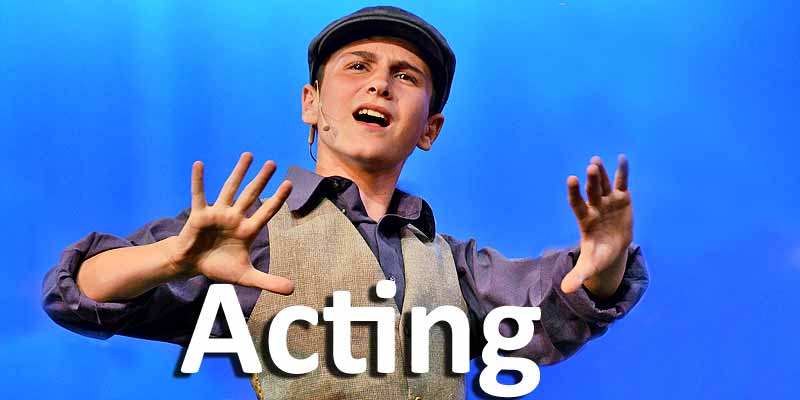
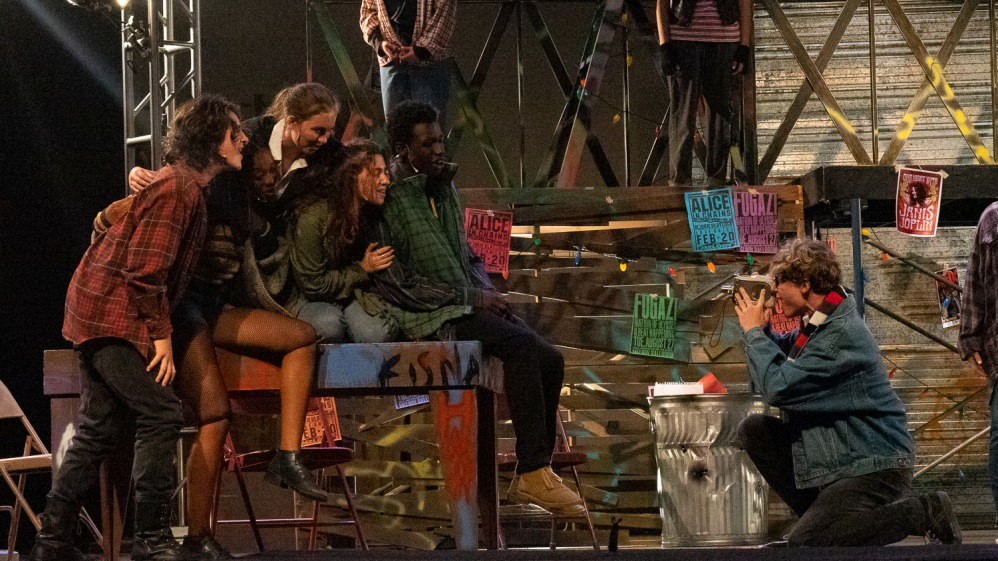
Performance skills cannot be learned through observation alone. Theater requires timing, projection, physical awareness, and emotional expression that only develop through repetition and feedback. Summer theater camps place teens into active roles, often staging complete productions by the end of the session.
Hands-on stage training helps teens develop:
- Memorization discipline under rehearsal deadlines
- Vocal strength and movement control
- Comfort performing before live audiences
- Accountability within an ensemble cast
Unlike short workshops, full production models create realistic expectations similar to professional or academic theater programs.
Teamwork as a Core Part of Theater Training
Theater is inherently collaborative. Teens must rely on one another to hit cues, maintain pacing, and support scene partners. Camps that emphasize ensemble learning foster strong interpersonal skills that extend beyond the stage.
Through daily rehearsals, students learn:
- How to give and receive constructive feedback
- Conflict resolution within creative settings
- Time management and shared responsibility
- Respect for directors, choreographers, and peers
These teamwork skills are especially valuable for teens interested in long-term involvement in theater, music, or other group-based creative fields.
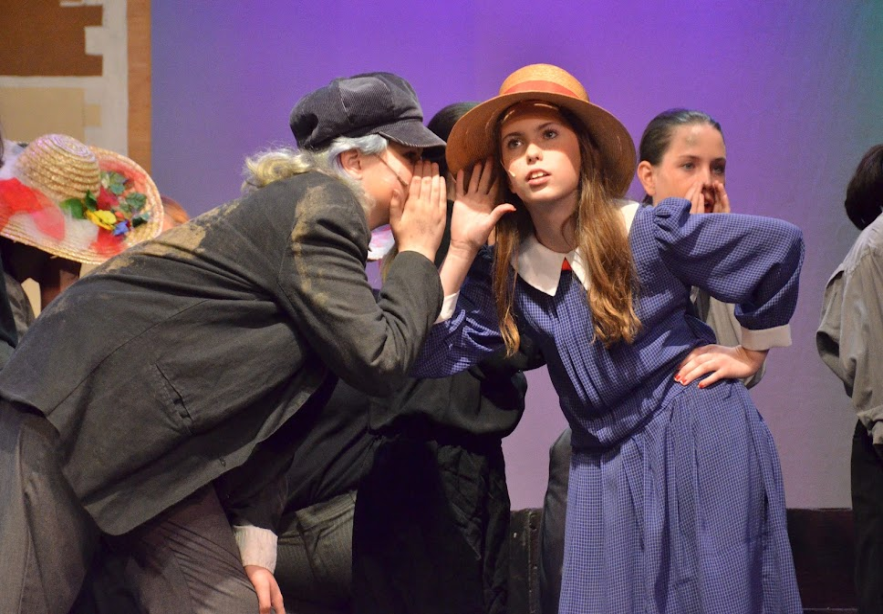
Musical Theater and Music-Based Performance Options
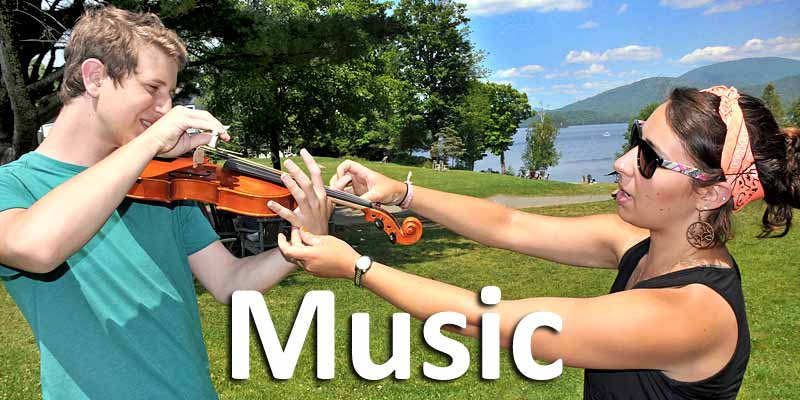
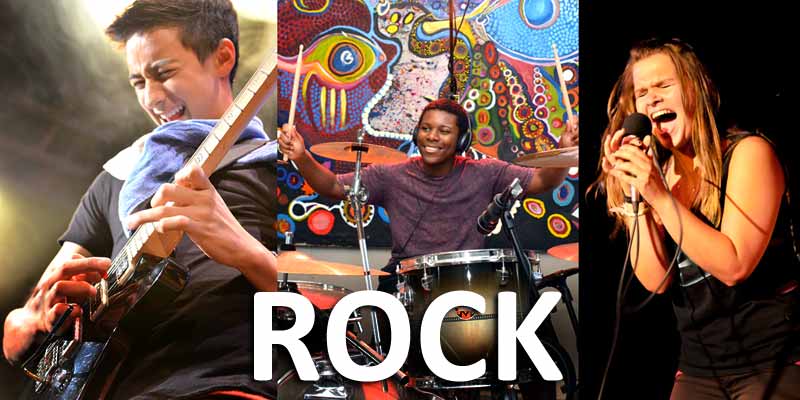
Many theater camps in New York integrate music training, allowing students to build skills across disciplines. Musical theater programs blend acting, singing, and choreography into unified productions, while music-focused camps emphasize live performance technique.
Music-based performance training often includes:
- Ensemble coordination and rhythm accuracy
- Stage presence and audience engagement
- Vocal stamina during extended rehearsals
- Live performance adaptability
Teens interested in band performance, songwriting, or vocal performance benefit from rehearsal environments that simulate concerts rather than classroom instruction.
Immersive Learning Through Overnight Camp Programs
Sleepaway performing arts camps provide uninterrupted creative focus. Without daily travel or outside distractions, teens remain fully engaged in rehearsals, workshops, and performances.
Benefits of overnight performance programs include:
- Consistent rehearsal momentum
- Stronger peer connections within cast groups
- Structured schedules that support discipline
- Supervised environments that balance creativity and wellness
Living and creating alongside peers encourages artistic growth while building independence and responsibility.
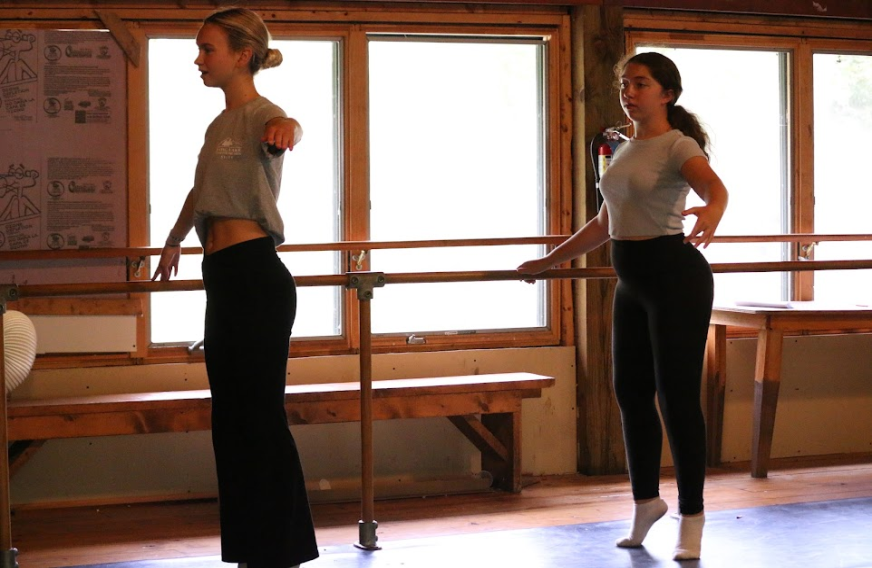
Dance Training as Part of Stage Readiness
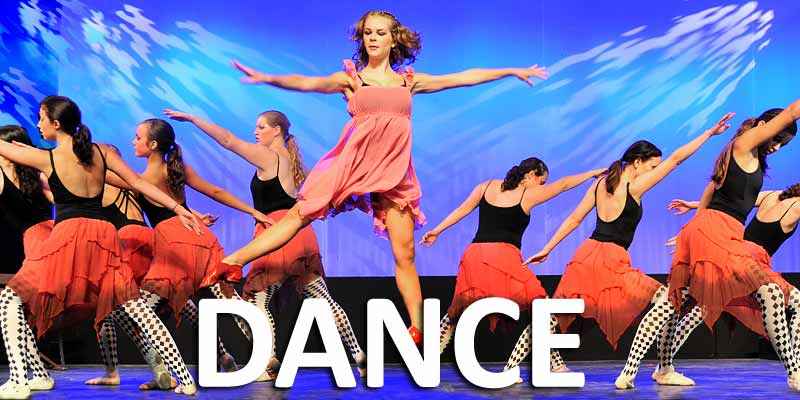
Dance instruction supports overall performance quality, even for teens focused primarily on acting or music. Movement training improves spatial awareness, posture, and physical confidence on stage.
Dance-focused sessions help teens:
- Understand blocking and choreography patterns
- Improve balance and coordination
- Build endurance for long performances
- Maintain physical alignment during live shows
At dance camp in New York, these skills translate directly into stronger stage presence and professional readiness.
How Long Lake Camp for the Arts Offers Unmatched Flexibility for Teen Performers
One of the defining strengths of Long Lake Camp for the Arts is the 100% flexibility it provides in creative scheduling, program selection, and performance pathways. This flexibility refers to the wide range of combinations teens can build across disciplines, rehearsal structures, and performance opportunities—far beyond a single-track camp model.
Key ways this flexibility benefits teens include:
- Multiple performance opportunities throughout the session instead of a single end-of-camp show
- The ability to adjust focus areas as confidence and interests evolve
- Access to varied rehearsal formats, from ensemble work to small-group instruction
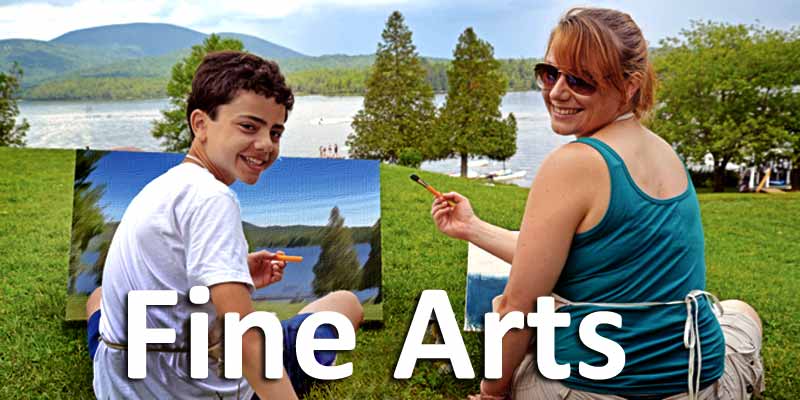
- Options to combine stage performance with visual arts, music, or movement programs
This approach mirrors real-world performing arts environments, where adaptability and cross-disciplinary experience are highly valued. Teens learn how to manage time, collaborate across roles, and respond to creative feedback in changing settings.
Turning Summer Into a Real Performance Experience
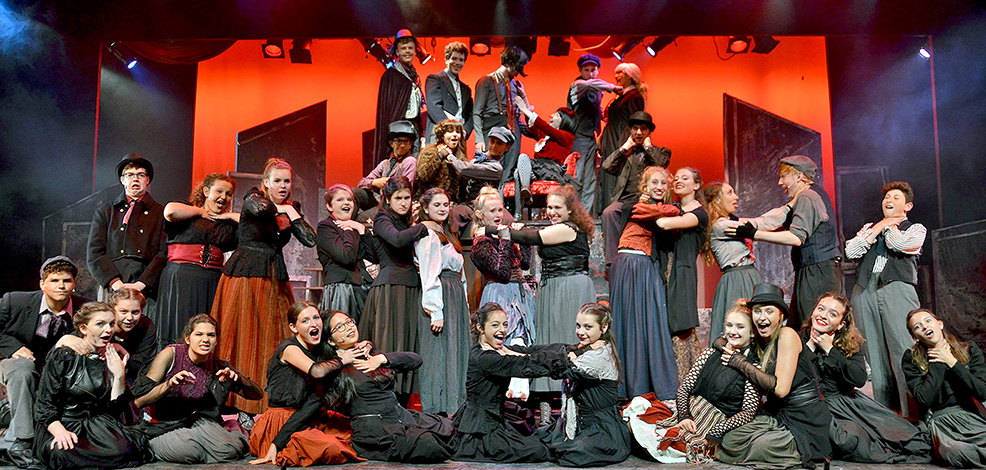
A meaningful summer theater program provides more than creative enrichment. Through live productions, collaborative rehearsals, and immersive schedules, teens gain confidence, discipline, and performance awareness that classroom settings cannot replicate. A thoughtfully structured teen stage performance camp prepares students for future auditions, academic programs, and creative collaboration by placing them where learning happens best—on stage.
Looking for a summer program that delivers real performance experience? Discover how Long Lake Camp for the Arts helps teens build confidence, teamwork, and stage-ready skills through immersive theater and music training.
Location: 83 Long Lake Camp Way, Long Lake, NY 12847
Winter Office: 199 Washington Avenue, Dobbs Ferry, NY 10522
Have questions or concerns about cost? Contact us today