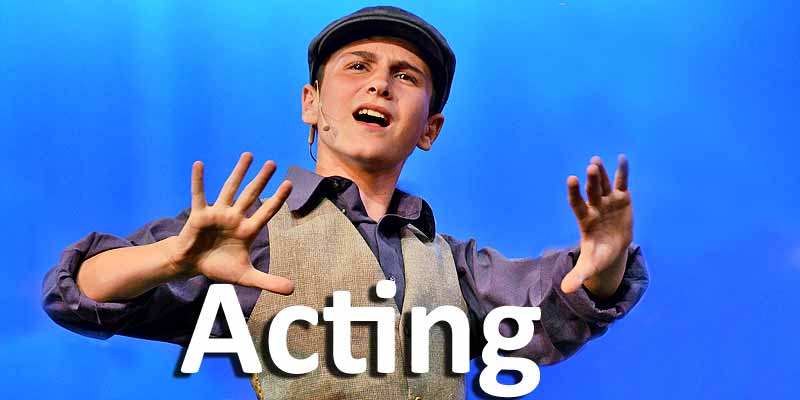
At a self-directed summer camp, your child designs their own day. They work with mentors to choose from arts, music, theater, sports, and more. This approach teaches real decision-making, sparks genuine curiosity, and ensures they spend their summer going deep on what matters most to them.
That’s the short answer. Here’s why it works and what it looks like in practice.
What Structured Freedom Actually Means
Your child already knows what they love. They’ve been telling you for years. The question is: what happens when nothing stands between them and pursuing it?
Structured freedom is the answer. It means real choices within a framework designed to support exploration. Not a free-for-all. Not “figure it out yourself.” A carefully designed environment where choosing becomes the skill they practice every day.
For creative children, this distinction matters. A rigid camp schedule can feel like July turned into sixth period. Same bells. Same assigned seats. Same waiting for permission. Self-direction flips that dynamic entirely.
Curious how this would work for your child? Start a conversation with our team.
A Day in the Life of a Self-Directed Camper
Let’s make this concrete.
Your daughter wakes up at 8 AM. After breakfast, she checks in with her mentor about the day ahead. Today she wants to spend the morning in the film editing suite finishing a short documentary she started on Monday. She’s been interviewing other campers about their hometowns.
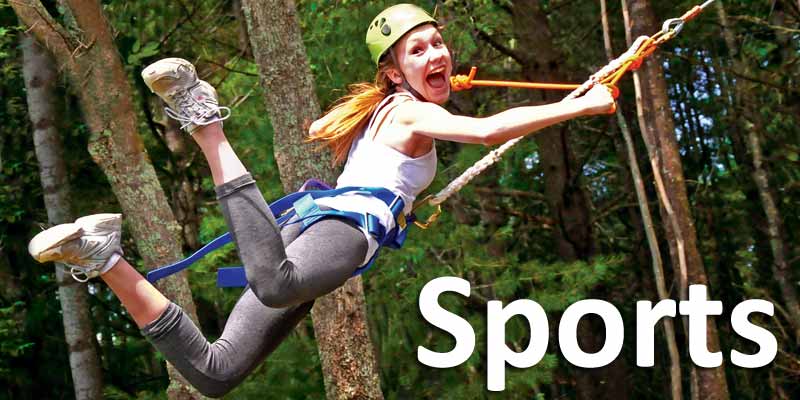
Her mentor asks a few questions. Did she want to do anything physical today? She remembers she signed up for afternoon sailing with two friends she met during the first week. That’s on the schedule.
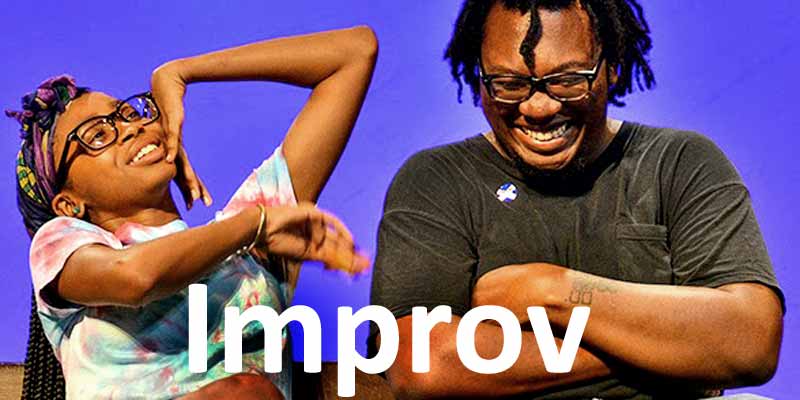
After dinner, she joins the evening rock band rehearsal (she’s been learning bass). If she wasn’t committed to the band, she could have opted to attend an improv comedy workshop.
This is what “100% freedom to choose” looks like in practice. The child becomes the architect of their own summer. They’re building something, not just passing time.
Mentors Are Facilitators, Not Enforcers
The most common question parents ask about self-directed camps is deceptively simple: “How does it actually work?”
The answer lives in the staff model.
Traditional camp counselors enforce schedules. They move groups from activity to activity, manage behavior, and keep the trains running on time. Important work, but fundamentally about compliance.
Self-directed camps flip this. Mentors are facilitators. Their job is to help each child navigate choices, balance interests, and stretch beyond comfort zones when they’re ready.
If your child loves music and painting and drama and can’t pick just one, this model was built for them. They don’t have to specialize. They can explore everything, finding connections between creative disciplines that rigid tracks would never allow.
This is how balance happens without mandates. Through relationship, not rules.
What to look for when evaluating any camp’s mentorship model: Ask how counselors are trained to guide choices. Ask about the check-in process. Ask what happens if a child gets stuck or avoids trying new things. The answers reveal whether “self-directed” is a philosophy or a buzzword.
The Skills They Bring Home
Parents often describe a specific moment. Their child returns from camp and something is different. Not just the tan or the new friendships. Something in how they carry themselves.
The shift is about decision-making.
A child who spent a month choosing their own path has practiced independence hundreds of times. Small choices and big ones. Easy days and hard days when nothing sounded good and they had to figure out why.
They return more decisive. They’ve learned that choices have consequences, that you can change direction, that trying something new doesn’t mean abandoning what you love.
One parent put it simply: “It felt like a dream come true.” Her child came back not just happy, but capable in a new way. Ready to advocate for what they wanted. Comfortable with the weight of making their own calls.
This is the outcome that doesn’t fit on a brochure but matters more than any specific skill learned. Your child practiced being the author of their own days. That muscle stays with them.
Is This the Right Fit?
Self-directed camp amplifies what’s already there. For a child with multiple creative passions, it’s an invitation to go deeper on all of them.
This model works especially well for children who:
- Have creative interests that span multiple disciplines
- Light up when given real choices and ownership
- Want more time and space than school allows for their passions
- Are ready to find peers who share their creative intensity
The question isn’t whether your child will engage. You already know they will. The question is how deep they’ll go when the resources, mentorship, and freedom align.
See What They Could Be Choosing
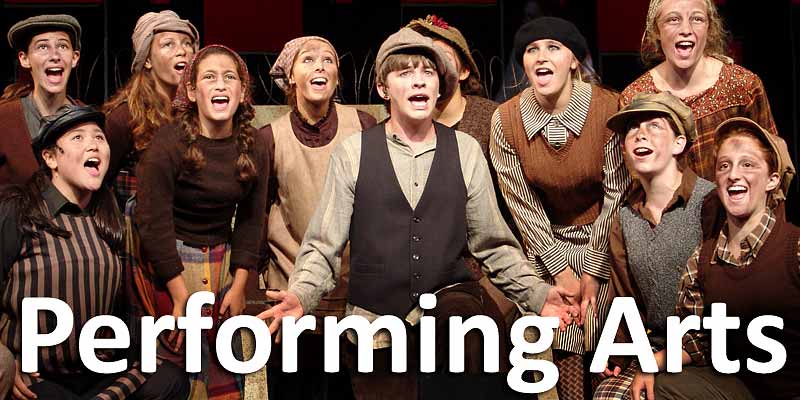
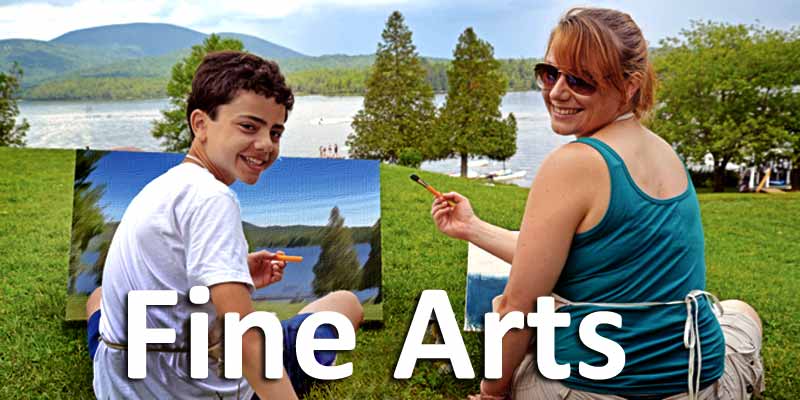
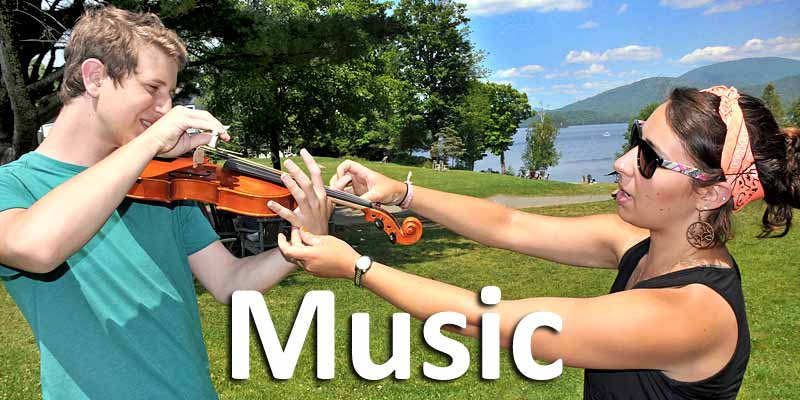
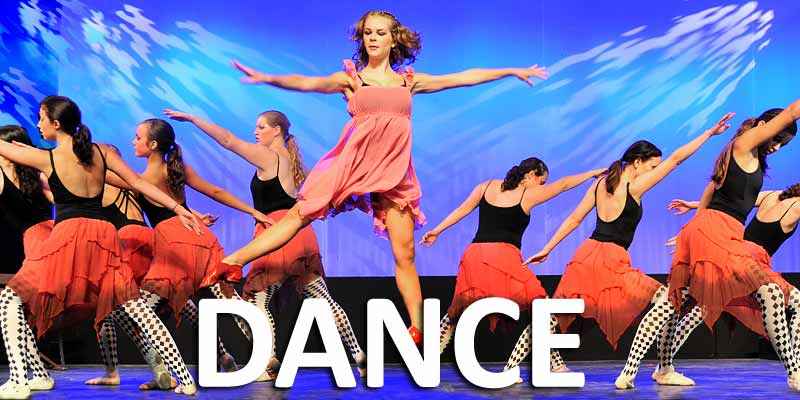
Long Lake Camp for the Arts offers this exact model. With activities spanning musical theater, film production, rock bands, visual arts, and waterfront sports, the menu is genuinely extensive. The counselor ratio and private estate setting make real choice possible, not theoretical.
Your child could be the one deciding between the editing suite and the rehearsal stage. The one building a summer that feels like theirs.
Ready to learn more? Request information and we’ll be in touch to answer your questions.