Sleepaway arts camps cover a wide range of ages, program styles, and daily routines, which can make comparing options feel overwhelming. This guide walks through what parents of children ages 8 to 16 should know before choosing among performing arts sleepaway camps for an upcoming summer.
Understanding Age Groups and Development
Children ages 8 to 16 span an enormous range of developmental stages, and the strongest programs account for that difference in how they structure bunks, activities, and expectations. Younger campers, generally ages 8 to 11, often benefit from more structure and closer supervision as they adjust to their first extended time away from home.
Older campers and teens, typically ages 12 to 16, tend to want more independence, more advanced creative tracks, and more say in their own daily schedule. At Long Lake Camp for the Arts, we group our campers by age so that younger children get age-appropriate support while teens exploring an art camp for teens in New York have room to take on more responsibility and creative challenge.
A Typical Day at Camp
Daily life at a sleepaway arts camp usually blends structured activity blocks with free time, meals, and evening programs. Mornings often begin with a wake-up call, breakfast, and the first rounds of chosen activities, whether that means a theater rehearsal, a music lesson, or time in the art studio.
Afternoons continue with more activities, plus time for sports, swimming, or simply relaxing with friends. Evenings frequently bring the parts of camp that campers remember for years afterward: performances, bonfires, talent shows, and themed camp nights.
We built our own daily schedule to keep this balance between structured creative time and genuine unstructured fun, since kids need both to have a great summer.
Choosing Activities and Building Skills
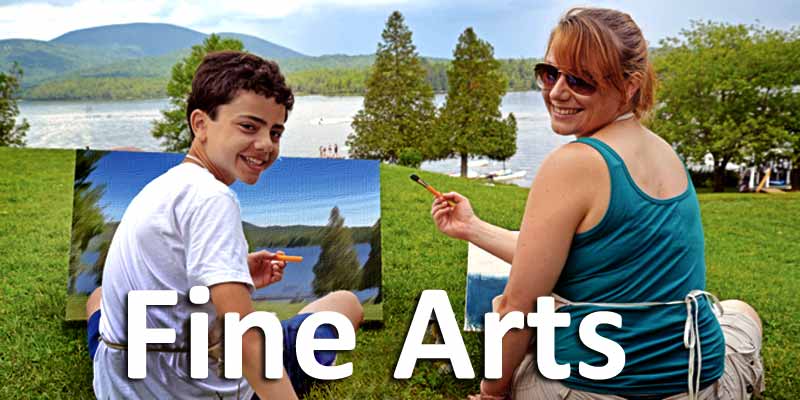
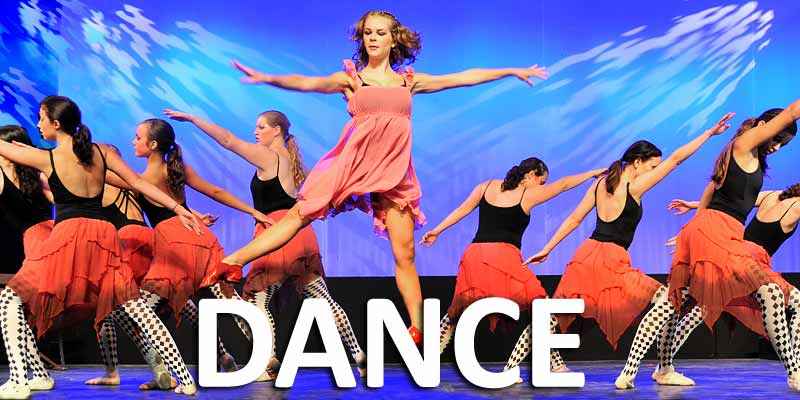
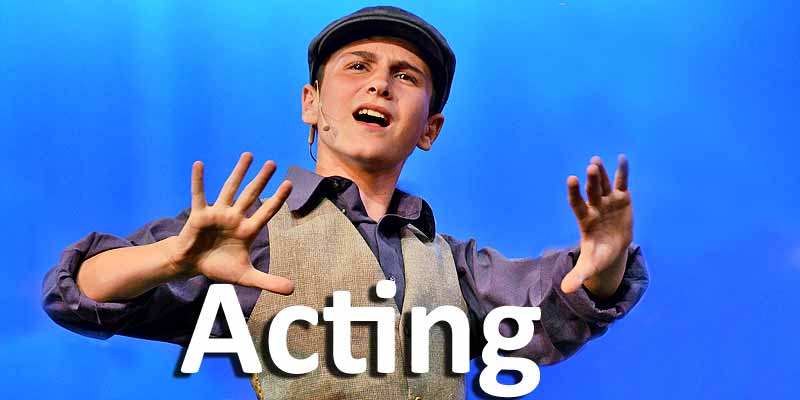
Most sleepaway arts camps offer some mix of theater, music, dance, and fine arts, though the depth and variety vary widely between programs. Families researching options for a summer arts camp in New York should ask how much choice campers actually have day to day, and whether activities rotate on a fixed schedule or allow campers to select what interests them.
At Long Lake Camp for the Arts, campers move freely between departments, so a single week might include theater rehearsals, a painting project, and a session learning an instrument, all chosen by the camper rather than assigned by staff.

Friendships and Community
Ask any adult who attended sleepaway camp as a kid, and friendships are usually the first thing they mention. Shared creative interests tend to create especially strong bonds, since campers bond over rehearsing the same scene, learning the same dance number, or working side by side on an art project.
Many families researching dance camps in New York or theater programs specifically choose an arts-focused camp because they want their child to find peers who share the same passions, not just a general group of same-age kids. These friendships often continue well beyond camp, through the school year and into future summers.
Preparing a Camper for Their First Summer
First-time campers, regardless of age, benefit from involvement in the decision-making process. Touring a campus, watching videos from past sessions, and talking through what a typical day looks like can ease nerves well before opening day arrives.
According to the American Camp Association, open and honest conversations about what to expect, including how homesickness is handled, are among the most effective ways to prepare a child for their first extended stay away from home.
Parenting resources from the Child Mind Institute also recommend letting children pack some personal comfort items and stay involved in choosing what to bring, since a sense of ownership over the experience tends to ease the transition.
What to Ask Before Choosing a Camp
Before enrolling, it helps to ask direct questions: How are campers grouped by age? What does a typical day actually look like, hour by hour? How much choice do campers have in their activities? How does staff handle homesickness, disagreements, or a child who is struggling to adjust?
A program willing to answer these questions clearly and patiently is usually a strong sign of a healthy camp culture, regardless of how polished its brochure looks.
Packing and Practical Preparation
Beyond the emotional preparation, a few practical steps make the transition easier for both campers and parents. Reviewing a packing list well ahead of time, labeling belongings clearly, and reviewing camp health forms early all reduce last-minute stress in the days before departure.
Families comparing overnight art camps in New York should also ask about laundry service, how mail and care packages work, and what communication with campers looks like during a session, since policies vary widely from one program to another.

Knowing these details in advance helps both campers and parents feel more settled once drop-off day actually arrives.
Why Age-Appropriate Structure Matters at Long Lake Camp for the Arts
We designed our program specifically to serve both younger campers and teens well, without asking either group to compromise on the kind of summer they need.
Whether your child is an 8-year-old trying dance for the very first time or a 16-year-old refining a technical theater skill, our structure adapts to meet them where they are while still giving them real creative freedom.
Art sleepaway summer camps New york offer far more than a summer activity; for many kids, they offer a place to discover who they are as a creative person, surrounded by friends who understand that passion.
If you are weighing options for a child anywhere between ages 8 and 16, we would love to answer your questions and help you decide whether Long Lake Camp for the Arts is the right fit for your family. We are always happy to walk a family through these logistics one-on-one, especially for a first-time camper.
Ready to learn more about summer 2027? Visit our website to explore our programs, or contact us directly with any questions.