Choosing a summer program is one of the bigger decisions a family makes each year, and for parents raising a creative child, that search often leads straight to performing arts sleepaway camps. With so many options across the country, it helps to have a clear framework for comparing programs before committing to a session for 2027.
Understanding What “Performing Arts Camp” Actually Means
Not every camp that lists theater or music on its brochure offers the same experience. Some programs treat the arts as one activity among many, while others build the entire summer around creative exploration.
Before narrowing down a list, it is worth asking how much time campers actually spend on their chosen art form each day, whether activities are mandatory or elective, and how performances or showcases fit into the schedule.
Families searching for a summer performing arts camp should look past the marketing photos and ask directly about a typical day, hour by hour.
Program Variety and Creative Choice
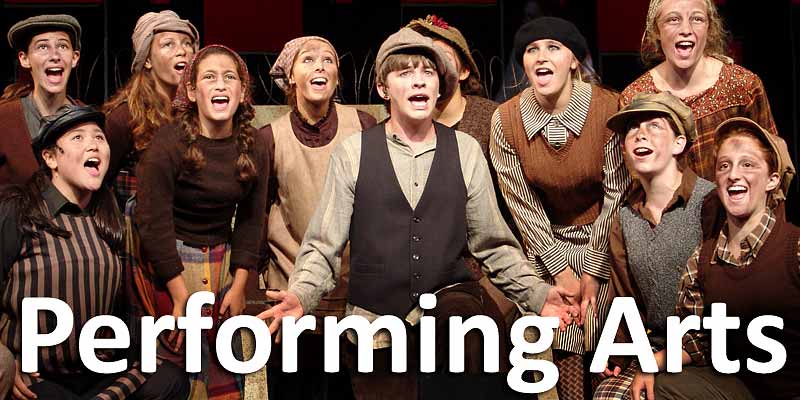
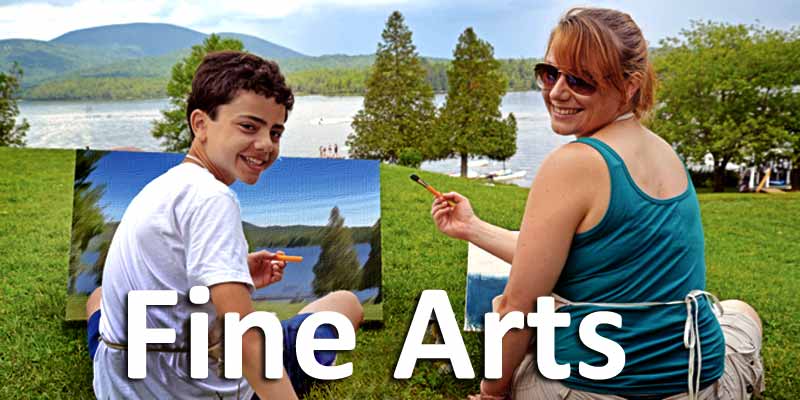
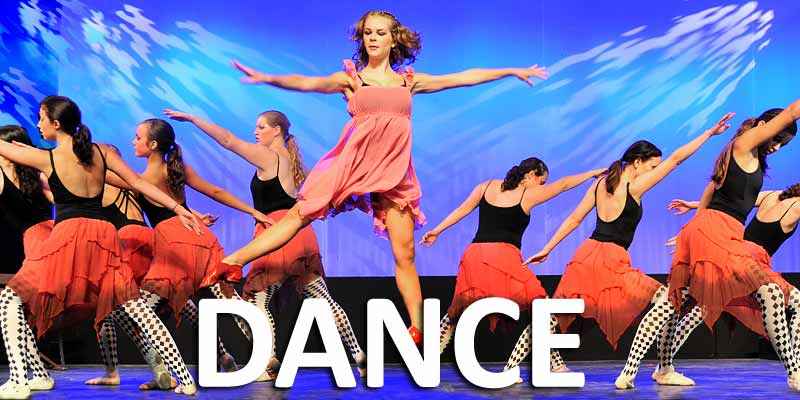
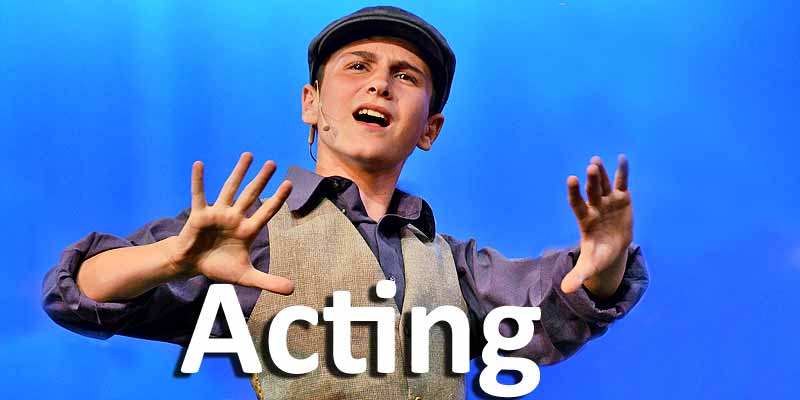
The strongest programs tend to offer real breadth: theater, music, dance, fine arts, film, and often specialty options like circus or rock bands. Variety matters because kids rarely know at age ten exactly which art form they will love most, and a camp that only offers one or two disciplines limits that discovery.
We built our program at Long Lake Camp for the Arts around this idea, giving every camper the freedom to choose their own activities each day rather than being assigned to a single track for the summer. That kind of flexibility lets a shy singer try improv, or a dancer discover a passion for painting, without ever feeling locked in.

Staff, Safety, and Daily Structure
Once a family narrows down a shortlist, staff quality becomes one of the most important factors to evaluate. Ask about camper-to-staff ratios, how counselors are trained, and how the camp handles homesickness or conflicts between bunkmates.
According to the American Camp Association, families should feel comfortable asking any camp detailed questions about staff screening, supervision, and health protocols before enrolling a child. A camp that answers these questions openly, without hesitation, is usually one worth taking seriously.
Location and Camp Environment
Setting shapes the whole summer experience just as much as the activity list does. A rural, lakeside setting like the Adirondacks offers space to unplug, explore nature, and enjoy a traditional camp feel between rehearsals and rock bands and art classes.
Families comparing an arts camp in New York against options in other states should think about travel logistics, visiting days, and how the natural surroundings might complement or distract from the creative focus of the program.
Understanding Costs and Session Lengths
Session length varies widely across performing arts summer camps, from two-week tastes of camp life to full six-week immersive summers.
Longer sessions typically allow deeper rehearsal periods, full productions, and more time for friendships to form, while shorter sessions can be a gentler introduction for a first-time camper.
We recommend reviewing dates, rates, and session options early, since the most popular weeks for a summer arts camp in New York tend to fill months in advance.
Questions Worth Asking Before You Enroll
Beyond brochures and websites, the most useful information often comes from direct conversations with camp staff and other families. Ask how a program handles a camper who wants to try three different activities in one day, or how disagreements between bunkmates are typically resolved.
Ask what a typical performance schedule looks like across a full session, and how much input campers have in choosing their roles or projects. Families researching art camps for teens in New York especially should ask about age groupings, since teenagers often benefit from more independence and more advanced creative tracks than younger campers.
It is also worth asking current or former camp families about their experience directly, since firsthand accounts often reveal details that never make it into a brochure. A camp that welcomes these questions, and answers them patiently, is generally a strong sign of a healthy program culture.
What Makes Long Lake Different
At Long Lake Camp for the Arts, we built our entire philosophy around choice rather than competition. There are no tryouts required to join, no cuts, and no ranking system pushing kids to compete against each other for stage time. Instead, campers explore theater, music, dance, fine arts, circus, and film at their own pace, supported by a staff-to-camper ratio that lets every child get real attention.

Resources from the Child Mind Institute note that children thrive when they feel a sense of ownership over their choices, and that principle sits at the center of how we run each session.
Preparing Your Child for an Incredible 2027 Summer
Once a family finds the right fit, preparation makes the transition smoother. Involve your child in the decision, tour the campus if possible, and talk openly about what a typical day will look like.
Families weighing overnight art camps for 2027 should also ask about communication policies, packing lists, and how the camp supports first-time campers during the early days of a session. A thoughtful search now, during the fall and winter months, means far less scrambling as summer approaches.
Choosing among performing arts summer camps takes time, but the payoff is worth it: a summer where a child grows more confident, makes lasting friends, and falls even more in love with the arts.
If you are ready to start planning for 2027, we would love to help you find the right fit at Long Lake Camp for the Arts. Comparing a handful of finalists side by side, rather than choosing the very first program that looks appealing, tends to lead to a much better fit for both the camper and the family in the long run. A little extra research now pays off later.
Ready to learn more about summer 2027? Visit our website to explore our programs, or contact us directly with any questions.