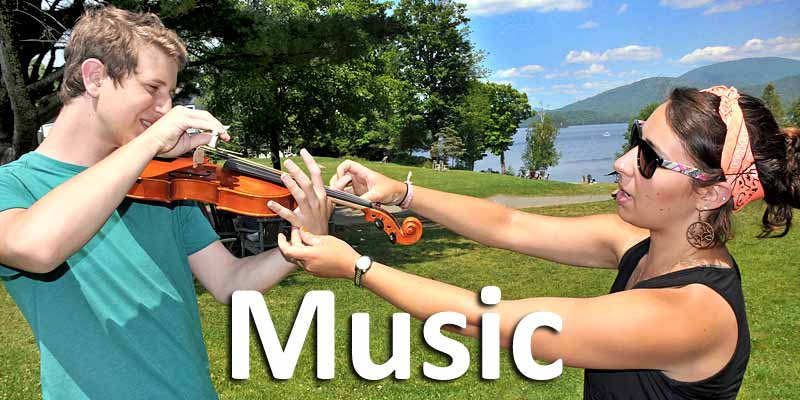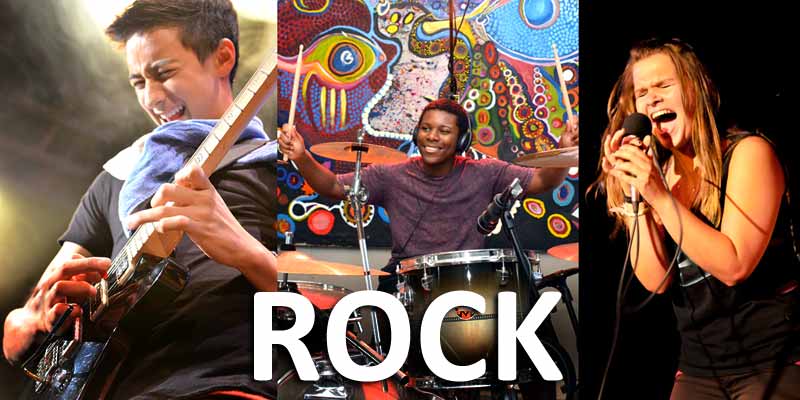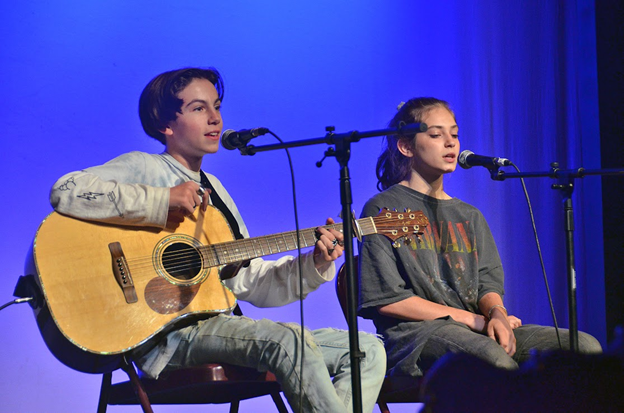
At Long Lake Camp for the Arts, ensemble music is treated as both a technical discipline and a shared creative experience. The 2026 music programs in New York are built around purposeful ensemble music training, helping teens learn how to perform complex pieces with accuracy, confidence, and musical awareness.
Rather than focusing solely on individual ability, the program teaches teens how to function as part of a musical whole. Campers learn when to lead, when to listen, and how to adapt their playing in real time—skills that define successful ensemble musicians.
All learning takes place within Long Lake’s 100% self-choice model, allowing teens to decide how music fits into their broader artistic schedule while receiving expert instruction and supervision.
What Makes Ensemble Music Different From Solo Study
While private lessons build technique, ensemble work teaches musicians how to interact, respond, and support one another. In ensemble settings, teens learn that musical success depends on timing, balance, and collaboration—not just individual performance.
Through ensemble music training, campers develop:
- Rhythmic consistency within a group
- Awareness of harmonic structure
- The ability to adjust volume, tempo, and articulation
- Musical responsibility toward fellow performers
These experiences mirror real-world musical environments, preparing teens for future bands, orchestras, and collaborative projects.
Developing Timing and Musical Precision
Precision is the foundation of strong ensemble performance. Teens are guided through exercises that strengthen rhythmic accuracy and internal timing, helping them stay aligned with the group even during challenging passages.
Instruction emphasizes:
- Counting and internal pulse
- Following visual and musical cues
- Maintaining tempo during transitions
- Responding to the conductor or group leadership
By rehearsing consistently within structured ensembles, campers gain the confidence needed to perform complex pieces with clarity and control.
Understanding Harmony and Musical Balance
Harmony requires careful listening and adjustment. Teens learn how their individual part fits within a larger musical framework, whether they are carrying melody, harmony, or rhythmic support.
Key learning outcomes include:
- Blending tone with other instruments
- Balancing volume within the ensemble
- Supporting group dynamics rather than overpowering
- Recognizing how harmony shapes musical expression
This attention to balance reinforces the collaborative mindset central to ensemble music training and encourages musical maturity.
Collaboration, Communication, and Leadership
Ensemble music is inherently collaborative. Campers learn how to communicate musically through body language, eye contact, and attentive listening. These non-verbal skills are essential for cohesive performances.
Teens rotate roles within ensembles, allowing them to:
- Experience leadership and supportive positions
- Build adaptability across musical styles
- Strengthen trust within the group
- Develop accountability to the ensemble
This approach ensures that both confident and reserved musicians find meaningful ways to contribute.

Inclusive Instruction for All Skill Levels
The 2026 ensemble music programs welcome musicians at varying stages of development. Beginners receive focused instruction on foundational ensemble skills, while advanced players are challenged with more complex arrangements and leadership responsibilities.
Instruction is tailored to:
- Instrument proficiency
- Musical background
- Individual learning pace
This inclusive structure ensures that every camper benefits from ensemble music training while feeling supported and appropriately challenged.
Rehearsals That Balance Structure and Choice
Rehearsals are carefully designed to promote progress without pressure. Instructors set clear musical goals while allowing space for creativity and exploration.
Campers benefit from:
- Purpose-driven rehearsals
- Constructive, growth-focused feedback
- Opportunities to experiment musically
- The freedom to combine music with other art forms
This balance reflects Long Lake Camp for the Arts’ commitment to independence, responsibility, and creative ownership.
Live Performance as a Learning Experience
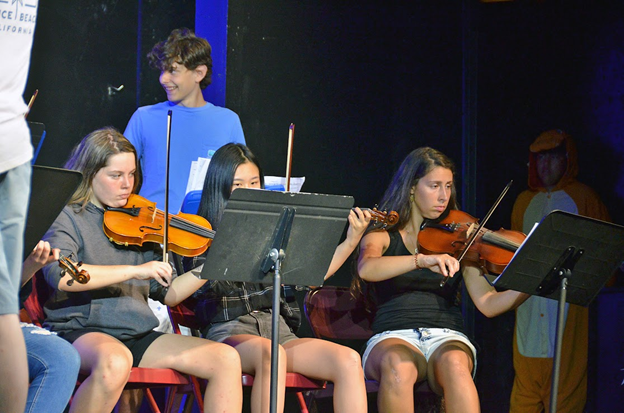
Performing together is a defining moment for ensemble musicians. The 2026 program offers multiple performance opportunities, allowing teens to present their work in a supportive setting.
These experiences help campers develop:
- Stage confidence and focus
- Group accountability
- Professional rehearsal habits
- Pride in collective achievement
Performances are framed as celebrations of progress rather than competitions, reinforcing positive musical growth.
A Supportive and Supervised Environment
All music activities are conducted under the close supervision of experienced staff who understand both music education and adolescent development. Safety, respect, and encouragement guide every rehearsal and performance.
Parents can feel confident knowing:
- Ensembles are appropriately supervised
- Equipment is handled responsibly
- Campers maintain a healthy balance of activities
- Individual attention is prioritized
This structure allows teens to grow musically while enjoying a well-rounded summer experience.
Why Long Lake Camp for the Arts Is a Trusted Choice
Families choose Long Lake Camp for the Arts because it offers more than isolated music instruction. Teens participate in ensemble music while also having access to theater, visual arts, filmmaking, circus arts, and outdoor activities—all through a single, integrated program.
What sets the camp apart:
- True self-choice scheduling
- A strong sense of creative community
- Longstanding reputation in arts education
- Focus on confidence, collaboration, and independence
The result is an environment where teens grow musically while forming lasting friendships and skills. Learn more by requesting our brochure.
2026 Session Options
Long Lake Camp for the Arts offers flexible enrollment for summer 2026:
3-Week Sessions:
- June 22
- July 14
- August 4
6-Week Sessions:
- June 22
- July 14
Full session details and tuition information are available on the Dates and Rates page.
Frequently Asked Questions (FAQs)
1- Is ensemble music training suitable for beginners?
Yes. The 2026 programs are designed for both beginners and advanced musicians. Instruction is adapted to each camper’s experience level to ensure steady progress and confidence building.
2- What types of ensembles do teens participate in?
Teens may take part in bands, small group ensembles, or mixed-instrument collaborations, depending on skill level and musical interests. Group placement is guided by instructors.
3- Do campers need prior music theory knowledge?
Formal music theory knowledge is not required. Instructors introduce essential concepts naturally through rehearsal, practice, and performance-based learning.
4 How often do ensemble rehearsals take place?
Rehearsals are scheduled regularly throughout the week, balancing structured instruction with creative exploration and rest.
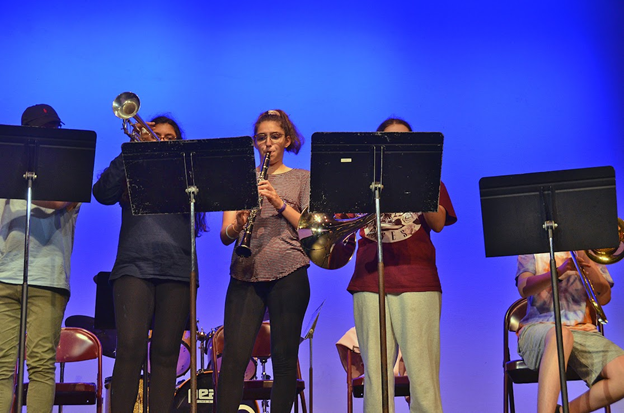
If your teen is ready to grow through collaboration, creativity, and meaningful performance, ensemble music training at Long Lake Camp for the Arts’ teen music camp offers an exceptional experience. As one of New York’s leading music summer camps, we bring together rock music summer camps and a wide range of performing arts camps within one supportive, inspiring community.
Contact us to enroll your teenager in our summer music camp 2026.