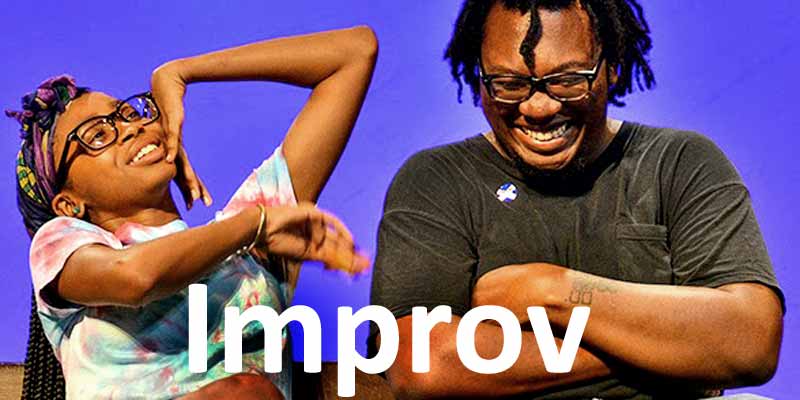
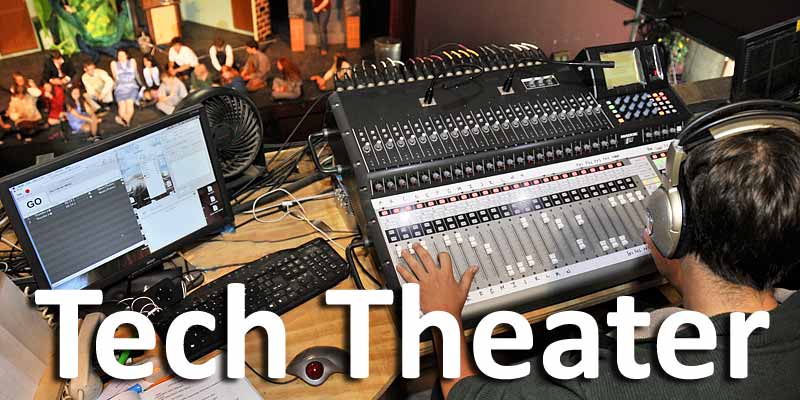
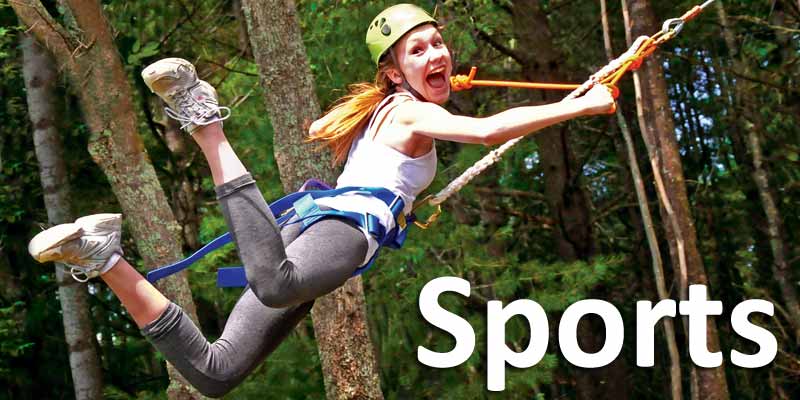
Teen mental health has become one of the most discussed concerns among parents, educators, and healthcare professionals. According to the CDC, nearly 42% of high school students reported persistent feelings of sadness or hopelessness in recent years. Increased screen time, social isolation, academic pressure, and reduced face-to-face interaction have all contributed to rising emotional strain among adolescents.
As families search for healthier environments that encourage confidence and social connection, many are turning toward creative residential programmes. Research in psychology and arts education consistently shows that participation in music, theater, and group performance activities can improve emotional expression, communication skills, and social belonging. This is one reason why camps for mental health discussions increasingly include structured arts programmes and collaborative creative environments.
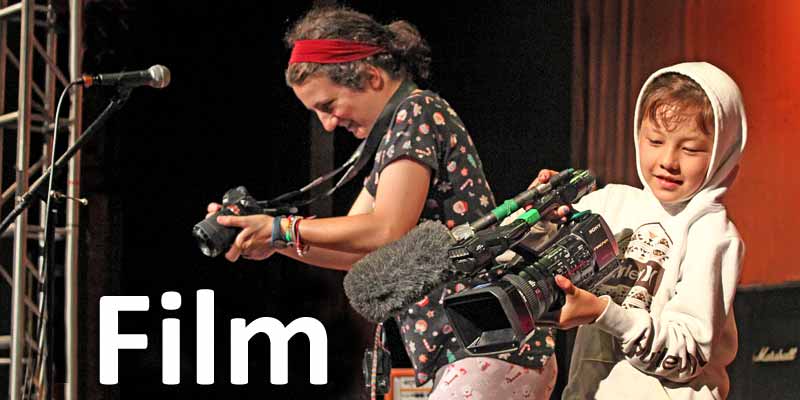
At places like Long Lake Camp for the Arts, teenagers are not simply attending summer activities. They are joining casts, bands, production teams, and artistic communities where collaboration becomes part of daily life.
Why Collaborative Creativity Matters for Teenagers
Teenagers often struggle to express emotions directly, especially in traditional academic or social settings. Creative environments provide an alternative form of communication that feels less intimidating and more natural.
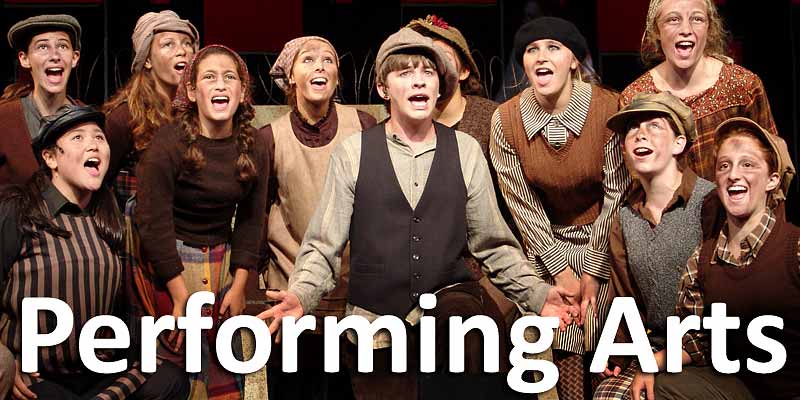
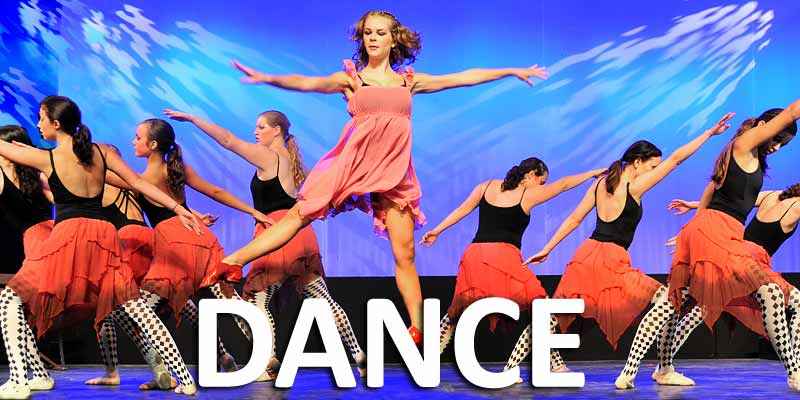
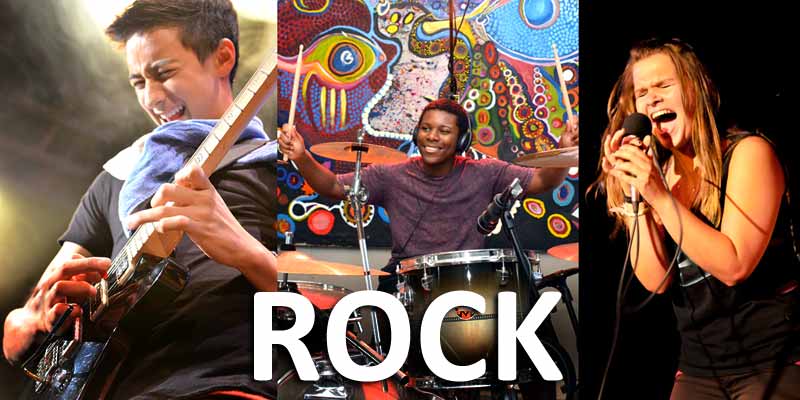
In programmes such as performing arts camps 2026, campers work together toward shared artistic goals. Whether rehearsing a scene, performing in a band, or preparing choreography, participants learn to communicate through collaboration rather than competition.
These group-based experiences support:
- Emotional expression through performance
- Reduced feelings of isolation
- Stronger peer relationships
- Increased confidence in social situations
The process of creating something collectively often builds a stronger sense of belonging than individual activities alone.
The Psychological Benefits of Being Part of a Cast or Band
Creative collaboration requires trust, communication, and shared responsibility. For teenagers experiencing stress or social anxiety, these environments can feel more supportive than traditional structured settings.
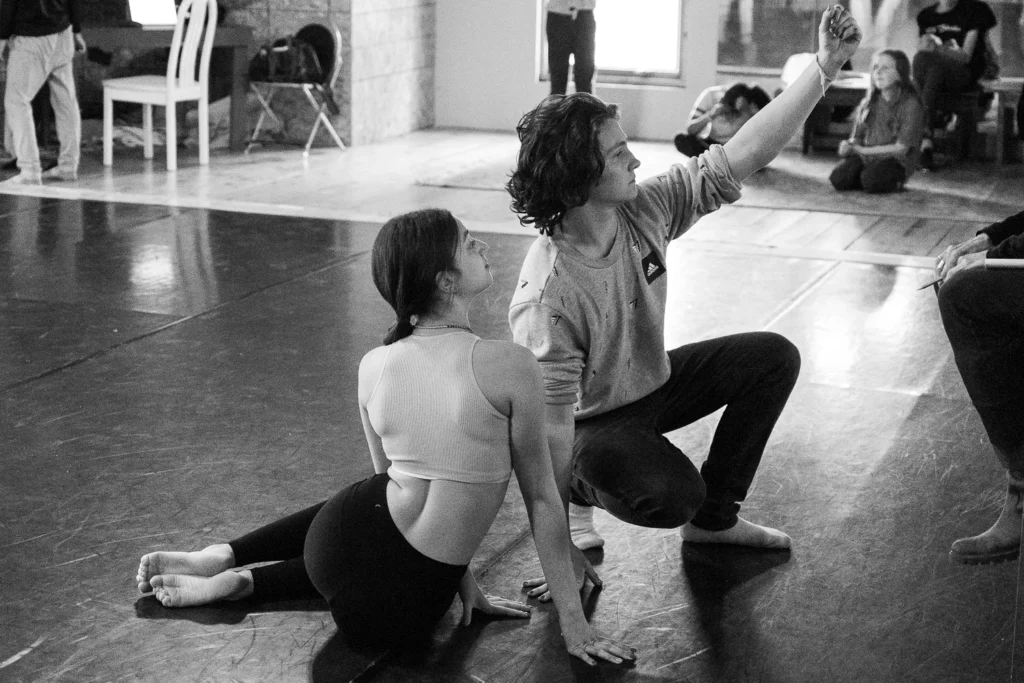
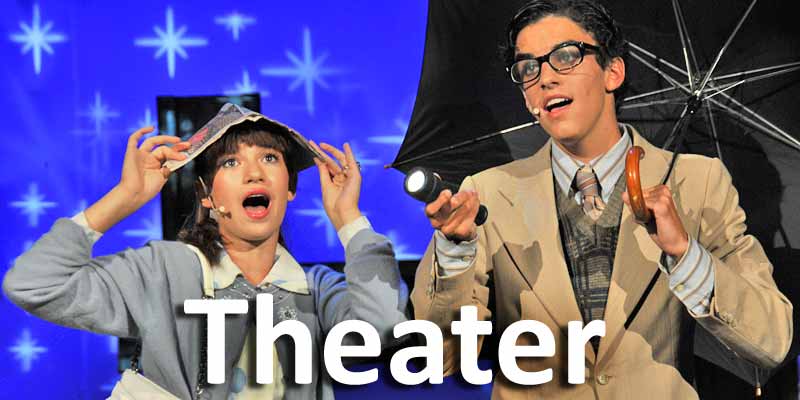
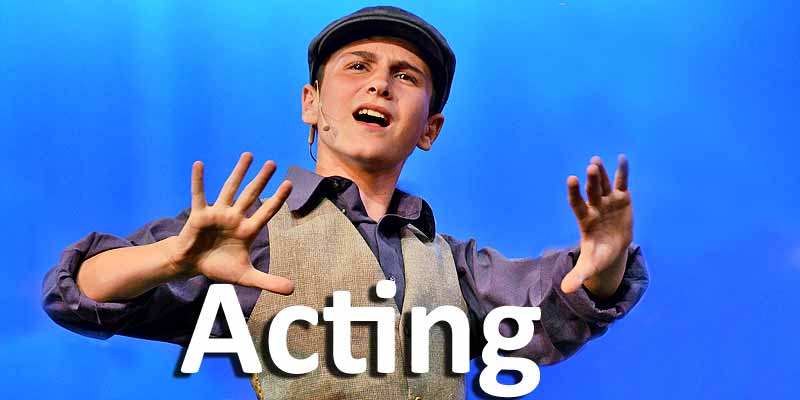
In theatre summer camps and music-based programmes, students rely on one another during rehearsals and performances. A stage production or live performance cannot succeed through individual effort alone.
Mental health professionals often point to several psychological benefits associated with collaborative arts participation:
- Increased dopamine release linked to music and performance
- Reduced stress through creative expression
- Improved emotional regulation
- Greater self-esteem after public performances
- Better social confidence through teamwork
Students attending a musical theatre camp or dance camp frequently report feeling more connected to peers after only a short period of collaboration.
Why Residential Arts Programmes Create Stronger Social Bonds
The residential structure of overnight art camps contributes significantly to emotional development. Campers are not only rehearsing together; they are also living, eating, and socialising within the same community.
This constant interaction creates opportunities for:
- Meaningful friendships
- Shared problem-solving
- Emotional support from peers
- Stronger communication skills
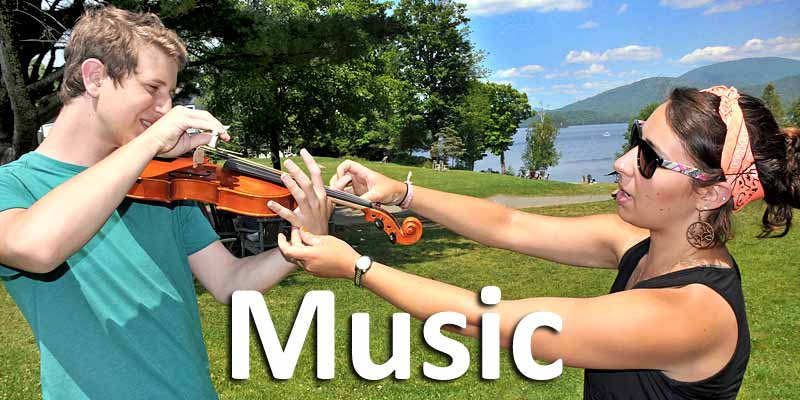
At Long Lake Camp, campers often spend entire days creating together—from rehearsals in the morning to informal jam sessions or conversations at night. These repeated interactions help teenagers feel socially accepted in ways that are difficult to replicate online.
Why Group Creativity Builds Confidence Faster Than Individual Activities
One reason collaborative arts programmes are so impactful is that success becomes collective rather than purely individual. Teenagers are encouraged to support one another rather than compete constantly. Students quickly learn that their effort matters to the group.

This environment encourages:
- Accountability without excessive pressure
- Positive peer encouragement
- Increased willingness to take creative risks
- Confidence through shared achievement
A camper who begins the summer hesitant to perform may leave feeling far more comfortable speaking, singing, or presenting in front of others.
The Importance of Unstructured Social Interaction
Modern teenagers spend a large percentage of their time communicating digitally. While online interaction offers convenience, it does not always provide the same emotional depth as face-to-face collaboration.
Arts-based residential programmes create natural opportunities for in-person connection through:
- Group rehearsals
- Shared performances
- Casual evening conversations
- Creative collaboration during downtime
At many performing arts summer camps, some of the strongest friendships form outside formal instruction. These social interactions contribute significantly to emotional well-being and long-term confidence.
Why Families Are Seeking Creative Wellness Environments
Interest in arts-focused residential programmes continues to grow as parents search for healthier developmental environments for teenagers. Many families researching performing arts summer camp options are now looking beyond skill development alone.
Parents increasingly value programmes that support:
- Emotional resilience
- Healthy social interaction
- Confidence and communication skills
- Reduced dependence on screens
- Positive peer communities

Creative collaboration offers a combination of structure and emotional connection that many teenagers struggle to find elsewhere.
Creativity, Community, and Emotional Growth
Summer programmes cannot replace professional mental health treatment when it is medically necessary. However, environments built around creativity, collaboration, and social connection can strongly support emotional well-being in teenagers.
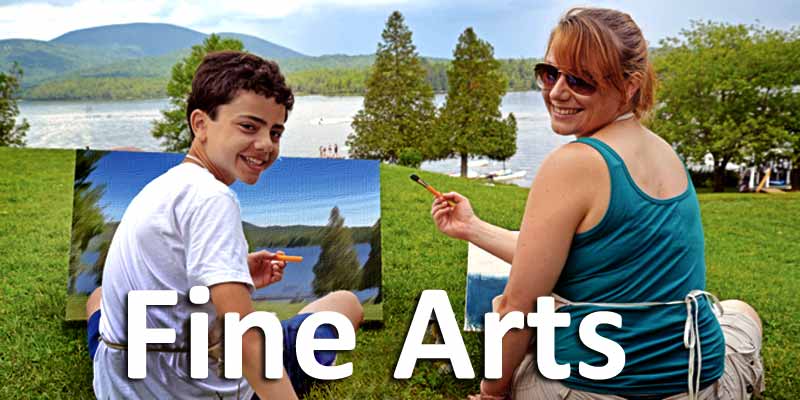
At Long Lake Camp for the Arts, campers become part of a creative community where music, theater, visual arts, and performance encourage confidence, friendship, and emotional expression. If you are looking for a creative environment that supports both artistic growth and emotional development, contact us today to learn more about our programs.
For questions or support with the enrollment process, you can reach our winter office in the NYC metro area:
199 Washington Avenue, Dobbs Ferry, NY 10522