For years, summer enrichment has often meant keeping children academically engaged between school years. But family priorities are broadening in 2026. While academic summer programs in 2026 can provide valuable subject practice, many parents are also looking for experiences that encourage creativity, independence, social connection, physical activity, and personal interests.
Research supports this broader view of summer development. A study of U.S. summer programs found that academic and enrichment offerings were widespread, with 81% of school districts reporting summer programs in previous years. The research also found that programs combining academic instruction with enrichment can produce positive academic outcomes when participation and program quality are strong.
At the same time, research from the American Camp Association has linked camp participation with outcomes such as greater independence, stronger relationships, increased confidence, and improved social skills. These findings help explain why some families are reconsidering whether summer needs to resemble another semester of school.

Summer Does Not Have to Look Like Another School Term
Academic support has an important place during summer. Students who need additional instruction may benefit from focused time on mathematics, reading, writing, or other subjects. However, a long school break can also provide something that the academic calendar does not always allow: room for experimentation.
A teenager may spend the school year meeting academic deadlines and preparing for exams. During summer, that same student might want to act in a production, learn an instrument, create visual art, or participate in a recreational activity.
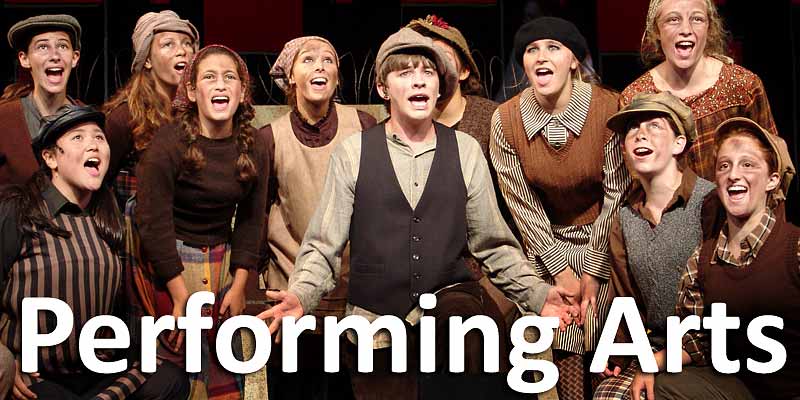
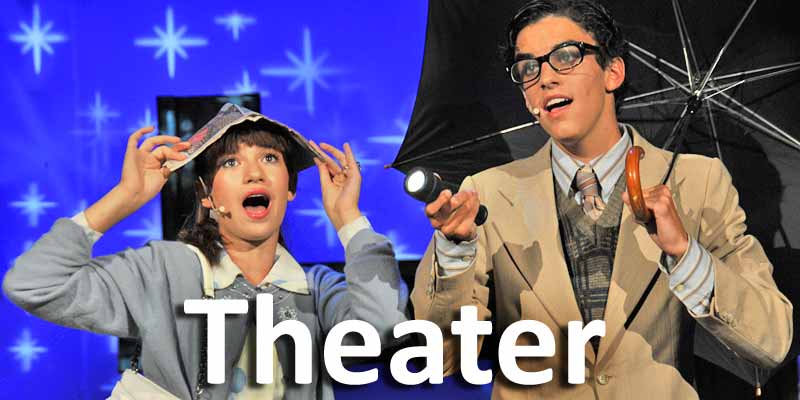
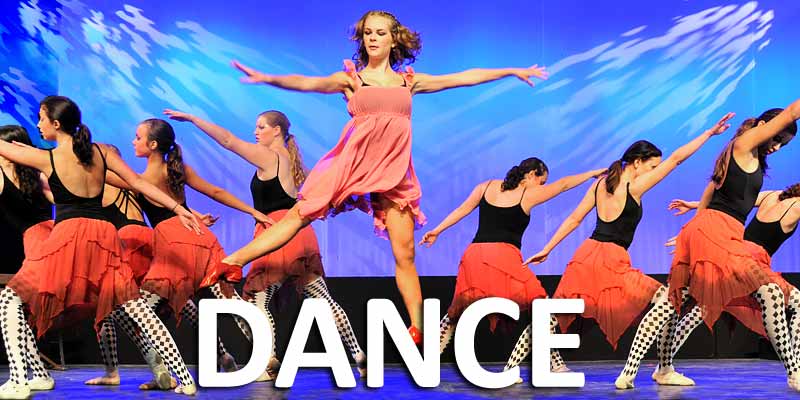
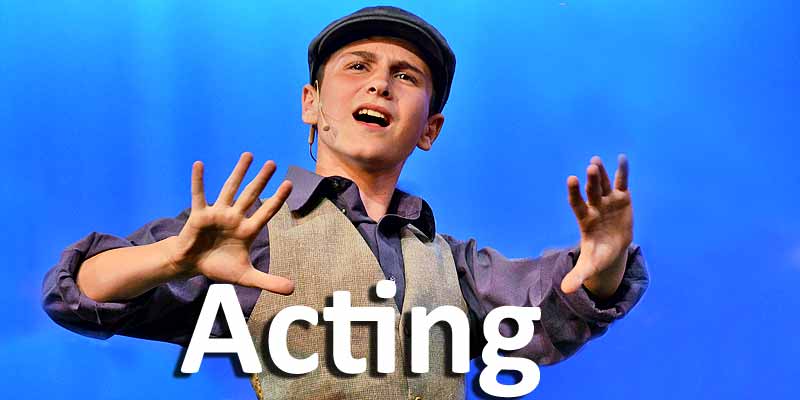
This is where programs such as theatre summer camps, music programs, and creative camps can complement academic learning. Rather than replacing education, they give young people different settings in which to practice communication, collaboration, creativity, and decision-making.
Music Gives Teens a Different Way to Learn
Music is another area where parents are finding alternatives to traditional academic enrichment.
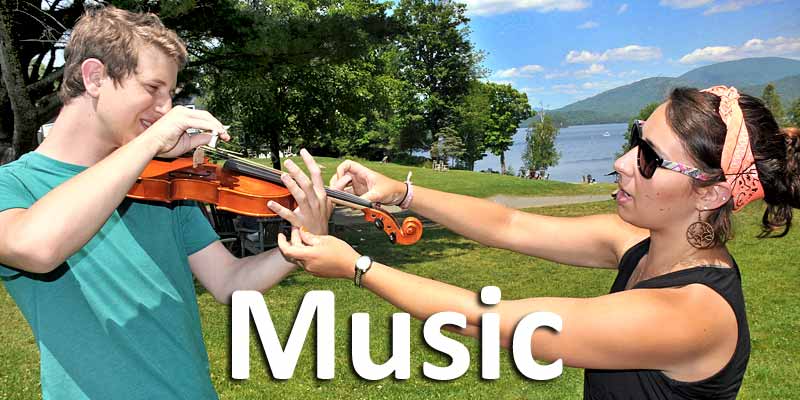
A music camp for teens can give young musicians dedicated time to practice and work alongside peers who share similar interests. Depending on the program, students may work with instruments, songwriting, ensembles, recording, or performance.
The social component matters, too. Learning music with other teenagers requires listening, cooperation, patience, and communication. Those skills are useful well beyond a rehearsal room.
Social Experiences Matter During Adolescence
Summer can also provide teenagers with opportunities to build relationships outside their usual school environment.
Research from the American Camp Association has found that camp experiences can contribute to friendship development, social confidence, independence, and a stronger sense of belonging. For adolescents, meeting peers through a shared interest can be particularly meaningful.
An arts camp, for example, may bring together teenagers from different schools and communities who have an interest in theatre, music, visual art, or other creative activities. Instead of spending the entire summer in an academic setting, teens can form friendships while working toward shared projects and participating in everyday camp life.
Choice Can Change How Teens Experience Summer
Another reason families are looking beyond conventional academic programs is the importance of personal choice. During the school year, students generally follow a fixed curriculum. Summer offers an opportunity to give them more say in how they spend their time.
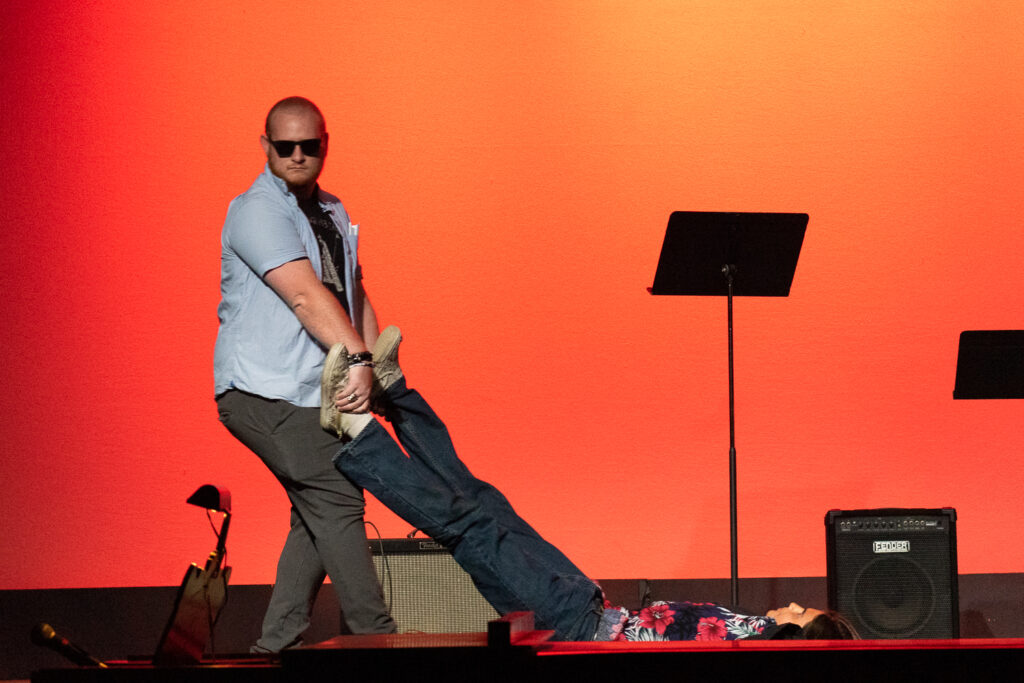
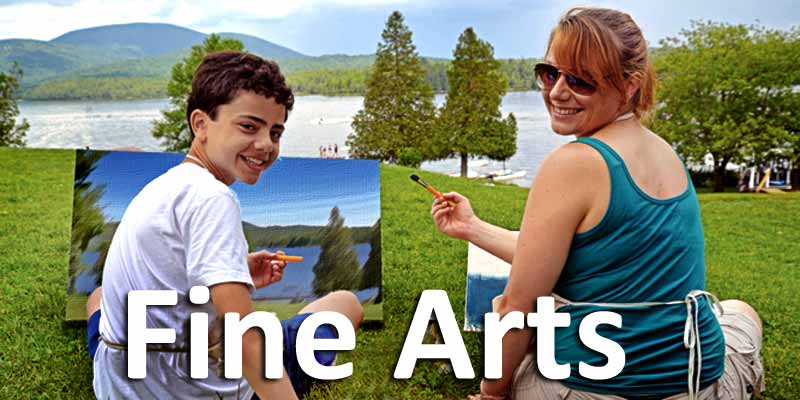
A teenager interested in visual arts might prefer summer art camps. Someone who loves movement may be more interested in summer dance camps. A student interested in performance might choose theatre or music.
This choice does not mean that summer should be unstructured. Well-organized camps can provide schedules, guidance, instruction, and community while still giving young people meaningful opportunities to follow their interests.
Sleepaway Arts Programs Offer More Than an Activity
For families considering an overnight option, sleepaway arts programs can provide benefits that extend beyond the scheduled activity itself.
An art camp for teens in New York may give students time to create while also living alongside peers. Similarly, sleepaway performing arts programs can combine instruction with recreation, shared meals, community activities, and everyday responsibilities.
These experiences can give teenagers opportunities to practice independence in a supervised environment. They also give parents a way to choose a program that combines creativity with the broader social experience of summer camp.
A More Complete Approach to Summer Enrichment
Looking beyond academic programs does not mean abandoning academic growth. Instead, many families are recognizing that teenagers need different types of experiences during a long school break. For parents planning academic summer programs in 2026, the most useful question may be broader than, “What can my teenager study this summer?” It may be, “What kind of experience will help my teenager grow?”
For families interested in that broader approach, Long Lake Camp for the Arts offers teens the opportunity to spend summer developing creative interests while participating in a supportive community. Parents can learn more about the programs and consider whether an arts-centered summer is the right fit for their teenager.
For questions or support with the enrollment process, you can reach our winter office in the NYC metro area: 199 Washington Avenue, Dobbs Ferry, NY 10522