Artificial intelligence is changing how people work, learn, and create. From generating images to writing stories and composing music, AI has become part of many creative fields. While these advances are impressive, they have also raised an important question: Is technology replacing human creativity?
The answer is more encouraging than many people think. Human imagination, emotion, and personal experiences remain qualities that technology cannot genuinely duplicate. This is why AI vs creativity in arts education has become a popular topic among parents, teachers, and artists. Rather than making arts education less valuable, AI has increased the importance of helping young people develop original ideas, creative thinking, and artistic confidence.
Many families searching for summer art camps are looking for programs that help students build these lifelong creative abilities while learning traditional artistic techniques.
Creativity Is More Than Producing Artwork
Artificial intelligence can generate pictures, music, and written content within seconds. However, creating art is much more than producing a finished piece.
Artists bring personal experiences, emotions, imagination, and individual viewpoints into every project. Those qualities cannot simply be copied by software.
Arts education teaches students how to:
- Think independently.
- Express emotions through creative work.
- Solve artistic challenges.
- Build confidence in their own ideas.
- Learn from mistakes and improve over time.
These skills continue to matter regardless of how advanced technology becomes.
Why Arts Education Matters Even More Today
Technology has made creative tools easier to access, but it has also increased the value of original thinking.
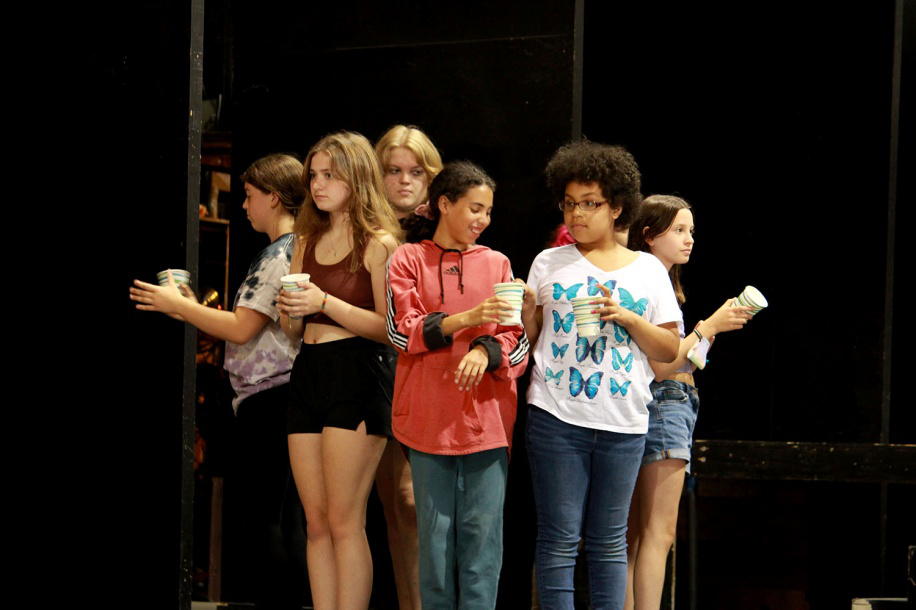
Students who study visual arts, theater, music, or movement learn to ask questions, experiment with ideas, and develop personal styles rather than relying on computer-generated results.
This is one reason many parents choose art sleepaway summer camps that encourage hands-on learning in studio settings. Instead of simply producing digital images, students learn how to create meaningful artwork with purpose and originality.
Building Skills That Last a Lifetime
Arts education develops abilities that extend well beyond painting or drawing.
Students regularly practice:
- Creative problem-solving.
- Communication.
- Observation.
- Collaboration.
- Patience.
- Critical thinking.
- Adaptability.
These qualities remain valuable in nearly every profession, whether someone becomes an artist, entrepreneur, engineer, teacher, or healthcare professional.
Programs such as Long Lake Camp encourage students to strengthen these abilities through daily creative practice while introducing them to multiple artistic disciplines.
Traditional Art Still Forms the Foundation
Although digital tools continue to grow in popularity, traditional studio instruction remains at the heart of quality arts education.
Students often begin with:
- Pencil drawing.
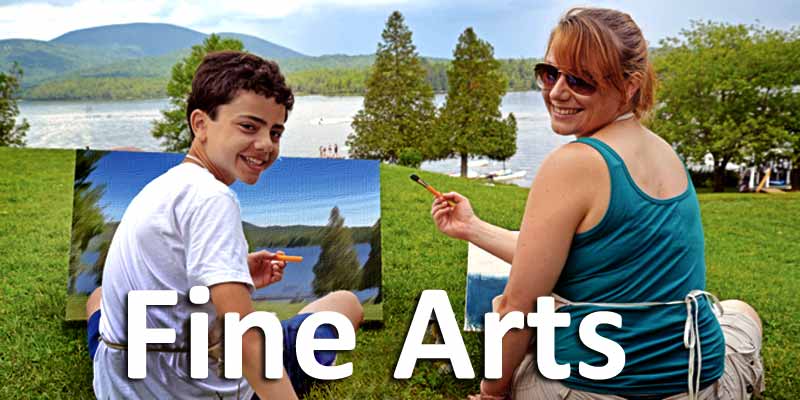
- Acrylic painting.
- Watercolors.
- Sculpture.
- Ceramics.
- Printmaking.
These activities teach observation, composition, shading, texture, and artistic technique before introducing digital applications.
Many families search for art camp for teens programs that combine both traditional and modern creative experiences.
Creativity Grows Through Experience
Original ideas come from observation, practice, curiosity, and experimentation.
Students become stronger artists when they:
- Visit galleries.
- Work with professional instructors.
- Receive constructive feedback.
- Try unfamiliar materials.
- Complete independent projects.
- Learn from classmates.
Artificial intelligence cannot replace these personal learning experiences because creativity develops through participation rather than automation.
Preparing Students for Creative Careers
The future workplace will continue to change as technology becomes more common across different industries. Even so, employers continue to value people who can think creatively, communicate ideas, and produce original work.
Students who participate in arts programs in New York often gain experience in multiple creative fields, including:
- Visual arts
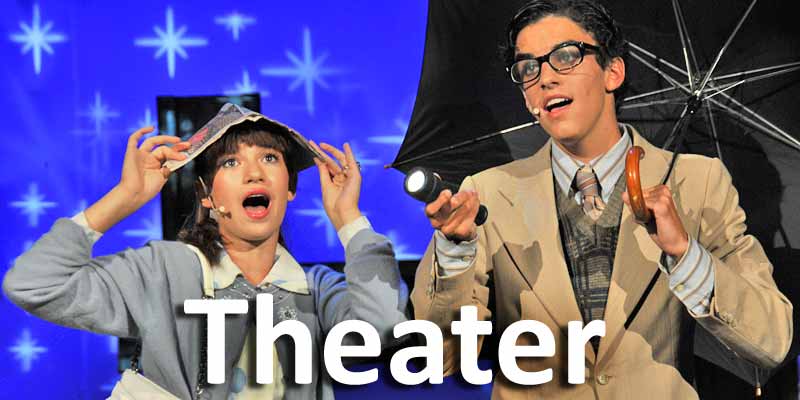
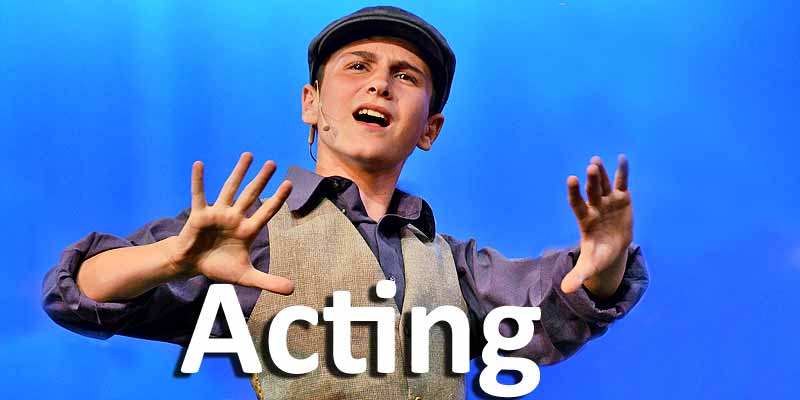
- Theatre
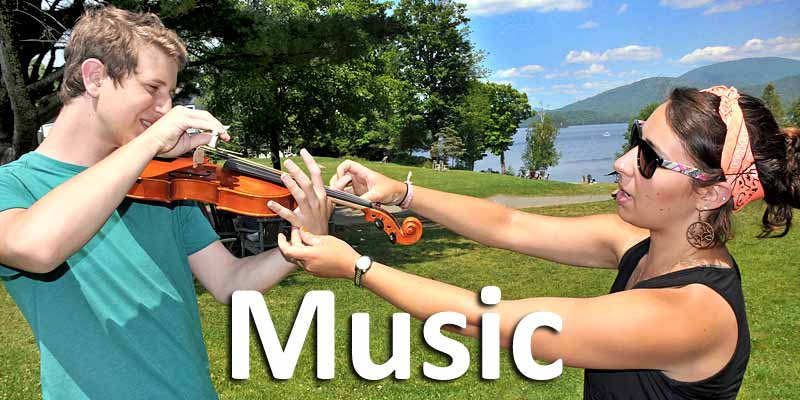
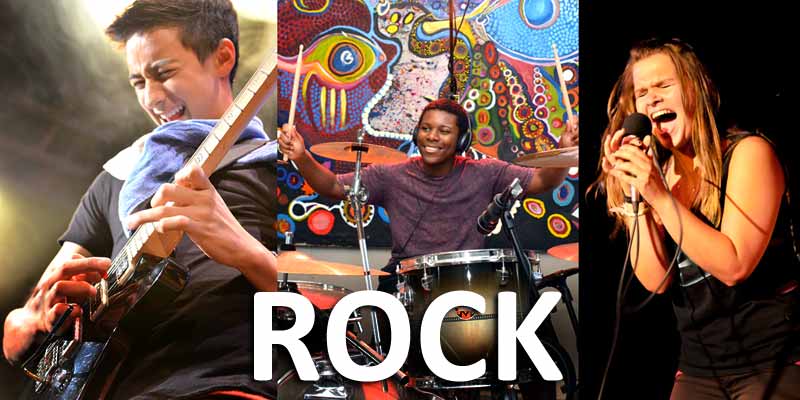
- Music
- Digital design
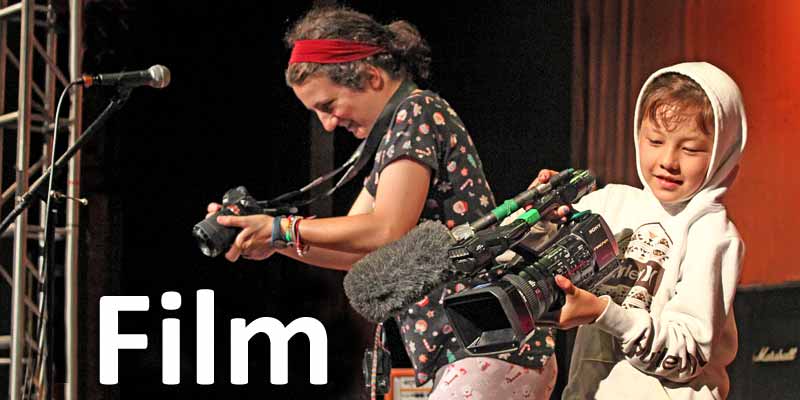
- Photography
- Collaborative projects
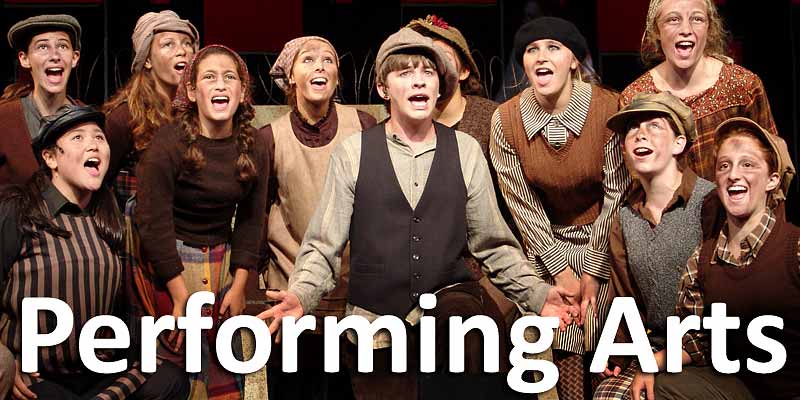
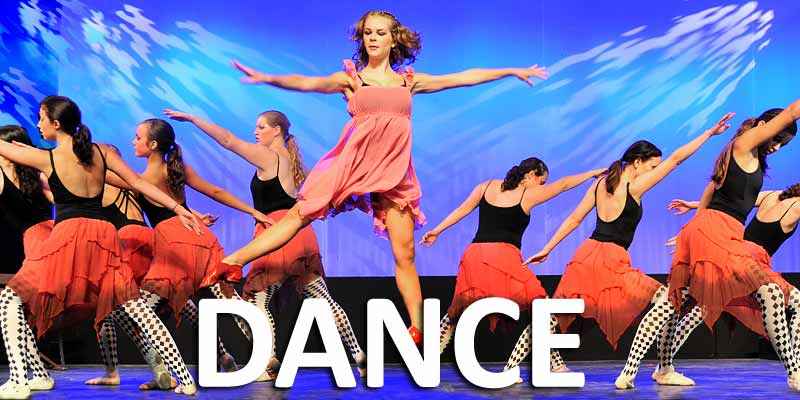
Many summer programs combine these experiences under one roof. Students interested in performing arts camp can strengthen their artistic abilities while learning how different art forms connect.
AI Can Inspire Ideas, but Human Stories Matter Most
Artificial intelligence can generate countless images and creative concepts, but it does not have personal memories, emotions, or lived experiences. When a student paints a meaningful memory, writes an original song, or performs on stage, the finished work reflects something uniquely human. Those personal stories give art lasting value.
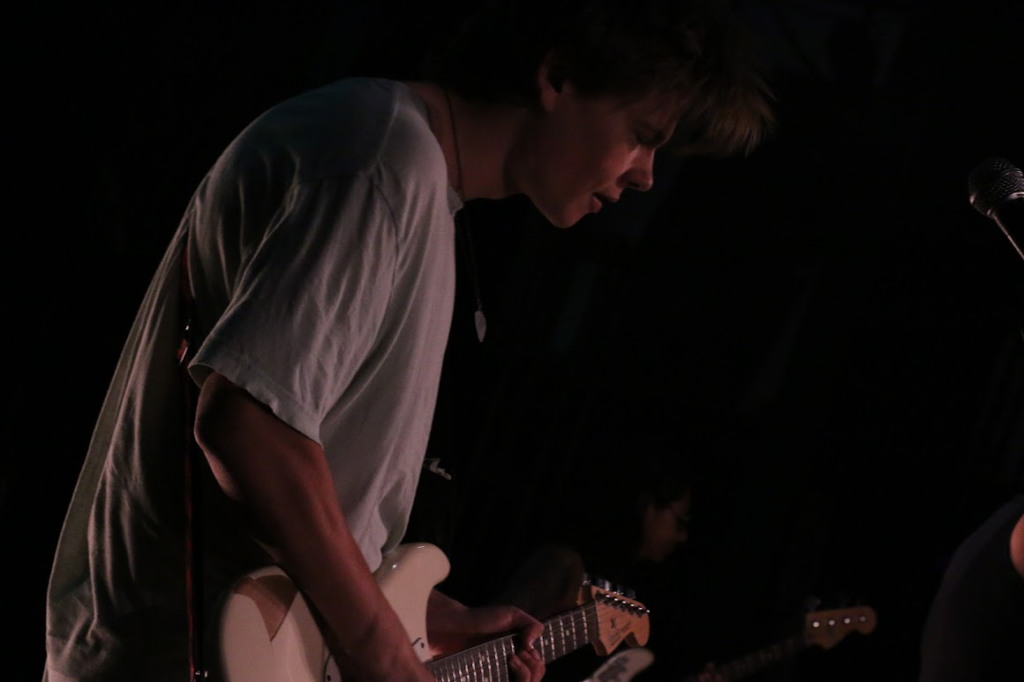
This is why discussions around AI vs creativity in arts education continue to grow. Technology may change how art is created, but it cannot replace the imagination and individuality that students bring to every project.
Programs offering summer arts camp encourage students to develop these qualities through consistent practice and creative expression.
Creativity Will Always Have a Place
Artificial intelligence is changing creative industries, but it has not reduced the importance of arts education. Instead, it has highlighted the value of imagination, original thinking, collaboration, and personal expression.
The discussion around AI vs creativity in arts education is not about choosing technology over traditional art. It is about helping students understand how creative skills and modern tools can work together while keeping human ideas at the center of every artistic project.
If you are looking for a summer program that encourages creativity through visual arts, theater, music, and more, Long Lake Camp for the Arts offers an inspiring environment where young artists can build confidence, develop new skills, and express their unique ideas. It is an excellent choice for families seeking a memorable and creative summer experience.
Contact us now! For questions, reach out to our winter office conveniently located in the NYC metro area at:
199 Washington Avenue, Dobbs Ferry, NY 10522.