Today’s young creators are growing up in a world where sketchbooks and tablets sit side by side. They enjoy painting with acrylics, designing digital illustrations, creating short videos, and sharing their work online. This shift has encouraged many fine arts camps to rethink traditional teaching methods. Instead of choosing between classic techniques and modern technology, camps now combine both to create meaningful learning experiences.
The rise of digital media for Gen Z artists has transformed how students express ideas, communicate stories, and develop creative confidence.
Modern camps understand that artistic growth comes from learning multiple forms of expression while keeping traditional art at the center.
Why Gen Z Connects With Digital Creativity
Generation Z has grown up using technology as part of everyday life. Drawing on tablets, editing videos, creating animations, and designing social media graphics feel natural to many young artists.
Instead of replacing traditional art, digital tools give students more ways to express their ideas.
Many campers enjoy opportunities to:
- Turn hand-drawn sketches into digital illustrations.
- Create animated versions of original artwork.
- Build digital portfolios.
- Learn photography and photo editing.
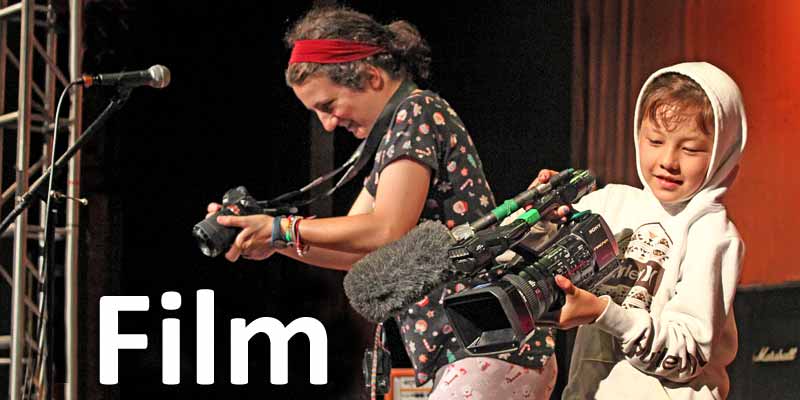
- Produce short creative videos.
- Experiment with graphic design.
This combination helps students understand that strong artistic skills begin with observation, creativity, and practice before moving into digital formats.
Blending Traditional Fine Arts With Technology
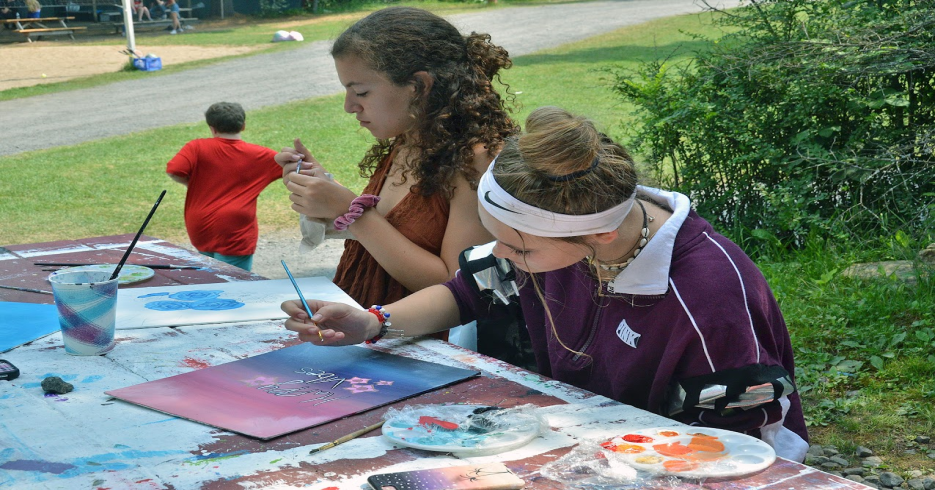
Modern art instruction still begins with classic techniques. Students spend time learning drawing fundamentals, color theory, composition, painting, sculpture, and mixed media before introducing digital applications.
For example, campers may:
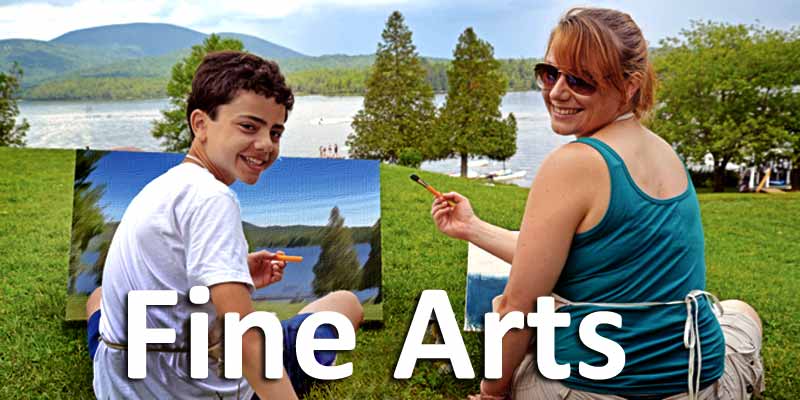
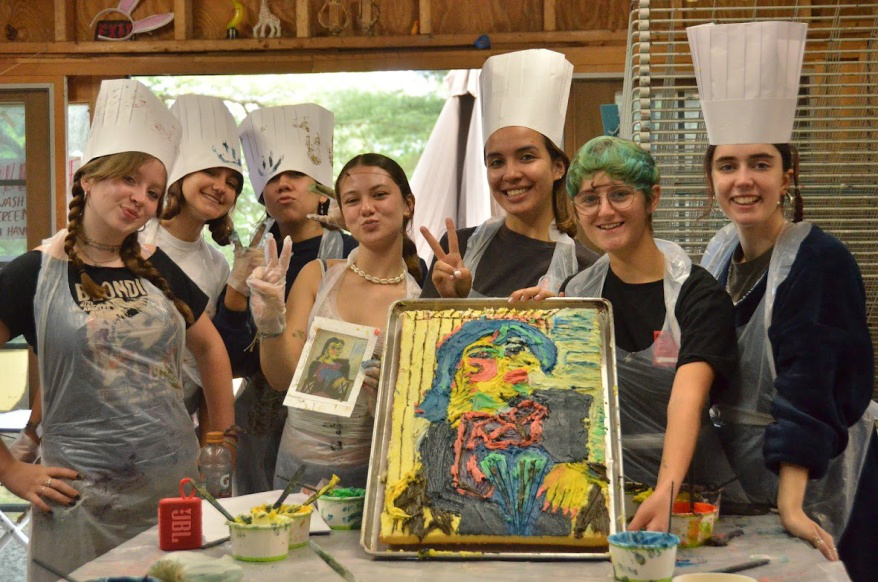
- Paint a watercolor landscape and later recreate it digitally.
- Sketch portraits before adding digital coloring.
- Design printmaking projects that become digital posters.
- Create sculptures that are photographed for online portfolios.
The focus remains on artistic development rather than screen time alone.
This balanced approach makes digital media for Gen Z artists both educational and creative.
Building Creative Portfolios From Day One
Many students hope to continue their artistic interests in high school, college, or creative careers. Camps now encourage portfolio development throughout each session.
Campers often create:
- Digital galleries
- Photography collections
- Painting portfolios
- Animation samples
- Mixed-media projects
- Graphic design pieces
Having work organized in both physical and digital formats gives students something they can continue building long after camp ends.
Learning Creative Storytelling Across Multiple Formats
Art is more than producing beautiful images. It is also about telling stories.
Modern camps encourage students to communicate ideas using several creative methods, including:
- Painting
- Illustration
- Digital design
- Photography
- Video production
- Motion graphics
- Ceramics
This variety gives students confidence when trying new artistic styles while strengthening their personal creative voice.
Working Together in Collaborative Studios
Today’s camps place a strong focus on teamwork.
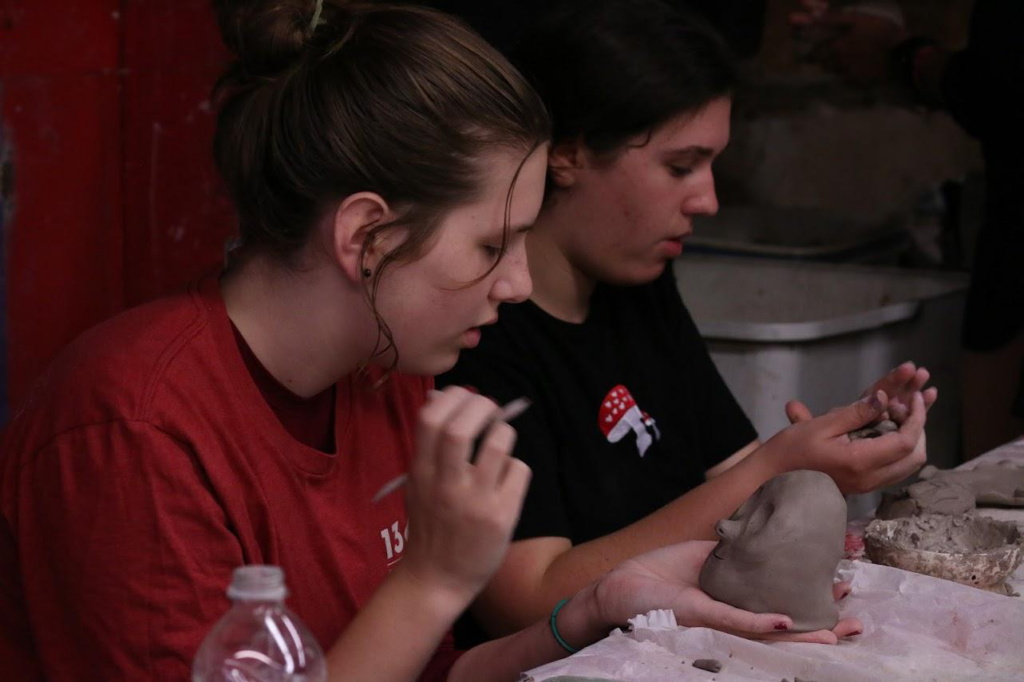
Students often work together on larger creative projects such as:
- Digital murals
- Short films
- Photography exhibitions
- Collaborative paintings
- Multimedia presentations
These group activities teach communication, planning, and creative problem-solving while giving campers opportunities to learn from one another.
Technology Supports Rather Than Replaces Fine Arts
One common misunderstanding is that digital tools replace traditional artistic skills. In reality, successful programs use technology as another creative medium.
Campers still spend significant time working with:
- Pencil drawing
- Acrylic painting
- Watercolors
- Ceramics
- Sculpture
- Printmaking
Once these foundations are established, digital software allows students to expand their ideas into new formats.
This balanced structure keeps artistic learning meaningful while introducing modern creative methods.
More Than Visual Arts
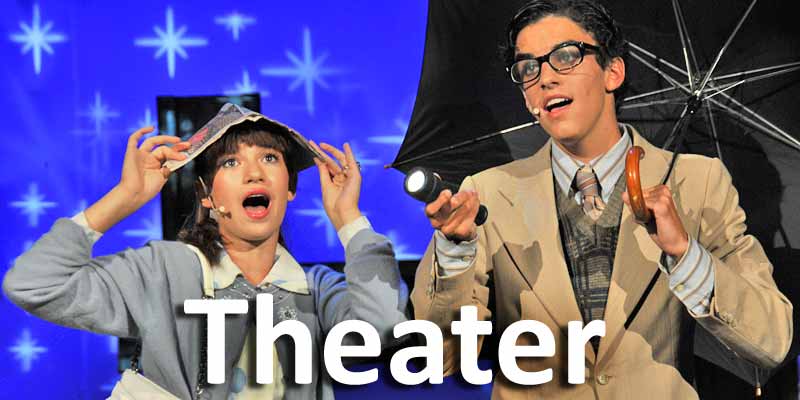
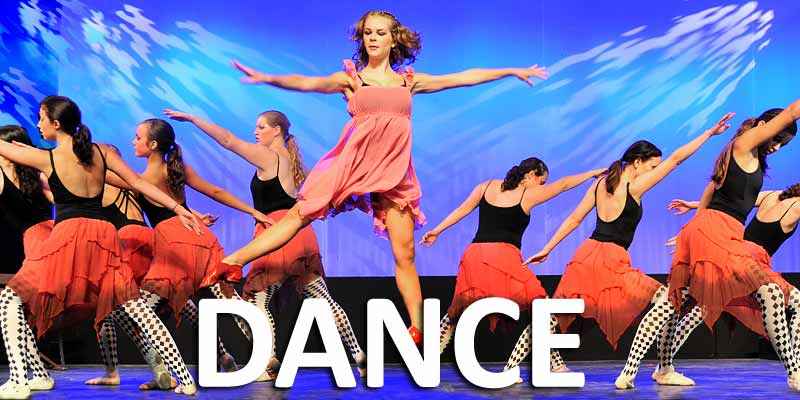
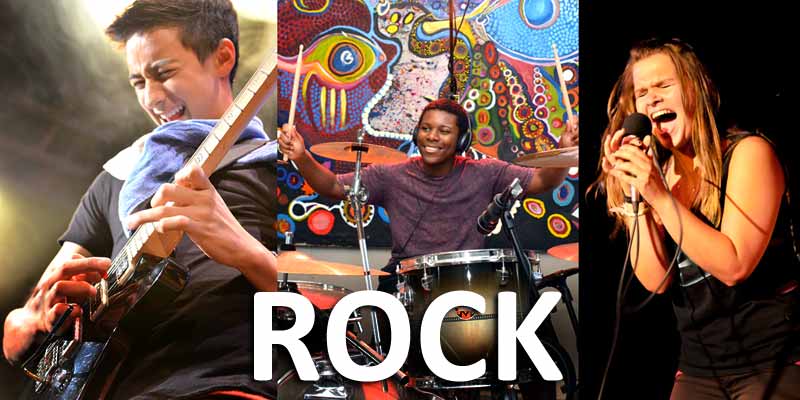
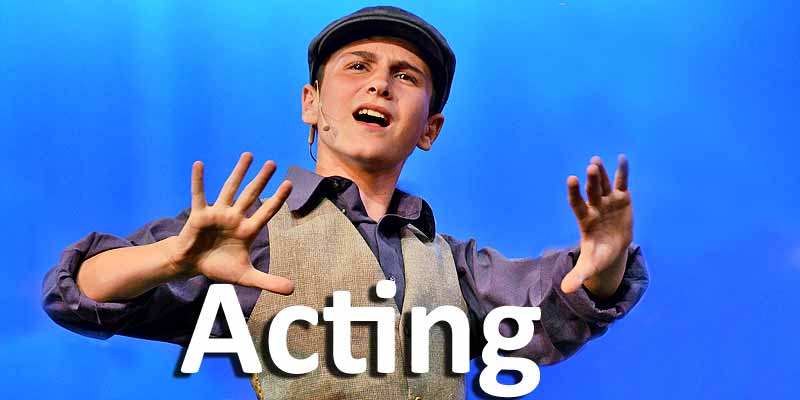
Many camps now combine visual arts with music, dance, and theater, creating a broader creative environment.
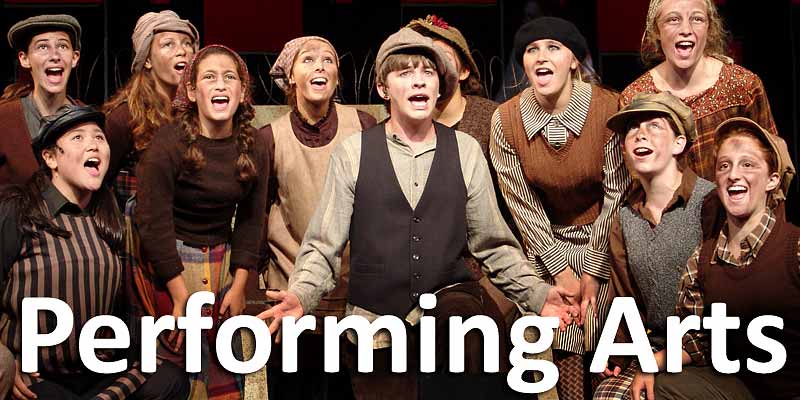
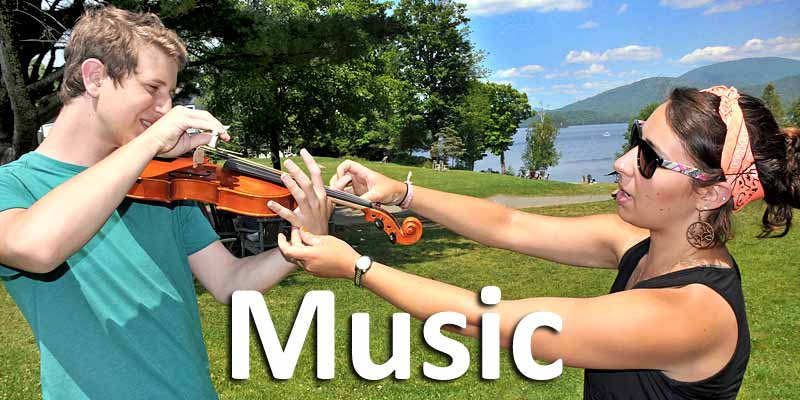
Students interested in performing arts summer camps often enjoy programs that include visual design alongside stage performances. Likewise, students interested in summer dance camp may also participate in costume design, stage art, or digital production. Music students attending music camp can learn album artwork, promotional design, and creative media production as part of their experience.
This variety allows students to discover new interests while strengthening existing artistic skills.
Choosing the Right Camp
Families looking for an art-focused summer experience should consider several factors before making a decision.
Look for camps that offer:
- Professional art instructors
- Traditional studio classes
- Digital art opportunities
- Small class sizes
- Portfolio-building projects
- Collaborative learning
- Safe residential facilities
- Opportunities to display completed artwork
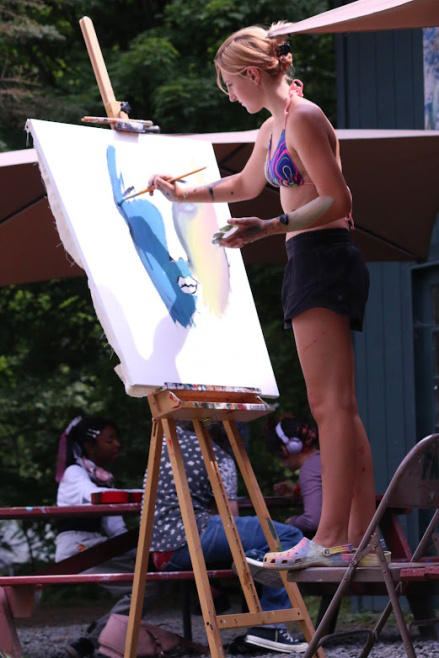
Programs such as Long Lake Camp for the Arts provide opportunities for students interested in visual arts while also offering experiences connected with theatre, dance, and music in one creative community. Families should look for programs that encourage both artistic skill and creative confidence.
Prepare Young Artists for the Future
The future of art combines traditional craftsmanship with modern technology. New York Fine arts camps are responding by giving students opportunities to paint, draw, sculpt, design, photograph, and create digital content within one supportive environment.
By introducing digital media for Gen Z artists alongside traditional studio instruction, camps help students build artistic confidence while preparing them for creative opportunities in school and beyond.
If your child is looking for an inspiring summer experience that combines visual arts with music, theater, and dance, Long Lake Camp for the Arts offers a welcoming environment where creativity continues to grow every day. It is an excellent choice for families seeking a well-rounded artistic summer program.
Contact us now. For questions, reach out to our winter office conveniently located in the NYC metro area at:
199 Washington Avenue, Dobbs Ferry, NY 10522.