Children today can send a message in seconds, react with an emoji, and keep up with friends through social media. Many kids are more comfortable typing than speaking, more practiced at scrolling than listening, and more nervous when they have to express themselves.
That is why parents are paying closer attention to communication skills for kids. Learn why theater camp can be one of the most effective places to practice those skills.
Why Theater Builds Real-World Communication
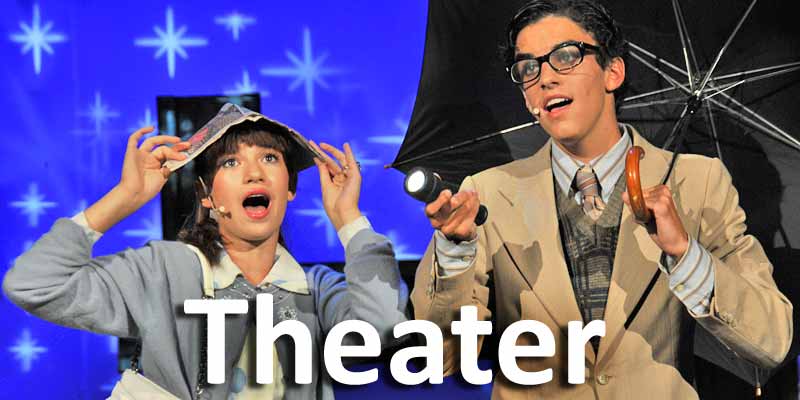
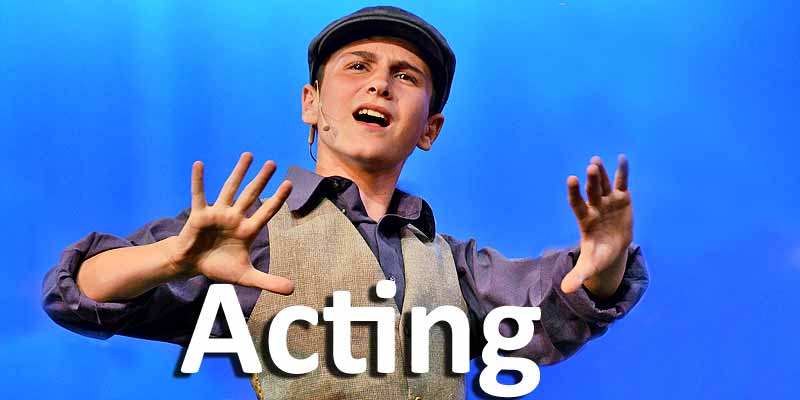
Theater is built on human connection. Every scene requires listening, timing, eye contact, body language, expression, and teamwork. A young actor cannot simply memorize lines and rush through them. They must understand another character, respond to cues, and stay present with the people around them.
These are the same skills kids need in life. Whether they are talking to a teacher, meeting new classmates, interviewing for a job, or resolving a disagreement, they benefit from knowing how to speak and listen thoughtfully.
For families researching art summer camps 2026, theater can offer far more than entertainment. It can help children become more comfortable, capable communicators.
Listening Becomes an Active Skill
One of the biggest lessons in theater is that listening is not passive. In rehearsal, campers must pay attention to lines, movement, tone, and emotional shifts. If one actor misses a cue, the entire scene can change. This teaches children that communication is a two-way process.
Many kids are used to conversations that happen through short messages or quick reactions. Theater slows things down. It teaches them to notice facial expressions, hear changes in voice, and respond with intention.
That kind of practice strengthens communication skills for kids because children learn to focus on the person in front of them.
Confidence Grows One Line at a Time
Public speaking can feel scary for children, especially if they are shy or worried about making mistakes. Theater camp gives them a supportive way to build confidence gradually. They may start with a group activity, read one line, join an improv game, or help present a scene.
Over time, speaking in front of others becomes less intimidating. Campers learn how to project their voices, breathe through nerves, stand with better posture, and trust their ideas. They also learn that mistakes are part of the process, not something to fear.
Parents comparing theater camps in New York often look for programs that help children feel safe while stretching their comfort zones.

Improv Teaches Quick Thinking
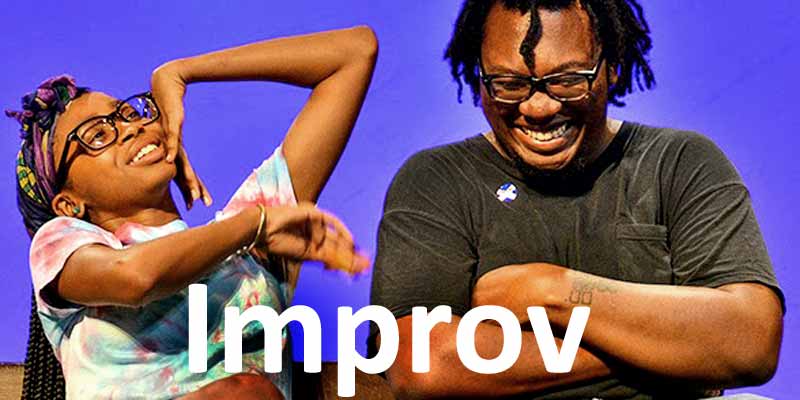
Improv is especially helpful in a digital world because it requires kids to think, listen, and respond in real time. There is no delete button, no perfect caption, and no long pause to rewrite the answer. Campers learn to accept ideas, build on them, and stay flexible.
Children become more comfortable with uncertainty. They learn to trust themselves even when they do not know what will happen next.
That is why many theatre summer camps include improv as part of their programs. It is fun, but it is also powerful communication training.
Body Language Starts to Make Sense
Digital communication often removes tone, facial expression, and posture. Theater brings those cues back into focus. Campers explore how a character walks, stands, gestures, and reacts. They begin to see how body language can change the meaning of a message.
This awareness helps children outside the theater too. They may become better at noticing when a friend feels left out, when a teacher is asking for attention, or when their own posture makes them seem unsure.
For parents searching for theater camps in summer, this is a major benefit. Theater helps children understand communication beyond words.
Teamwork Makes Speaking Easier
A theater production only works when everyone contributes. Actors, directors, musicians, dancers, designers, and backstage helpers all depend on one another. Campers learn to ask questions, accept feedback, solve problems, and support the group.
This kind of teamwork teaches children that communication is not about being the loudest voice. It is about being clear, respectful, and responsible. Kids learn when to speak, when to listen, and how to encourage others.
These lessons are especially valuable at theatre camps in NY, where campers can meet creative peers from different places and backgrounds.
Camp Friendships Strengthen Social Skills
Theater camp gives children time to connect away from constant screens. They rehearse together, eat together, laugh together, and celebrate performances together. Friendships grow through shared effort, not just online comments.
This matters because many children need more opportunities to practice real conversation. Camp offers natural moments for introducing themselves, joining a group, asking for help, and cheering on friends.
These everyday experiences reinforce communication skills for kids in a way that feels joyful instead of forced.
What Parents Should Look For
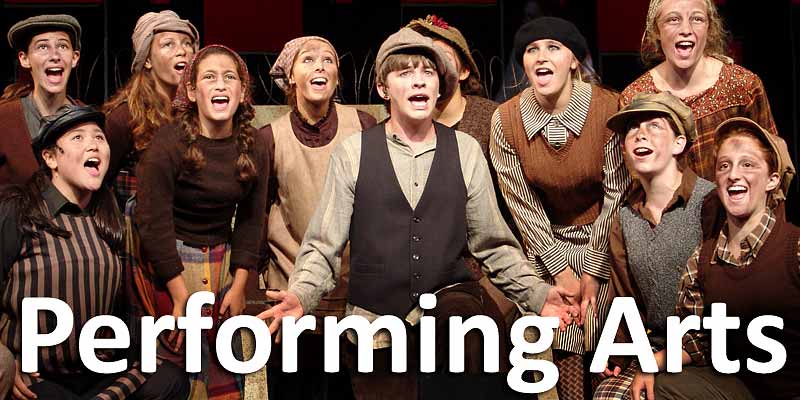
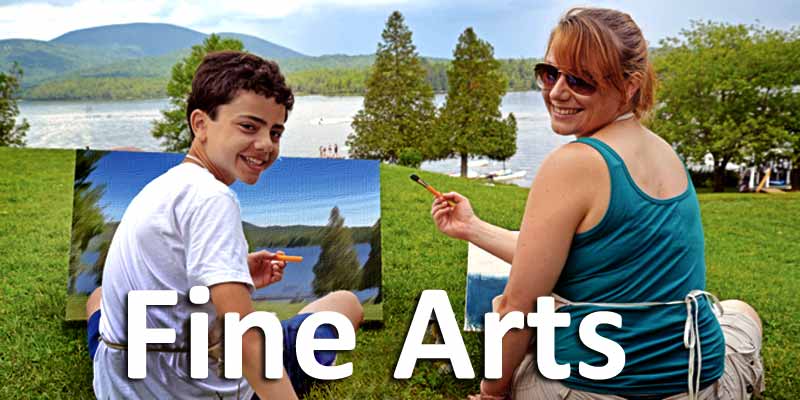
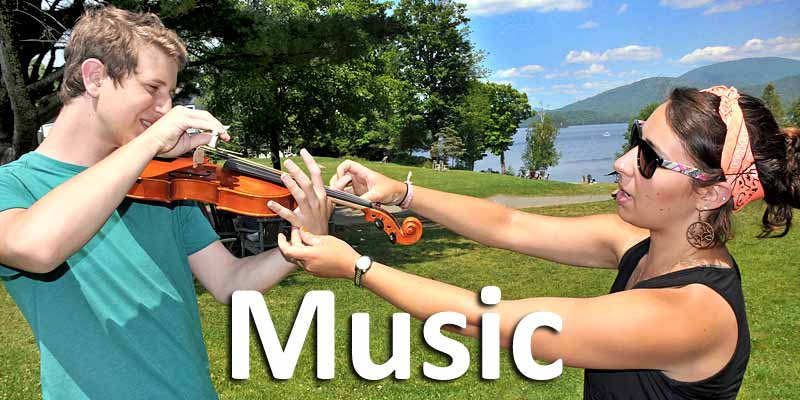
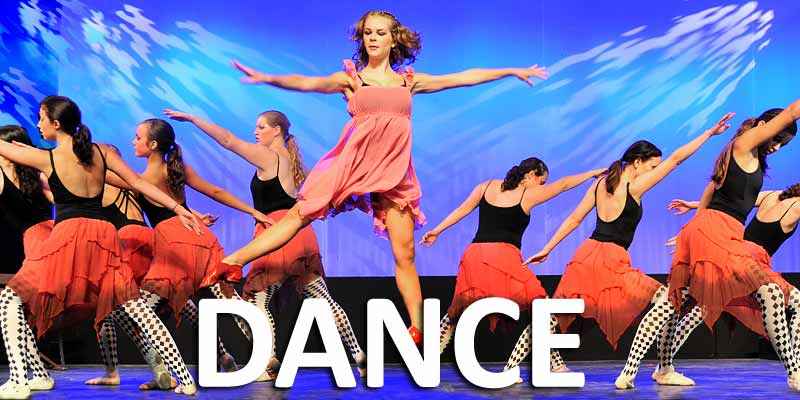
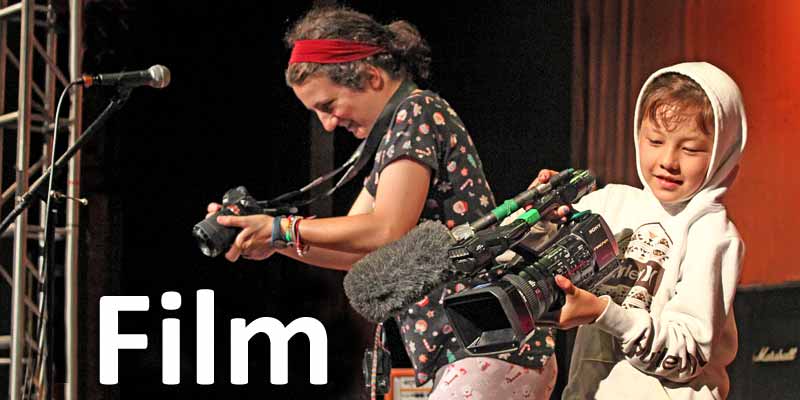
A strong theater camp should offer excellent instruction, emotional safety, creative freedom, and a noncompetitive atmosphere. Children should feel encouraged to try new things without being judged. They should also have room to explore related activities such as music, dance, fine arts, film, and technical theater.
They help children grow as listeners, speakers, collaborators, and confident individuals.

In a world shaped by texting and social media, face-to-face communication is becoming more important, not less. Theater camp gives kids a meaningful way to practice being present, expressive, and connected.
Help Your Child Find Their Voice
If you are comparing theater camps in New York, Long Lake Camp for the Arts offers an inspiring place for children to grow as performers and communicators. Campers explore acting, improv, fine arts, music, dance, circus, and more while building friendships in a supportive sleepaway setting.
Whether your child dreams of a musical theater camp, enjoys rock music camps, or wants energetic dance summer camps, Long Lake helps them speak up, listen better, and feel confident being themselves.
Contact us today to learn how this creative camp can help your child find their voice this summer with joy.