Parents comparing summer programs often focus on logistics first: distance, schedule, or cost. Yet educational research suggests that the structure of the experience itself may significantly influence learning outcomes. In creative environments, especially, immersion matters. Studies in experiential education and adolescent development consistently show that sustained engagement improves skill retention, confidence, and social connection. Residential camp settings are associated with stronger gains in independence, peer relationship building, and communication compared to shorter-duration programs.
This distinction becomes particularly visible when comparing sleepaway vs day camp experiences in the performing arts in New York. Programs where students live, rehearse, and create together often produce faster artistic growth and stronger social bonds than programs limited to daytime participation.
At places like Long Lake Camp for the Arts, creativity becomes part of everyday life rather than a scheduled activity between pickup and drop-off.
The Difference Between Participation and Immersion
Day camps and sleepaway camps may teach similar disciplines—music, theater, dance, or visual arts—but the environment surrounding the learning process differs significantly.
In day programs, students leave at the end of each session and re-enter their normal routines. Attention shifts back to phones, errands, transportation, and outside distractions.
In residential settings such as overnight art camps, the creative process continues beyond formal instruction.
Participants:
- Rehearse together after classes
- Discuss performances during meals
- Build friendships through shared routines
- Continue informal collaboration throughout the day
This continuity creates immersion, which learning psychologists often associate with stronger cognitive engagement and memory formation.
Why Repetition Matters in Skill Development
One of the strongest advantages of sleepaway programs is uninterrupted repetition.
Research in motor learning and arts education shows that repeated practice in concentrated periods supports faster improvement. This applies directly to:
- Theater rehearsal
- Instrument training
- Vocal performance
- Choreography
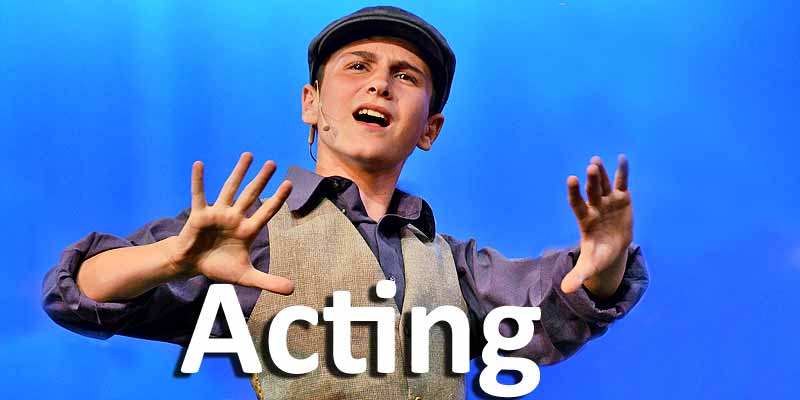
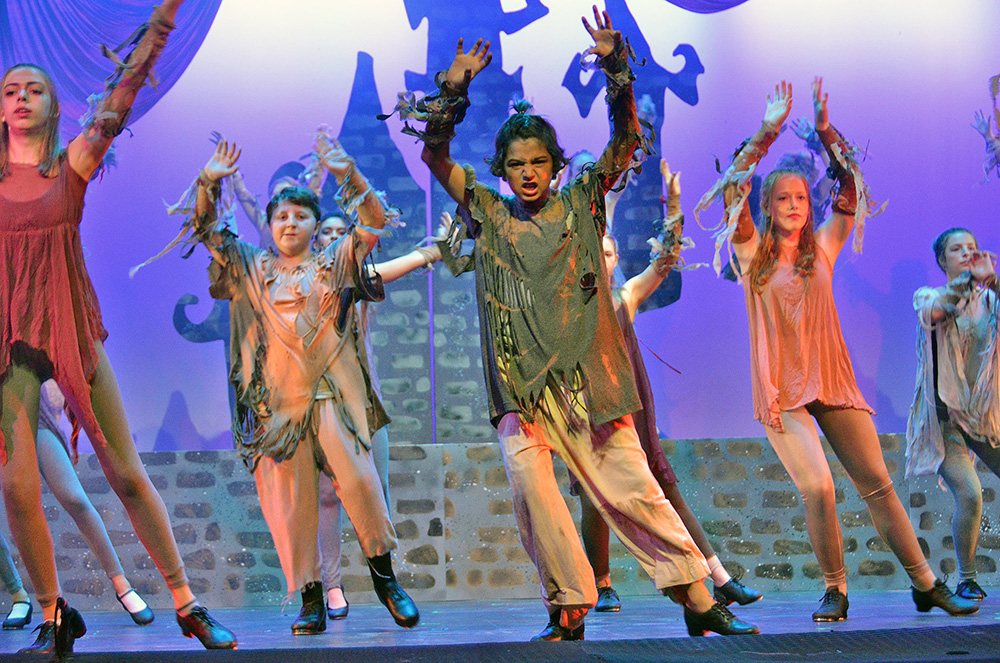
In programs like musical theatre camp, participants practice skills consistently over multiple hours and days without the interruption of commuting or fragmented schedules.
That consistency supports:
- Faster technical growth
- Greater physical familiarity with performance skills
- Stronger confidence through repetition
Compared to shorter daily exposure, immersive environments create stronger momentum.
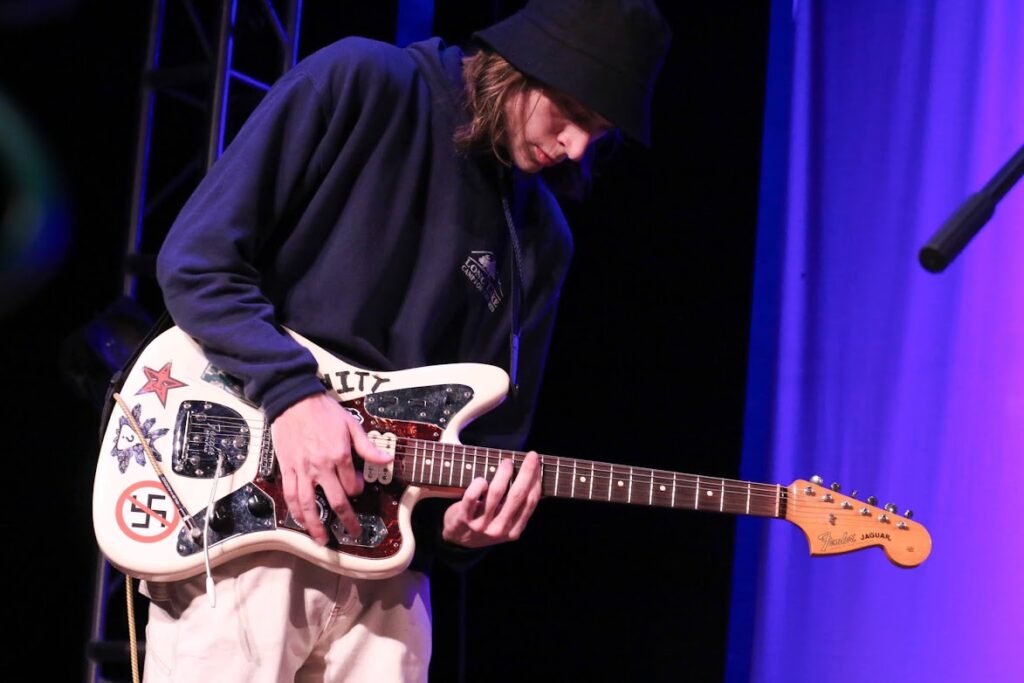
Social Bonding Happens Faster in Residential Settings
Another major difference in the sleepaway vs day camp discussion is social development.
Research from the American Camp Association has shown that residential camps often strengthen interpersonal confidence and peer connection because participants share extended periods of collaborative living.
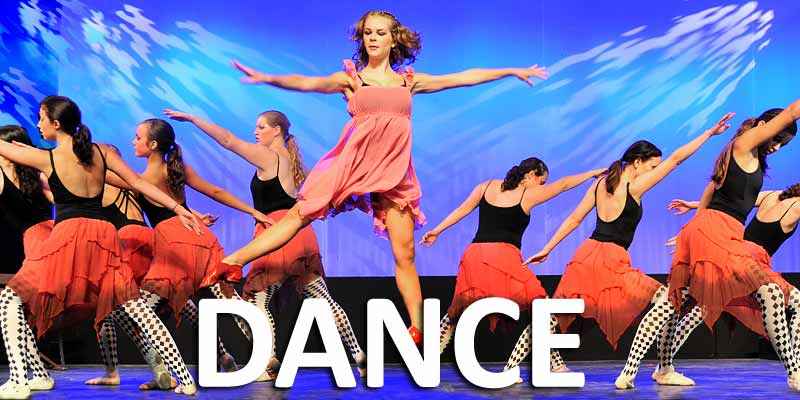
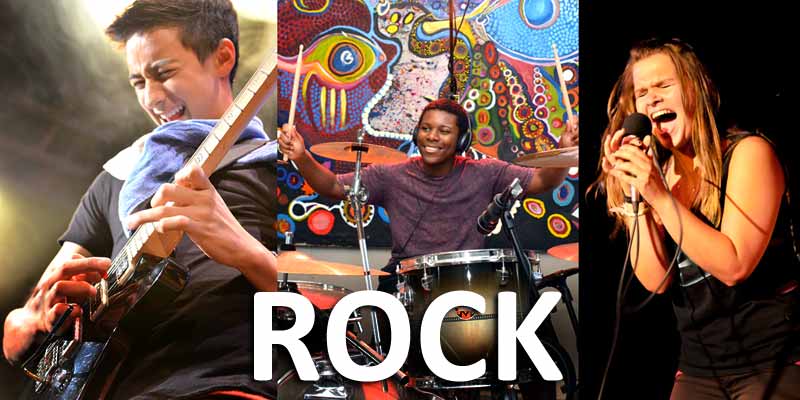
In environments such as summer theatre camps in New York, music camp and dance sleepaway camps students are not only working together creatively—they are also sharing meals, conversations, downtime, and routines.
This repeated interaction builds:
- Trust
- Group communication
- Emotional comfort within ensembles
- Stronger collaboration during performances
Creative work often improves when participants feel socially connected, which is one reason ensemble-based arts programs benefit from residential structures.
Performing Arts Require Emotional Safety
Creative performance depends heavily on emotional openness. Students must often:
- Perform publicly
- Receive critique
- Experiment without certainty
- Work through mistakes in front of others
This process becomes easier when participants feel emotionally supported within a community.
Programs like performing arts summer camps create environments where participants spend enough time together to develop familiarity and trust. Over time, this reduces self-consciousness and increases creative risk-taking.
In shorter day programs, social relationships may remain more surface-level due to limited interaction time.
Why Distraction Reduction Improves Creativity
Another overlooked factor is attention.
Day camp participants often move between multiple environments daily: camp, transportation, home responsibilities, digital distractions, and social obligations. In contrast, immersive programs like summer arts camp reduce environmental switching.
This matters because research in cognitive psychology suggests that sustained focus improves creative problem-solving and skill retention.
At residential arts programs, participants can remain mentally engaged in:
- Rehearsal processes
- Performance preparation
- Artistic collaboration
without repeatedly resetting attention.
Residential Programs Encourage Independence
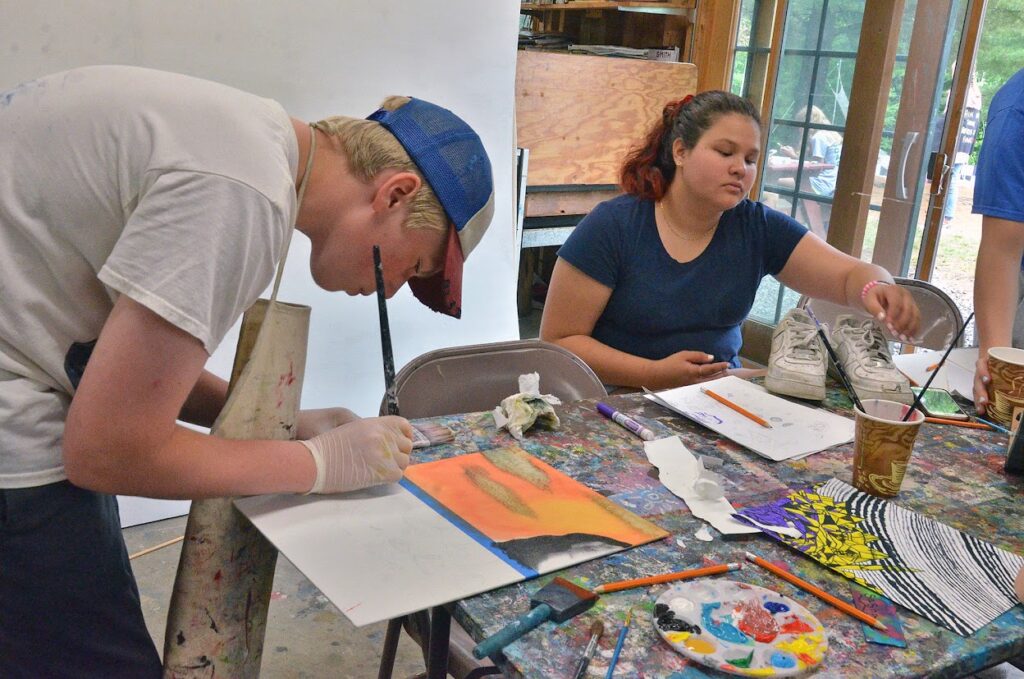
One reason families choose sleepaway programs in New York is the developmental growth that happens outside rehearsal spaces. These programs often strengthen:
- Decision-making
- Time management
- Personal responsibility
- Social adaptability
Living away from home encourages students to manage routines independently while still receiving structure and support.
This combination of independence and creativity contributes to broader developmental growth beyond artistic skill alone.
The Emotional Memory of Shared Creative Work
Students frequently remember sleepaway arts experiences years later because immersion creates emotionally significant memories.
Producing a performance together over weeks creates:
- Shared emotional investment
- Group achievement
- Strong identity formation
Whether in theater arts summer camps, music and summer dance camps, participants often describe these environments as transformative because creativity becomes tied to relationships and lived experience.
This emotional connection is harder to replicate in shorter-duration settings.
Why Immersion Changes the Outcome
The conversation around sleepaway vs day camp is ultimately about more than housing arrangements. It is about the structure of learning itself. Residential performing arts programs create continuous engagement, deeper peer relationships, and stronger creative momentum. By removing daily interruptions and extending collaboration beyond scheduled sessions, sleepaway environments support both artistic and personal growth in ways shorter programs often cannot replicate.
At Long Lake Camp for the Arts, students participate in immersive theater, music, dance, and visual arts experiences designed around creativity, collaboration, and residential community living. Contact us now to learn more about immersive summer programs that support artistic growth, independence, and lasting creative connections.
For questions or support with the enrollment process, you can reach our winter office in the NYC metro area:
199 Washington Avenue, Dobbs Ferry, NY 10522