In 2026, a noticeable shift is taking place in youth summer programming. According to the American Camp Association, enrollment in arts-focused camps has risen steadily over the past few years, with creative programs seeing growth. At the same time, a Pew Research Center study found that teens now identify creative expression—such as music, video, or performance—as a primary personal interest outside of school.
This data reflects a broader change: young people are moving away from rigid, competition-driven environments and toward spaces that prioritize identity, expression, and creative skill-building.
This shift is shaping the rise of creative arts summer programs in 2026, where the focus is less on winning and more on creating.
From “Sports Kid” to “Art Kid”
For decades, summer identity was often tied to athletics. Being a “sports kid” came with clear pathways—teams, tournaments, and structured competition. In contrast, creative interests were often treated as secondary or recreational.
That distinction is fading.
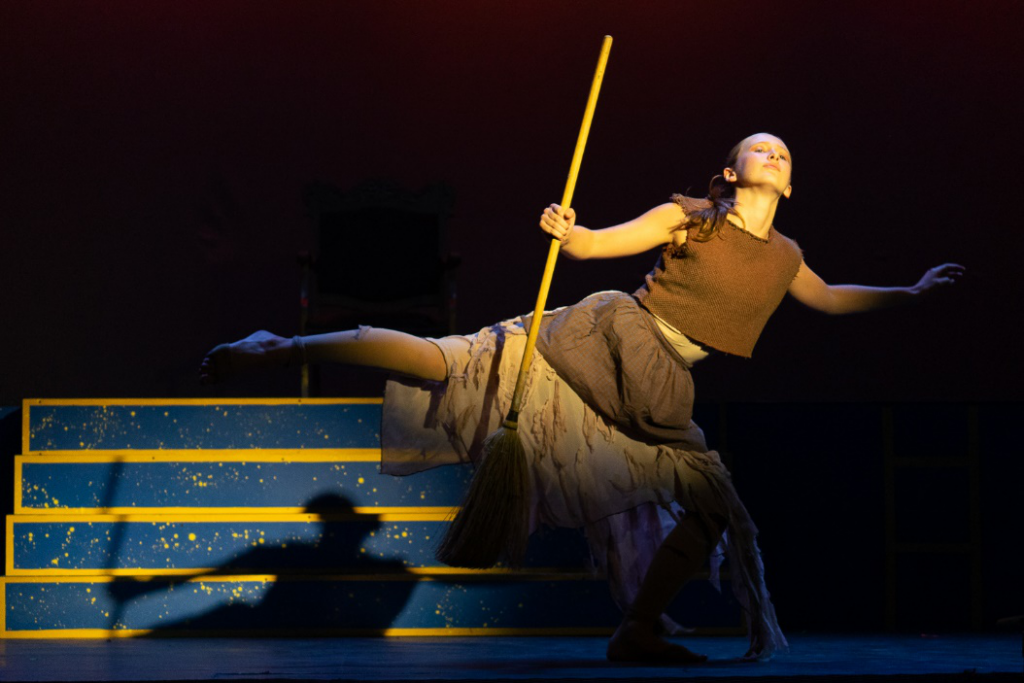
Today’s “art kid” is not simply participating casually—they are training, producing, performing, and collaborating at a high level. Programs like theater camps and summer arts camps reflect this evolution, offering structured environments where creativity is treated with the same seriousness as sports training.
What’s driving this shift?
- Increased visibility of creative careers through digital platforms
- Greater emphasis on self-expression and identity
- Recognition that creativity supports problem-solving and adaptability
This change is not about replacing sports—it’s about expanding what development can look like.
The Rise of High-Intensity Creative Training
One of the defining features of creative arts summer programs in 2026 is intensity. These are no longer low-commitment activities; they are immersive experiences designed to build real skills.
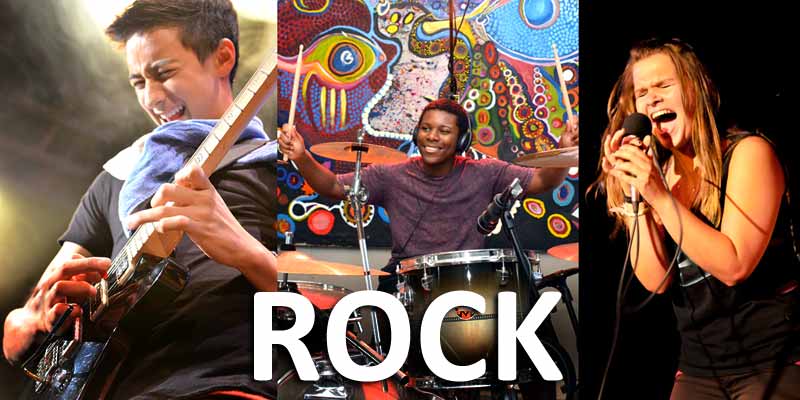
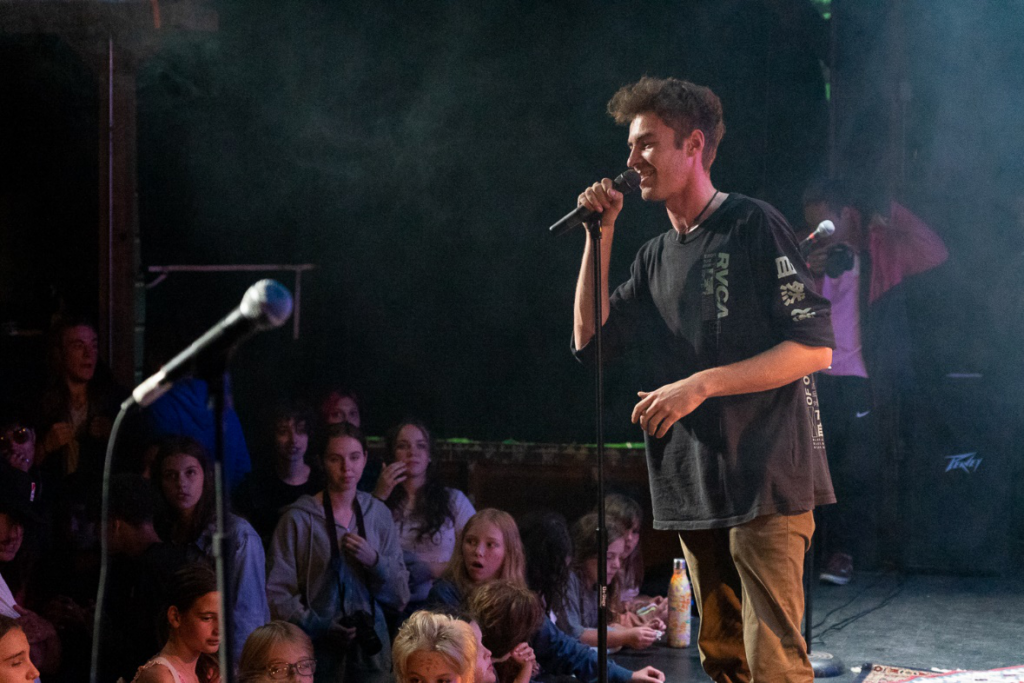
In programs like musical theatre camp or rock music summer camps, participants often spend several hours each day rehearsing, practicing, and refining their work. The structure mirrors athletic training models but is applied to artistic disciplines.
Common elements include:
- Daily technique sessions (voice, acting, instrument training)
- Group collaboration and ensemble work
- Final performances or showcases
This level of focus allows participants to see measurable growth in a short period of time, reinforcing commitment and confidence.
Why Creative Programs Are Gaining Ground
Several broader trends are contributing to the rise of arts-focused camps:
1. Digital Influence and Creative Visibility
Young people are not just consuming content—they are producing it. Arts camps provide structured environments to refine these interests.
2. Mental and Emotional Well-Being
Research from the National Endowment for the Arts indicates that participation in the arts is linked to reduced stress and increased emotional awareness. Programs like performing arts camps in New York offer spaces where expression is encouraged rather than suppressed.
3. Changing Definitions of Success
Families are increasingly valuing creativity, collaboration, and adaptability as long-term skills. This is reflected in the growing demand for arts camps where development is not limited to academic or athletic outcomes.
The Appeal of Immersive Camp Environments
Another factor shaping creative arts summer programs in 2026 is the rise of immersive, residential experiences. Programs such as overnight art camps in New York provide participants with uninterrupted time to focus on their craft.
This immersion supports:
- Deeper concentration and skill development
- Stronger peer connections through shared experience
- Exposure to multiple creative disciplines
For example, a participant in a summer music camp might collaborate with peers in theater or dance, creating a more integrated artistic experience.
Multi-Disciplinary Creativity as the New Standard
Rather than specializing in a single discipline, Long Lake Camp now encourages cross-training in the arts. A student attending a performing arts summer camp in 2026 can engage in:
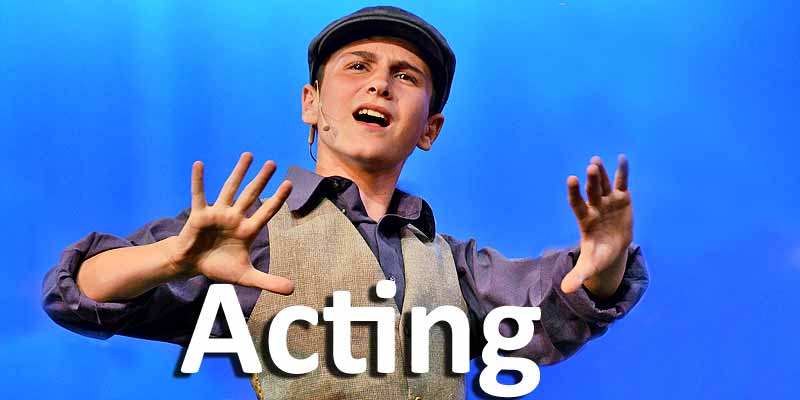
- Acting workshops
- Music production sessions
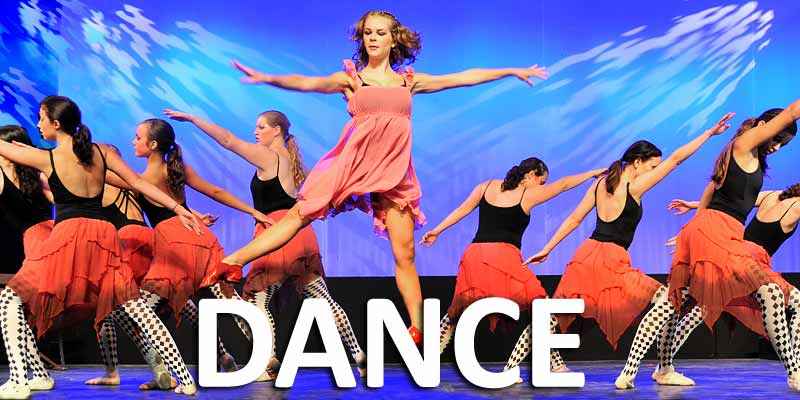
- Movement or summer dance camp classes
This approach reflects real-world creative industries, where collaboration across disciplines is common. It also allows participants to discover new interests while strengthening existing skills.
Programs like art summer camps are designed with this flexibility in mind, offering a range of pathways within a single camp experience.
A Space for Identity and Belonging
Beyond skill-building, creative camps are becoming spaces where young people can better understand themselves and connect with others.
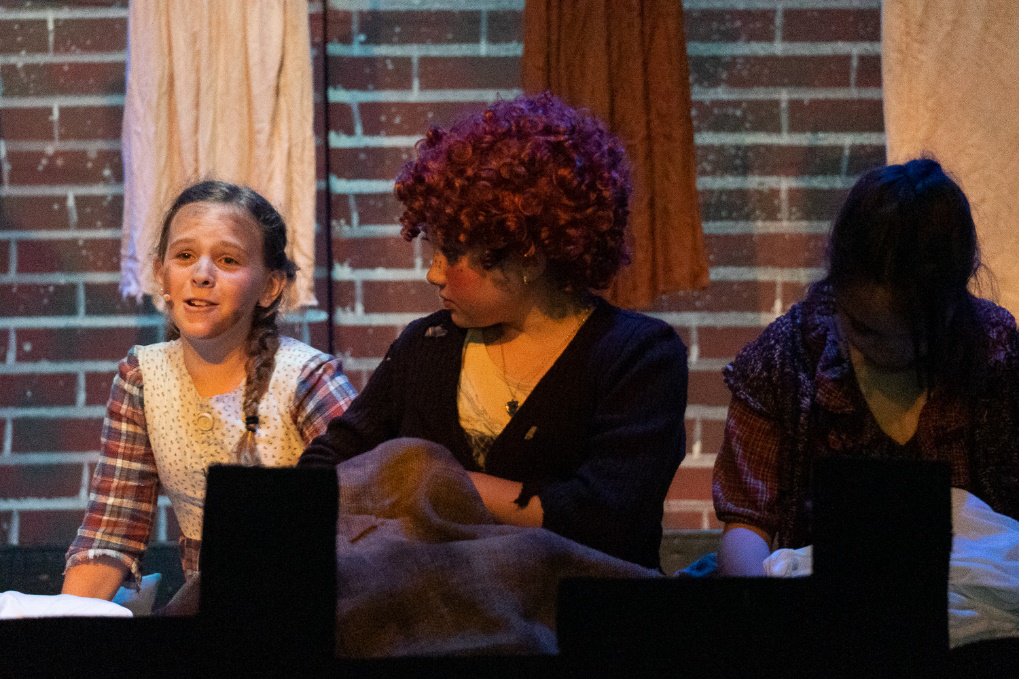
In environments such as theatre camps or art camps for teens in New York, participants often report:
- Feeling more comfortable expressing their ideas
- Building friendships based on shared interests
- Gaining confidence through performance and creation
These outcomes are especially important during adolescence, a period when identity formation is central.
Redefining Summer Growth in 2026
The rise of creative arts summer programs in 2026 signals a meaningful shift in how young people and families think about summer experiences. Creativity is no longer treated as an add-on—it is becoming a central pathway for growth, expression, and connection.
From theater camps to music and dance summer camps 2026, these programs are creating spaces where young people can build skills, form relationships, and engage deeply with their interests. For those seeking a comprehensive, immersive experience, Long Lake Camp for the Arts brings together theater, music, dance, and visual arts in a setting designed for focused creative development. Contact us now to learn more about programs shaping the next generation of creative thinkers.
For questions or support with the enrollment process, you can reach our winter office in the NYC metro area:
199 Washington Avenue, Dobbs Ferry, NY 10522