Mentorship has long been recognized as a defining factor in creative and academic success. According to a report by the National Mentoring Partnership, young individuals with mentors are more likely to enroll in college and demonstrate higher levels of confidence and leadership. In structured environments such as performing arts camps in New York, mentorship becomes even more impactful, as students work closely with experienced professionals who guide their artistic development.
Programs like Long Lake Camp for the Arts integrate mentorship into daily activities, offering students both technical training and industry insight.
Understanding the Role of Mentorship in Creative Development
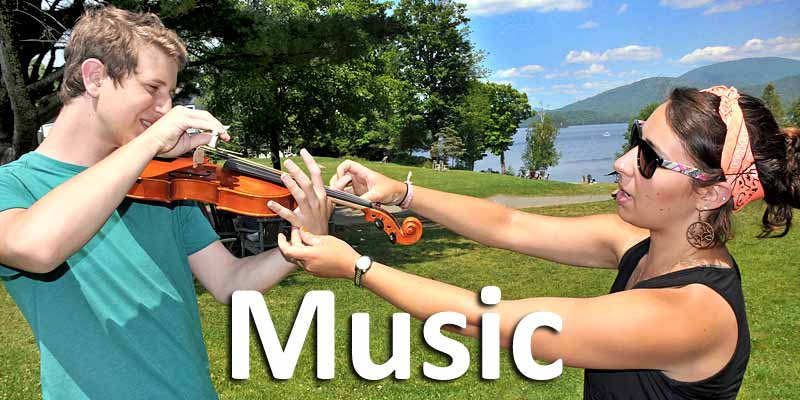
The role of mentorship in arts education extends beyond instruction. It involves guidance, feedback, and exposure to real-world practices. In a summer performing arts camp, mentors help students:
- Build technical skills in areas like acting, music, and visual arts
- Understand professional expectations
- Develop confidence through constructive feedback
- Gain clarity on long-term creative goals
This interaction allows campers to see how their interests can translate into future opportunities in structured programs like performing arts camp.
Learning Alongside Industry Professionals
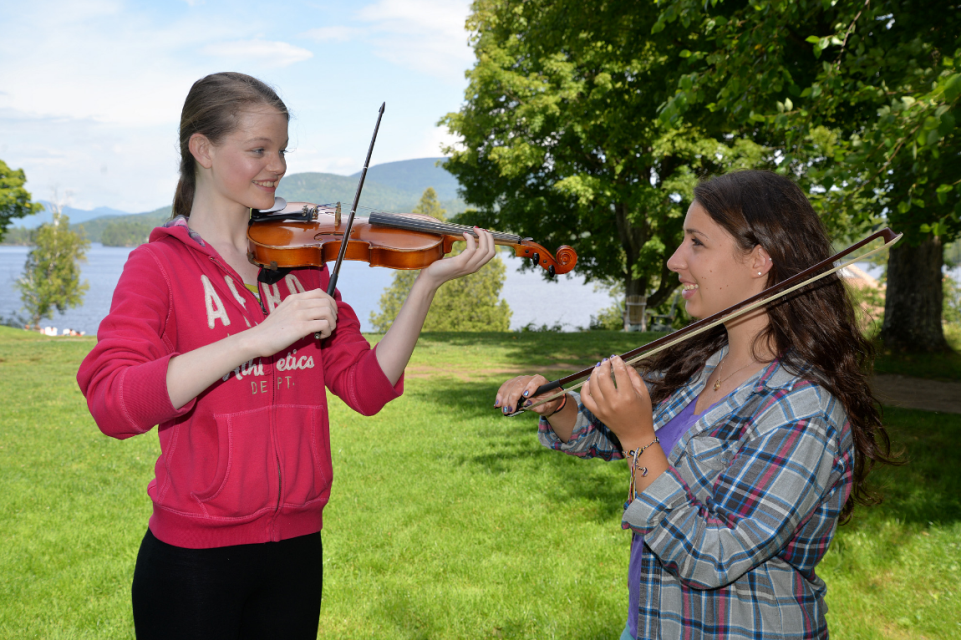
One of the defining features of mentorship-based programs is direct interaction with working artists. At Long Lake Camp, instructors often bring real industry experience into the classroom. This exposure helps campers:
- Understand rehearsal processes used in theatre summer camps
- Learn performance techniques
- Experience collaborative practices found in professional settings
- Receive personalized feedback during classes and rehearsals
Such experiences provide a realistic understanding of artistic careers, helping students make informed decisions about their future paths.
Building Confidence Through Guided Practice
Mentorship also contributes to personal growth by creating a supportive learning environment. In performing arts camps, students are encouraged to take creative risks without fear of judgment.
Benefits of this approach include:
- Increased self-confidence during performances
- Improved communication and teamwork skills
- Greater willingness to try new artistic disciplines
- Stronger sense of independence
This supportive structure is particularly valuable in programs where students balance structured learning with creative freedom.

Mentorship as a Foundation for Artistic Growth
The role of mentorship in arts education extends far beyond skill development. By working closely with experienced professionals, students gain insight, confidence, and direction.
Long Lake Camp for the Arts offers a structured environment where mentorship supports both artistic and personal growth. Contact us today to learn more about our programs designed to guide the next generation of artists.