For many teens, summer camp is either a missed opportunity or simply a way to pass the time. Unstructured programs without clear goals often leave adolescents disengaged and under-stimulated. According to the American Camp Association, teens thrive in environments that challenge their skills, promote collaboration, and encourage creative expression.
Research also suggests that participation in structured arts programs improves self-confidence, communication skills, and emotional resilience. Programs that focus on talent building at camp, rather than mere supervision, provide measurable benefits for creative and personal development.
Camps like Long Lake Camp for the Arts exemplify this approach. With dedicated training in theater, music, dance, and visual arts, teens engage in a professional environment where growth is the focus. Unlike traditional camps that emphasize recreational activities with limited instruction, Long Lake balances immersive artistic development with the social and recreational elements of summer camp.
Structured Learning Versus Babysitting
Many summer camps are designed primarily for childcare, leaving teens with little more than free time and recreational activities. While recreational activities are important, research indicates that structured learning environments promote greater cognitive and social development in adolescents.
At a summer performing arts camp, teens participate in:
- Daily rehearsals in theater, dance, or music
- Individual coaching sessions with experienced instructors
- Collaborative projects with peers of similar skill levels
- Scheduled showcases and performances for practical experience
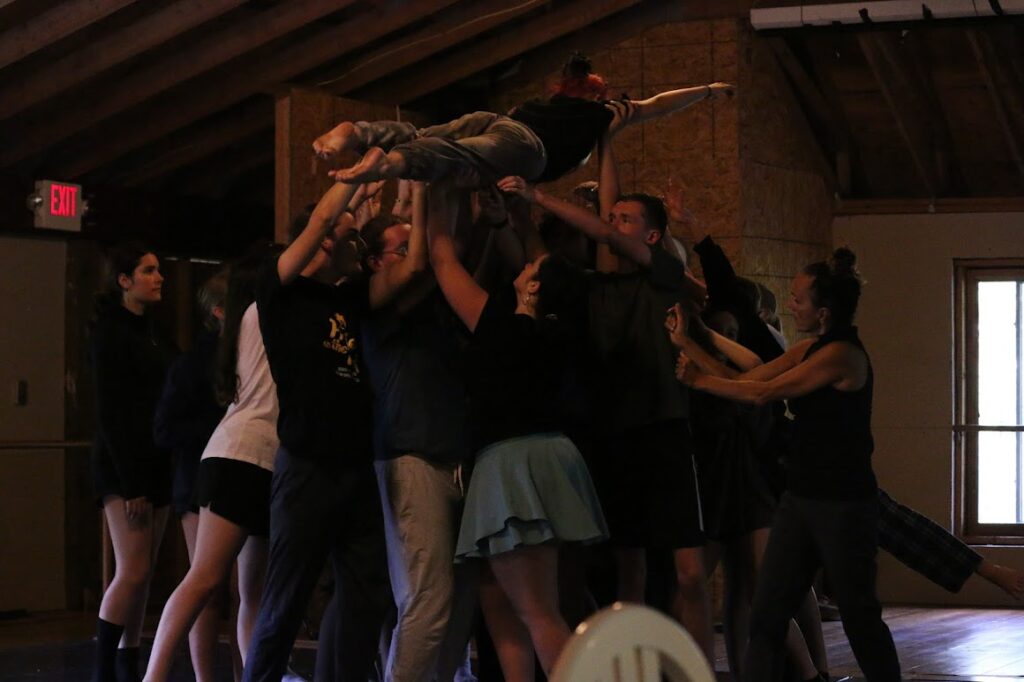
Programs such as performing arts camps maintain a strong staff-to-camper ratio, allowing instructors to provide personalized guidance.
For instance, Long Lake Camp supports about 225 campers with nearly 140 staff members, an unusually high ratio that ensures each teen receives one-on-one attention and mentorship. This setup transforms summer into an intensive learning environment rather than passive supervision.
Multidisciplinary Training Builds Real Skills
Talent building at camp is most effective when teens have access to multiple disciplines and a professional setting. Programs like summer art camps expose students to a wide range of creative skills, offering opportunities to develop proficiency across areas.
Examples of multidisciplinary training include:
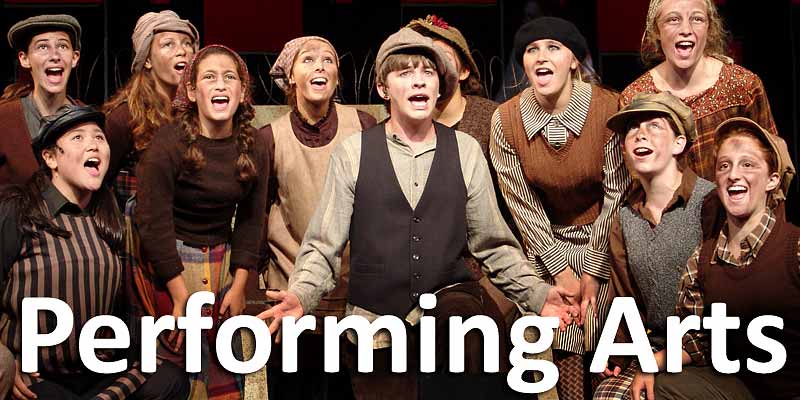
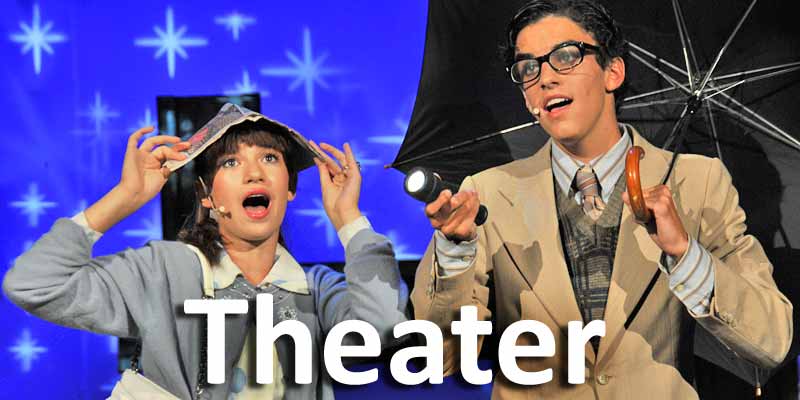
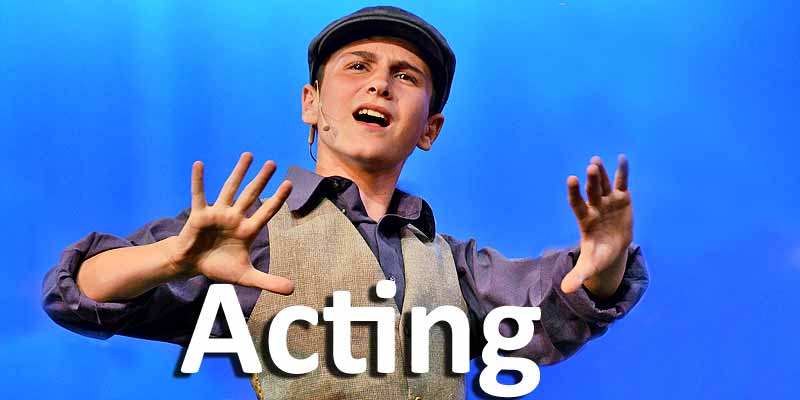
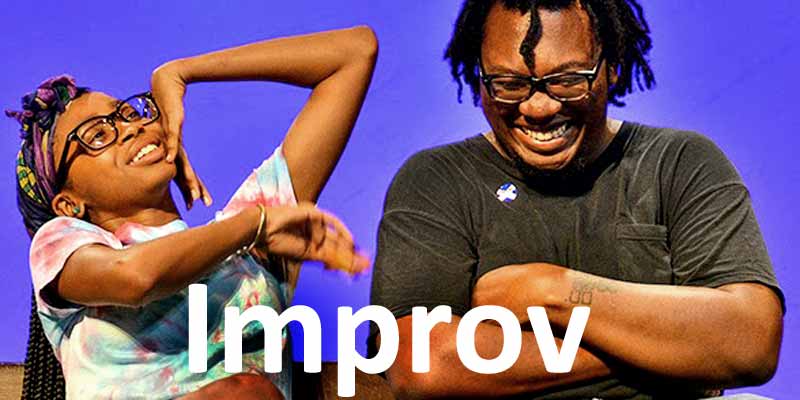
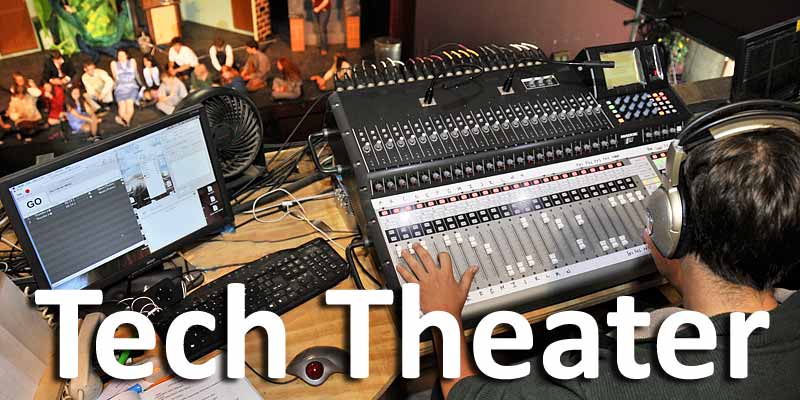
- Theater training: Acting, improvisation, stagecraft, and ensemble work in theater camps
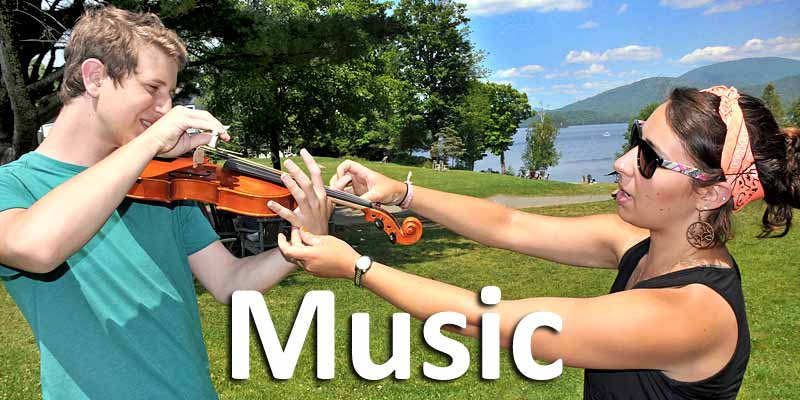
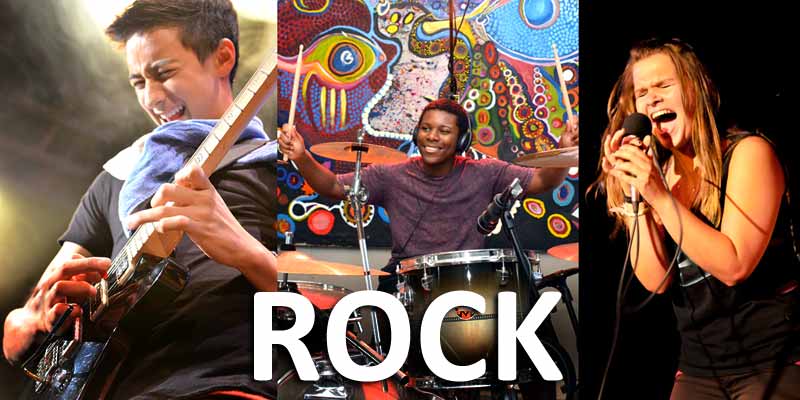
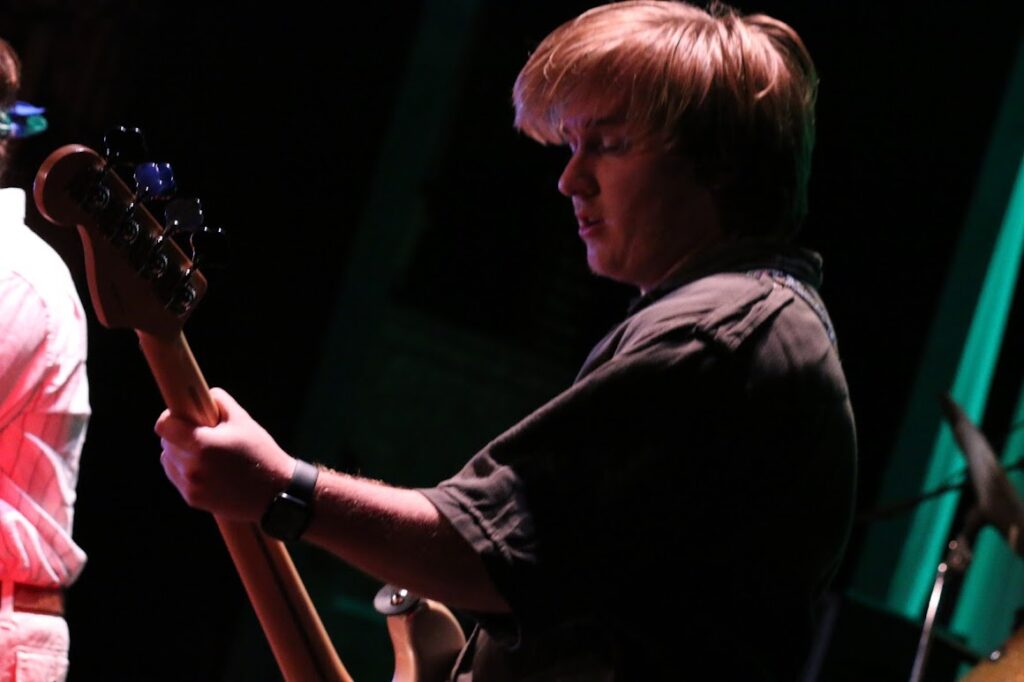
- Music instruction: Private and group lessons for instruments, voice, and composition in teens music camp.
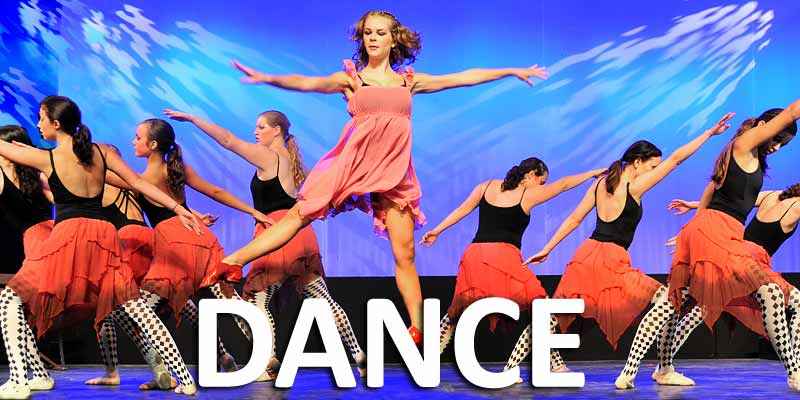
- Dance programs: Technique, choreography, and performance in summer dance camps.
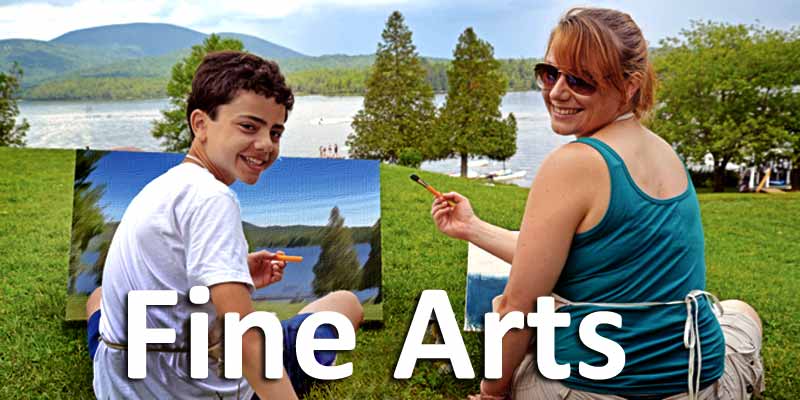
- Visual arts: Sculpture, painting, and set design in an art summer camp
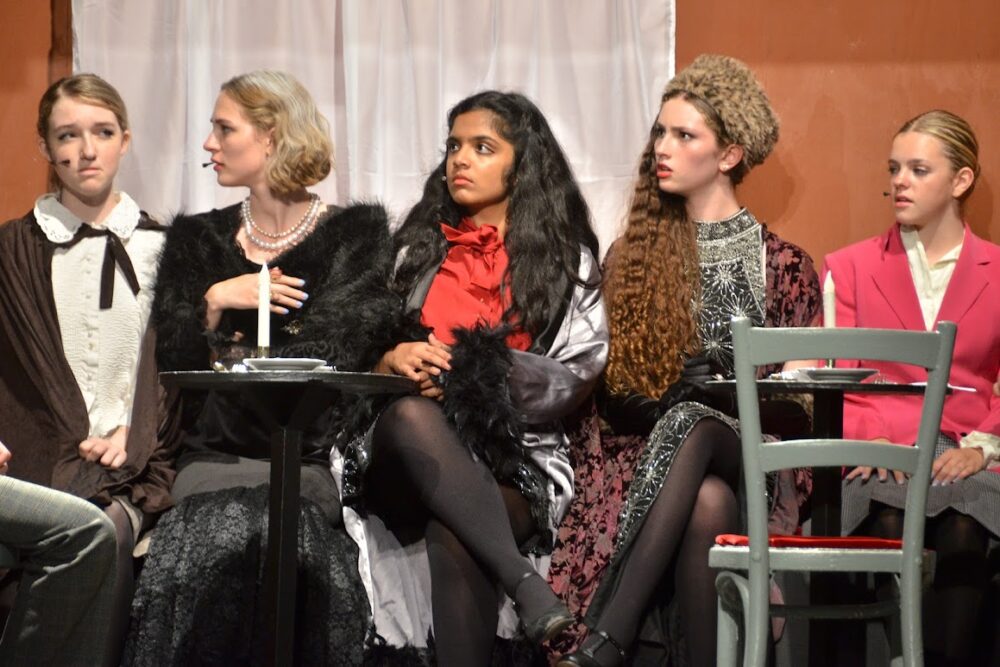
This kind of immersion allows teens to see tangible results from their work, whether performing in a fully staged musical, contributing to a live concert, or displaying their artwork in a showcase.
Research shows that teens engaged in cross-disciplinary arts programs experience improved problem-solving, creativity, and peer collaboration.
Benefits Beyond the Stage
While talent building at camp is at the core, programs like Long Lake also provide valuable social and emotional benefits:
- Confidence and self-expression: Performing in front of peers and mentors boosts self-esteem.
- Collaboration and teamwork: Ensemble work in performing arts sleepaway camps teaches communication and interpersonal skills.
- Time management and discipline: Balancing rehearsals, classes, and recreational activities prepares teens for professional and academic challenges.
- Peer networking: Teens meet like-minded individuals, forming friendships that often extend beyond the summer.
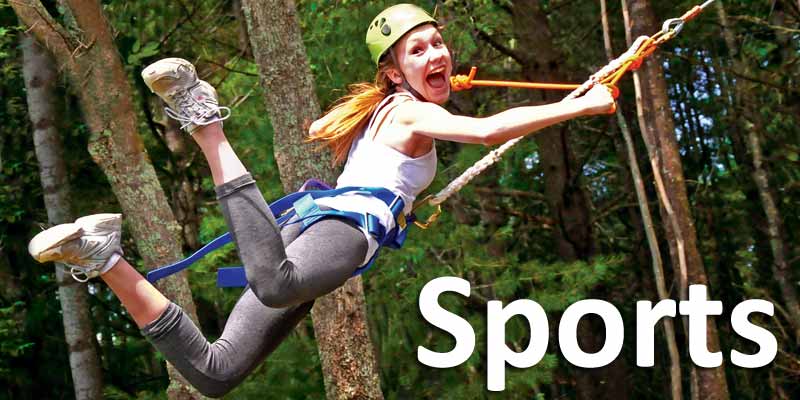
Additionally, structured programs allow for recreational breaks, swimming, kayaking, talent nights, and campfires, so students experience the fun of summer camp alongside rigorous artistic training. This combination makes overnight art camps and summer performing arts camp settings highly effective for both growth and enjoyment.
Why Long Lake Camp Stands Out
Long Lake Camp for the Arts is unique among performing arts summer camps because it combines professional training with the traditional benefits of summer camp. Highlights include:
- Unusually high staff-to-camper ratio: About 225 campers supported by nearly 140 trained staff
- Customizable schedules: Teens choose electives across theater, music, dance, and visual arts
- Daily mentorship: One-on-one coaching ensures each camper receives focused instruction
- Full production opportunities: Musicals, plays, concerts, and showcases allow campers to perform like professionals
- Supportive social environment: Recreational activities complement rigorous training to promote emotional well-being
Programs like art summer camps, summer camp dance, and summer music camp at Long Lake emphasize skill-building and artistic growth rather than simple supervision. Teens leave the program not only more talented but also more confident, collaborative, and socially adept.
Choose a Camp That Builds Talent
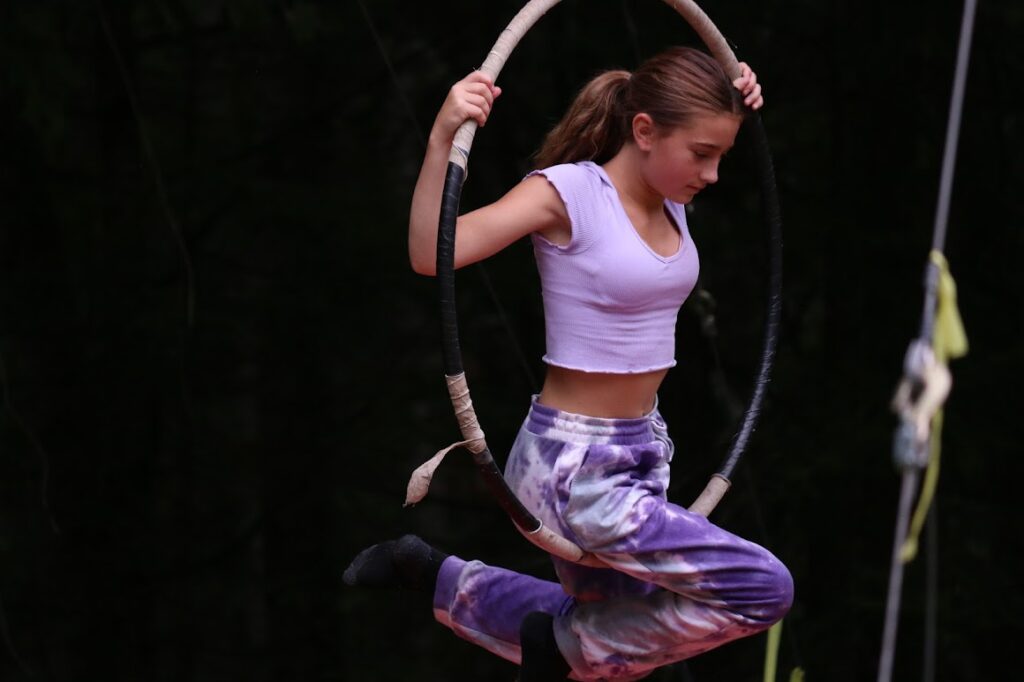
For families seeking more than a babysitting experience, choosing a program that emphasizes talent building at camp is essential. Teens thrive when provided with professional instruction, diverse artistic opportunities, and a supportive community. Camps like Long Lake Camp for the Arts demonstrate that summer can be transformative: students advance creatively, socially, and personally while having an unforgettable summer.
If you want a summer where your teen grows as a performer, musician, dancer, and artist, consider enrolling in Long Lake Camp for the Arts. Give your teen a summer that trains, challenges, and inspires. Reach out to request program details and secure placement for 2026.
For questions or registration, reach out to our winter office conveniently located in the NYC metro area at:
199 Washington Avenue, Dobbs Ferry, NY 10522. If cost is a concern, please contact us; we’d love to help you choose a camp that builds trust.