Over the last decade, summer camp trends in the United States have shifted significantly. According to youth development studies from the National Endowment for the Arts, teenagers who participate in structured arts education programs show higher levels of academic engagement, including an 18% greater likelihood of attending postsecondary education. As a result, many parents now seek summer programs that combine creativity, mentorship, and personal development.
This growing demand has led to the rise of arts-focused sleepaway programs. Instead of traditional camps that revolve primarily around sports and recreational activities, modern creative camps offer structured instruction in theater, music, visual arts, and stage performance.
Many families now prefer performing arts sleepaway camps because they provide a balanced combination of residential community life and professional arts training. These immersive environments help students develop artistic skills while building confidence and collaboration abilities.
Programs such as Long Lake Camp for the Arts represent this new generation of summer education, where campers can pursue their artistic interests in a supportive and structured environment.
The Changing Expectations of Modern Summer Camps
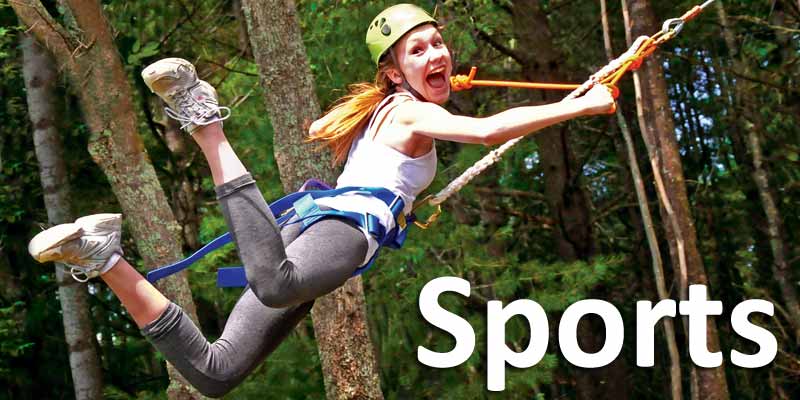
Traditional summer camps once focused mainly on outdoor recreation. While activities such as hiking, swimming, and sports remain popular, many families now want programs that contribute directly to skill development.
Arts-centered camps 2026 offer structured opportunities for creative growth. Programs such as summer art camps combine hands-on instruction with collaborative projects that allow students to develop their talents.
Parents increasingly value programs that include:
- Professional instruction from experienced artists
- Structured rehearsal and practice sessions
- Public performances and showcases
- Creative collaboration with peers
Unlike general activity camps, these programs provide an environment where students can dedicate significant time to developing their artistic interests.
Performance-Based Training Builds Confidence
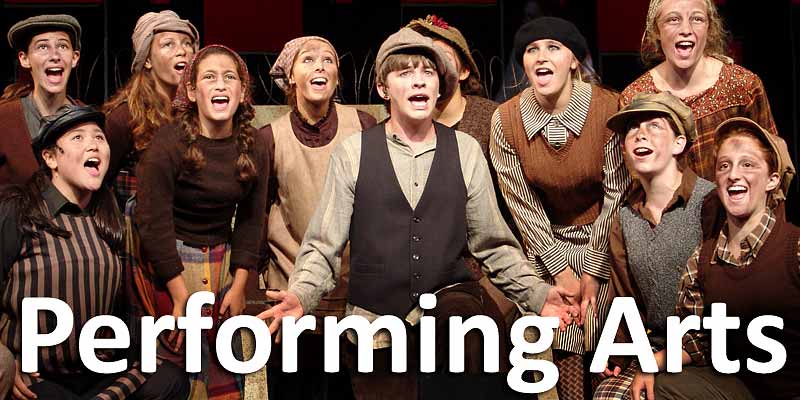
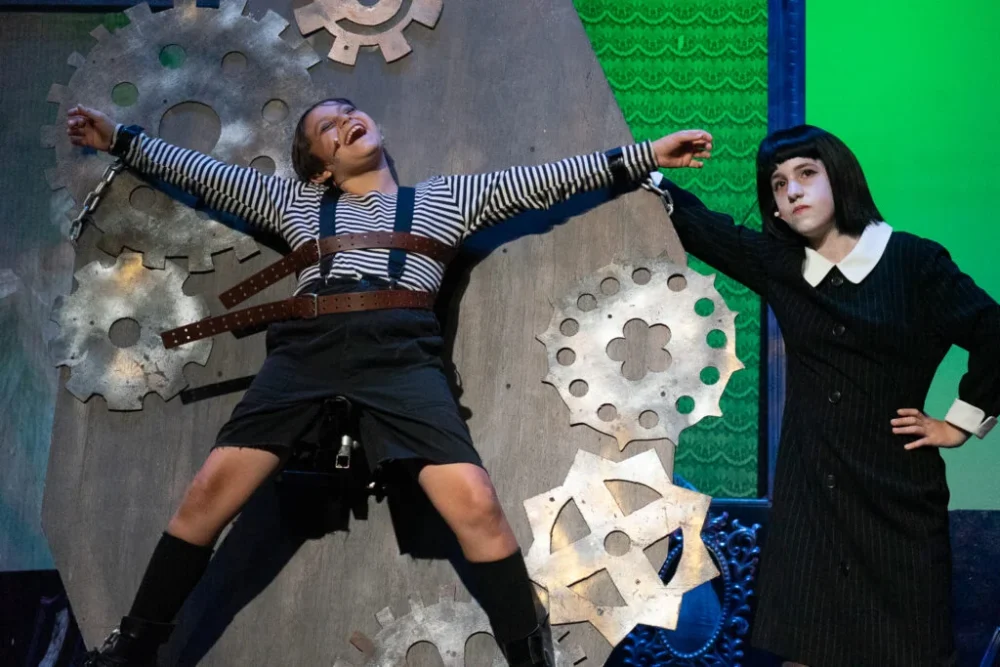
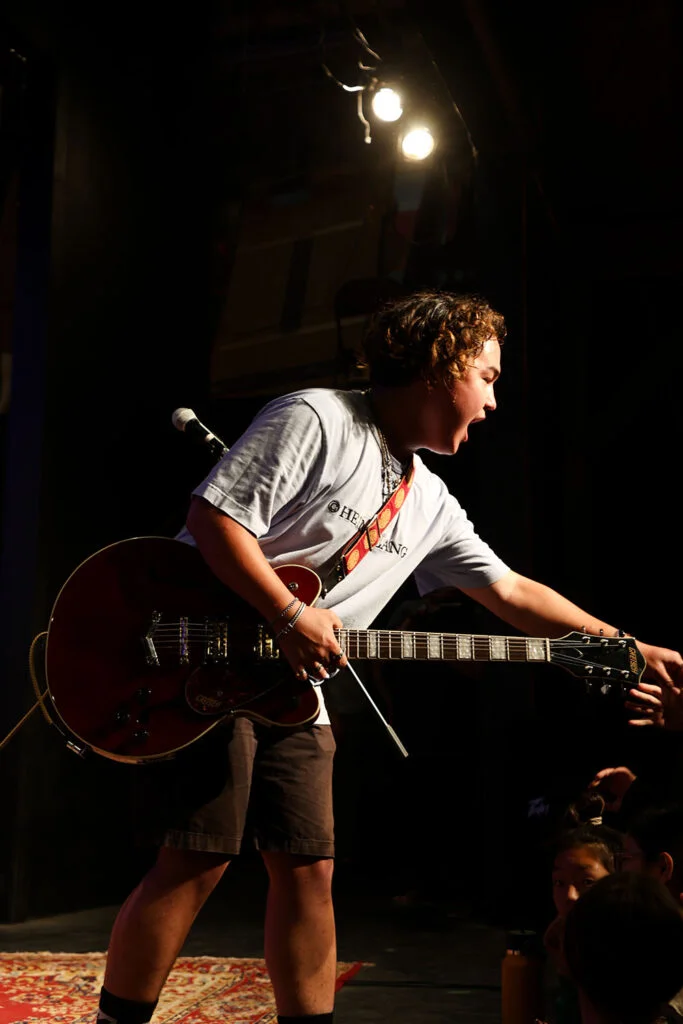
One of the defining features of arts camps 2026 in NY is the emphasis on live performance and creative presentation. Students rehearse, prepare productions, and present their work before audiences.
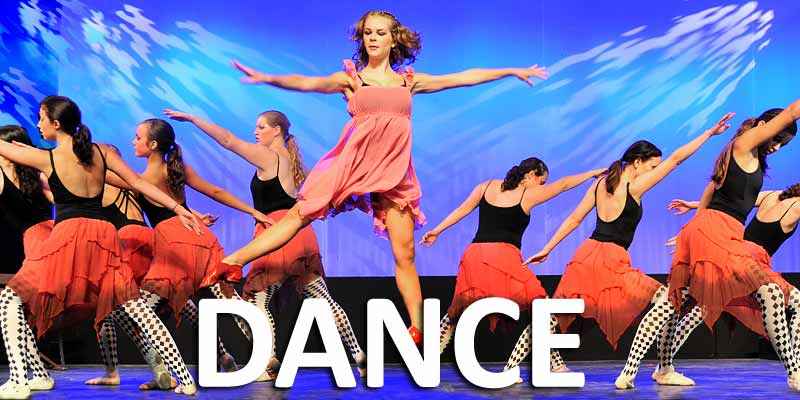
At many performing arts camp, campers train in multiple disciplines such as acting, stage performance, and music.
Examples of training opportunities often include:
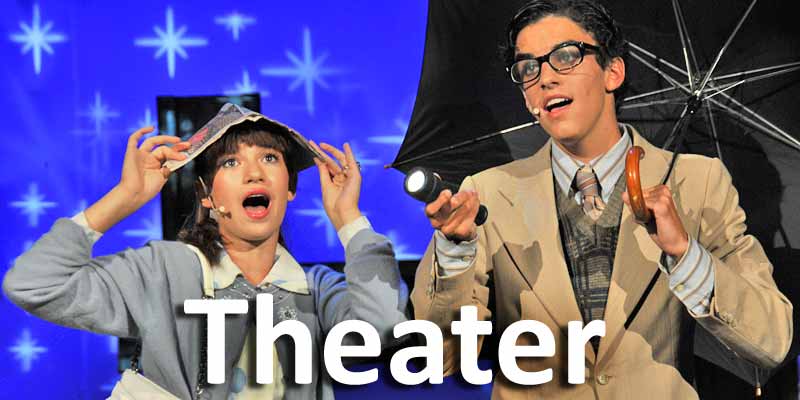
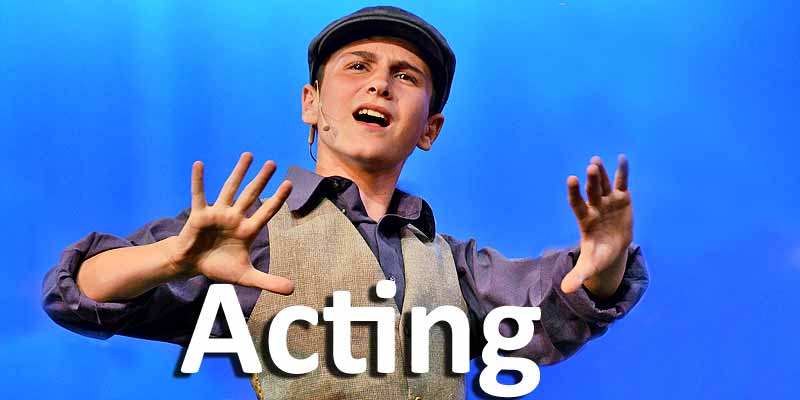
- Acting workshops within theater arts camps
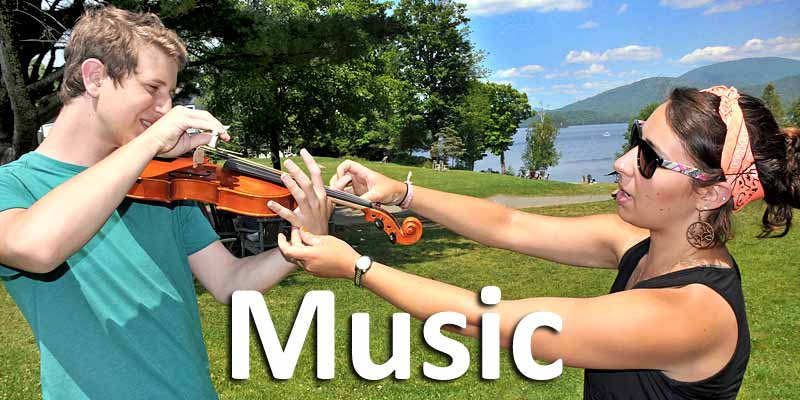
- Vocal and instrumental sessions at music camp
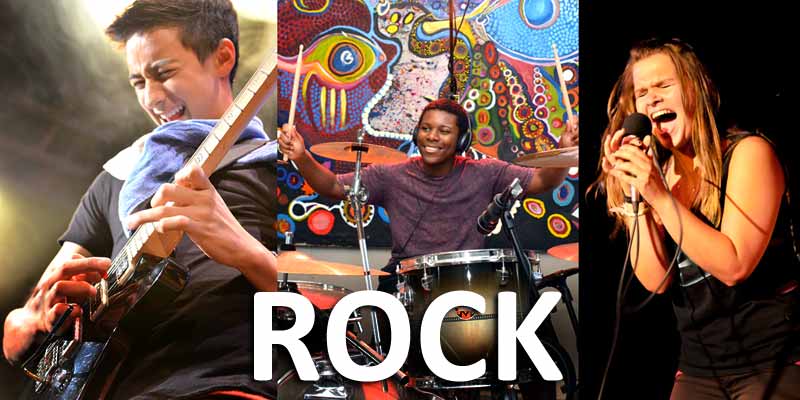
- Band collaboration at rock music camps
- Stage productions within the musical theater camp
These experiences provide more than artistic training. They also help students build:
- Public speaking confidence
- Team collaboration skills
- Discipline through rehearsals
- Creative problem-solving abilities
For teenagers interested in music performance, programs such as music camp for teens allow them to work with other musicians and perform live concerts during camp showcases.
Multi-Disciplinary Creative Learning
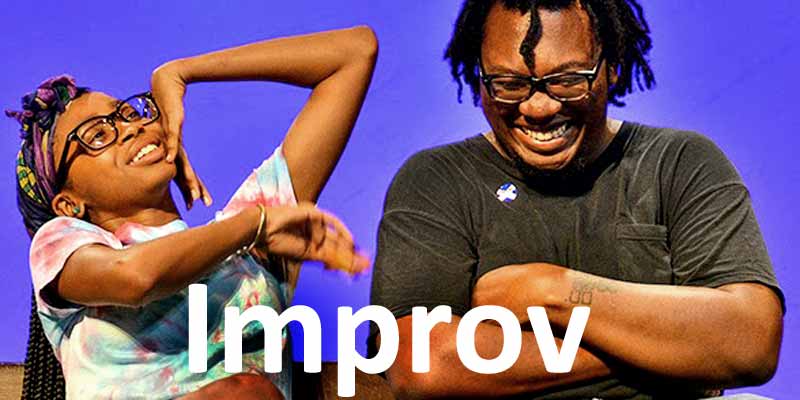
Another major advantage of arts-focused sleepaway programs is their multi-disciplinary approach. Instead of focusing on only one activity, many camps allow students to experiment with several creative fields during their stay.
At leading art sleepaway summer camps, students often participate in different creative disciplines throughout the week. A strong example of this structure can be seen at Long Lake Camp, where the program is intentionally designed to encourage creative variety.
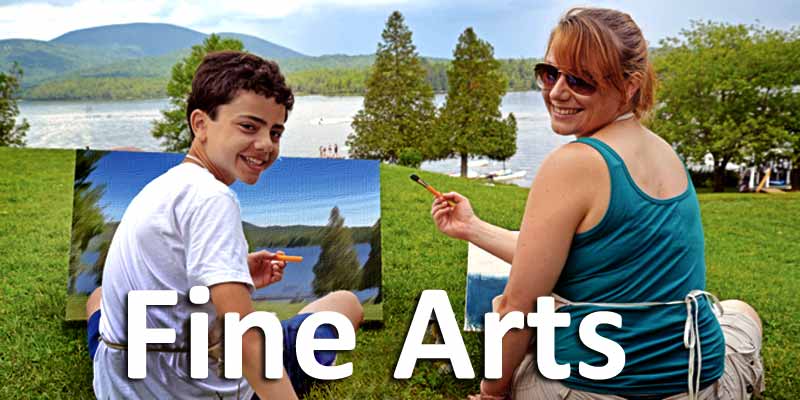
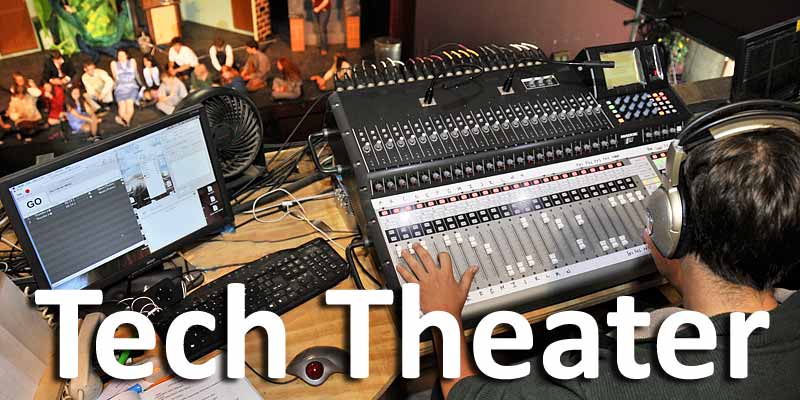
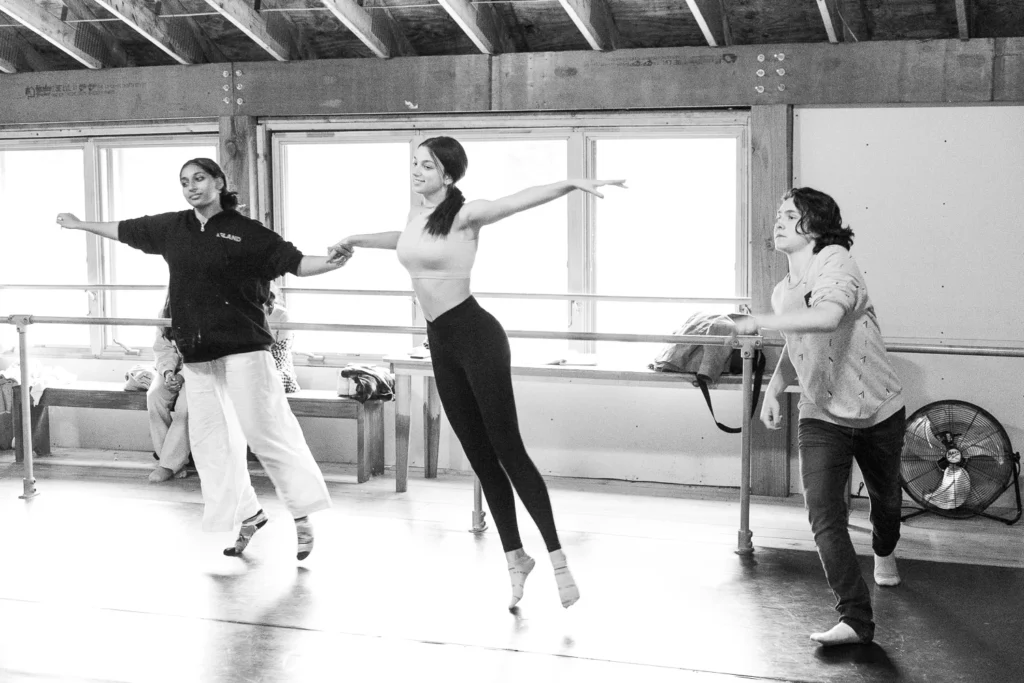
Campers are not limited to a single discipline; they can participate in theater rehearsals, music sessions, visual arts studios, and performance preparation on the same day. This multi-disciplinary system gives campers significant flexibility over their schedules while exposing them to different artistic experiences.
As a result, no two days feel identical, with mornings, afternoons, and evenings often dedicated to different creative activities, rehearsals, or performances.
The Value of Creative Communities
Living in a residential creative environment offers advantages that traditional day programs cannot replicate. When students live and learn together, collaboration becomes a natural part of daily life.
Many overnight art camps are designed to foster artistic communities where students share ideas, rehearse together, and support one another’s creative projects.
Benefits of these immersive environments include:
- Continuous creative engagement throughout the day
- Strong peer collaboration and friendships
- Mentorship from professional artists
- Opportunities to present work in front of an audience
For younger participants, programs such as children’s art camp provide a structured introduction to creative learning while maintaining a supportive camp atmosphere.
Why Families Are Choosing Arts Programs
Parents increasingly view creative education as an important part of youth development. Research shows that students who participate in arts programs often demonstrate stronger communication skills and improved confidence.
Families now seek summer programs that provide:
- Structured creative instruction
- Opportunities for performance and public speaking
- Mentorship from experienced instructors
- A supportive peer community
This demand has contributed to the rising popularity of performing arts summer camps in 2026, where teenagers can develop artistic interests while forming lasting friendships.
A New Direction for Summer Camps
The popularity of arts-focused sleepaway camps reflects a broader shift in summer education. Instead of general recreation alone, families now look for programs that combine creativity, skill development, and immersive learning experiences.
Programs like Long Lake Camp for the Arts provide an environment where students can rehearse, perform, and collaborate with peers who share similar passions. If your child is interested in theater, music, or visual arts, consider enrolling them with us.
For questions or registration, reach out to our winter office conveniently located in the NYC metro area at:
199 Washington Avenue, Dobbs Ferry, NY 10522. If cost is a concern, please contact us; we’d love to help you make an informed decision.