Interest in creative summer programs has grown rapidly among families in the United States. Research from the National Endowment for the Arts indicates that students involved in arts education show stronger academic engagement, higher self-confidence, and improved collaboration skills. At the same time, a report from the American Camp Association notes that summer camp participation improves independence, social skills, and resilience among children and teenagers.
Because of these developmental benefits, parents are increasingly considering performing arts summer camps and immersive creative programs in New York. However, not all camps offer the same level of instruction, supervision, or flexibility. Knowing the right questions to ask before enrolling your child can help you identify a program that supports artistic growth and a positive summer experience.
Below are ten practical questions families should ask before booking a performing arts summer camp in 2026.
1. What Artistic Disciplines Are Offered?
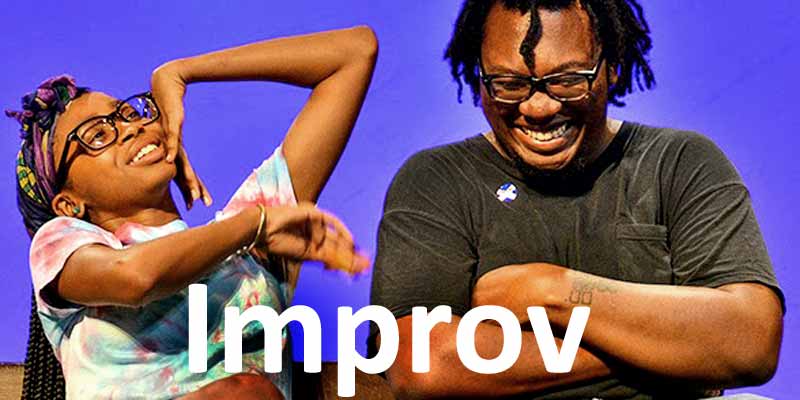
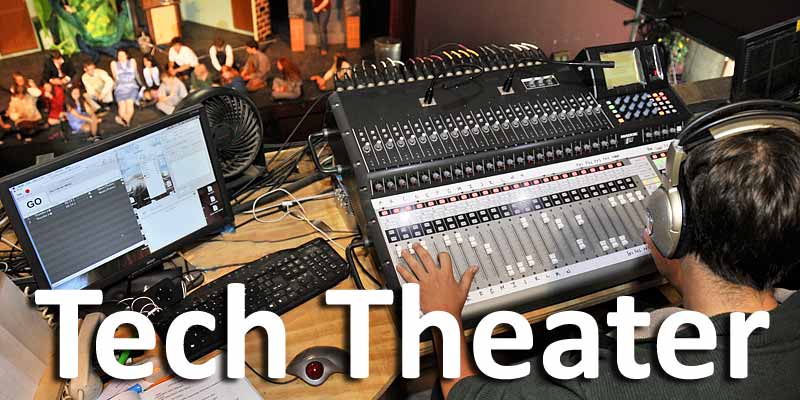
The first thing parents should evaluate is the range of artistic training available. A strong summer performing arts camp often includes multiple creative disciplines rather than focusing on a single activity.
Many reputable programs offer opportunities in:
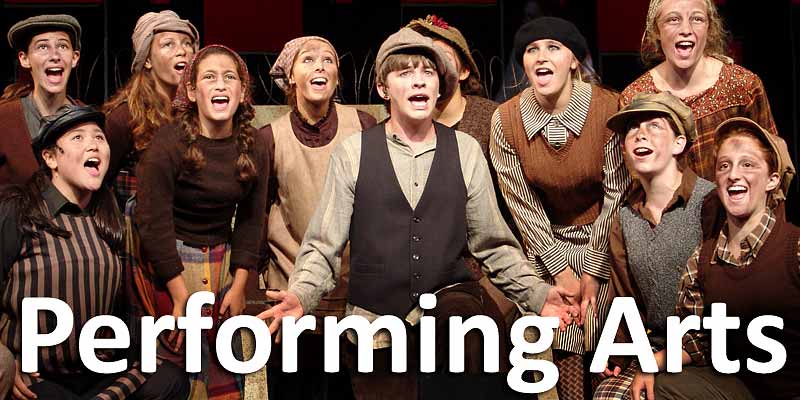
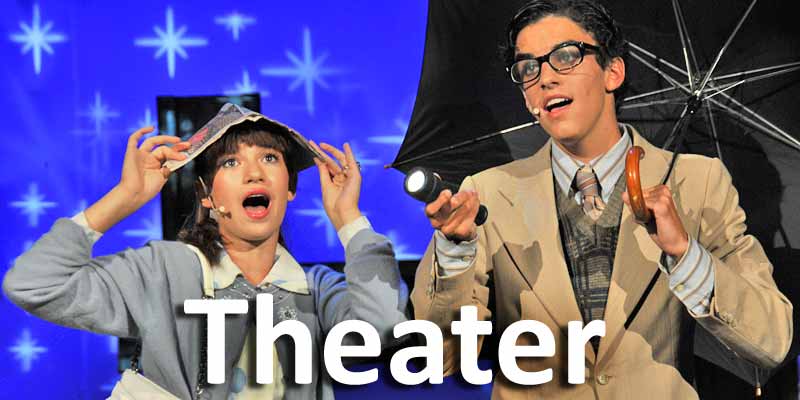
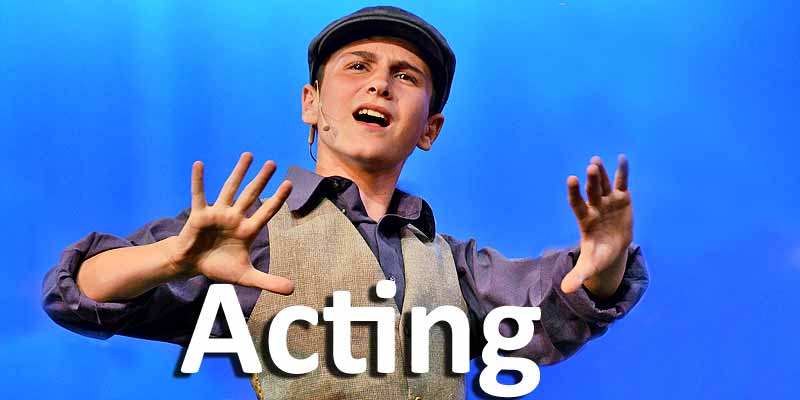
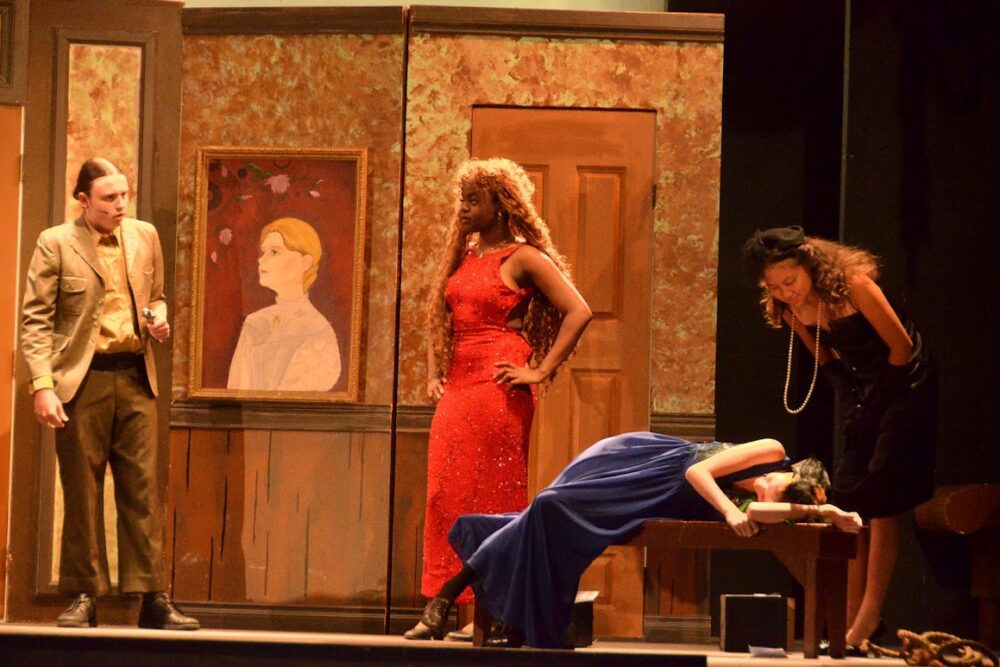
- Acting and stage production through theater arts summer camps
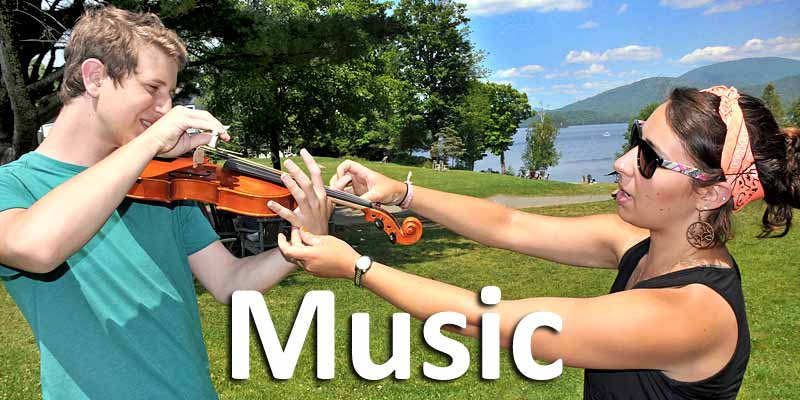
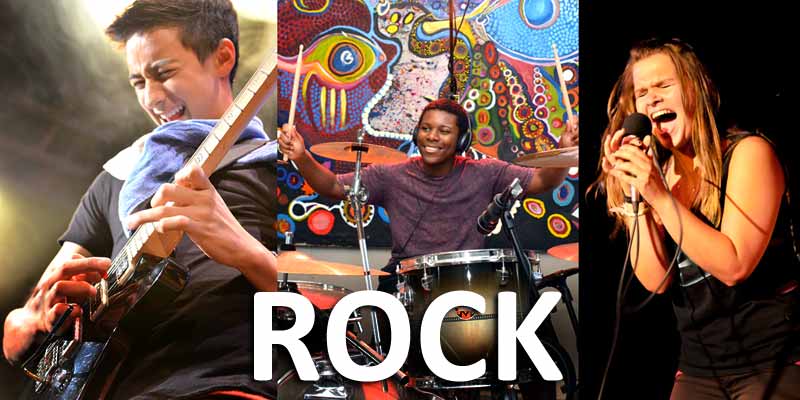
- Vocal and instrumental instruction at music camp
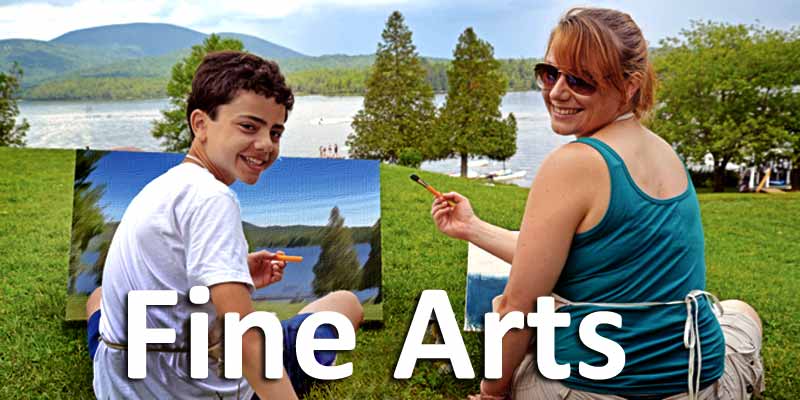
- Visual arts within art camps
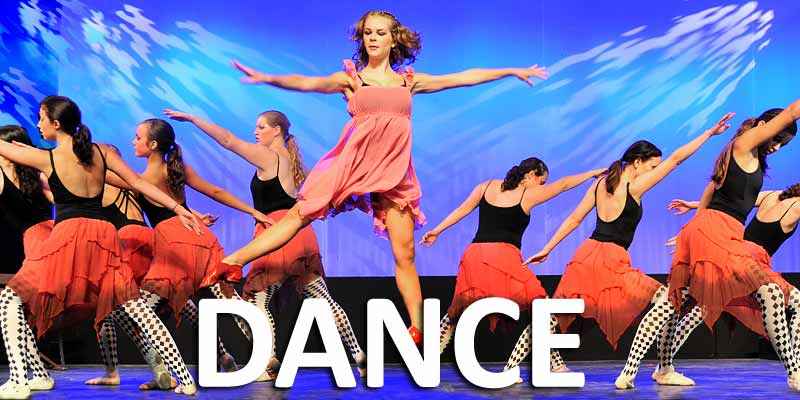
- Movement and performance through dance camps
This range allows students to develop multiple creative interests during one summer session.
2. Are Campers Allowed to Choose Their Own Schedule?
Creative autonomy improves engagement and motivation. Many leading performing arts camps give campers 100% flexibility to select classes based on their interests.
Parents should ask:
- Can campers combine theater, music, and visual arts?
- Are elective classes available throughout the session?
- Are beginner and advanced options offered?
Programs such as Long Lake Camp for the Arts provide flexible schedules where campers can shape their own daily artistic experience.
3. What Performance Opportunities Are Included?
Performance experience is a major reason many teens attend arts camps. Parents should ask how often campers appear in showcases or productions.
These may include:
- Stage performances
- Music concerts
- Choreographed presentations
Frequent showcases give students a chance to practice public performance and build stage confidence.
4. What Is the Staff-to-Camper Ratio?
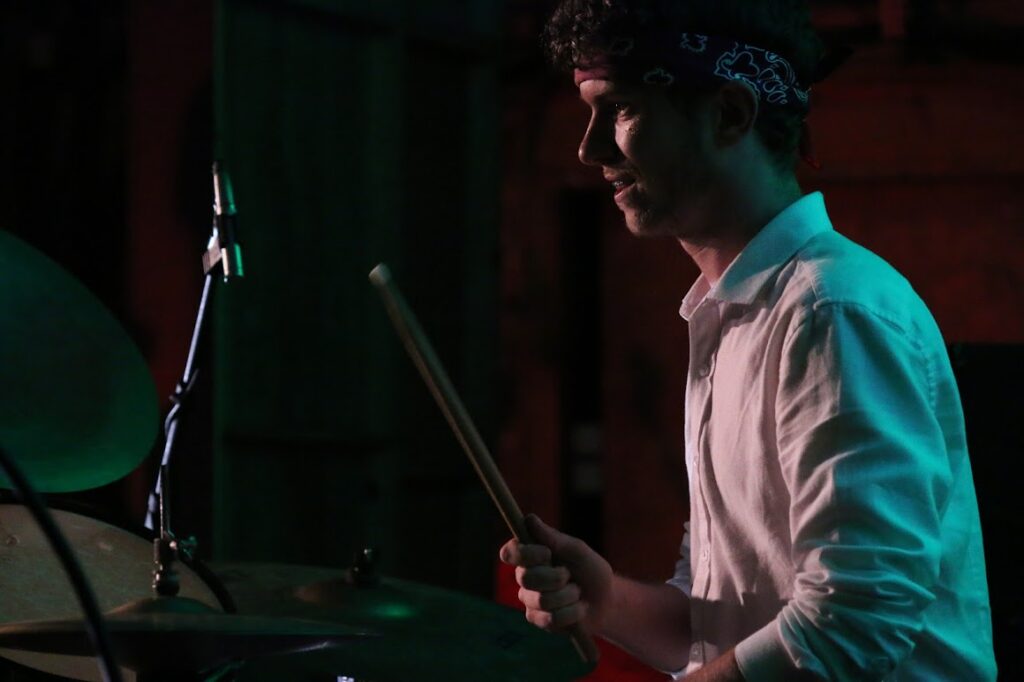
Supervision levels directly affect safety and learning quality. Smaller group sizes allow instructors to provide more personalized guidance in programs.
Many programs emphasize small group learning, but camps such as Long Lake stand out with an unusually high level of supervision and mentorship. With about 225 campers supported by roughly 140 staff members, the environment allows instructors to provide meaningful one-on-one guidance in programs like arts, theater, music, and other creative disciplines.
5. Who Teaches the Classes?
Parents should also look closely at the qualifications of the instructors. Many respected performing arts sleepaway camps hire professional artists and educators.
Teaching staff may include:
- Professional actors and theater directors
- Music instructors and composers
- Choreographers and movement coaches
- Visual artists and art educators
Working with professionals can significantly influence a camper’s confidence and skill development.
6. Are the Facilities Designed for Arts Training?
Facilities can make a major difference in the overall learning experience.
Parents should ask whether the overnight art camps provide:
- Fully equipped theaters for stage productions
- Dance studios for dance programs
- Soundproof rehearsal rooms
- Dedicated art studios for visual arts instruction
Well-designed creative spaces allow students to practice in a professional environment.
7. Is the Program Residential or Day-Based?
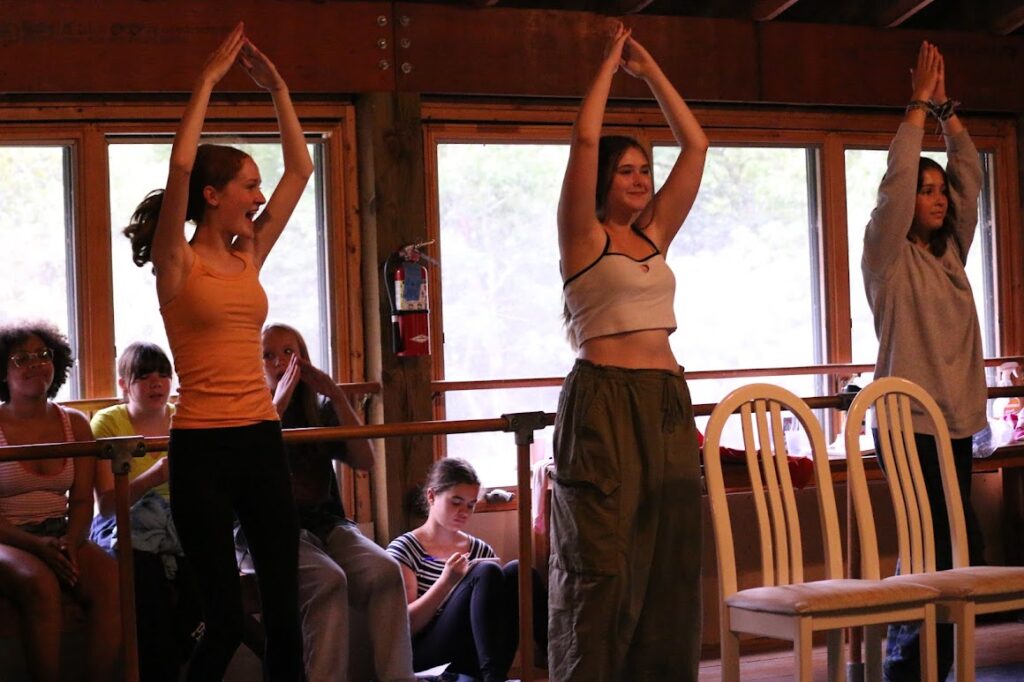
Many families prefer art sleepaway summer camps because they create a fully immersive environment. Residential programs encourage campers to spend their entire day engaged in artistic activities and social interaction.
Benefits of residential programs include:
- Stronger friendships with peers
- Evening rehearsals and creative workshops
- Greater independence for teens
This immersive format is common in performing arts camps.
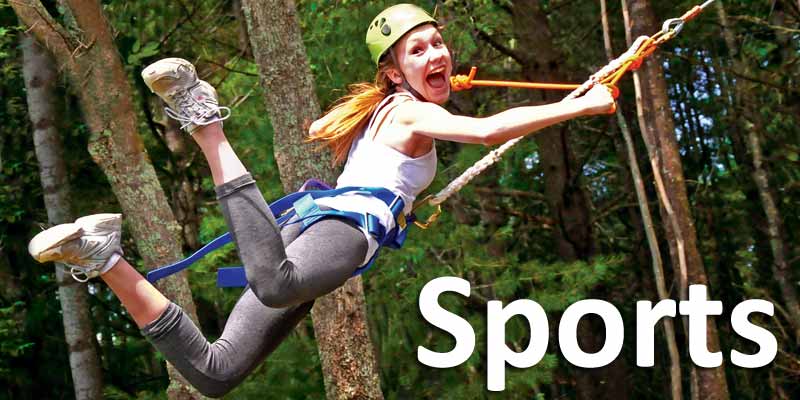
8. What Recreational Activities Are Available?
Even highly motivated students benefit from breaks between classes and rehearsals. A well-balanced summer arts camp typically includes outdoor and recreational activities.
Examples include:
- Swimming and kayaking
- Campfires and talent nights
- Outdoor games and sports
- Community events and social gatherings
This balance helps prevent burnout and keeps the camp experience enjoyable.
9. Is the Camp Supportive of Beginners?
Some teens arrive with extensive training, while others are trying performing arts in New York for the first time. A strong arts camp should welcome students at different experience levels.
Parents should ask:
- Are beginners encouraged to participate?
- Are auditions required for performances?
- Do instructors provide coaching for newcomers?
Inclusive programs help build confidence in students who may be new to theater, music, or visual arts.
10. What Long-Term Benefits Do Campers Gain?
Finally, parents should ask about the lasting outcomes of attending a performing arts summer camp in 2026.
Former campers often report improvements in:
- Communication skills
- Public speaking confidence
- Team collaboration
- Creative expression
Programs that combine artistic training with social development often provide the most meaningful results.
Choosing the Right Performing Arts Camp
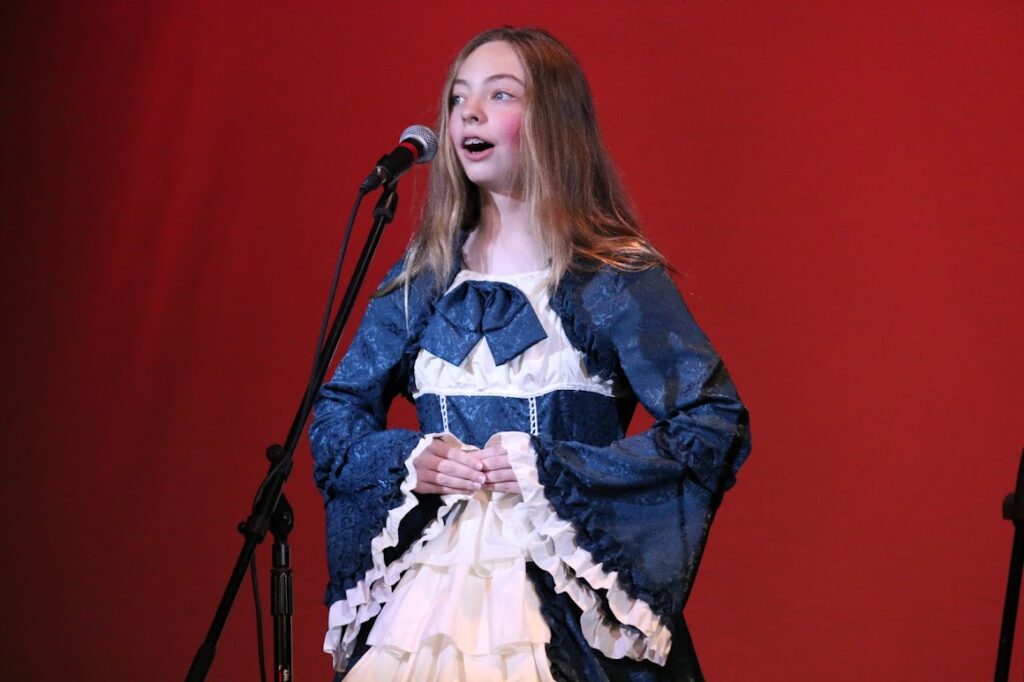
Selecting a summer program is an important decision for families interested in creative education. Asking thoughtful questions to ask about curriculum, faculty, facilities, and camper experience can help parents identify the best option. Well-structured performing arts summer camps offer more than artistic training. They encourage independence, confidence, collaboration, and lifelong friendships.
For families considering an immersive program in New York, Long Lake Camp for the Arts offers a wide range of creative disciplines, flexible schedules, and a supportive environment where young performers can develop their talents. If you are searching for an inspiring performing arts camp experience for your child, visit Long Lake Camp for the Arts to learn more about upcoming program and registration for summer 2026.
For questions or registration, reach out to our winter office conveniently located in the NYC metro area at:
199 Washington Avenue, Dobbs Ferry, NY 10522. If cost is a concern, please contact us; we’d love to help you!