Youth arts training in the United States continues to evolve. According to the National Endowment for the Arts, participation in structured performing arts in New York education among teens has increased steadily over the past decade, particularly in interdisciplinary programs. Simultaneously, the American Camp Association reports that families are placing greater emphasis on wellness, skill development, and long-term artistic growth when selecting summer programs.
These shifts are reshaping contemporary dance education at residential arts programs. In 2026, leading summer dance camps are integrating physical conditioning, diverse movement vocabularies, and professional choreography into immersive training environments. The result is a more comprehensive approach that reflects real-world industry standards.
Wellness as a Foundational Component of Dance Training
A major development in contemporary dance education is the structured integration of physical and mental wellness. Historically, summer programs focused heavily on choreography and technique. Today, injury prevention and sustainable training are central to curriculum design.
Modern dance sleepaway camps and other residential programs now include:
- Strength and conditioning sessions designed for adolescent bodies
- Flexibility labs rooted in sports science principles
- Guided recovery blocks between rehearsals
- Workshops for high-performance training
- Mental focus sessions to manage performance pressure
Research in pediatric sports medicine demonstrates that conditioning and recovery planning reduce overuse injuries in teen dancers. Camps incorporating these strategies are seeing stronger retention and healthier performance outcomes.
Institutions such as Long Lake Camp for the Arts structure rehearsal schedules around physical sustainability, aligning with broader trends in professional dance companies.
Multi-Genre Training and Cross-Disciplinary Exposure
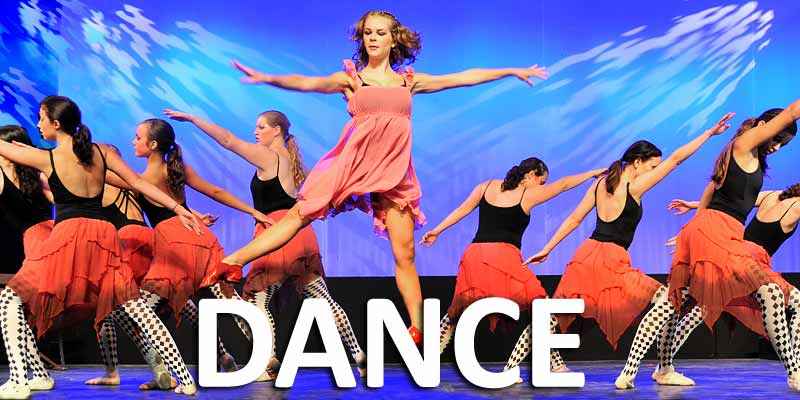
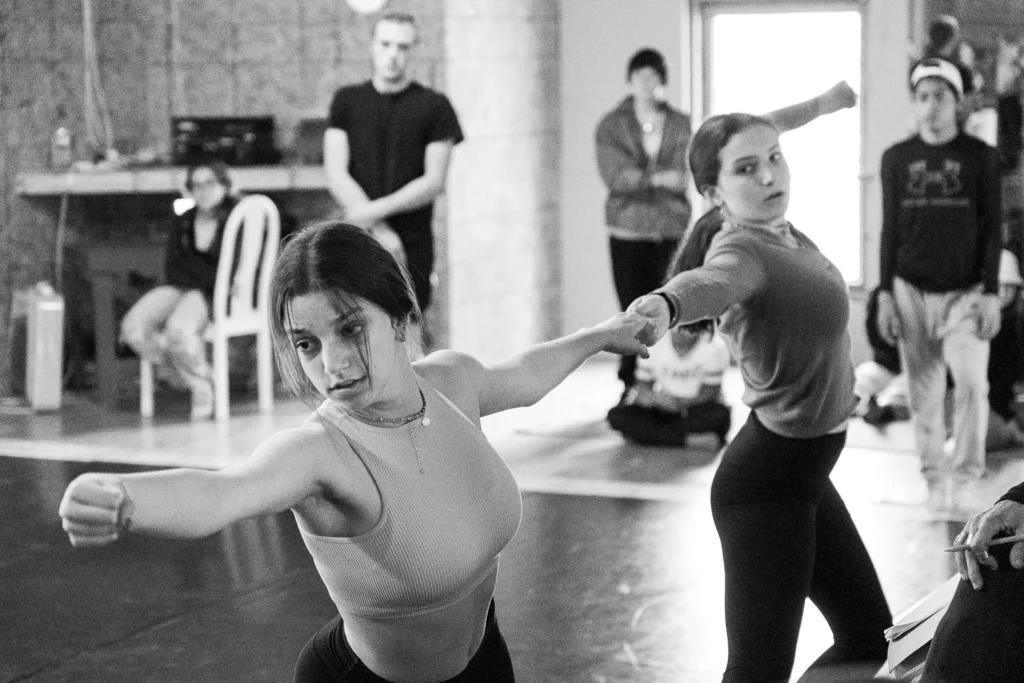
Another defining shift in contemporary dance education is stylistic breadth. Teens no longer want to train exclusively in one form. Instead, they seek programs that combine contemporary technique with exposure to modern, jazz, hip-hop, and theatrical movement.
Leading summer dance camp programs now offer:
- Contemporary fusion classes integrating ballet and floor work
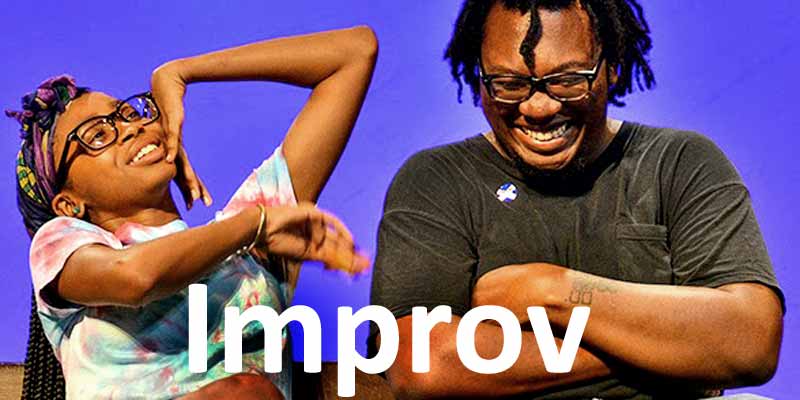
- Improvisation labs influenced by global traditions
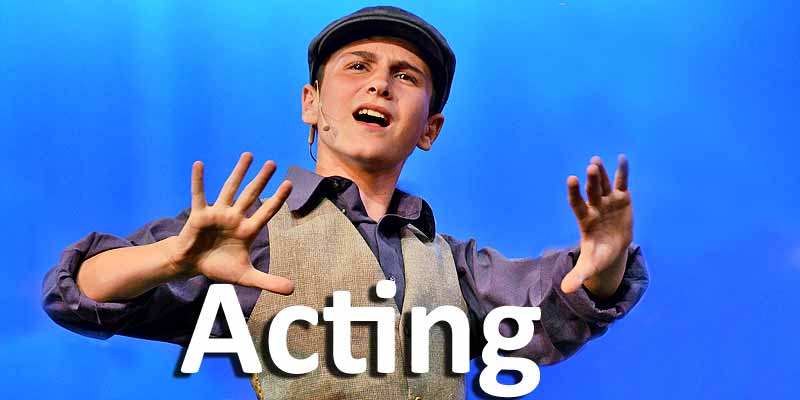
- Collaborative movement sessions connected to musical theatre
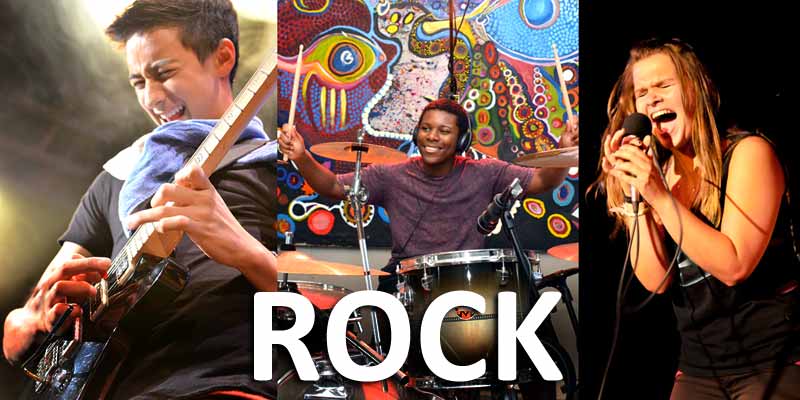
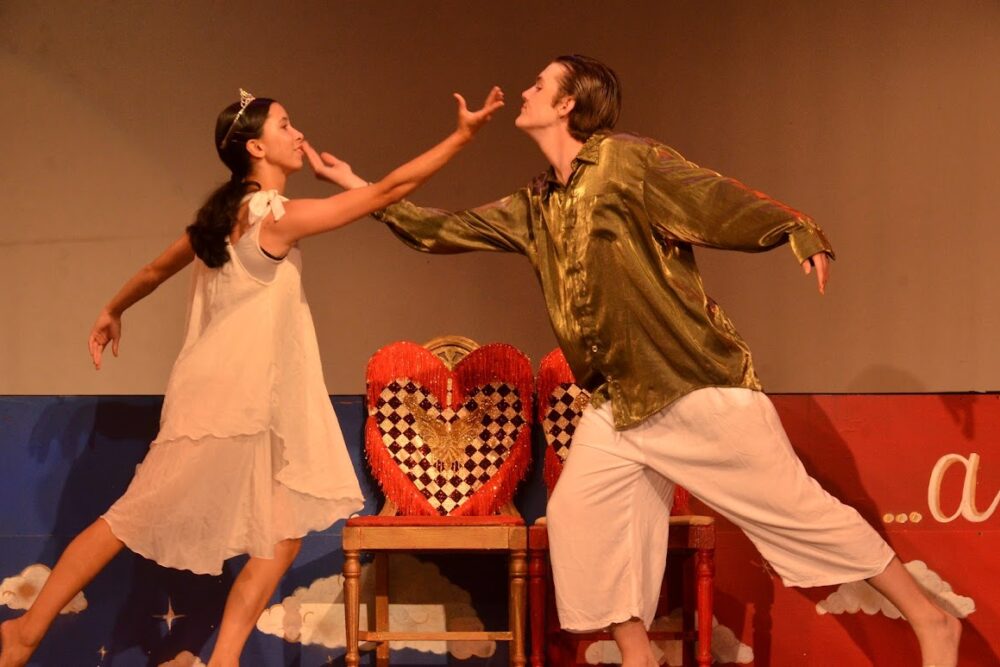
- Performance projects with students from the music and theater divisions
This multi-genre model mirrors casting demands in professional settings, where versatility is often required.
Long Lake Camp for the Arts has implemented a fully multi-disciplinary system, allowing campers 100% flexibility over their daily schedules. Students can move between dance, theater, music, and visual arts classes according to interest and energy levels, ensuring that no two days are ever the same. This approach not only reinforces ensemble-based learning but also fosters independence, creativity, and a broad artistic skill set across multiple disciplines. Rather than siloed instruction, students rotate across disciplines, building adaptable skill sets.
Professional Choreography and Industry Exposure
In 2026, summer programs are narrowing the gap between recreational training and professional rehearsal environments. A growing number of summer dance camps invite choreographers, artists, and conservatory faculty to lead workshops.
Key components include:
- Original choreography created specifically for campers
- Mock audition simulations
- Structured feedback sessions modeled after professional rehearsals
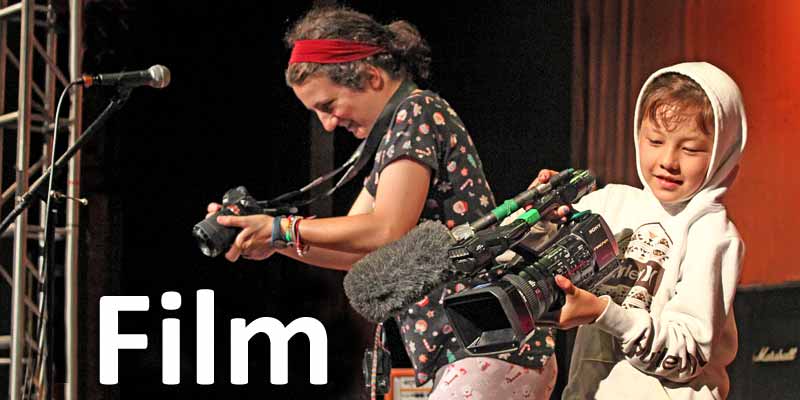
- Recorded final performances for portfolio use
- Collaborative showcases alongside theater and music programs
These experiences provide teens with a clearer understanding of expectations within collegiate and pre-professional pathways. Exposure to professional standards also fosters discipline, time management, and artistic accountability.
At integrated programs such as Long Lake Camp, dancers rehearse in environments similar to small performing arts conservatories while maintaining the supportive atmosphere of a residential camp.
Flexibility and Personal Agency in 2026 Programs
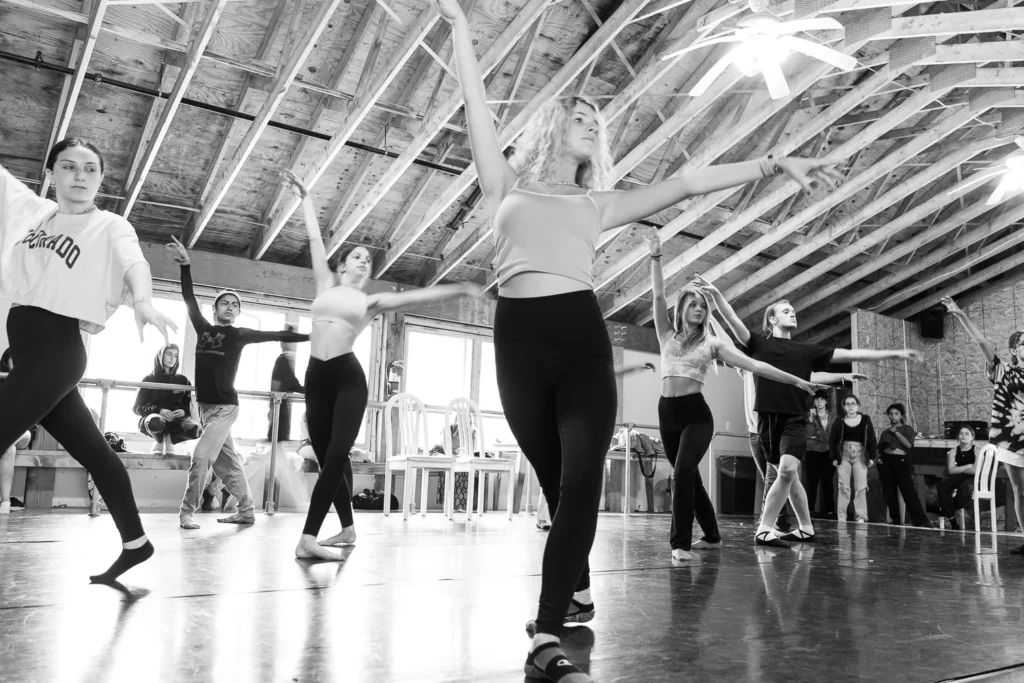
Today’s teens expect autonomy in shaping their learning experiences. As a result, many dance sleepaway camps in New York have adopted flexible scheduling models that allow students to choose electives and manage rehearsal intensity.
This structure promotes independence and creative ownership. Rather than following a rigid curriculum, campers participate in a structured yet choice-driven system that supports both technical growth and artistic identity.
Within broader performing arts summer camps, this flexibility has become a defining feature. Students frequently move between technique classes, choreography labs, and collaborative productions—ensuring no two days are identical.
Community-Centered Artistic Development
Beyond technique and choreography, contemporary programs emphasize ensemble culture. Collaborative rehearsal processes strengthen communication skills and peer mentorship among participants.
Residential training environments contribute to:
- Increased confidence in group performance
- Stronger adaptability during rehearsal changes
- Lasting peer relationships rooted in shared artistic goals
- Leadership development through small-group choreography projects
This ensemble-based structure reflects professional company culture, where collaboration is central to production success.
A Forward-Looking Model for Dance Education
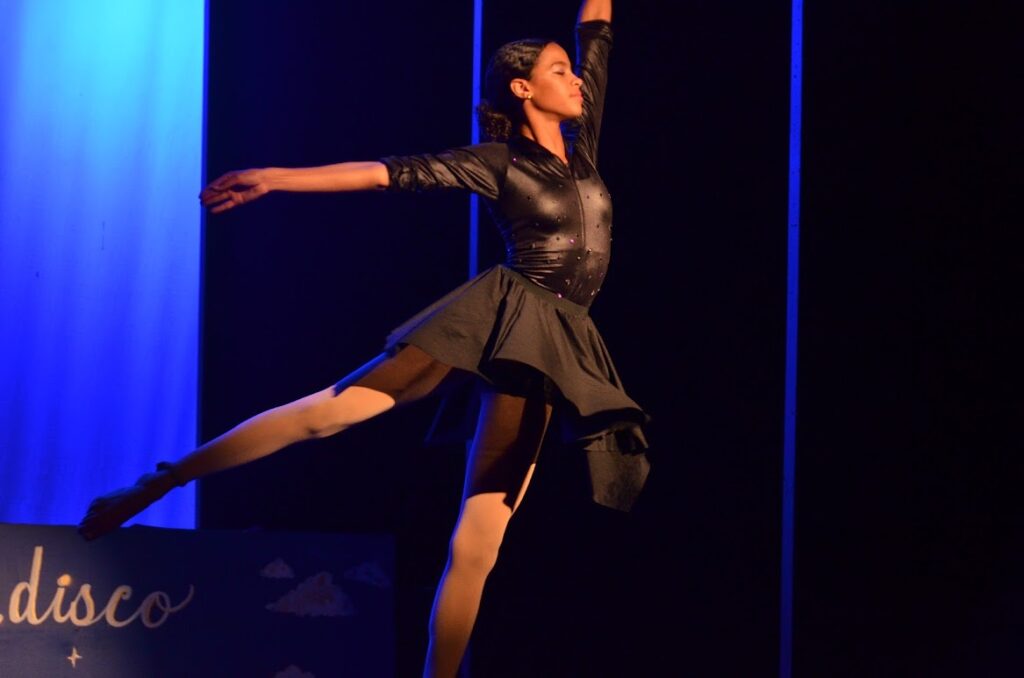
The evolution of contemporary dance education at summer camps 2026 in NY reflects broader shifts in youth arts training. Wellness integration, stylistic diversity, professional mentorship, and schedule flexibility now define leading programs.
Families seeking a comprehensive residential experience should consider institutions that balance technical rigor with sustainability and creative freedom. Long Lake Camp for the Arts offers a structured yet flexible environment where dancers train across genres while participating in collaborative productions.
Reach out now to learn more about our program details and secure a place in one of New York’s most respected residential arts programs.
For questions or registration, reach out to our winter office conveniently located in the NYC metro area at:
199 Washington Avenue, Dobbs Ferry, NY 10522. If cost is a concern, please contact us; we’d love to help you!