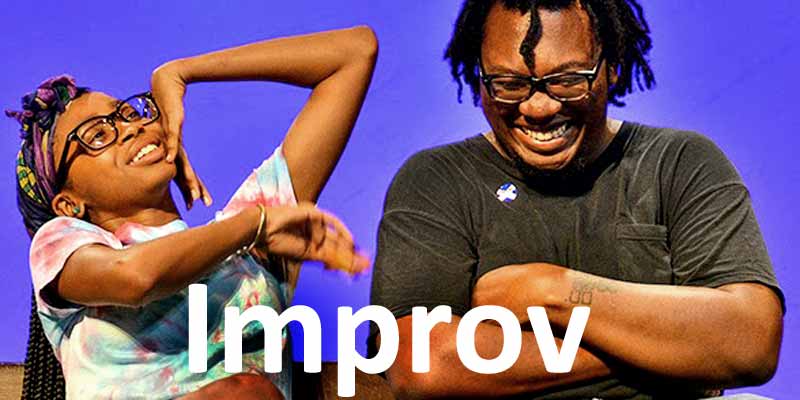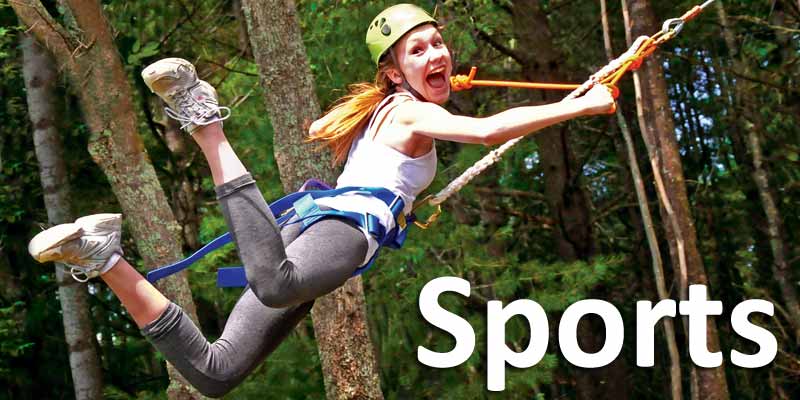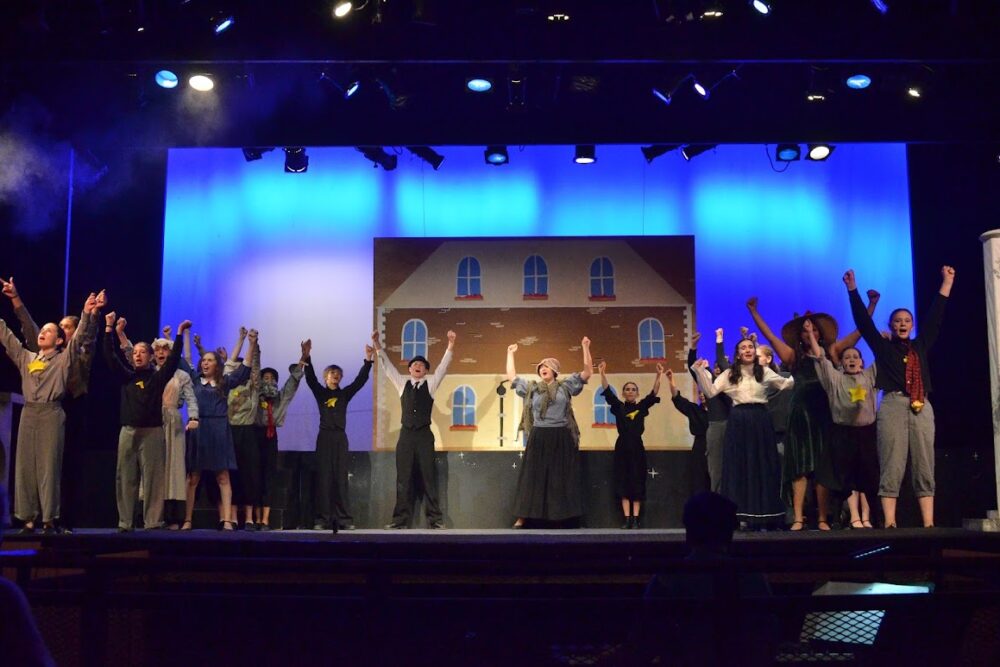
Choosing the right creative summer camp program in 2026 requires more than browsing brochures. According to the American Camp Association, more than 26 million children attend summer camps annually, with parents prioritizing safety, structured programming, and developmental outcomes. For families considering overnight creative programs, this comprehensive arts camp guide provides a clear framework for evaluating New York’s leading artistic retreats.
From logistics and supervision standards to artistic growth and independence, selecting the right overnight arts experience can shape a teen’s confidence and long-term development.
What Defines a High-Quality Overnight Arts Camp?
New York is home to a wide range of performing arts sleepaway camps, from multidisciplinary creative retreats to focused conservatory-style programs. Not all overnight performing art camps are structured equally. The strongest camps combine disciplined instruction, professional mentorship, and balanced recreation.
Parents reviewing overnight arts programs should look for:
- Daily structured instruction in theater, music, dance, or fine art camps
- Small class sizes for individualized feedback
- Clear rehearsal and performance schedules
- Evening activities that encourage community building
- Balanced downtime to prevent burnout
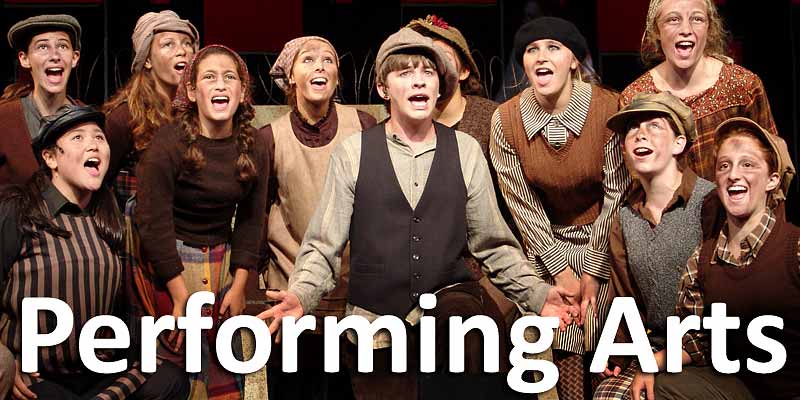
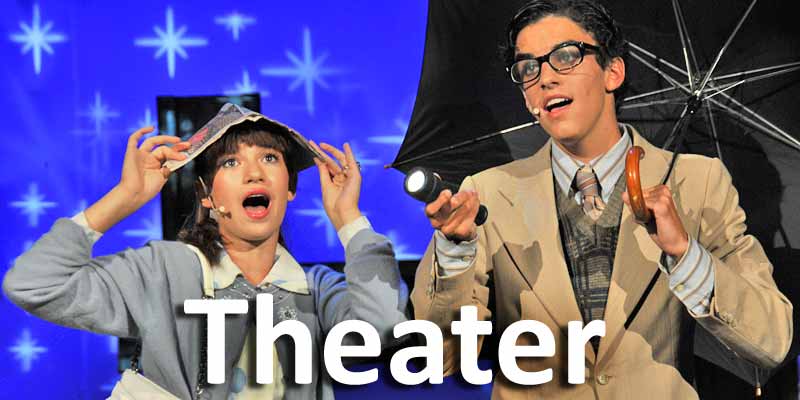
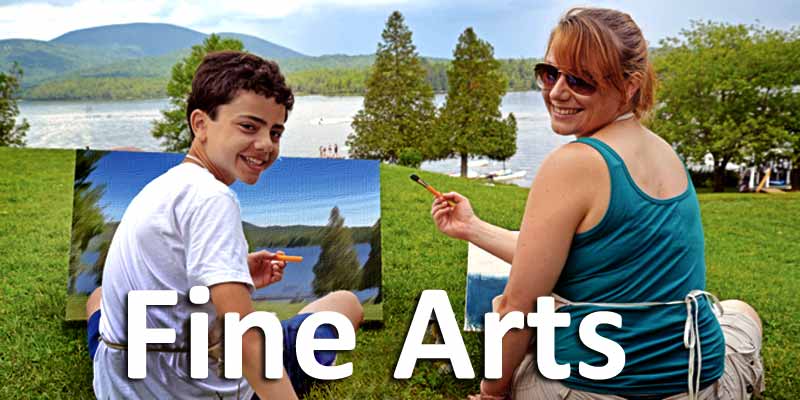
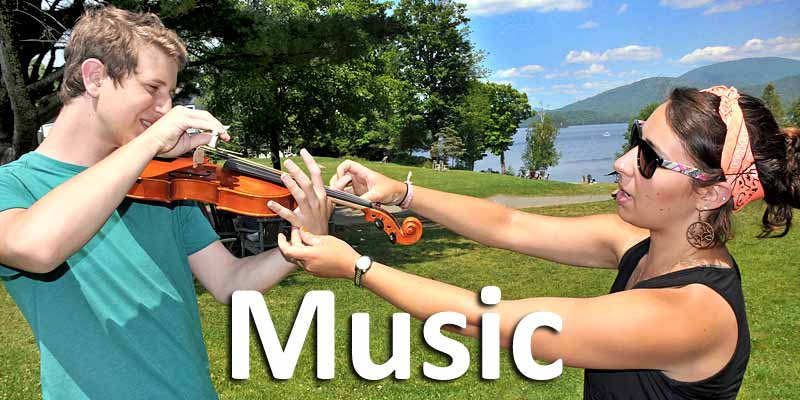
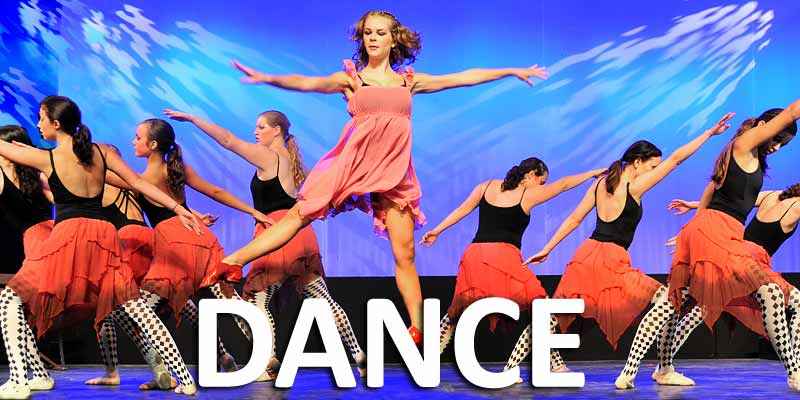
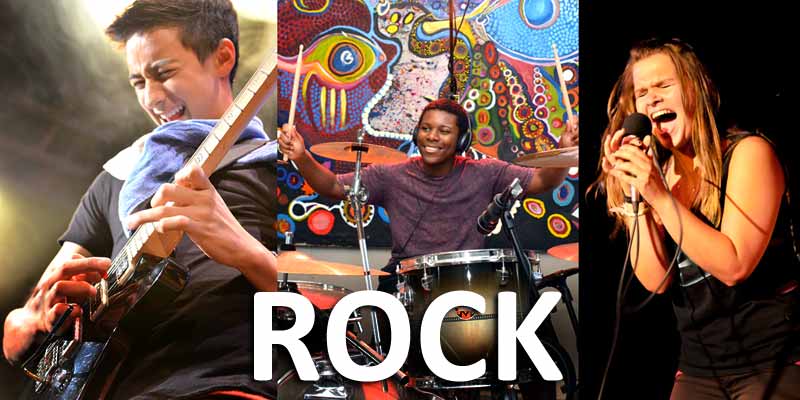
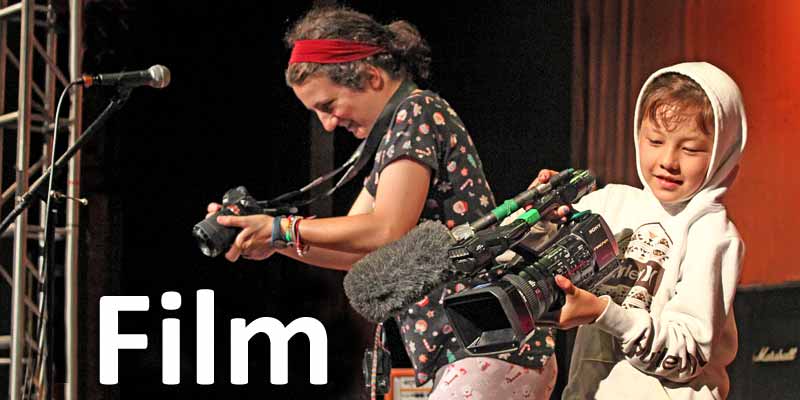
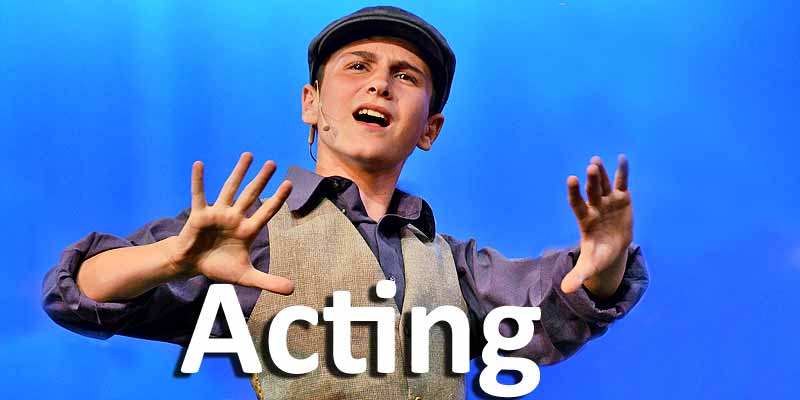
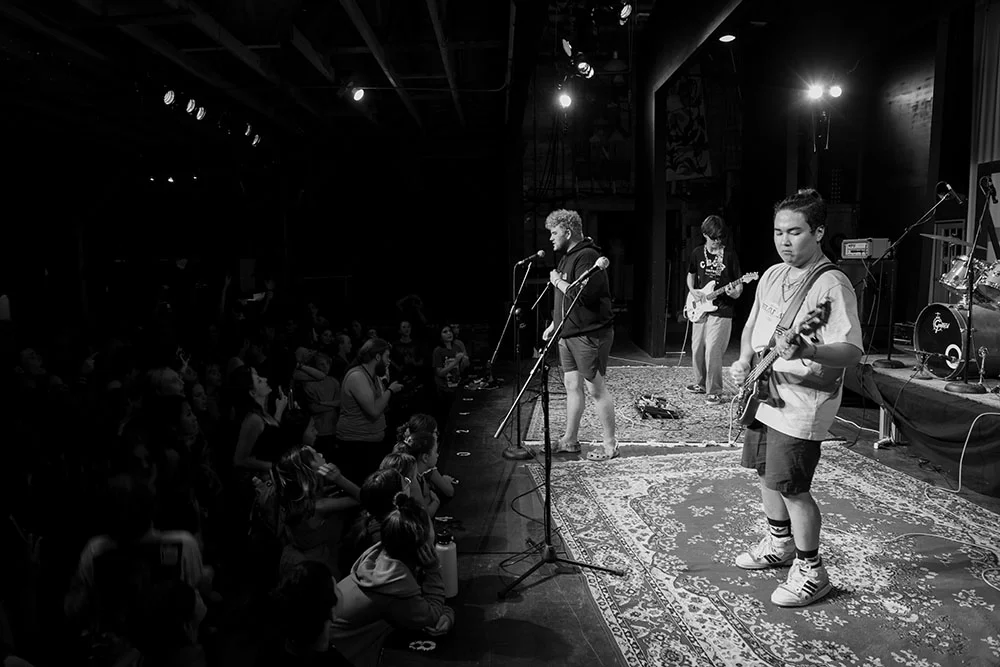
Programs such as Long Lake Camp for the Arts follow a multidisciplinary model where students rotate across creative disciplines. No two days are the same—campers may rehearse theater in the morning, participate in music sessions in the afternoon, and attend dance workshops in the evening.
This variety strengthens focus, adaptability, and creative stamina.
Safety, Supervision, and Operational Standards
A reliable overnight performing art camps 2026 must demonstrate strong residential oversight. Parents should verify:
- Accredited status and regulatory compliance
- Comprehensive staff background checks
- On-site medical personnel
- Clear camper-to-counselor ratios
- Supervised housing and curfews
High-quality camps maintain structured residential communities where counselors live alongside campers. Rehearsal spaces, equipment rooms, and performance venues are supervised by trained instructors.
This operational discipline allows teens to gain independence within clear boundaries—an important developmental balance.
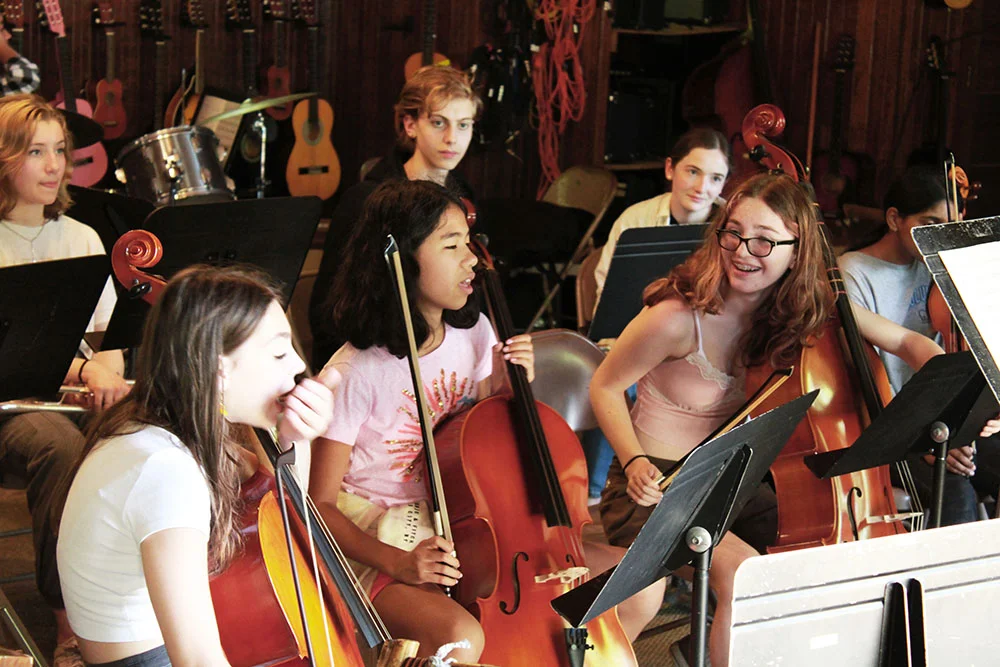
Residential Immersion and Teen Development
Beyond enrichment, overnight arts programs provide a structured transition between adolescence and adulthood. Developmental research shows that supervised residential experiences contribute to measurable growth in independence and maturity. When teens live, rehearse, and perform within a guided community, they practice accountability in real time.
Overnight immersion supports development through:
- Increased self-reliance in daily routines
- Improved peer conflict resolution skills
- Stronger independent decision-making
- Shared responsibility within cabin communities
- Accountability tied to rehearsal and performance commitments
- Confidence gained from meeting structured expectations
This added layer of responsibility distinguishes overnight arts immersion from day programs and reinforces why a thoughtful, research-based arts camp guide is valuable for parents evaluating options.
Artistic Growth and Measurable Development
Research from the National Endowment for the Arts indicates that sustained arts participation correlates with higher academic engagement and improved social confidence. Overnight arts programs in New York reinforce:
- Public speaking ability
- Creative risk-taking
- Emotional intelligence
- Time management
- Collaborative problem-solving
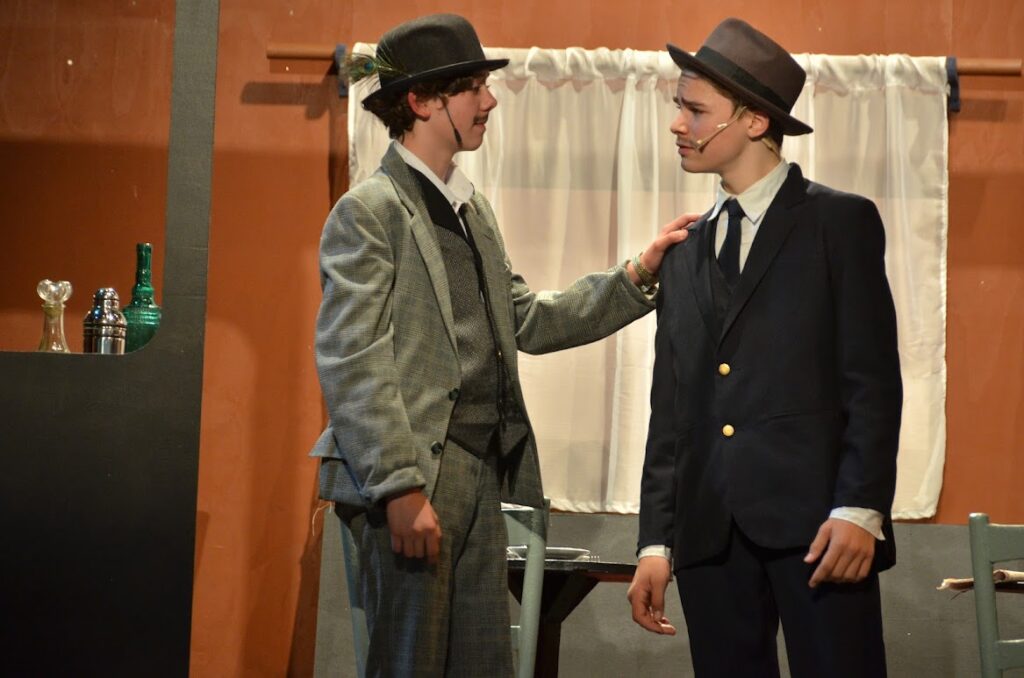
Live performance adds another layer of growth. Preparing for a production teaches accountability, repetition, discipline, and teamwork. These experiences translate into improved classroom participation and social maturity during the school year.
Practical Logistics Parents Should Plan For
Beyond programming, logistics matter. Families evaluating overnight creative camps should consider:
- Session duration
- Transportation to upstate New York campuses
- Required attire for rehearsals and performances
- Tuition structure and available financial assistance
- Communication policies during sessions
- Safety
Parents should also ask whether auditions are required for admission. Many respected programs allow open enrollment while conducting show casting after arrival.
Traditional Summer Camp vs. Overnight Arts Camp
To clarify decision-making, this arts camp guide includes a structured comparison:
| Category | Traditional Recreational Camp | Overnight Arts Camp |
| Primary Focus | Sports and outdoor games | Creative disciplines and live performance |
| Daily Structure | Flexible activity blocks | Structured rehearsals and workshops |
| Skill Development | Physical activity and social play | Public speaking, discipline, and collaboration |
| Performance Opportunities | Limited | Full productions and showcases |
| Creative Mentorship | General counselors | Professional artists and instructors |
| Long-Term Impact | Recreational memories | Portfolio building and confidence growth |
This distinction helps parents determine which environment aligns with their teen’s goals.
Why Long Lake Camp for the Arts Remains a Leading Choice
Among New York’s established overnight creative programs, Long Lake Camp for the Arts stands out for its inclusive admission philosophy and professional production standards. Campers participate in full-scale theater performances, music showcases, dance recitals, and visual arts exhibitions—all within a structured residential setting.
The program blends artistic rigor with community-building, giving teens space to grow without the pressure of hyper-competitive environments.
Making an Informed Decision
This arts camp guide demonstrates that the best overnight art camps in New York combine structured supervision, professional instruction, and meaningful artistic immersion. When chosen carefully, these programs offer more than a seasonal activity—they provide measurable growth in independence, discipline, and self-confidence.
If you are considering an immersive creative summer for your teen, reach out to Long Lake Camp for the Arts today to request program details and secure placement for 2026.
For questions or registration, reach out to our winter office conveniently located in the NYC metro area at:
199 Washington Avenue, Dobbs Ferry, NY 10522.
If cost is a concern, please contact us; we’d love to help you make an informed decision.