A non-competitive theater camp benefits a child by removing the fear of failure and audition anxiety, allowing them to take creative risks they wouldn’t take in a high-pressure environment. This builds genuine self-confidence, improves public speaking skills, and fosters a collaborative spirit rather than a cutthroat ‘me-versus-them’ mentality.
Turn Audition Nerves Into Growth-Ready Confidence
Many parents can describe audition-room jitters in perfect detail, even if they have never auditioned themselves. A child walks into a classroom or camp hall clutching a monologue, and suddenly the air feels different. It is like standing at the front of a store with a line of customers watching you try to make change in your head. Your child is not just performing, they feel measured. Who is better? Who gets picked? Who gets cut? For most young adults, that pressure can feel like a spotlight that burns instead of warms.
Those concerns come from real experiences. I have seen studies and reports where kids describe competitive, cutthroat camps as “traumatizing.” That is a strong word, but the point is clear. When a child is told, directly or indirectly, that they are not good enough to be seen, the message can stick. We would never tell a child learning to ride a bike that they are not allowed to practice because they wobbled. Yet in some audition-first environments, that is what happens. The child is still learning, but the system treats learning like failure.
That is why a non-competitive theater experience matters. In this model, the performance still matters, the craft still matters, and the standards still matter. The difference is what we measure. We are not measuring your child against other kids. We are measuring your child against where they started. When the goal is progress, not ranking, the emotional temperature changes. Kids stop asking, “Will I get in?” and start asking, “What can I try?” That is where confidence begins. That doesn’t mean they will get the lead role they want, but it does mean we will find a place that helps them shine.
A Nurturing Program That Helps Kids Level Up
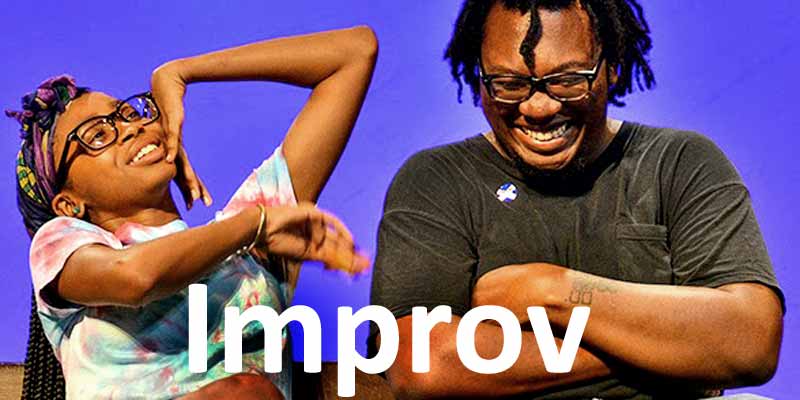
When the stakes of being cut are removed, kids take the creative risks that actually build talent. They try a challenging role instead of the safest one. They experiment with a bigger voice, a sharper gesture, a more emotional moment. They may attend an improvisation class, which builds confidence fast because it forces a child to think on their feet and trust themselves. Improvisation is like a phone call where you do not have a script. You listen, respond, and stay calm when the conversation takes a turn. In a high-pressure program, kids avoid that. In a supportive program, they lean into it.
Compare that with a common complaint in competitive programs, the “ensemble-only” trap, often affecting girls. A few kids get featured roles year after year, while a large group gets parked in the ensemble with minimal speaking time. The message is subtle but loud: “Stand back, look nice, don’t mess up the leads.” Real ensemble work is meaningful and teaches timing, listening, and responsibility. But “ensemble-only” as a default assignment becomes a confidence drain, because it tells a child their voice is optional.
Supportive Growth means kids do not have to earn the right to be seen. Visibility is part of the learning process. When kids know they will be included in a meaningful way, they show up differently. They practice more, ask questions, and stop comparing. Confidence is not something we hand a child at the end. It is something they build through repeated moments of safe challenge.
Ready to learn more? Request information and we’ll be in touch to answer your questions.
Stage Confidence That Carries Into School
Parents often ask, “Is theater worth it if my child is not going to be a professional actor?” It is a fair question because time and money matter. But supportive theater pays you back in places you can actually see. Stage confidence is not trapped on the stage. It spills into classrooms, friend groups, and everyday life.
The ability to stand in front of a crowd without fear shows up later too: college interviews, scholarship panels, club leadership, job interviews, staff meetings, sales calls, even giving a toast at a wedding. Theater trains calm presence. It teaches posture, breathing, pacing, and how to recover when you forget a line. That last part matters. A confident person is not someone who never messes up. It is someone who can keep going when they do.
Long Lake’s Non-Competitive, Top-Tier Theater Program
Long Lake Camp for the Arts puts this non-competitive philosophy into real decisions. One of the biggest differences is that every child who wants a role gets a meaningful one. That does not mean every child gets the same role, and it does not mean the production ignores skill level. It means participation is not a prize reserved for a few winners. It is the baseline. When kids know they will not be sidelined, they commit and take ownership because they are truly part of it.
Meaningful roles also solve the “background kid” experience many parents have seen. You pay for a program, your child shows up excited, and then spends most of the time waiting while a handful of leads rehearse. In a supportive model, the structure avoids that. Kids have real responsibilities, real moments, and real reasons to practice. That is how you build confidence, not by telling a child they matter, but by giving them work that proves it.
Another important piece is the “choose-your-own” schedule. This respects how kids learn. Some want to act and dance. Some want acting and music. Some want to try tech, set work, or costuming alongside performance. A rigid curriculum can feel like a school day with different posters on the wall. A choose-your-own structure feels more like walking through a well-stocked shop. You pick what fits you, then come back for more once you trust the place. That freedom lowers pressure and increases curiosity, which is the fuel for real growth.
This flexibility also gives kids room to practice without feeling trapped by a single track. If a child tries improv and feels awkward the first day, they are not locked into a pass-or-fail experience. They can keep practicing, take a break, come back stronger, and build confidence over time. That pacing is crucial for kids who need longer to warm up socially or emotionally. We do not all learn at the same speed, and theater should not punish a child for being a late bloomer.
Parents also ask, “If it’s non-competitive, is it still high quality?” High-support does not mean low standards. It means the adults in charge create an environment where kids can meet standards without fear. Strong lighting, sound, staging, and production resources give kids the experience of working in a real theater setting. When a child steps onto a well-run stage and feels the professionalism around them, they rise to it. They feel like they belong in something important.
Ready to learn more? Request information and we’ll be in touch to answer your questions.
Final Night Pride With a True Backstage Tribe
Final performance night should feel less like judgment day and more like a celebration. The seats fill up, the lights dim, and the kids buzz backstage. It is a good kind of buzzing, like the minutes before a community parade starts. Your child looks out and sees friendly faces, not critics. They know the other kids are on their side because they have been building this together for weeks. That sense of safety changes how they perform.
Then the moment happens. Your child steps forward, delivers their lines, hits their cue, or nails a piece of choreography. Maybe it is not perfect, but they are present and brave. When they finish, they do not look relieved that it is over, they look proud that they did it. And when they come off stage, they are met by a tribe of friends they are not competing with. High-fiving, laughing, fixing each other’s costumes, and cheering for the next scene. That is what confidence looks like in real life, not a trophy, but belonging plus courage.
That joy is the ultimate outcome. Not just a show, not just photos, not just a line on a resume. It is the internal shift where a child starts to believe, “I can do hard things in front of people.” And that belief does not stay at camp. It follows them into school presentations, new friendships, and future opportunities. It becomes part of how they carry themselves.
If your child has been hesitant to try theater because auditions feel scary, or if they have been stuck in programs that feel more like sorting than teaching, there is another path. Call now to talk through your child’s specific interests, acting, improv, musical theater, or technical work, and we can discuss how they can flourish in a supportive spotlight.
Ready to learn more? Request information and we’ll be in touch to answer your questions.