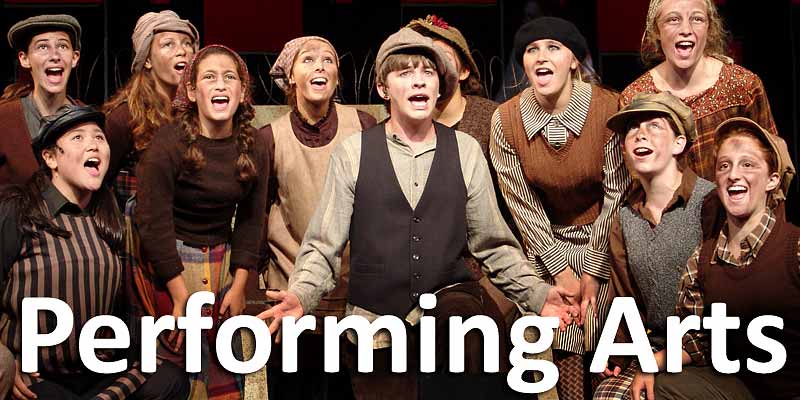
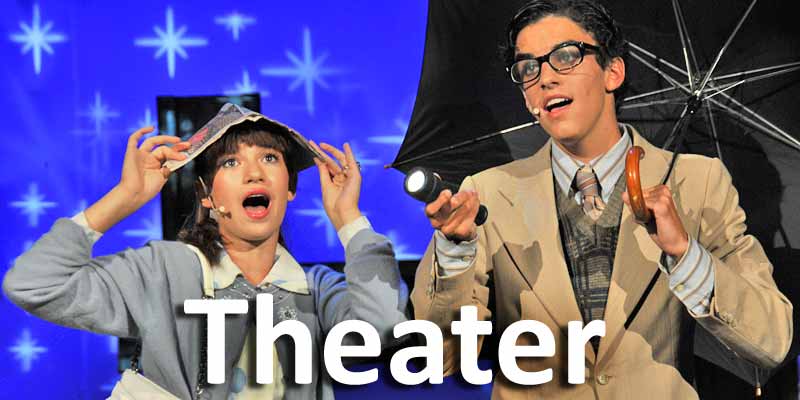
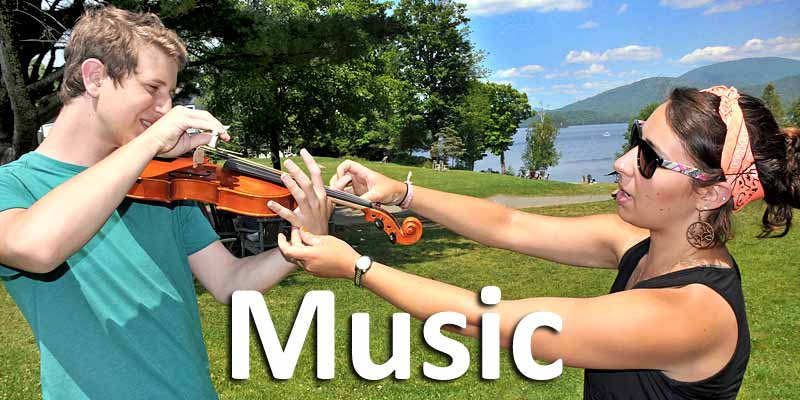
When choosing a performing arts camp, parents should prioritize a supportive, non-competitive culture, a low counselor-to-camper ratio, and a balanced curriculum that includes both high-level arts and traditional outdoor activities. Look for programs that offer schedule flexibility, allowing children to explore multiple interests without the pressure of cutthroat auditions or social isolation.
Choose a camp where your child feels seen
If you’re parenting a talented kid, picking a performing arts camp can feel like you’re picking a direction, not just filling a few weeks in the summer. You’re not only thinking about voice lessons and stage time. You’re thinking about confidence, friendships, identity, and whether your child comes home feeling more like themselves, or like they had to shrink to fit in.
Here’s where it gets tricky. Once parents start searching for the biggest names, a pattern shows up in forum threads and reviews. Some “prestigious” camps get described with words like “traumatizing” and “cutthroat.” That doesn’t mean every child has a bad experience. It does mean the brand name can come with a certain culture, one where kids feel watched, ranked, compared, or like they could be replaced at any moment.
Most families aren’t looking for a summer that feels like a year round audition circuit. They’re looking for something that restores their child. A place where a creative kid can breathe, grow, and get steadier in who they are. The “best” camp is the one where your child feels seen, respected, and emotionally safe, because that’s the soil where real artistic growth takes root.
Build lifelong passion with the right camp culture
High pressure environments can produce short-term performance gains, but they also raise the risk of burnout. Kids who love theater start dreading rehearsal because every note feels like a test. Once that happens, the art stops being a source of joy and starts feeling like a scoreboard. A nurturing environment can still push a child, but the push feels like coaching, not judgment. The goal shifts from “beat the other kids” to “get better than yesterday,” and that’s a much healthier fuel source for a long creative life.
There’s also the social side, which parents sometimes underestimate. Creative young adults need a tribe. They need peers who understand why practicing a monologue is fun, or why they hear harmonies in the car radio. But the tribe has to be the right kind. If everyone is fighting for the same spotlight, friendships can turn transactional fast. A good camp builds community around collaboration, where kids can celebrate each other’s wins without feeling like it threatens their own place on stage.
Grow onstage confidence through arts plus outdoor camp
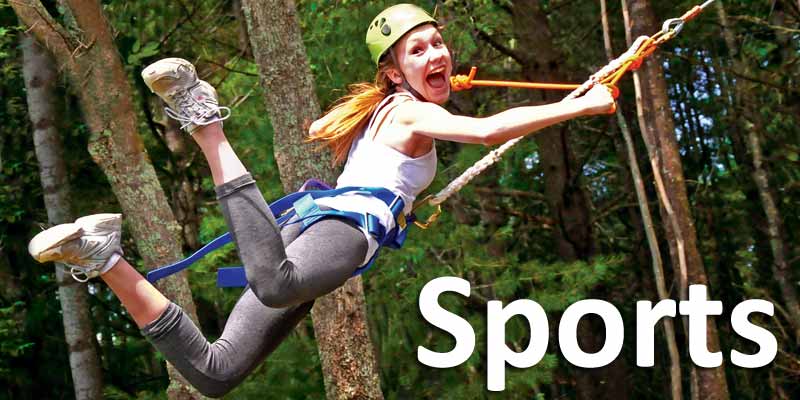
Traditional camp activities, swimming, hiking, ropes courses, canoeing, even just sitting outside with friends, give kids other ways to feel capable. Nature and physical activity also support artistic growth in ways that are easy to overlook. Breath control improves when kids move. Stamina improves when they’re active. Creativity improves when the brain gets a break from fluorescent lights and constant feedback. I’ve watched kids solve acting problems faster after an hour outdoors than after another hour talking about the problem in a classroom. It’s not magic. It’s how humans reset.
When a camp experience builds confidence across multiple areas, performing, friendships, physical challenges, independence, that confidence comes home with them. They raise their hand more in class. They try out for things. They handle criticism with less fear. That’s a return on investment that lasts longer than a single show.
Curious how this would work for your child? Start a conversation with our team.
Long Lake: flexible schedules on an Adirondack lakefront
So what does a camp look like when it takes both the arts and “real camp” seriously? Long Lake Camp for the Arts is a strong example of that balance. The core idea is refreshingly practical: let kids build a schedule that fits them, instead of forcing every camper into the same school.
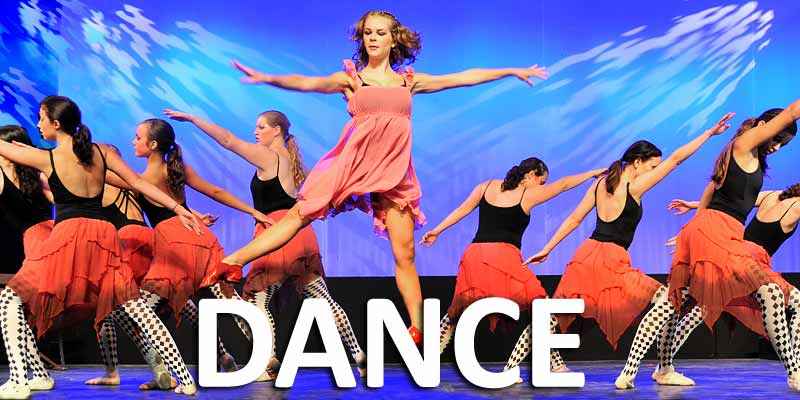
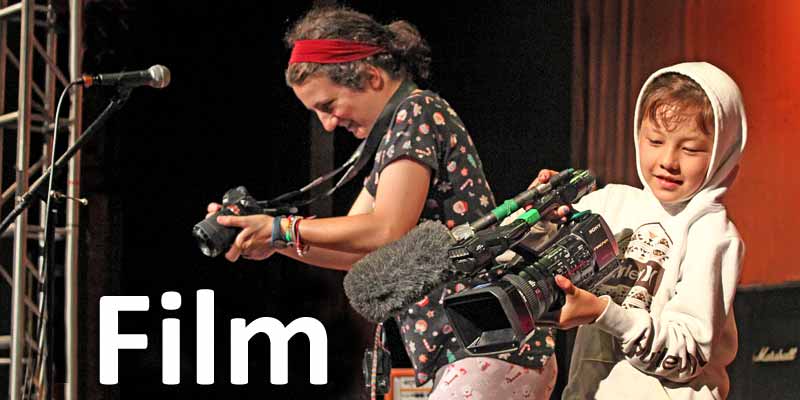
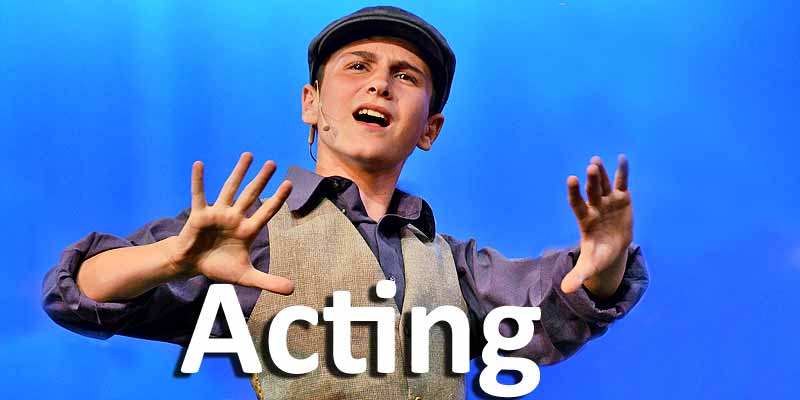
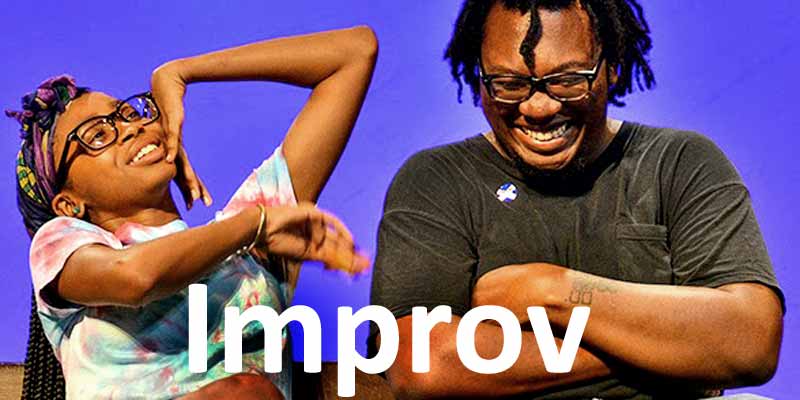
The “choose your own schedule” philosophy matters because talented kids aren’t all wired the same way. Some want to live in rehearsal and chase lead roles. Others want to do theater and also explore music, film, dance, or visual arts. And plenty of kids are multi passionate, the ones who can sing, paint, and play sports, and they don’t want to be told they must pick one identity at age thirteen. A flexible schedule gives them room to explore without feeling like they’re falling behind.
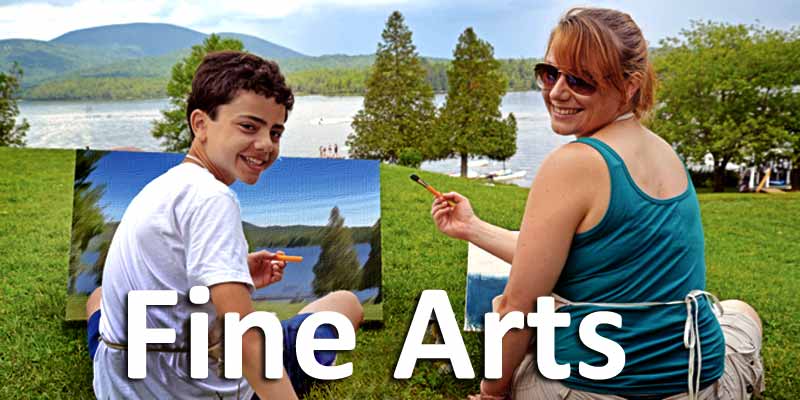
The setting supports that freedom too. A private lake front estate in the Adirondacks gives the camp the physical space to be a real camp, not just an arts program that happens to have cabins. When you have water, trails, open sky, and outdoor facilities, you can build days that feel full in a good way. The arts don’t become a box your child lives inside. They become part of a bigger experience, which is often when kids start taking creative risks.
To help illustrate what that looks like, think of a day where your child rehearses a musical number, gets coached, and feels the thrill of a breakthrough. Then a few hours later, they’re rock climbing with friends, laughing, and building a different kind of confidence. That combination isn’t a distraction from the arts. It supports the arts. It keeps the child whole. And when a child feels whole, they usually perform better, connect faster, and stay passionate longer.
Match the camp to your child’s personality
When you’re making this choice, trust your instincts about your child’s personality, not just their talent. Is your child energized by competition, or do they shut down when everything feels like a ranking? Do they thrive with constant critique, or do they need encouragement to take risks? Do they want to specialize hard, or are they multi passionate and happiest when they can explore? These aren’t small details. They’re the difference between a summer that builds them up and a summer they have to recover from.
The transformation you’re aiming for isn’t “my kid got cast.” It’s more like this: a stressed student becomes a confident artist. A kid who second guesses themselves learns to trust their instincts. A kid who feels different finds friends who feel like home. When the environment is right, the skill growth follows. That order tends to work best: belonging first, then bravery, then performance.
If Long Lake Camp for the Arts sounds like the kind of fit your family is looking for, take one low pressure next step. Request a brochure, look through the facilities, and set up a virtual meeting so you can get a feel for the staff and the culture. Ask direct questions about how they handle auditions, how they support anxious kids, and how they balance arts training with traditional camp life. When you choose based on fit, not fame, you’re not just booking a summer. You’re giving your child a place where they can grow into themselves, and that’s a pretty heroic parenting move.
Curious how this would work for your child? Start a conversation with our team.